
bds
|
ba
|
sqft
ac lot
|
car garage
|
|
Utah
St George Utah Homes for Sale
Southern Utah's largest city — 1,120 active homes for sale right now, year-round sunshine, red-rock recreation, and one of the strongest growth markets in the state. Live MLS listings, neighborhood data, and market trends updated continuously below.
September 2026
closed sales · last completed month
Heads up: this is last month's data.
Median sale price
$471,200
-8.1% YoY
Median days on market
57
+2 d YoY
Sale-to-list ratio
98.0%
+0.53pp YoY
Homes sold
153
-28 YoY
September 2026 snapshot
St George, Utah housing market
Unsold inventory in St George is asking $528,000 at the median, -0.38% year-over-year. Homes that closed sold at $471,200 — 98.0% of each home's final list price, going to contract in a median of 57 days.
Unsold inventory
987
active + pending
Homes in St George that have not yet closed — includes Active, Pending, Active Under Contract, and Coming Soon. Pending is included because a deal under contract can fall through, so the home still counts as unsold inventory until it actually closes. Pulled live from the MLS.
New listings
308
in September 2026
Number of homes that came on the market during September 2026.
Median sale price
$471,200
153 sold
Middle sale price of homes that closed in September 2026. Median (not average) so luxury sales don't skew it.
Median list price
$528,000
current asking
Middle asking price across all unsold inventory right now (Active + Pending). Differs from median sale price because list = what sellers want, sale = what buyers actually paid.
Sale-to-list
98.0%
of final list
For each home that closed, closeprice ÷ its own final list price, averaged across the month. Over 100% = homes sold above asking (sellers' market), under 100% = below asking (buyers have leverage). Measures vs final list (post-reductions), not vs original asking.
Median days
57
on market
Median days a home spent listed before going under contract during September 2026. Lower = faster-moving market.
Data through September 30, 2026.
View full market report
→
Just listed
Latest in St George
New St George listings, straight to your inbox
We'll email you the moment a new one hits the MLS. Free, and you can stop anytime.
Neighborhoods
Explore St George communities
DESERT COLOR SAGE HAVEN
33 listings
· median $554,684
LAS PALMAS RESORT CONDOS
29 listings
· median $344,000
SUN RIVER
26 listings
· median $529,075
DESERT COLOR RESORT
22 listings
· median $1,117,000
DESERT REFLECTION
17 listings
· median $433,000
BLOOMINGTON COUNTRY CLUB
15 listings
· median $595,000
BLOOMINGTON HILLS
11 listings
· median $549,900
SOUTHERN VIEW PLANNED DEVELOPMENT
10 listings
· median $444,000
DESERT HORIZON
9 listings
· median $774,900
DESERT COLOR AUBURN HILLS CONDOMINIUMS
9 listings
· median $299,000
SPORTS VILLAGE
8 listings
· median $284,000
SUNIVA
8 listings
· median $658,500
Nearby
Compare to other cities
| City | Unsold | Median list |
|---|---|---|
| Washington | 484 | $559,000 |
| Hurricane | 444 | $599,000 |
| Ivins | 137 | $825,000 |
| Santa Clara | 75 | $725,000 |
| La Verkin | 28 | $494,500 |
| Enterprise | 21 | $569,900 |
| New Harmony | 16 | $900,000 |
| Toquerville | 15 | $630,000 |
About St George
Living in St George
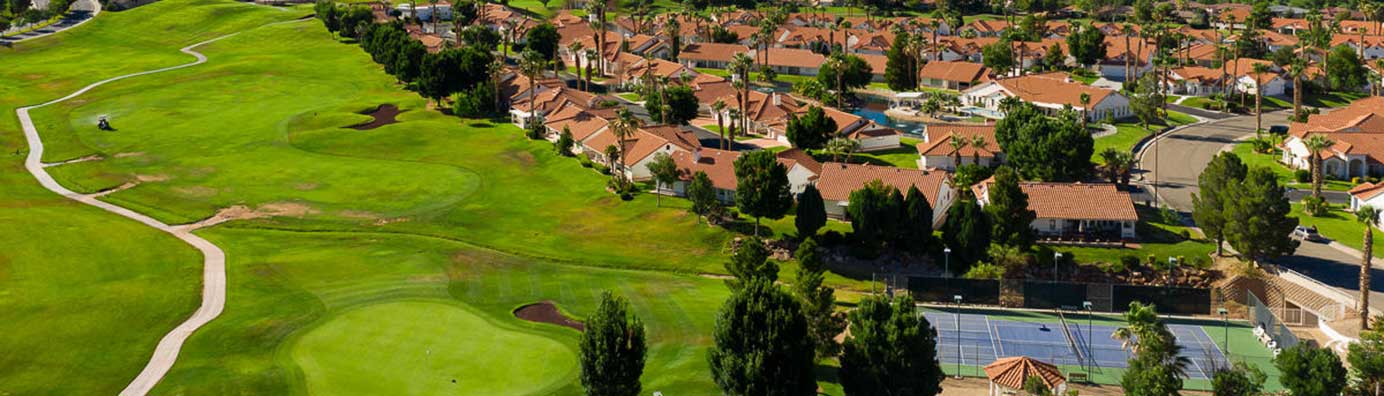
St. George is one of the most-searched relocation destinations in the U.S. — and for good reason. The combination of year-round sunshine, red-rock recreation, low crime, world-class golf and pickleball, and pricing that's still meaningfully below California or the Wasatch Front makes it a primary target for retirees, remote workers, and other buyers relocating from colder, higher-cost states. The trade-offs are real too: summer heat, ongoing growth pressure, water conservation as a way of life, and a continuously building-out infrastructure. This page covers what to expect in 2026 — neighborhoods, schools, climate, recreation, healthcare, and the honest considerations that should shape any home-buying decision here. For a buyer-side narrative companion, see the moving to St. George guide and the good and the bad of living in St. George.
Why Buyers Choose St. George, Utah
St. George reached an estimated population of 107,424 in the 2024 U.S. Census count, and the University of Utah's Kem C. Gardner Policy Institute projects the city could double in size by 2050. The metro has consistently ranked among the country's fastest-growing for over a decade — in the most recent census year (2024–2025) it ranked 8th nationally, adding roughly 5,200 residents (+2.5%). For deeper context on the housing implications of that growth, the St. George growth explained guide covers the housing, water, and jobs side specifically.
The reasons buyers cite most often:
- Year-round outdoor climate — 300+ sunny days, mild winters, hot summers
- Red-rock landscape — Snow Canyon, Zion National Park (~1 hour), and Bryce Canyon (~3 hours) all within driving distance
- Established retirement infrastructure — multiple 55+ communities, St. George Regional Hospital, Intermountain Health network
- Low crime relative to most growing U.S. metros
- Strong remote-worker draw — recognized as one of the country's hottest job markets in 2024, with continued migration from California, Las Vegas, and the Wasatch Front. See relocating from California to St. George for the most-trafficked specific path.
- Las Vegas access — ~2 hours south on I-15 for major-airport flights, concerts, and big-city amenities when needed
- Pricing below California and front-range Utah for comparable square footage and lot sizes. See the cost of living in St. George for the full breakdown.
Top Neighborhoods in St. George
St. George is a large city geographically, and the right neighborhood depends heavily on lifestyle and budget. The communities most consistently searched and bought into in 2026:
- Desert Color — master-planned luxury and lifestyle community on the south side near the Arizona line, built around swimmable lagoons and a beach. Newer construction, a wide range of price points, resort-style amenities. The full community is covered in Discover Desert Color.
- Little Valley — established residential area on the east side, well-regarded schools, the largest pickleball complex in Utah, and convenient access to Sand Hollow.
- Bloomington and Bloomington Hills — original master-planned community on the south side. Mature trees, established neighborhoods, the Bloomington Country Club (golf), and a strong sense of long-term community.
- Sunbrook — golf-course community on the west side, popular with retirees and second-home buyers.
- Stone Cliff — luxury hillside community on the east bench with elevated lots, custom homes, and panoramic views.
- Entrada — luxury gated community adjacent to Snow Canyon State Park, with the Johnny Miller-designed Entrada golf course.
- Sun River — one of St. George's largest 55+ active-adult communities. Everything about living there is covered in Everything to know about Sun River.
- The Ledges — golf and recreation community in the northern part of the city with a substantial retiree population and direct red-rock views.
- Desert Canyons — newer master-planned community on the south end, mix of price points, growing amenity base.
- Divario — newer hillside community on the southwest side, with custom and semi-custom homes on view lots.
- Coral Canyon — golf-anchored community in neighboring Washington City, but functionally part of the St. George buyer search. Worth checking if Washington City school zoning works for the household.
For a deeper neighborhood comparison, the guide to the best areas around St. George covers tradeoffs between these communities in detail. Buyers seeking specific lifestyles can also filter the listing grid by luxury homes, homes with views, gated communities, or golf course homes.
St. George Weather and Climate
Climate is the single biggest reason most people relocate to St. George. The city sits in the Mojave Desert transition zone, which produces a distinct seasonal pattern:
- Summers (June–September) — hot and dry. July and August daytime highs regularly hit 100–110°F. Nights cool into the 70s. Most outdoor activity shifts to early morning or evening; pools, reservoirs, and AC are central to summer life. Homes with pools are a popular filter for buyers planning to spend summers at home.
- Spring and fall — the ideal seasons. 70–85°F days, cool nights, low humidity. Most events and outdoor festivals concentrate here. The St. George fall weather guide goes deeper.
- Winter (December–February) — mild for Utah. Daytime highs typically 50–60°F with cold nights that occasionally drop below freezing. Snow falls a few times a season but rarely accumulates. Year-round outdoor recreation is realistic — see winter in St. George.
- Sunshine — 300+ sunny days annually, one of the highest figures in the Lower 48.
The practical implication: buyers should plan for higher summer cooling costs (a typical home runs $200–$400/month on AC in peak summer) but lower winter heating costs than most of Utah. For a comprehensive seasonal walkthrough, the understanding St. George weather guide goes deepest on this topic.
Outdoor Recreation: Red Rocks, Reservoirs, and National Parks
St. George's outdoor draw is its single strongest non-climate selling point. The city sits at the intersection of major recreation corridors, covered in depth in the St. George outdoors guide and top 10 things to do.
State and National Parks
- Snow Canyon State Park — directly adjacent to St. George. Slot canyons, petrified sand dunes, hiking, mountain biking, and rock climbing. Iconic red-and-white sandstone formations.
- Zion National Park — about 1 hour east. One of the most-visited national parks in the country. The Narrows, Angels Landing, and Emerald Pools are the headline hikes.
- Bryce Canyon National Park — about 2.5–3 hours east. The hoodoo amphitheaters, ideal for day trips and overnights.
- Pine Valley Mountains — about 30 minutes north, providing cooler high-elevation hiking and camping (and snow access in winter). See the Pine Valley tour.
Lakes and Reservoirs (Bass Fishing, Boating, Watersports)
- Sand Hollow Reservoir / State Park — opened to the public in 2003 on the south side. One of Utah's most-visited state parks, with boating, waterskiing, wakeboarding, paddleboarding, swimming, and bass fishing. The surrounding 20,000-acre park also includes OHV trails and beachfront camping.
- Quail Creek Reservoir (Quail Lake) / State Park — slightly older than Sand Hollow, top-rated bass fishing, and some of southern Utah's best wakeboarding and waterskiing in calmer water.
- Gunlock Reservoir / State Park — west of the city, 2 miles long and up to 115 feet deep, created in the late 1960s for flood control and irrigation. Bass and crappie fishing, quieter atmosphere than Sand Hollow.
For in-town swimming and water access without driving to the reservoirs, the hidden swimming oases guide covers the lesser-known local spots.
Trails and Mountain Biking
- Pioneer Park / Dixie Rock — in-town red-rock hiking with the iconic "Dixie Rock" white sandstone formations and panoramic city views.
- Snow Canyon trail system — Petrified Sand Dunes, Jenny's Canyon, Whiterocks Amphitheater, and Lava Flow Trail are the most-walked routes.
- JEM Trail and Gooseberry Mesa — about 25–45 minutes east toward Hurricane; nationally regarded mountain-biking destinations.
- Red Hills Parkway Trail and Virgin River trail system — paved riverside trails inside the city.
Pickleball, Golf, and Recreation Centers
St. George has built a national reputation in two sports specifically — pickleball and golf — that drive a meaningful share of relocation traffic on their own.
Pickleball
The Little Valley Pickleball Complex is the largest public pickleball facility in Utah, with 33 courts including championship and tournament courts. The Professional Pickleball Registry named it "Public Facility of the Year." St. George hosts over 6,000 tournament players annually, including the "Fall Brawl" — recognized as one of the top five amateur pickleball tournaments in the United States. Additional public courts at Vernon Worthen Park (6 courts) and Bloomington Park (7 courts) bring the citywide total above 40 lighted courts. The pickleball scene is one of the single biggest draws for retirees and active-lifestyle buyers choosing St. George specifically.
Golf
St. George is one of the highest-density golf destinations in the western U.S. The full breakdown is at Utah's golf oasis: top 14 courses. Major courses include:
- Sand Hollow Golf Resort — championship 18-hole course in nearby Hurricane, regularly ranked among Utah's top public courses.
- Coral Canyon Golf Course — public 18-hole course in Washington, designed by Keith Foster.
- Sunbrook Golf Club — 27 holes on the west side of St. George, anchoring the Sunbrook community.
- Entrada at Snow Canyon — Johnny Miller-designed private course adjacent to Snow Canyon State Park, in the Entrada community.
- Bloomington Country Club — established private course in the original Bloomington Country Club community.
For buyers prioritizing course proximity, the golf course homes filter narrows the listing grid directly.
City Recreation Centers
The City of St. George operates the Sand Hollow Aquatic Center (indoor and outdoor pools), the St. George Recreation Center (gym, fitness classes, basketball), and an extensive city park system spread across all major neighborhoods.
Schools and Higher Education
K-12 (Washington County School District)
St. George schools are served by the Washington County School District, which operates multiple elementary, middle, and high schools across the city. The district has consistently ranked among Utah's stronger suburban districts; specific school assignment depends on address, and buyers should verify the assigned school for any target home before making an offer (boundaries shift periodically as the district adds new schools to keep pace with growth).
Utah Tech University (formerly Dixie State University)
St. George is home to Utah Tech University, a four-year public polytechnic university. The institution traces its history to 1911 (founded as St. George Stake Academy) and was officially renamed in 2022 — the Utah Legislature passed HB2001 changing the school from "Dixie State University" to "Utah Tech University." The St. George campus retains the "Dixie" designation as part of the renaming agreement. Utah Tech enrolls roughly 12,000 students and serves as the city's primary higher-education employer and economic driver. The Utah Tech University history piece covers the full institutional arc, including the name-change context.
Crime and Safety
St. George consistently ranks among the safer U.S. cities of its size. The city's violent crime rate runs notably below the national average, and most reported property crime is theft from vehicles or homes rather than burglary — a reminder for residents to lock cars and front doors, but not a signal of broader safety concerns. The combination of an established homeowner base, an experienced retiree population, and well-funded city services produces an environment most new residents describe as quiet and orderly.
For exact, current crime statistics by neighborhood, the FBI Uniform Crime Reports and NeighborhoodScout provide regularly updated data sets. Buyers concerned about a specific address can also check recent incident data with the St. George Police Department before making an offer.
Healthcare: St. George Regional Hospital and Beyond
St. George Regional Hospital, operated by Intermountain Health, is the primary acute-care hospital serving Washington County. The facility provides 24/7 emergency care, surgical services, labor and delivery, oncology, cardiology, and trauma care. A growing network of Intermountain clinics, independent practices, and specialty centers complements the hospital across the city — important context for retirees and anyone with ongoing healthcare needs choosing St. George specifically because they expect to need care. The St. George quality healthcare piece goes deeper on what's available.
This healthcare infrastructure is one of the meaningful differentiators between St. George and smaller southern Utah cities like Cedar City or Hurricane.
The St. George Regional Airport
The St. George Regional Airport (SGU) offers daily flights to Salt Lake City, Denver, Phoenix, and a rotating set of other Western hubs, flown largely by St. George-based SkyWest Airlines on behalf of major carriers. The smaller airport offers genuine convenience — short security lines, no terminal navigation, parking close to the gate. The trade-off is higher fares than larger airports; for cost-sensitive travelers, Harry Reid International Airport (Las Vegas) is roughly two hours south on I-15 and offers many more carriers and routes. The Las Vegas vs St. George comparison covers the broader trade-offs between the two.
SkyWest's headquarters in St. George is also a major local employer, providing aviation, technical, and corporate jobs.
Retirement Communities in St. George
St. George is one of the top retirement destinations in the Mountain West. The combination of warm winters, Utah's Social Security tax credit for qualifying retirees, and a mature retirement-services infrastructure makes it a target for retirees from California, the Pacific Northwest, and the Midwest. The St. George retirement FAQ covers the 10 most-asked questions, and the 55+ communities guide compares the major options. Real residents weighed in on the lifestyle in what retirees really think.
Notable 55+ and retiree-popular communities:
- Sun River St. George — one of the largest active-adult communities, with its own golf course, pickleball, pools, fitness center, and a year-round social calendar.
- Bloomington Hills — established residential area with strong retiree appeal even without formal 55+ restrictions.
- The Ledges — golf and recreation community in the northern part of the city with a substantial retiree population.
- Coral Canyon (Washington City) — adjacent community with retiree-friendly home plans and amenities.
Real estate transactions in St. George's retirement segment frequently involve cash buyers, which can affect market dynamics. The city's continued investment in healthcare, recreation, and amenities is closely tied to its retiree population. For buyers specifically looking at retiree-oriented configurations, the single-story homes filter narrows the listing grid to one-level layouts.
The Food and Dining Scene
St. George's dining scene has expanded meaningfully over the last decade and continues to grow with the population. The current state:
- Casual dining — strong selection. Most national chains are represented, along with a growing roster of local restaurants and breweries.
- Cuisine variety — Mexican (excellent), Italian, Thai, Vietnamese, sushi, BBQ all well-represented. Eastern European, Middle Eastern, and high-end fine dining options remain more limited than in larger metros.
- Coffee and brunch — a notably strong scene for a city this size; multiple independent roasters and well-regarded brunch destinations.
- Fine dining — improving. The growth of Desert Color and the Black Desert Resort in neighboring Ivins has brought higher-end options. Buyers expecting Salt Lake City or Las Vegas variety will still find St. George's fine-dining segment limited, and many residents drive 2 hours to Las Vegas for special occasions.
For arts and live performance, the Tuacahn Center for the Performing Arts in the red rocks just outside Snow Canyon is a regional destination, with a full Broadway-caliber season every spring through fall.
Water and Conservation
Water is one of the most-discussed long-term considerations in St. George. The city sits in the Mojave Desert transition zone, and the Washington County Water Conservancy District operates under a 20-year plan that combines new reservoir capacity, water reuse infrastructure, and aggressive conservation incentives. Deeper coverage is at securing St. George's water future and southern Utah's water future.
What this means for buyers:
- Landscape conversion incentives — the district offers rebates for converting traditional lawn to desert-appropriate landscaping. Many newer subdivisions require or strongly encourage desert landscaping by default.
- Water reuse lines — new construction increasingly includes purple-pipe (reclaimed-water) connections for irrigation.
- Tiered pricing — water rates scale with usage, so larger lots with traditional grass have meaningfully higher monthly water bills than xeriscaped properties.
- HOA expectations — most newer communities have specific landscape rules; buyers should verify before assuming they can install or maintain a traditional lawn.
Public Transportation
Public transit in St. George is limited and most residents rely on personal vehicles for daily travel. SunTran operates fixed-route bus service across the major corridors, and the system is functional for college students, commuters along Bluff Street, and Utah Tech-bound travel — but it is not a substitute for a personal vehicle for most households.
For longer-distance travel, options include the St. George Regional Airport, intercity bus service (Greyhound, FlixBus) to Salt Lake City and Las Vegas, and the standard I-15 corridor north (1.5 hours to Cedar City, 4.5 hours to Salt Lake City) or south (2 hours to Las Vegas).
Growth and Future Outlook
St. George has been one of the U.S. Census Bureau's most consistently-ranked fastest-growing metro areas for over a decade. The pace has continued through 2024 and 2025, though the city ranked 8th nationally in the most recent census year (after holding the #1 spot in several earlier years). Growth pressure manifests in three visible ways for buyers:
- Traffic on I-15 and Bluff Street during peak commute hours and weekend tourism seasons
- Continuous new construction on the south, east, and far-north edges of the city — Desert Color, Desert Canyons, and the area toward Hurricane all actively building out. The top 3 production homebuilders guide covers who's building and where.
- Infrastructure planning — water, roads, and schools are regular city-council topics. The University of Utah's Gardner Policy Institute projects the population could double by 2050. Tech Ridge on the north end represents one of the largest commercial expansions in the city's recent history.
For most buyers, growth is a positive — more services, more retail, more amenities, stronger home appreciation. For buyers preferring a finished, stable city, parts of St. George will continue to feel like active build-out for several more years.
Is Now the Right Time to Buy in St. George?
The right time to buy in St. George depends more on personal timing — job, household plans, financial position — than on market timing. The market has stabilized after the post-2020 surge; inventory is healthier than the 2021–2022 seller's market; and mortgage rates are off their recent peaks. Buyers planning to hold a property at least 5–7 years typically come out ahead on appreciation, especially in master-planned communities with active build-out. Short-term flips are meaningfully harder than they were in 2021. The St. George housing market buyer-leverage report covers the current dynamic in depth.
For sellers, St. George remains a strong market with steady buyer demand from retirees, remote workers, and relocators — but pricing accurately and presenting well matter more now than they did during the rate-induced rush of 2021.
Browse St. George Homes for Sale
Use the listing grid above to browse every active St. George home for sale, filterable by price, beds, baths, square footage, and neighborhood. To narrow by lifestyle — luxury homes, 55+ communities, new construction, homes with pools, single-story homes, acreage parcels, horse properties, gated communities, or golf course homes — use the filter pages, or call (435) 414-8597 with questions about a specific home. The MLS data on this page is sourced from the Regional Multiple Listing Service and refreshed every 15 minutes; information is deemed reliable but not guaranteed and should be independently verified.
Local expertise
Move forward with a St George expert
Best Utah Real Estate isn't a directory — we're licensed agents who live and work in St George. Get pricing context that goes beyond the median, schedule tours on your timeline, and have a local who knows the neighborhood walk every step with you.