
bds
|
ba
|
sqft
ac lot
|
car garage
|
|
Utah
Park City Utah Homes for Sale
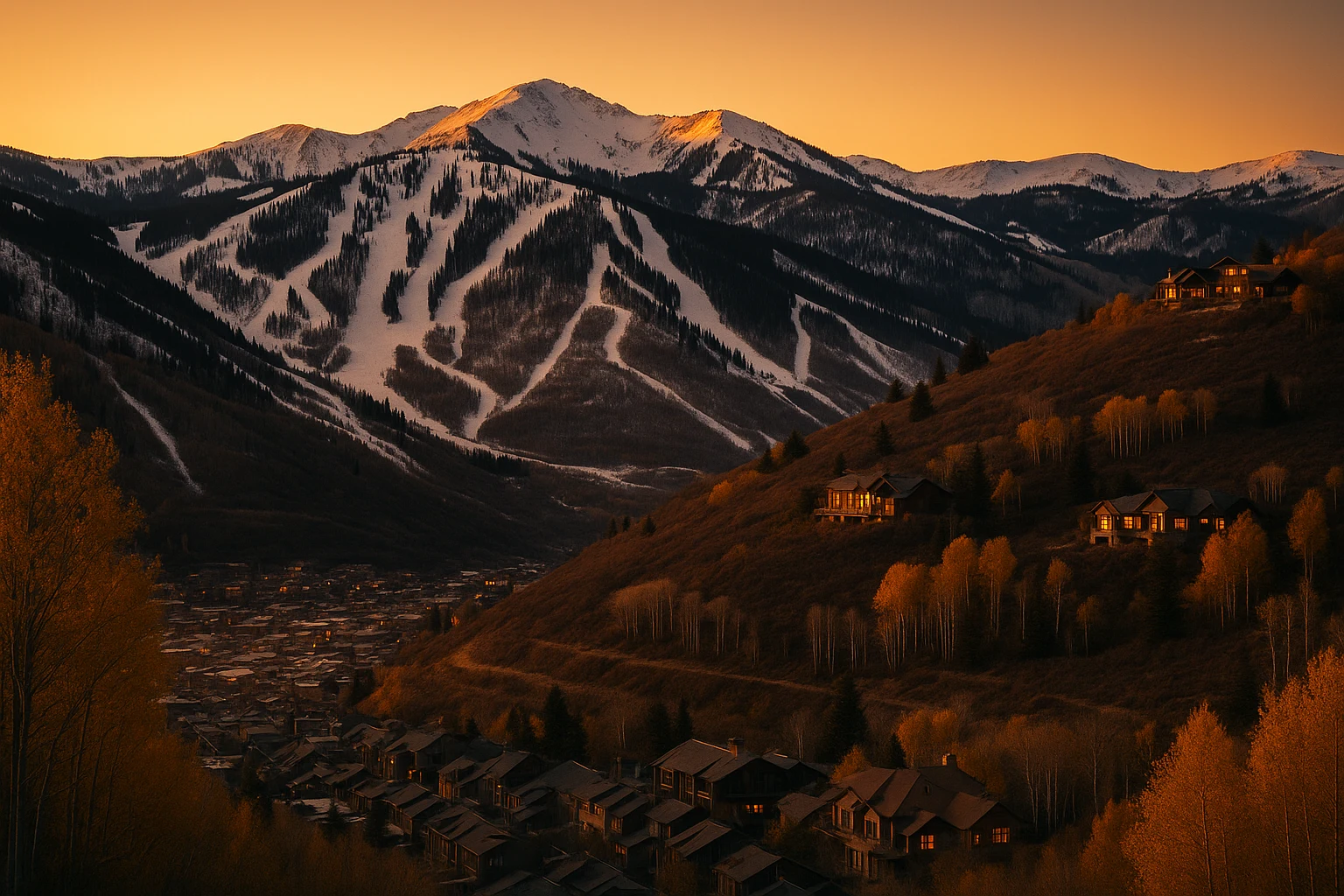
Live MLS listings, market trends, and neighborhood data for Utah's premier resort city and 2034 Winter Olympics host — updated continuously. Browse Park City homes for sale across 683 active listings, from Promontory's gated luxury estates and Empire Pass ski-in/ski-out condos to Old Town historic miner's cottages, with a median sale price of $2,100,000 in 2026.
September 2026
closed sales · last completed month
Heads up: this is last month's data.
Median sale price
$2,100,000
-6.7% YoY
Median days on market
47
+14 d YoY
Sale-to-list ratio
96.4%
-1.37pp YoY
Homes sold
85
-12 YoY
September 2026 snapshot
Park City, Utah housing market
Unsold inventory in Park City is asking $2,350,000 at the median, -34.93% year-over-year. Homes that closed sold at $2,100,000 — 96.4% of each home's final list price, going to contract in a median of 47 days.
Unsold inventory
683
active + pending
Homes in Park City that have not yet closed — includes Active, Pending, Active Under Contract, and Coming Soon. Pending is included because a deal under contract can fall through, so the home still counts as unsold inventory until it actually closes. Pulled live from the MLS.
New listings
104
in September 2026
Number of homes that came on the market during September 2026.
Median sale price
$2,100,000
85 sold
Middle sale price of homes that closed in September 2026. Median (not average) so luxury sales don't skew it.
Median list price
$2,350,000
current asking
Middle asking price across all unsold inventory right now (Active + Pending). Differs from median sale price because list = what sellers want, sale = what buyers actually paid.
Sale-to-list
96.4%
of final list
For each home that closed, closeprice ÷ its own final list price, averaged across the month. Over 100% = homes sold above asking (sellers' market), under 100% = below asking (buyers have leverage). Measures vs final list (post-reductions), not vs original asking.
Median days
47
on market
Median days a home spent listed before going under contract during September 2026. Lower = faster-moving market.
Data through September 30, 2026.
View full market report
→
Just listed
Latest in Park City
New Park City listings, straight to your inbox
We'll email you the moment a new one hits the MLS. Free, and you can stop anytime.
Neighborhoods
Explore Park City communities
SILVER CREEK
20 listings
· median $1,112,000
WALDORF ASTORIA
12 listings
· median $4,712,500
PIOCHE VILLAGE
9 listings
· median $524,900
JEREMY RANCH
8 listings
· median $2,073,611
RED PINE CHALETS CONDO
8 listings
· median $550,000
SILVER SPRINGS
7 listings
· median $2,300,000
POWDERWOOD AT LANDMARK
7 listings
· median $522,250
SUMMIT PARK
7 listings
· median $1,090,000
SILVER CREEK ESTATES
7 listings
· median $3,200,000
POWDERWOOD
6 listings
· median $442,250
DISCOVERY RIDGE PHASE 3 SUBDIVISION
5 listings
· median $2,350,000
SILVER CREEK VILLAGE
5 listings
· median $1,395,000
Nearby
Compare to other cities
| City | Unsold | Median list |
|---|---|---|
| Coalville | 44 | $817,000 |
| Kamas | 44 | $1,500,000 |
| Francis | 27 | $1,350,000 |
| Oakley | 25 | $650,000 |
| Wanship | 8 | $1,232,500 |
| Deer Valley | 8 | $5,387,500 |
| Snyderville | 4 | $1,067,000 |
| Marion | 3 | $1,548,500 |
About Park City
Living in Park City
Park City is Utah's premier resort city — population approximately 8,400 (2024 U.S. Census), but with a second-home and short-term-rental occupancy that effectively triples the resident base during peak ski and Sundance Film Festival seasons. Located 30-40 minutes east of Salt Lake City via I-80 in Summit County, Park City sits at roughly 7,000 feet elevation and receives an average of 360 inches of annual snowfall — making it one of the snowiest major resort destinations in North America. The city is anchored by two world-class ski resorts (Park City Mountain Resort and Deer Valley Resort), the Sundance Film Festival each January, and a historic Main Street that ranks among the best-preserved 19th-century mining towns in the American West.
Park City's real estate market operates on a different scale than any other Utah city. With a median sale price typically in the $1.5M-$2M+ range and average sale prices regularly exceeding $2.8M, the city functions as one of the country's premier luxury resort markets alongside Aspen, Jackson Hole, and Vail. The active listing count regularly runs near 800-900 homes — roughly 100x the active inventory per resident of valley cities — reflecting the city's heavy second-home and resort-rental orientation. Park City was a primary venue for the 2002 Winter Olympics and is again confirmed as a primary venue for the 2034 Winter Games (branded "Utah 2034"), with multiple events spread across Park City Mountain Resort, Deer Valley Resort, and the Utah Olympic Park. For an honest read on living here year-round, see our pros and cons of living in Park City guide.
Why Buyers Choose Park City, Utah
Park City's draw is the unusual combination of two world-class ski resorts, a historic 19th-century mining-town core, immediate Salt Lake City metro access, and 2034 Olympics-driven appreciation potential. The reasons buyers consistently pick Park City:
- Two world-class ski resorts and a confirmed expansion. Park City Mountain Resort (the largest ski resort in the United States by skiable acreage at 7,300 acres, owned by Vail Resorts and on the Epic Pass) plus Deer Valley Resort, now in the middle of the largest ski-area expansion in North America. After the 2025/26 Phase 1B opening, Deer Valley has 4,300+ skiable acres; full buildout reaches 5,700+ acres across 10 peaks with 37 lifts. The newly-opened East Village base area absorbed the former Mayflower Mountain Resort project — see the insider's guide to skiing at Park City Mountain for a deeper read on the mountain itself.
- Confirmed 2034 Winter Olympics primary venue. Park City Mountain Resort will host slopestyle, halfpipe, big air, and snowboard cross. Utah Olympic Park (just outside Park City) will host bobsled, luge, skeleton, ski jumping, and freestyle aerials. Deer Valley Resort will host moguls and aerials. The 2002 Games are widely credited with catalyzing the modern Park City real estate market; the 2034 Games are likely to drive 5-10 years of similar lift in national attention and demand.
- Sundance Film Festival. Each January, the largest independent film festival in the United States runs in Park City (with co-venues in Salt Lake City) for roughly 10 days. The festival has launched hundreds of indie filmmakers since 1978 and brings major Hollywood industry presence, significant short-term-rental and hospitality demand. Our Sundance Film Festival guide covers the cultural and practical sides for residents and visitors.
- Historic Main Street and Old Town. One of the best-preserved 19th-century mining-town commercial districts in the American West. The Town Lift puts skiers directly onto Park City Mountain Resort from the heart of Old Town — meaning some Old Town homes are genuinely "ski-walk" properties.
- Promontory Club. The city's signature private gated luxury community — 6,500 acres with three championship golf courses (Pete Dye Canyon at 7,690 yards, Jack Nicklaus Painted Valley at 8,098 yards, and The Hills Par-3), an Equestrian Center, fitness and wellness centers, private member lodges at both Deer Valley and Park City Mountain resorts, and custom executive homes ranging from $2M to $20M+.
- Park City School District. Small standalone city school district. Park City High School (the Miners) consistently ranks among Utah's top-rated public high schools.
- 30-40 minutes from a major metro. Park City is meaningfully closer to a major international airport (SLC, 35-45 min) than most U.S. ski-resort towns. Aspen, Jackson, and Vail are all 3-4+ hours from their nearest major airports.
- Strong year-round economy. Park City has substantial year-round resident, retail, dining, and service-employer infrastructure — unlike some ski-resort towns that effectively close after April, Park City operates as a working community 12 months a year.
- Substantial new luxury inventory in the pipeline. Deer Valley East Village, Velvaere, Marcella, Sommet Blanc, Residences at Extell Mountain, and the continued Promontory and Empire Pass buildout all add to the new-construction pipeline through the late 2020s.
Buyers who find Park City a weaker fit are usually those who want valley-city pricing (Park City's median is 3-4x most Wasatch Front cities), full-time-resident family-suburb scale, or year-round mild climate (Park City winters are long, snowy, and at altitude). Those buyers typically look to Heber City (20 min south, meaningfully more affordable), Midway (smaller Swiss-themed Wasatch Back village), or stay on the Salt Lake County side at Cottonwood Heights or Holladay.
Top Neighborhoods in Park City
Park City's neighborhoods sort into roughly four tiers: gated golf-and-luxury communities, ski-in/ski-out resort residences, historic Old Town and central Park City, and the broader Snyderville Basin / Jeremy Ranch area. Each tier carries very different price points, lifestyle, and use cases.
Gated Luxury & Golf Communities
- Promontory — the city's signature private gated community, 6,500 acres, multiple championship golf courses, exclusive clubhouses, Equestrian Center, private member lodges at both Deer Valley and Park City Mountain. Custom executive homes from $2M well into the $20M+ range. Among the most exclusive resort-area communities in North America. Promontory Vista Point and Northgate Canyon at Promontory are sub-communities within the larger development.
- The Colony at White Pine Canyon — among the most exclusive ski-in/ski-out residential enclaves in the U.S., with custom estates on multi-acre parcels overlooking Park City Mountain Resort. Many lots transact in the $5M-$30M+ range with the homes themselves often higher.
- Glenwild — long-established private golf community with the Tom Fazio-designed Glenwild Golf Course, custom executive homes, and a smaller, quieter feel than Promontory.
- Tuhaye — Mark O'Meara-designed Wasatch Back private golf community in the Jordanelle area, custom homes with valley views.
Deer Valley & Ski-In/Ski-Out
- Deer Valley East Village (newest) — major new luxury expansion of Deer Valley Resort opening in phases. The newly-opened East Village Express gondola (10-passenger D-Line) anchors the base area along with the Pinion Express and Galena express chairlifts. New ski-in/ski-out residences delivering through the late 2020s. The 2,900-acre former Mayflower Mountain Resort site is now part of this expansion.
- Empire Pass — the highest-elevation ski-in/ski-out luxury enclave at Deer Valley, with private chairlift access, custom estates, and the Montage Deer Valley luxury hotel anchoring the community.
- Velvaere — newer luxury private resort community with custom residences.
- Sommet Blanc — newer luxury development at Deer Valley with ski-in/ski-out residences.
- Marcella — newer luxury community in the Wasatch Back area.
- Lower Deer Valley & Snow Park — established mid-mountain and base-area residences, including Stein Eriksen Lodge and Goldener Hirsch Inn properties.
- Residences at Extell Mountain — new ski-in/ski-out luxury residences at the Mayflower/East Village expansion site.
- Four Seasons and Four Seasons Private Residences — luxury branded-residence options.
Historic Park City & Central Resort Core
- Old Town — the historic miner's cottage district along and adjacent to Main Street. Restored 19th-century housing stock, walkable to Town Lift (the chairlift that puts skiers directly onto Park City Mountain from town), restaurants, galleries, and the city's cultural core. Old Town homes carry strong premium pricing for their walkability and ski-access combination. For buyers debating Old Town pros and cons, see our living in Park City guide.
- Park Meadows — established family-and-second-home neighborhood between Old Town and the Deer Valley side, with the Park Meadows Country Club at its center.
- Aerie and Solamere — established ski-adjacent neighborhoods with foothill executive homes and trail access.
- Thaynes Canyon — established lower-mountain neighborhood with mid-tier resort housing.
- Prospector — central established neighborhood. Note: Prospector is in a zoning district that prohibits short-term nightly rentals — important consideration for investor buyers.
- Prospector Square Condominiums — established condo community in Prospector.
- The Ascent — newer condo and townhome community.
Snyderville Basin & Surrounding Communities
- Pinebrook — established planned community along the I-80 corridor, more accessible pricing than the resort core. Family-suburban character with mountain access and direct trail networks.
- Jeremy Ranch — established planned community with the Jeremy Ranch Country Club golf course. Family-stable demographics, more accessible pricing than the resort core.
- Summit Park — established planned community in the Snyderville Basin with wooded mountain character.
- Silver Creek and Silver Creek Village — established planned communities in the eastern Snyderville Basin.
- Silver Creek Estates — premium sub-community with larger lots.
- Newpark — mixed-use development with restaurants, retail, residential, and the Newpark Resort & Hotel.
- Cormont — established planned community.
- Bear Hollow and Bear Hollow Village — established planned communities near Utah Olympic Park.
- Pioche Village — established planned community.
- Links Edge — golf-course-adjacent community.
- Discovery Ridge — established planned community.
- Sage Hills Estates — established planned community.
- Park City Heights — workforce-housing-oriented planned community.
Citywide filter pages: luxury homes, new construction, condos, townhouses, golf-course homes, homes with mountain views, 5-bedroom homes. For a detailed look at the city's condo and rental-oriented inventory, see our 9 best Park City condo rentals comparison.
Park City Home Prices in 2026
- Median sale price: $2,100,000 (last completed month)
- Median time on market: 47 days
- Sale-to-list ratio: 96.4%
- Active listings: 683 homes available
Park City's market is the highest-priced of any Utah city by a wide margin — the metro median is typically in the $1.5M-$2M range, with average sale prices regularly exceeding $2.8M because the upper-tier luxury transactions (Promontory, Colony at White Pine, Empire Pass, Deer Valley East Village) skew the mean significantly. Sale-to-list ratios run noticeably lower than Wasatch Front valley cities (typically 95-97% rather than 99%+), reflecting the higher negotiation patterns of luxury and second-home buyers. The active inventory dramatically exceeds the resident population, reflecting the city's heavy second-home and luxury-rental orientation.
Pricing tiers span an unusually wide range:
- Entry tier ($600K-$1.2M): condos in the Snyderville Basin (Pinebrook, Jeremy Ranch, Silver Creek), older Prospector and Snow Park studios, and some workforce-housing options at Park City Heights.
- Mid tier ($1.2M-$2.5M): single-family homes in Pinebrook, Jeremy Ranch, Park Meadows, and the broader Snyderville Basin, plus mid-mountain condos at Deer Valley and Park City Mountain.
- Upper tier ($2.5M-$5M): larger family-style homes throughout the resort core, premium condos at the major resort base areas, established Old Town historic homes, and entry-level Promontory and Glenwild homes.
- Luxury tier ($5M-$15M): custom Promontory estates, premium ski-in/ski-out residences at Deer Valley, Empire Pass condos and townhomes, custom Colony of White Pine entry-level estates.
- Ultra-luxury ($15M+): Colony at White Pine Canyon estates on multi-acre parcels, premium Empire Pass and Deer Valley East Village ski-in/ski-out residences, signature Promontory estates.
For investor and second-home buyers, see our essential insights before investing in Park City real estate guide. For current monthly market trends, see navigating the Park City real estate market.
Why Zillow estimates can miss the mark here
Utah is one of a small handful of non-disclosure states — actual sale prices are not made public. For Park City specifically, this combines with the wide architectural and lot-size range (a 1985 Park Meadows condo, a 2024 Deer Valley East Village ski-in/ski-out residence, and a 2018 Promontory custom estate on a 2-acre lot can all sit within the same general MLS data set) to make algorithmic estimation particularly unreliable. A local-agent comparative market analysis from the free home valuation page with deep Park City inventory knowledge is meaningfully more accurate than any algorithm. For luxury-tier valuations, comparable-sales analysis is even more dependent on local expertise — many ultra-luxury transactions don't show up in MLS data at all.
Park City Mountain Resort, Deer Valley, and the Expansion Story
Park City's identity is inseparable from its two ski resorts, and the past three years have been a transformative period — the most consequential ski-area expansion in North America in decades is wrapping up in phases right now.
Park City Mountain Resort
The largest ski resort in the United States by skiable acreage at 7,300 acres, owned by Vail Resorts. On the Epic Pass. Allows snowboarders (unlike Deer Valley, which is ski-only). Multiple base areas including:
- Town Lift — directly off Main Street in Old Town, the historic ski-access lift that puts skiers onto the mountain from downtown.
- Park City Mountain Village — the main resort base with the Cabriolet, lodging, restaurants, retail.
- Canyons Village — the western base area with Westgate Resort, restaurants, and the Canyons golf course in summer.
For a deeper read on the resort itself — terrain, lift system, dining, lodging — see our insider's guide to skiing at Park City Mountain Resort.
Deer Valley Resort and the East Village Expansion
Deer Valley is the luxury ski-only resort (no snowboards), consistently ranked #1 in North America by Ski Magazine reader surveys for its grooming, on-mountain dining, ski-valet service, and overall guest experience. The most significant change to Park City's ski landscape in decades has been the Deer Valley Expanded Excellence project — what was originally announced as the standalone Mayflower Mountain Resort (started 2019 by Extell Development) was consolidated in August 2023 as Deer Valley's eastern expansion, with Alterra Mountain Group operating the resort and Extell continuing to develop the residential and hospitality components.
The expansion is rolling out in phases:
- Phase 1A (December 2024): 3 new lifts, 21 new runs, ~300 additional acres opened.
- Phase 1B (2025/26 ski season — currently operating): 7 additional chairlifts including the flagship East Village Express (a 10-passenger D-Line gondola), the Pinion Express (D-Line detachable six-pack), the Galena Express (D-Line quad), and several more Uni-G quads. Approximately 80 new ski runs. The East Village base area opened with 1,200+ new day-skier parking spaces.
- Phase 2 (2026/27): Additional terrain on Hail Peak.
- Final phases (late 2020s): Additional development on South Peak. Total buildout target: 5,700+ skiable acres across 10 peaks, served by 37 total lifts (up from 21 pre-expansion).
The development includes a major village core with luxury hotels, over 1,000 private residences (the Residences at Extell Mountain, Sommet Blanc, Velvaere, Marcella, and others), and a walkable shopping-and-dining district. For a comparison of Park City's ski offering to other top North American resorts, see our Park City vs. Vail comparison.
Utah Olympic Park
The 400-acre year-round Olympic training facility 5-10 minutes west of Park City sits at 7,300 feet elevation. It hosted bobsled, luge, skeleton, ski jumping, and freestyle aerials during the 2002 Winter Olympics and will host the same events during the 2034 Games. Year-round visitor activities include bobsled rides (summer wheel-bobsled, winter ice), ski-jump observation, Olympic-venue tours, and the Alf Engen Ski Museum.
Promontory Club: Inside Park City's Most Exclusive Gated Community
Promontory is Park City's signature private gated luxury community and one of the country's most-recognized resort-area private clubs. Spanning roughly 6,500 acres, the community combines residential real estate with one of the deepest amenity packages in any U.S. resort-club setting.
Golf
- Pete Dye Canyon Course — the signature Pete Dye-designed championship course, 7,690 yards with six sets of tees. Members-only. Golf Digest has ranked it #2 in Utah.
- Jack Nicklaus Painted Valley Course — Jack Nicklaus signature design, par 72, 8,098 yards from the championship tees. Often regarded as the most demanding golf course in Utah. Golf Digest has ranked it #3 in Utah.
- The Hills Par-3 Course — a more casual nine-hole par-3 layout adding family-and-beginner-friendly golf access.
Clubhouses, Equestrian, and Lodging
- The Dye Clubhouse — anchored by The Hearth Grille, the Golf Shop, the Dye Lounge, and the Dye Library.
- The Nicklaus Clubhouse — anchored by the Nicklaus Fitness Studio, the Golf Shop at the Nick, and The Peak Restaurant and Lounge.
- The Equestrian Center — full-service equestrian facility with stables, riding rings, and trail access through the surrounding open space.
- Private member lodges at Deer Valley and Park City Mountain — Promontory members have access to private clubhouses at both ski resorts, eliminating the need for separate ski-base lodging when on the mountain.
- Kid's Cabin — dedicated children's programming facility.
- Spa and wellness center — full-service spa, fitness center with current equipment, and wellness programming.
Real estate at Promontory ranges from condo and townhome residences (entry tier from ~$2M) to custom estates on multi-acre parcels in the $5M-$20M+ range. The community's gated security and member-only amenities make it a frequent choice for high-profile owners who want a level of privacy uncommon in even high-end resort settings. Browse Promontory listings for current inventory.
Schools and Higher Education
Park City is served by the Park City School District — a small standalone city district covering Park City and immediate surrounding areas. The district operates:
- Park City High School — the Miners, ~1,100 students. Consistently ranks among Utah's top-rated public high schools, with strong AP programming, athletic excellence (notably Nordic skiing and football), and rigorous academic offerings.
- Treasure Mountain Junior High School — the city's main junior high.
- Ecker Hill Middle School — additional middle-school option in the Snyderville Basin.
- Four elementary schools — Jeremy Ranch Elementary, Trailside Elementary, Parley's Park Elementary, and McPolin Elementary.
For families preferring private school, The Park City Day School (K-8 independent, on a wooded campus in Park City) and Soaring Wings Montessori are the local independent options. The Colby School in Pinebrook is another well-regarded smaller option.
At the post-secondary level, the University of Utah is 30-40 minutes west; Westminster University in Salt Lake City is similar; Salt Lake Community College has multiple campuses within 30-45 minutes.
Crime and Safety
Park City consistently reports among the lowest crime rates of any U.S. ski-resort town and any Utah city. The city's per-capita FBI Uniform Crime Reporting numbers sit well below the national average for cities its size; residential safety is consistently strong across all neighborhoods. The combination of small permanent-resident population, high security visibility, and economic profile of the area all contribute. Sundance Film Festival week and major holiday periods bring temporary spikes in traffic, parking issues, and minor public-order calls (largely tied to the visitor influx rather than residential safety), but the residential-incident pattern remains exceptionally low year-round.
Healthcare
- Park City Hospital (900 Round Valley Dr) — Intermountain Health's full-service Summit County hospital. Emergency, surgical, women's, and orthopedic-sports-medicine specialty (the latter unusually strong given the ski-injury volume).
- University of Utah Health Park City Office — specialty outpatient services and primary care.
- Intermountain Medical Center (Murray, 40-50 min west via I-80) — flagship Intermountain hospital and only Level I trauma center and Comprehensive Stroke Center in Utah for tertiary specialty care.
- Heber Valley Hospital (in Heber City, 20 min south) — full-service hospital for Wasatch County residents and Heber-side Park City residents.
The 2034 Winter Olympics: Venues and Real Estate Implications
Park City is confirmed as a primary venue for the 2034 Winter Games (branded "Utah 2034" since November 2025). The specific venue assignments:
- Park City Mountain Resort — slopestyle, halfpipe, big air, and snowboard cross competitions.
- Utah Olympic Park (just west of Park City) — bobsled, luge, skeleton, ski jumping, and freestyle aerials. The Utah Olympic Park Track is one of the world's premier sliding venues, having hosted World Cup events continuously since 2002.
- Deer Valley Resort — moguls and aerials competitions.
Beyond Park City proper, the broader 2034 Games will use:
- Snowbasin Resort (above Ogden, 1+ hour north) — alpine skiing (downhill, super-G, combined), same as 2002.
- Salt Lake City and West Valley City venues — figure skating, ice hockey, short track speed skating, curling, opening/closing ceremonies.
For homebuyers, the Olympic implications are real. The 2002 Games are widely credited with catalyzing the modern Park City real estate market — the 5-10 year run-up and immediate post-Games window saw substantial price appreciation. Historic ski-resort-host patterns globally suggest 5-10% above-trend price appreciation in the 3-5 year pre-Games window, with continued meaningful national attention through the 4-6 years after. Buyers planning to be in Park City through the 2030-2036 window should consider the Olympic cycle as a meaningful tailwind.
Sundance Film Festival and Cultural Anchors
The Sundance Film Festival has been Park City's signature January event since 1981, when the festival relocated from Salt Lake City to Park City and Robert Redford's involvement transformed it into the largest independent film festival in the United States. The 10-day festival each January brings major Hollywood and indie-film industry presence, premieres for hundreds of films each year (many of which subsequently win major awards), and significant short-term rental and hospitality demand — Sundance week is typically the highest-rate week of the year for Park City rental properties.
Beyond Sundance, Park City supports a full cultural calendar:
- Egyptian Theatre on Main Street — historic 1926 theater, year-round film and theatrical programming.
- Park City Museum — the city's main historical museum, focused on the silver mining heritage.
- Kimball Art Center — visual arts center hosting exhibitions, classes, and the annual Park City Kimball Arts Festival each August.
- Park City Performing Arts Foundation — operates the Eccles Center for the Performing Arts on the High School campus, hosting touring productions year-round.
- Park City Institute — concert and lecture series.
- Big Stars Bright Nights — free summer concert series in City Park.
Short-Term Rental Investment: What Buyers Need to Know
Park City is one of the country's most active short-term rental (STR) markets, with the combination of two major ski resorts and the Sundance Film Festival driving substantial nightly-rental demand. For investor buyers and second-home owners considering rental income, the regulatory environment is meaningful:
- Licensing requirement. Every property operating as a nightly rental inside Park City limits must obtain a Nightly Rental License from the Park City Finance Department (Municipal Code Sections 4-2-1 and 4-5-3). Properties outside Park City limits in unincorporated Summit County must apply through the Summit County Clerk.
- Zoning restrictions are real. Park City limits nightly rentals to specific zoning districts. The strongest opportunity zones are around the resort areas — particularly Old Town and Canyons Village. The Prospector zone explicitly prohibits nightly rentals. Other zones permit nightly rentals only with conditional use permits or specific approvals.
- Tax obligations. Sales tax (4.85%) plus Transient Room Tax (up to 4.25%) apply to stays under 30 days, calculated on the total rental amount including cleaning and service fees. STR operators are responsible for collecting and remitting these taxes.
- Inspection and approval process. The Nightly Rental License application typically requires 15-30 days for inspections and approval. Properties must meet safety and code requirements.
- HOA restrictions. Even where zoning permits nightly rentals, individual HOAs and condo associations may restrict or prohibit them. Reviewing CC&Rs and HOA rental policies for any condo or planned-community property before purchase is critical for investor buyers.
- Noise rules. Most listings must comply with quiet hours (typically 10 p.m. to 7 a.m.). Park City takes nightly-rental compliance seriously — enforcement is proactive, using monitoring software to identify unlicensed listings.
For buyers prioritizing nightly-rental income, Old Town condos, Canyons Village condos, ski-in/ski-out Deer Valley East Village and Sommet Blanc residences, and select Snyderville Basin condo communities tend to deliver the strongest combination of nightly demand and permitting compatibility. For a deeper read on the investor calculus, see our essential insights before investing in Park City real estate guide.
Food, Dining, and Shopping
- Historic Main Street — the city's restored 19th-century commercial spine, with restaurants including High West Distillery (Utah's only ski-in saloon and craft-whiskey distillery), Riverhorse on Main, No Name Saloon, 350 Main, Fletcher's Park City, Wahso, Vinto, plus the Egyptian Theatre, galleries, and boutiques.
- Park City Mountain Village and Canyons Village — ski-resort base village dining including Edge Steakhouse and Murdock's at Canyons.
- Deer Valley Resort dining — exceptional on-mountain dining including The Mariposa (the seasonal fine-dining destination), Royal Street Cafe, and Stein Eriksen Lodge's Glitretind Restaurant. Deer Valley's culinary reputation is one of the resort's signature differentiators.
- Newpark Town Center — mixed-use commercial district near the I-80 corridor.
- Kimball Junction — major commercial node at the I-80 / SR-224 interchange with restaurants, retail, Whole Foods.
- Deer Valley East Village — the new village core is building out its commercial inventory with continued restaurant, retail, and hotel additions through the late 2020s.
Public Transportation and the Commute
Park City operates an extensive free city bus service connecting the resort core to neighborhoods, ski-resort base areas, and the I-80 corridor. UTA's ski-bus and connector services link Park City to Salt Lake City during ski season for visitor-and-employee transit.
Off-peak drive times from central Park City:
- Salt Lake City International Airport: 35-45 min west via I-80
- Downtown Salt Lake City: 30-40 min west
- Heber City: 15-20 min south on US-40
- Midway: 20-25 min south
- Jordanelle Reservoir: 10-15 min south
- Sundance Resort (Provo Canyon): 45-60 min south via US-189
- Snowbird / Alta (via I-80 + Big Cottonwood): 60-75 min west
- Provo: 50-60 min south via US-189
Family Life and Recreation
Park City's recreation calendar is genuinely year-round — winter sports dominate December through April, but the summer and fall seasons are increasingly recognized as among the best in the Mountain West:
Winter
- Skiing and snowboarding at Park City Mountain (7,300 acres, on Epic Pass).
- Ski-only luxury skiing at Deer Valley (4,300+ acres post-Phase-1B expansion, on Ikon Pass for connecting passes).
- Nordic skiing at White Pine Touring Center and the Utah Olympic Park cross-country complex.
- Snowshoeing throughout Round Valley and the Bonneville Shoreline Trail extensions.
- Olympic-venue sliding sports at Utah Olympic Park (year-round bobsled and luge rides).
Summer and Fall
- Mountain biking — Park City is one of the country's premier mountain-biking destinations, with 400+ miles of trails accessible from the resort core. The IMBA Gold-Level designated trail network includes Mid-Mountain, Round Valley, Deer Valley downhill park, and the Park City Mountain bike park.
- Road cycling — extensive paved-road network with significant climbs up Guardsman Pass, into the Mirror Lake Highway corridor, and through the Wasatch Back.
- Hiking — Round Valley trail system, the Bonneville Shoreline Trail, Mid-Mountain Trail, and longer routes into the High Uinta Wilderness.
- Jordanelle Reservoir — 15-20 minutes south for boating, paddle-boarding, swimming, and lakeside camping at Jordanelle State Park.
- Park City Kimball Arts Festival — major three-day arts festival in August on Main Street.
- Park City Food & Wine Classic, Park City Beer Festival, and similar annual events.
- Park City Library, Park City Recreation Center, Quinn's Junction Sports Complex — community amenities.
Climate, Elevation, and Daily Life Considerations
Park City sits at roughly 7,000 feet elevation in the city center, with neighborhoods ranging from ~6,500 feet (lower Snyderville Basin) to 8,000+ feet (Empire Pass and the upper-mountain Deer Valley residences). The elevation has real daily-life implications buyers should weigh:
- Snowfall: ~360 inches annually (about 30 feet / 9 meters) — among the snowiest major resort destinations in North America. Snow is the city's primary brand asset; it's also a real winter-driving, snow-removal, and home-maintenance consideration.
- Winter temperatures: daytime highs in December-February typically 25-35°F; nighttime lows 5-20°F. Cold spells can drop below zero for short stretches. Plowing, snow-blower maintenance, and heated walkways/driveways are common Park City home features.
- Summer temperatures: daytime highs in July-August typically 80-87°F; nighttime lows 50-58°F (no air conditioning needed in most homes due to the cooler nights — though many newer homes have it).
- Spring and fall: generally short transitional seasons. "Mud season" between ski-resort closing (mid-April) and summer recreation opening (late May) is real — many restaurants and businesses close for a few weeks.
- Altitude acclimation: visitors from sea level often experience mild altitude effects (sleeplessness, hydration sensitivity) for the first few days. Long-term residents adapt fully but the altitude is genuine.
- Air quality: Park City's elevation and prevailing wind patterns mean the city escapes most of the Salt Lake Valley winter-inversion air quality concerns — Park City's air quality is generally clean year-round.
- Wildfire: the surrounding mountains carry wildfire risk in dry years; many Park City homes have insurance considerations and defensible-space requirements buyers should understand.
Growth and Future Outlook
Park City and the broader Summit County area continue to grow steadily through new luxury development (Deer Valley East Village is the headliner, with continued residential delivery through the late 2020s), Promontory and Empire Pass infill, and the broader Snyderville Basin continued buildout. Per the Kem C. Gardner Policy Institute, Summit County is projected to grow steadily through 2050, driven by:
- 2034 Winter Olympics demand pulse — likely to drive meaningful price appreciation in the 2027-2032 pre-Games window and continued attention 2-4 years post.
- Deer Valley expansion completion — final phases through the late 2020s, with the Hail Peak (2026/27) and South Peak phases adding additional residential and skiable terrain.
- Continued affluent in-migration — remote-work-enabled relocations from coastal markets continue to favor Park City for its combination of outdoor amenity, airport proximity, and tax climate (Utah has a flat 4.55% state income tax, no estate tax, and no inheritance tax).
- Heber Valley spillover — adjacent Heber City and Midway continue to grow as more-accessible-priced alternatives to Park City, with Mayflower/Deer Valley East Village further blurring the geographic line.
For buyers thinking 5-10 years out, Park City offers an unusual combination of mature resort-luxury character with continued meaningful growth tailwinds. The metro is not slowing down — the question is more about which specific neighborhood or development captures the most of the next decade's appreciation, and the answer depends heavily on the buyer's specific use case (primary residence vs second home vs investment).
The Bottom Line
Park City is the right fit for buyers who want world-class ski-resort proximity (Park City Mountain Resort and Deer Valley, the largest and most-acclaimed mountains in the U.S. when fully built out), the cultural cachet of Sundance Film Festival, 2034 Winter Olympics-driven appreciation potential, and a unique combination of historic-mining-town character with luxury second-home market depth. Buyers willing to accept resort-city pricing, the seasonal-tourism rhythms, and the altitude/snowfall tradeoffs get an unmatched combination of mountain lifestyle, amenity access, and tax-climate advantage.
Buyers wanting accessible Wasatch Front pricing or year-round-resident family-suburb character typically find better fits in surrounding cities. Compare with Heber City (more affordable Wasatch Back, 15-20 min south, full-time-resident family character), Midway (charming Swiss-themed Wasatch Back village), Coalville (Summit County rural, more accessible), and the broader Heber Valley corridor. For Salt Lake Valley alternatives with closer-than-most ski-resort access, see Cottonwood Heights (Big and Little Cottonwood Canyon mouth) and Sandy (15-25 minutes from Alta/Snowbird via Little Cottonwood).
For a free, accurate Park City home valuation, request a local-agent CMA. The filter sidebar below collects every active price, property-type, lifestyle, and feature filter for Park City — browse by what matters most to your search.
For deeper context on relocating, investing in, or visiting Park City, see our long-form guides: pros and cons of living in Park City, living in Park City, navigating the Park City real estate market, essential insights before investing in Park City real estate, Park City vs. Vail, insider's guide to skiing at Park City Mountain Resort, Sundance Film Festival guide, 9 best Park City condo rentals compared, interior design for Park City homes, planning your Park City mountain home with 3D design tools, and Heber vs. Park City comparison.
The MLS data on this page is sourced from the Regional Multiple Listing Service and refreshed every 15 minutes; information is deemed reliable but not guaranteed and should be independently verified. Census figures from U.S. Census Bureau 2024 estimates. 2034 Winter Olympics venue confirmation per IOC and Utah 2034 communications. Park City Mountain Resort skiable acreage per Vail Resorts. Deer Valley Resort expansion figures per Alterra Mountain Group and Deer Valley Resort communications (2025/26 trail map). Deer Valley ranking per Ski Magazine reader surveys. Promontory Club amenities per Promontory Club. Short-term rental regulations per Park City Municipal Code Sections 4-2-1 and 4-5-3. Snowfall figures per Park City Mountain Resort and Utah Olympic Park historical data.
Local expertise
Move forward with a Park City expert
Best Utah Real Estate isn't a directory — we're licensed agents who live and work in Park City. Get pricing context that goes beyond the median, schedule tours on your timeline, and have a local who knows the neighborhood walk every step with you.