How Noisy Is That Home? What Buyers Should Check Before Buying
Buyers rarely check how noisy a home is until after moving in. Learn when to visit, what to look for, and how to measure decibel levels before making an offer.
Buyers obsess over square footage, schools, light and the kitchen. Very few spend five minutes on something they'll live with every single day: how noisy the home actually is. A quiet open house on a Sunday afternoon tells you almost nothing about Friday night, rush hour or the neighbour's dog — and noise is one of the most common regrets people mention after moving.
Why noise is easy to miss
Viewings are scheduled at convenient times, usually daytime, usually when the seller has made sure everything is calm. The highway that hums at 7 a.m., the flight path that kicks in at dinner, the bar two streets over at midnight, the thin shared wall in a townhouse — none of these show up on the listing photos. Buyers in growing areas like West Jordan or West Valley City should pay special attention to nearby roads and commercial areas.
What to check before you commit
Visit at different times. Drop by at rush hour, in the evening and, if you can, on a weekend night.
Look for the sources. Highways, rail lines, airports, schools, bars, sports fields, commercial loading areas — check a map, not just the street view.
Listen inside with windows closed and open. Window quality makes an enormous difference.
Check shared walls and floors in condos and townhouses. Ask what's on the other side of the bedroom wall.
Talk to the neighbours. They'll usually tell you honestly what the street sounds like.
Put a number on it
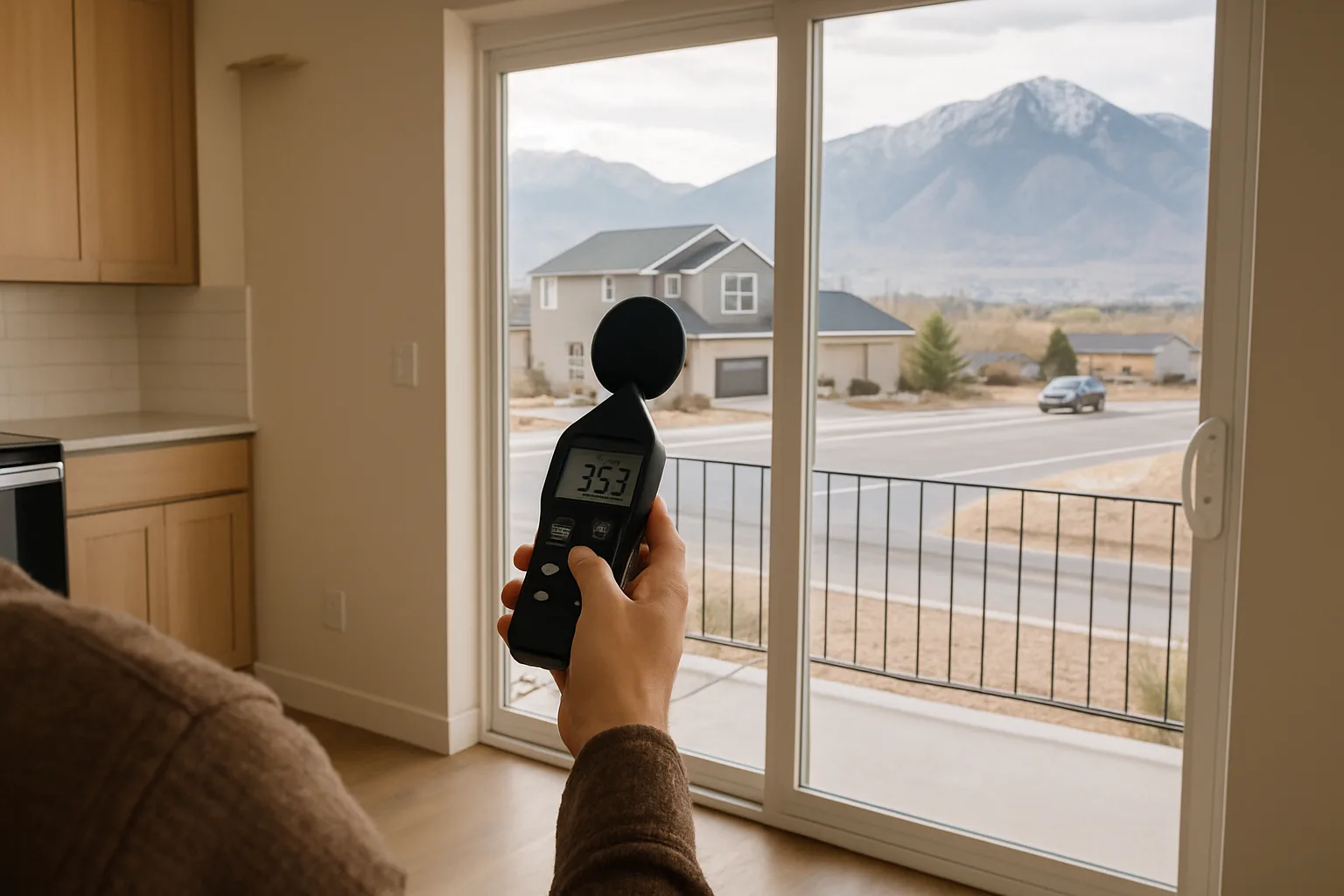
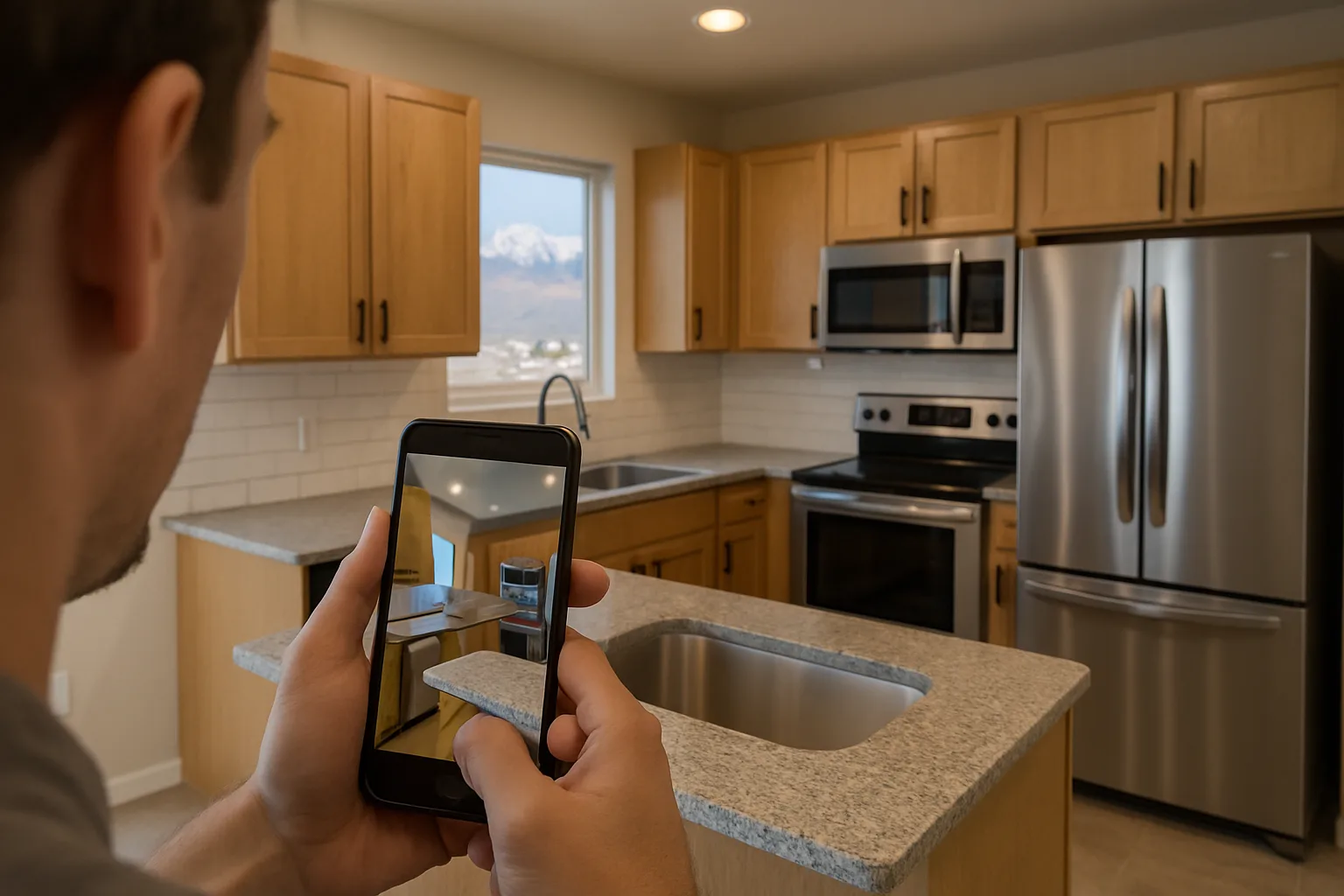
Impressions are subjective — what feels "a bit noisy" to one person is unbearable to another. Measuring gives you something concrete to compare between homes. Your phone can do it: a browser-based meter estimates the sound level in decibels in seconds, no app needed. For a step-by-step approach to recording levels at different times and comparing them, it's worth following a guide on how to measure neighbor noise properly rather than taking a single reading.
As a rough guide, many people find a bedroom comfortable for sleep around 30–35 dB, while 50 dB and above at night is noticeable and disruptive for light sleepers.
If it's noisy but you love the home
Noise isn't always a deal-breaker. Upgraded windows, solid-core doors, rugs and heavy curtains, sealing gaps, and moving the bedroom to the quiet side of the house can all help. Some modern home upgrades double as soundproofing. But it's far better to know the cost before you make an offer than to discover it after you've moved in.
The takeaway
Give noise the same attention you give the kitchen. A couple of visits at the wrong times and a few quick decibel readings can save you from the one problem no renovation fully fixes. Weigh it alongside other costs, like the real cost of a longer commute.
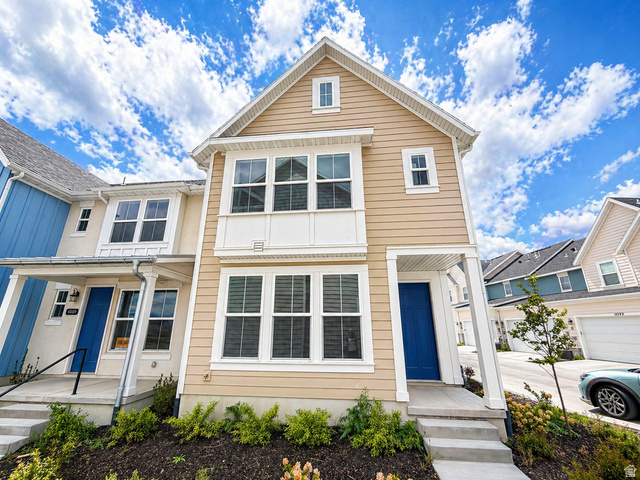
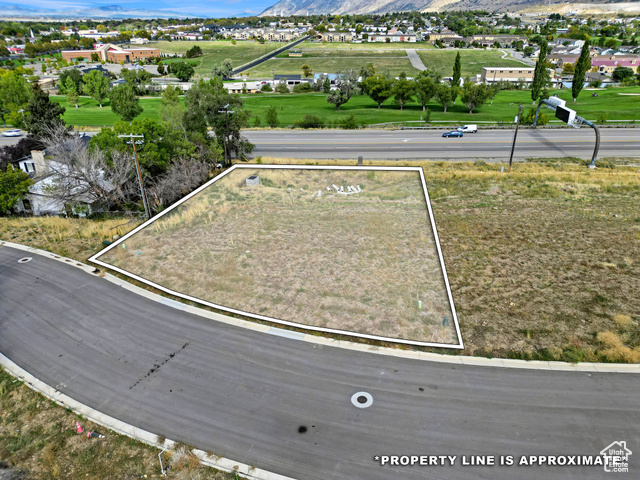
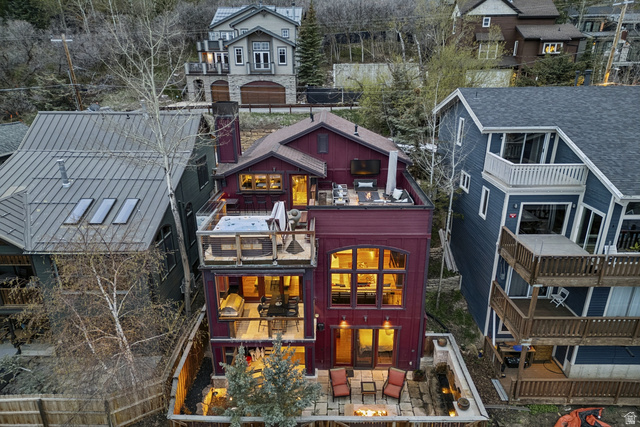
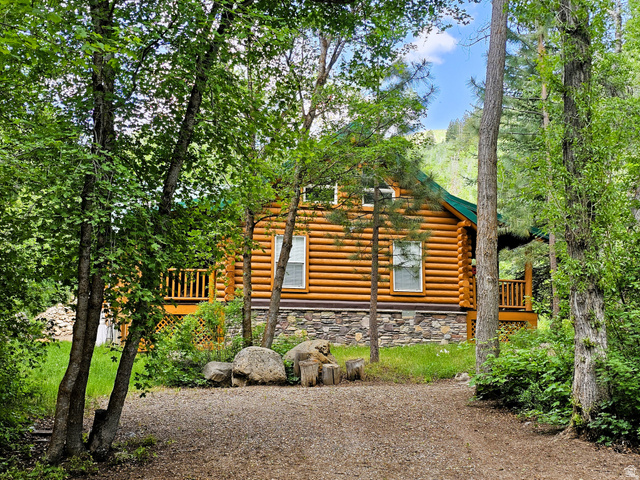
Featured Properties










































































































Frequently asked questions
How can I check how noisy a house is before buying?
What decibel level is too loud for a bedroom?
Can I measure home noise with my phone?
How can I reduce noise in a house I already love?
Are townhouses and condos noisier than single-family homes?
Keep reading
More from the blog

Your Utah Cost Segregation Questions, Answered!
Photos of Your Utah Rental Are Worth Money at Tax Time

Utah Homeowners Insurance Costs in 2026: What Buyers Should Budget