Your Utah Cost Segregation Questions, Answered!
Answers to common Utah cost segregation questions, from look-back studies and condos to renovations, the $2,500 safe harbor, and comparing providers.
Your Utah rental property could be working harder for you at tax time. A cost segregation study intends to accelerate eligible depreciation deductions, reducing income taxes and thereby freeing up cash for renovations, reserves, or your next investment.
Whether you own a Salt Lake City duplex, a Park City condo, or a St. George short term rental, those benefits deserve a closer look. Understanding how your purchase, renovations, and existing depreciation fit together helps your CPA identify opportunities to make the most of your deductions for 2026 filing.
Is it too late to use the depreciation from a rental bought years ago?
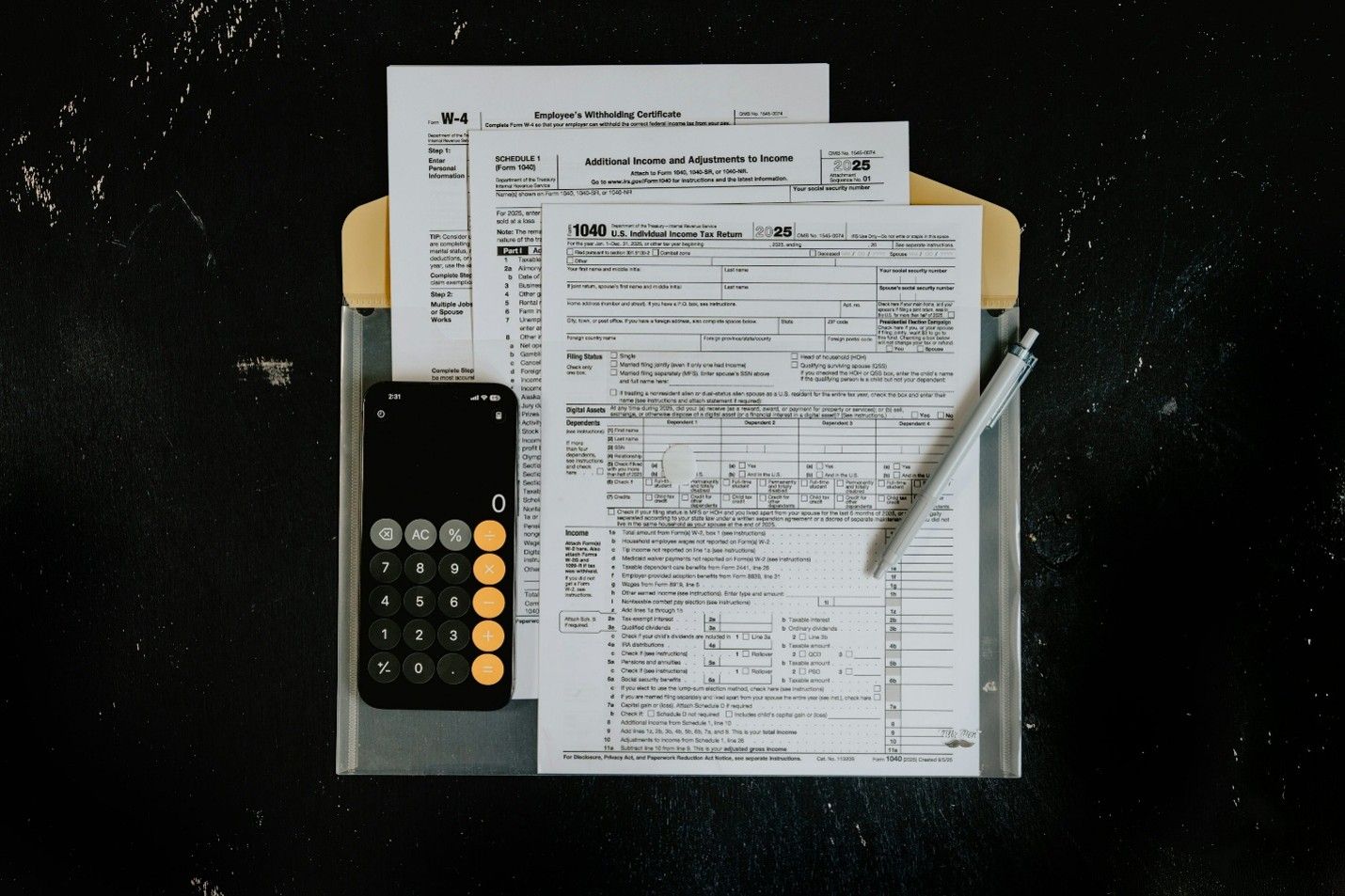
Good news! An older rental may still be a candidate for a “look-back” cost segregation study. When a change to an established depreciation method is needed, your CPA will use Form 3115 and a section 481(a) adjustment to account for any missed depreciation since the initial purchase & placed in-service date. Your Cost Seg study provider can then reconcile the cost seg study with your existing depreciation schedule to avoid double counting and ensure accuracy.
Does a Condo typically perform well in a Cost Seg Study?
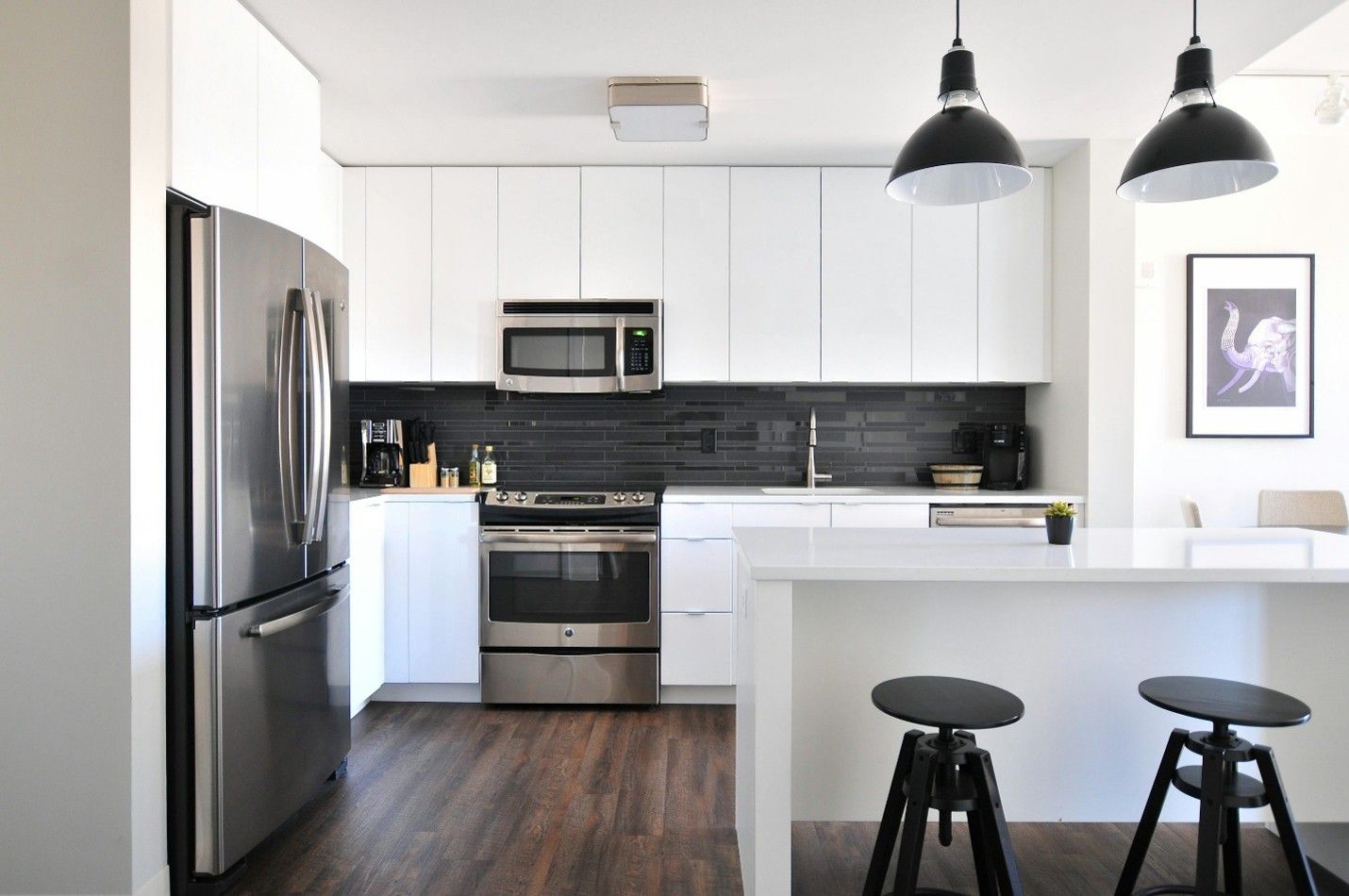
Yes! Condos can be excellent candidates, with valuable deductions packed into a smaller footprint. Appliances, carpeting, window treatments, and qualifying specialty electrical and plumbing can all contribute to personal property (5-year) allocations. Furnished rentals may offer additional opportunities. Because land is shared among units, a condo may also have a smaller (or even zero) land allocation, leaving much more, or all, of the purchase price available for depreciation.
Should renovations be finished before engaging a cost seg provider?
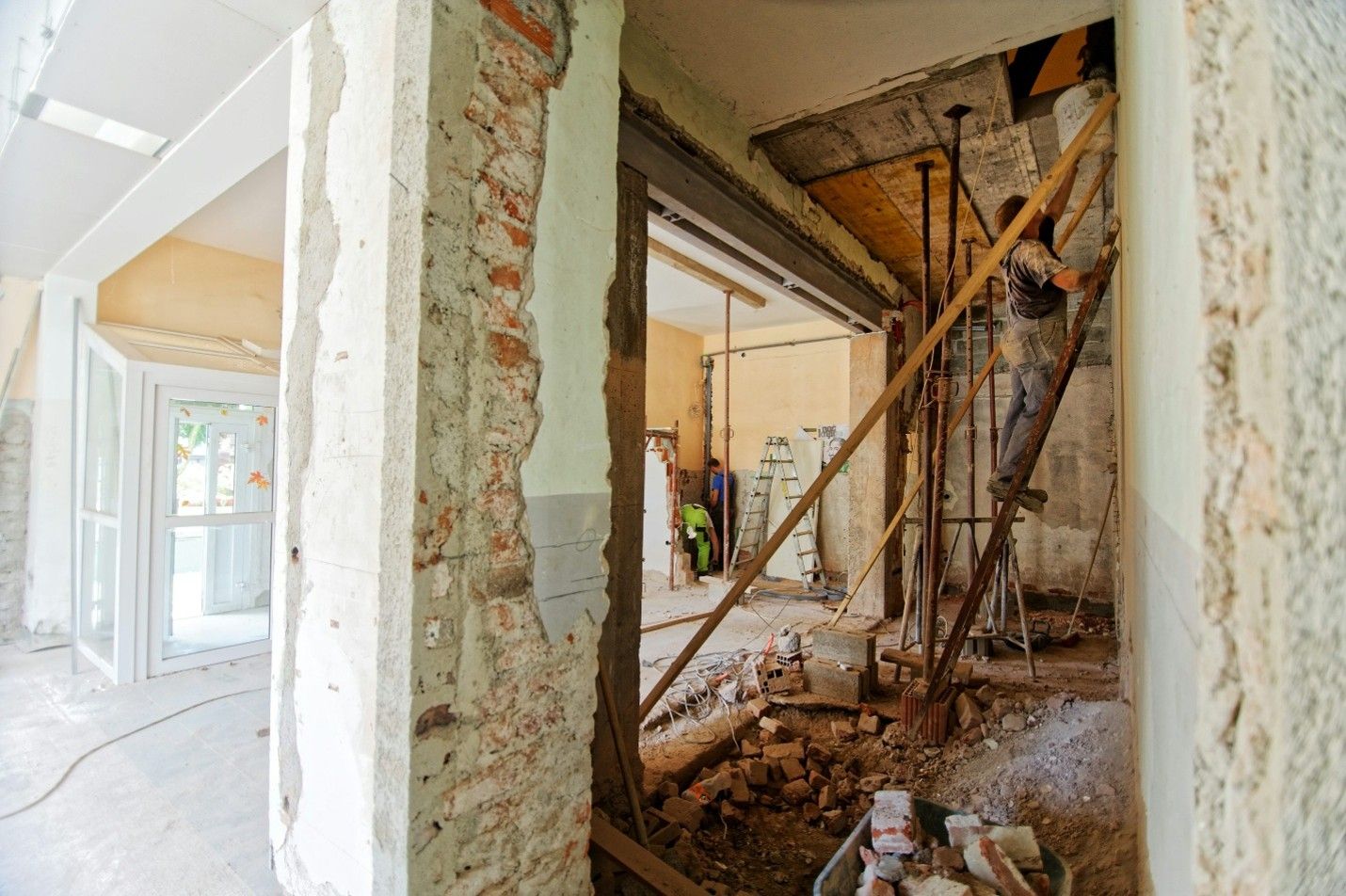
Many cost segregation providers encourage conducting the study before renovation and then updating after reno to ensure nothing is missed. Document the original condition before demolition or replacement whenever possible. Otherwise, a later walkthrough may show only the new kitchen or flooring, making the original acquisition harder to reconstruct.
Keep later improvements separate, with dated invoices, descriptions, labor costs, and photos. The original purchase and subsequent work are different costs that need reconciliation. Ask the provider how additions made after report delivery will be classified and whether updates are included in the engagement, many reputable providers will not charge for future improvements.
Do I need to include all of my improvements or can I leave out receipts under $2,500?
The de minimis safe harbor permits expensing qualifying costs up to $2,500 per invoice or item, rather than including them in the cost segregation, but receipts should still be retained under IRS guidelines.
Your CPA should review purchases and any larger project it belongs to. Costs under $2,500 properly expensed should also not appear in the cost seg study’s depreciable basis.
Why do two Cost Seg providers produce different estimates?
First compare the inputs: purchase basis, land allocation, included improvements, recovery-period categories, and tax assumptions. For example, a proposal using a smaller land allocation may show more accelerated depreciation without identifying more qualifying assets.
Then compare methodology, inspection evidence, report detail, CPA coordination, and written audit-support terms. Ask for a redacted sample report. A higher preliminary number does not establish a stronger study, and estimates are not guaranteed final results.
Which cost seg providers serve Utah rental owners?
There are several quality and engineering-based cost seg providers in Utah that have expertise with small rental properties, including firms like Capital Valuation Group, SegPro Solution, and SMF Cost Segregation Advisors. In particular, SMF provides cost segregation studies throughout Utah and specializes in single family rentals, short term rentals, condos, townhomes, and small multifamily. SMF’s flat-fee pricing starting at $1,750 for a 1-unit property also includes the virtual site visit makes it a very popular option for local real estate investors looking for quality and affordable studies without waiting weeks for the study to be completed.
Disclaimer: This article is for general educational purposes and is not tax, legal, accounting, or investment advice. Eligibility, deductions, and results depend on individual circumstances and applicable law. Consult your qualified tax advisor. Tax savings and IRS acceptance are not guaranteed; audit support is subject to the provider’s engagement terms.
Frequently asked questions
Is it too late to use the depreciation from a rental bought years ago?
Does a condo typically perform well in a cost seg study?
Should renovations be finished before engaging a cost seg provider?
Can I leave out receipts under $2,500?
Why do two cost seg providers produce different estimates?
Keep reading
More from the blog
How Noisy Is the Home? A Buyer's Noise Check Guide
Photos of Your Utah Rental Are Worth Money at Tax Time

Utah Homeowners Insurance Costs in 2026: What Buyers Should Budget