
Will You Actually Like Living in Utah? What to Know Before Moving
A weekend visit doesn't reveal what daily life in Utah really feels like. This guide breaks down commutes, culture, weather, and housing trade-offs across Utah's cities and suburbs to help you choose a location that actually fits your lifestyle.
Utah attracts people with mountain scenery, clean suburbs, outdoor recreation, and a reputation for a strong economy. Those benefits are real, but a weekend visit does not reveal what day-to-day life feels like. Commutes, winter air quality, neighborhood culture, housing age, and the pace of local life can shape whether a move feels like the right decision. And before any of that, the logistics of getting your household safely from point A to point B matter — a trusted helper like next moving company can handle the heavy lifting so you can start your new chapter with confidence.
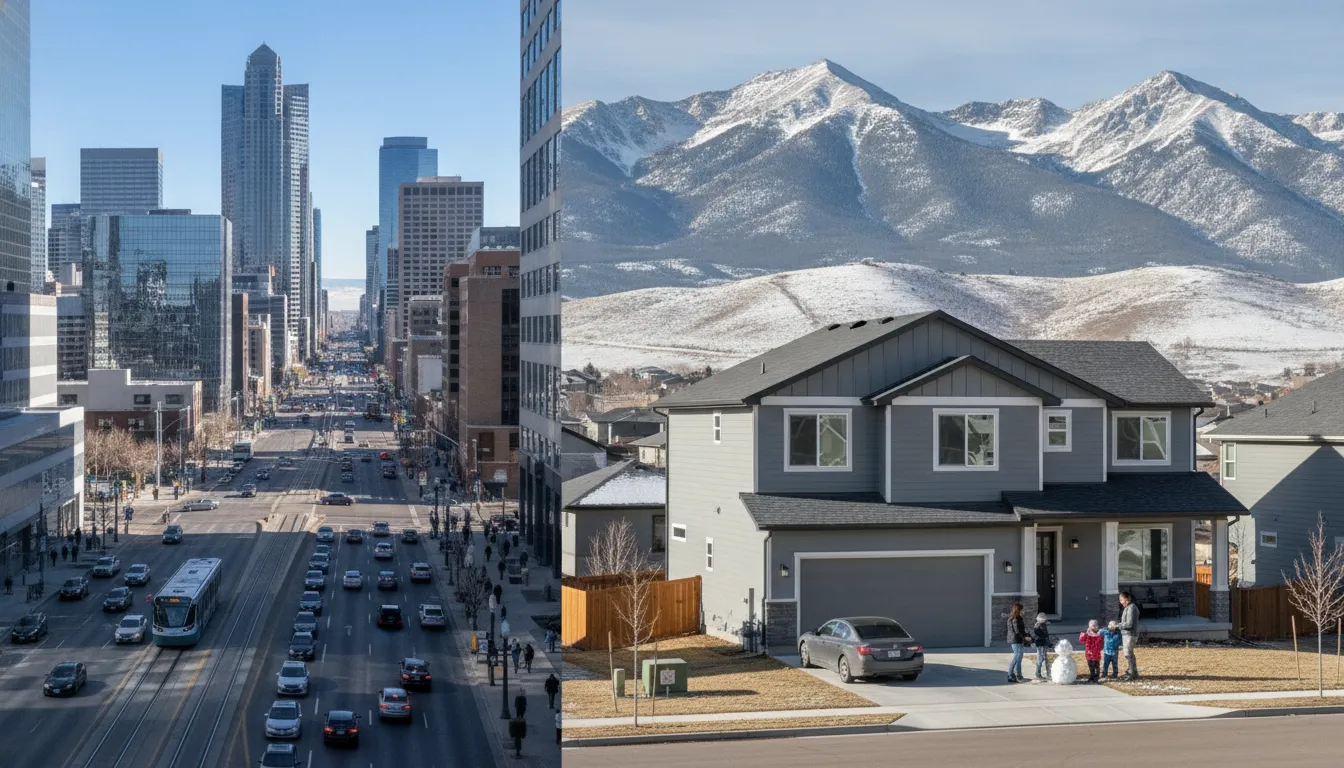
The most important rule for anyone moving to Utah is simple: do not treat the state as one housing market or one lifestyle. A downtown Salt Lake City condo, an older home in Millcreek, a newer house in Saratoga Springs, and a luxury property in Park City can offer entirely different routines. The right choice depends less on listing photos and more on work location, preferred social life, family needs, budget, and how people actually spend their time.
Why Utah Can Feel Different After Moving
Utah often makes a powerful first impression. The Wasatch Mountains, access to ski resorts and trails, distinctive seasons, and well-kept communities appeal to families, remote workers, and people seeking a more outdoor-oriented routine.
However, the features that look appealing from a distance can involve trade-offs. Mountain access can come with higher home prices. A large newer home may require a longer commute. A quiet suburb may be perfect for a household with children but feel isolating for someone seeking frequent nightlife and dense urban activity.
Rather than asking whether Utah is objectively good or bad, prospective residents should ask a more useful question: Which part of Utah supports the life they want to live every week?
Utah Is Not One Lifestyle
The Wasatch Front is a long, heavily populated corridor with dramatically different communities. Geography matters because the Wasatch Mountains sit to the east, the Oquirrh Mountains to the west, the Great Salt Lake to the north, and Utah Lake to the south. This layout can create transportation bottlenecks, especially during rush hour. Buyers weighing the two biggest counties on the Wasatch Front side by side may find it helpful to compare Salt Lake County and Utah County lifestyles before narrowing a search area.
A property may seem close to work on a map while still requiring a frustrating daily drive along the same congested routes used by thousands of other commuters. Before choosing a home, buyers should consider how often they need to travel to downtown Salt Lake City, the University of Utah, the airport corridor, or the Silicon Slopes employment area in Lehi.
Salt Lake City and nearby established neighborhoods
Salt Lake City offers a more varied urban experience than many out-of-state buyers expect. Downtown, Sugar House, the Avenues, and the 9th and 9th area can offer greater proximity to restaurants, local events, and a more active social setting. People considering an urban or close-in lifestyle can compare neighborhoods and property options through Salt Lake City real estate resources.
Many close-in neighborhoods also have older housing stock. Buyers may find mature trees, established streets, larger lots, and convenient access to downtown or the canyons. At the same time, some homes may need substantial updates, including work related to plumbing, electrical systems, basements, room sizes, or ceiling heights.
Newer suburbs in Utah County and the west side
Communities such as Herriman, South Jordan, Lehi, Saratoga Springs, and Eagle Mountain can appeal to buyers who prioritize newer construction, open floor plans, taller ceilings, and modern energy-efficient features. Buyers exploring the west side directly can browse current listings in West Jordan or West Valley City for a sense of pricing and inventory in that part of the valley. The trade-off may be a longer drive, denser development, fewer mature trees, or infrastructure that is still catching up with growth.
For many buyers, this becomes the core Utah housing decision: more house versus a more central location. There is no universal right answer. The best decision depends on whether a household values convenience, square footage, a yard, a newer layout, mountain access, or a shorter commute most.
Culture and Community: Why Location Matters
The influence of The Church of Jesus Christ of Latter-day Saints is noticeable in many Utah communities. Its presence can shape neighborhood connections, family activities, and community life. That does not mean every city or neighborhood feels the same, and Utah has changed considerably over recent decades.
For Latter-day Saint households, some family-oriented neighborhoods may provide an immediate social structure through congregations, activities, and long-standing community relationships. For non-Latter-day Saint residents, experiences vary widely. Some build strong friendships through work, schools, outdoor groups, and local activities. Others may find it takes more intentional effort to develop a social network.
This is not a reason to rule out Utah or assume an outcome. It is a reason to evaluate a neighborhood beyond its price and floor plan. A household should consider how it prefers to meet people, what types of activities it enjoys, and whether the everyday social atmosphere feels comfortable.
Questions to ask about community fit
What stage of life is the neighborhood designed around? Some areas are heavily family-focused, while others have more young professionals, students, retirees, or mixed households.
How will social connections form? Consider work, school activities, fitness groups, outdoor clubs, volunteer opportunities, and local events.
What does a typical weekend look like? A neighborhood can be beautiful but still feel wrong if it does not support a household's preferred rhythm.
Is proximity to restaurants, events, parks, or trails important? These priorities can point buyers toward very different locations.
Family Life, Social Life, and Daily Pace
Utah is strongly associated with family life. Many communities emphasize parks, youth sports, schools, neighborhood activities, and space for households to grow. For families seeking a structured, community-centered environment, this can be one of the state's greatest strengths.
That same environment may not fit every resident equally well. Singles, newly divorced adults, and people seeking constant nightlife or a major metropolitan social scene should choose their location carefully. Salt Lake City has dining, breweries, events, and more activity than many people anticipate, but it does not operate like Los Angeles, Austin, Dallas, or Washington, D.C.
People who prefer an organized lifestyle, a quieter pace, frequent outdoor access, and a city that feels more manageable than a large coastal metro often adapt well. Those who need late-night options, dense walkability, and nonstop big-city energy may feel limited in a distant suburb even if the home itself is excellent.
Outdoor Access Is Valuable Only If It Matches Real Habits
Utah's outdoor opportunities are a major reason people relocate. Skiing, hiking, canyon drives, mountain biking, and trips to southern Utah can become a meaningful part of life. For people who use those opportunities frequently, proximity can be worth a premium.
But it is easy to overpay for an aspirational lifestyle. A buyer who expects to ski every weekend may benefit from being closer to the Cottonwood Canyons. Someone who mostly wants mountain views, a comfortable neighborhood, and occasional hikes may have many more affordable options.
A practical home search starts with routine rather than scenery. Buyers should ask:
How often will the household realistically ski, hike, bike, or visit the canyons?
How frequently is a downtown trip necessary?
How important is airport access?
Is outdoor recreation a weekly habit or an occasional bonus?
Would a longer commute reduce time available for the activities that motivated the move?
Honest answers often make the right region clearer than comparing photos of kitchens and backyards.
Utah Weather: Four Seasons With Real Trade-Offs
Utah has four distinct seasons. Many residents enjoy warm, dry summers, fall weather, winter snow, and a changing spring season. Still, a relocation decision should account for the less appealing parts of the climate as well.
Summer heat and wildfire smoke
Utah summers are dry, but they can become very hot. Wildfire smoke can also affect valley air conditions when wind carries smoke into populated areas. Anyone with asthma, respiratory concerns, young children, or a high sensitivity to air quality should make this a serious part of relocation planning, and buyers looking at homes near foothills or canyon areas should also review what wildfire risk means for financing and insurance.
Winter snow and inversions
Winter can be scenic and provides easy access to snow sports, but it can feel long for people who dislike cold weather. During some winter weather patterns, temperature inversions can trap pollution in the valleys and create poor air quality for days at a time.
Inversions do not define every day of the year, but they are a meaningful quality-of-life consideration. The risk is especially relevant to people with respiratory conditions. Prospective residents concerned about broader environmental trends can also read more about how Utah's water and air quality issues affect long-term livability. For official public health guidance and current conditions, residents can consult the Utah Department of Environmental Quality air-quality resources.
Housing Expectations: What a Utah Budget May Actually Buy
Utah may feel comparatively affordable to buyers arriving from California or Seattle. Buyers relocating from Texas, Arizona, the Midwest, parts of the South, or other lower-cost markets may have a different reaction. Housing costs along the Wasatch Front can be a surprise, particularly in Salt Lake County, Utah County, Davis County, and sought-after East Bench locations.
Price alone does not tell the full story. Buyers should evaluate the condition, age, commute, lot size, location, neighborhood maturity, and renovation needs attached to each property.
The established-home trade-off
Older neighborhoods near Salt Lake City can provide central access, character, mature landscaping, and convenient routes to downtown or the mountains. In exchange, buyers may need to budget for repairs or modernization. An inspection and realistic renovation plan become particularly important when considering an older home.
The new-construction trade-off
Newer homes may provide modern layouts, higher ceilings, updated systems, and energy-conscious design. However, they are often farther from central employment hubs and may sit in higher-density communities with less mature landscaping. Buyers should test the commute during the time they would actually travel, not just during a quiet weekend visit.
A broader search through Utah real estate listings and local market resources can help buyers compare property types across regions, but location should remain the first filter rather than an afterthought.
Common Mistakes People Make When Moving to Utah
Choosing a home before choosing a lifestyle
A large home, stylish kitchen, or attractive price can distract from practical needs. A household that wants city energy may regret moving to a quiet outer suburb. Another household may choose a walkable neighborhood and later realize it values a two-car garage, yard, and quieter street more.
Underestimating the commute
In a geographically constrained metro area, the route can matter more than the mileage. Buyers should drive key routes during weekday commute periods and account for school drop-offs, airport trips, and recurring errands.
Assuming every community feels like Salt Lake City
Utah's cities and suburbs have distinct cultures, housing styles, and social dynamics. A person who enjoys downtown Salt Lake City may not automatically enjoy a family-heavy subdivision in Utah County or Davis County, and the reverse is also true.
Paying for outdoor access that will go unused
Living near the mountains can be worthwhile for active outdoor enthusiasts. It may not justify the price difference for someone who expects to visit the trails or ski resorts only occasionally.
Ignoring air quality and seasonal preferences
People who strongly dislike winter, high summer temperatures, wildfire smoke, or occasional inversion conditions should assess those realities before committing to a home purchase.
Assuming Utah will feel exactly like the place left behind
Relocation tends to go best when people choose Utah for its actual strengths: mountains, recreation, family-oriented communities, a comparatively manageable pace, and access to varied neighborhoods. Trying to recreate the culture and energy of a very different metro area can create disappointment.
A Practical Checklist Before Moving to Utah
Define the non-negotiables. Identify work location, maximum commute, housing budget, school needs, social priorities, and preferred home style.
Rank the lifestyle priorities. Decide whether the household values urban access, a yard, newer construction, outdoor access, quiet streets, nightlife, or a short commute most.
Compare at least three different areas. Include one area that fits the budget, one that fits the commute, and one that fits the desired lifestyle.
Visit during normal conditions. Drive commute routes, visit grocery stores, spend time in the area after work, and assess neighborhood activity beyond a scheduled property tour.
Research the home's age and condition. Older homes can offer excellent locations but may need upgrades. Newer homes may offer convenience inside the property but require compromises outside it.
Think beyond the first year. Consider job changes, family plans, school needs, social support, and whether the property will still fit in several years.
Who Is Most Likely to Enjoy Living in Utah?
Utah can be an excellent fit for people who value outdoor access, family-oriented communities, mountain scenery, and a more structured daily pace. Families, remote workers, people seeking more space, and residents who want recreation close to home may find the lifestyle especially appealing.
It may be more challenging for people who need a constant big-city atmosphere, are highly uncomfortable with cultural or religious differences, dislike winter conditions, have tight budgets in higher-cost areas, or do not want to drive regularly.
None of these preferences make a move right or wrong. They simply make neighborhood selection more important. The decision should be based on daily routines, not assumptions about the state as a whole. For a wider overview of relocation factors, including cities and housing considerations, see this resource on moving to Utah and choosing where to live.
Final Takeaway
Utah can offer an exceptional quality of life, but the experience varies sharply by location. The best move is not necessarily the home with the newest finishes, the biggest yard, or the lowest price. It is the location that supports a household's commute, community preferences, budget, climate tolerance, and actual weekly routine.
Choosing the wrong area can make Utah feel like the wrong state. Choosing an area that fits the way a household lives can make its strengths far more meaningful over time.
Frequently asked questions
Is Utah a good place to live for families?
Is Salt Lake City different from the rest of Utah?
What is the biggest mistake people make when moving to Utah?
Does Utah have bad air quality in winter?
Is it worth paying more to live near the mountains in Utah?
Are newer homes in Utah usually farther from Salt Lake City?
Keep reading
More from the blog
Utah ADU Rules in 2026: State Law and City-by-City Limits

Inherited a House? The Order to Tackle Each Step
Utah's New Detached ADU Law and Garage Apartments