Utah ADU Rules in 2026: State Law, Owner Occupancy and City-by-City Limits
Basement apartments, backyard cottages and the October 2026 detached ADU law: what Utah requires, what cities can restrict, and what buyers should check in 2026.
On October 1, 2026, a new section of the Utah Code took effect that requires most mid-size and large cities to allow a backyard home on any single-family lot of 11,000 square feet or more. It joined a state rule from 2021 that already made basement apartments and other internal units a permitted use in residential zones. For anyone buying a house with an accessory dwelling unit (ADU), or planning to add one, the rules now come in three layers: what the state requires, what the state lets cities restrict, and what each city has actually adopted.
This guide walks through each layer as it stands in 2026, with examples from several of the state's largest cities and a checklist for buyers and owners who want rental income from a second unit.
Two Kinds of ADUs Under Utah Law
State law defines an accessory dwelling unit as a habitable living unit added to, created within, or detached from a single-family home on one lot. From there it splits into two categories that follow very different rules:
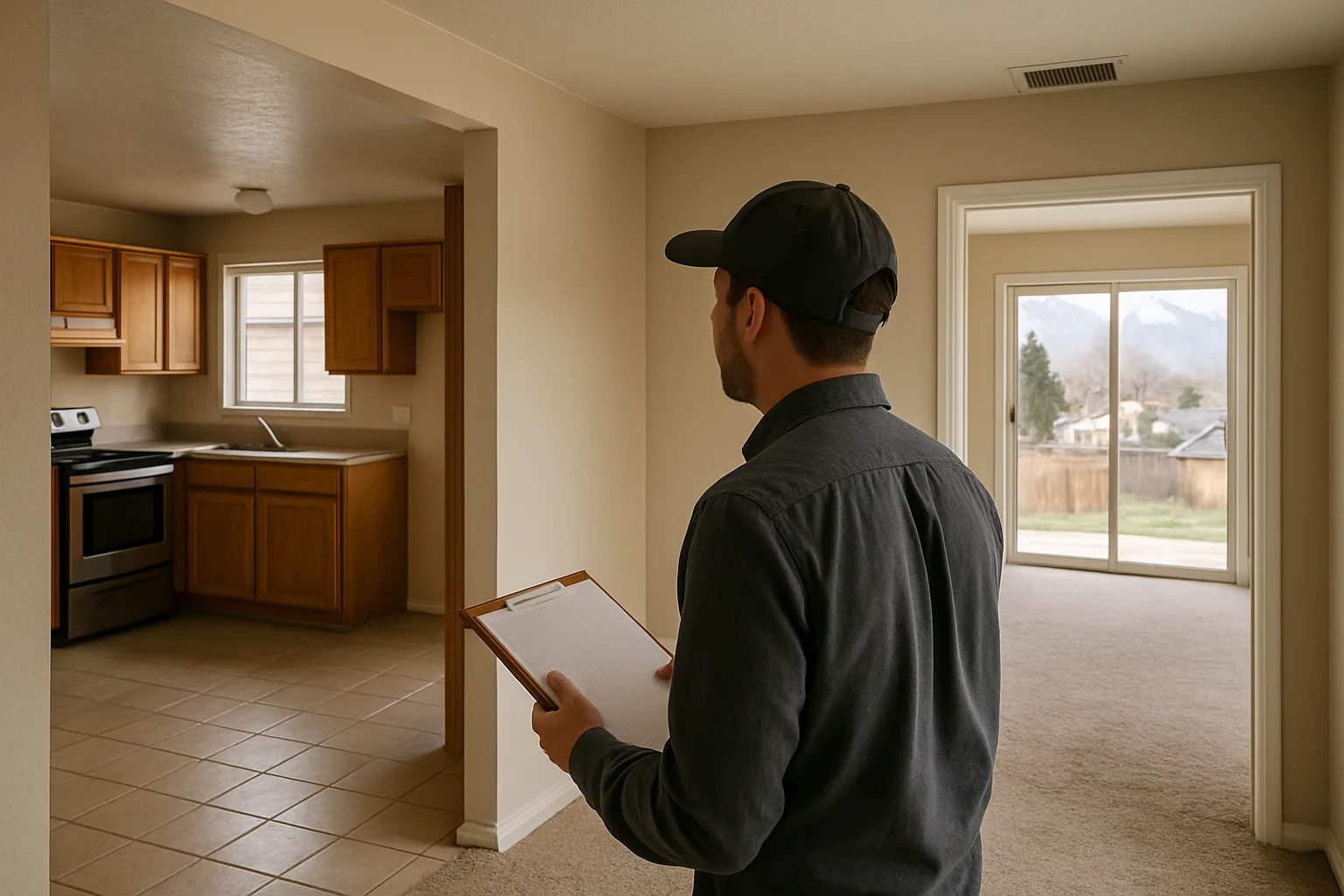
- Internal ADU. A unit created inside a primary dwelling, within the home's footprint at the time the unit is created, for long-term rental of 30 consecutive days or more. A finished basement apartment is the classic example. A garage counts as part of the home only if it is habitable space connected to the house by a common wall.
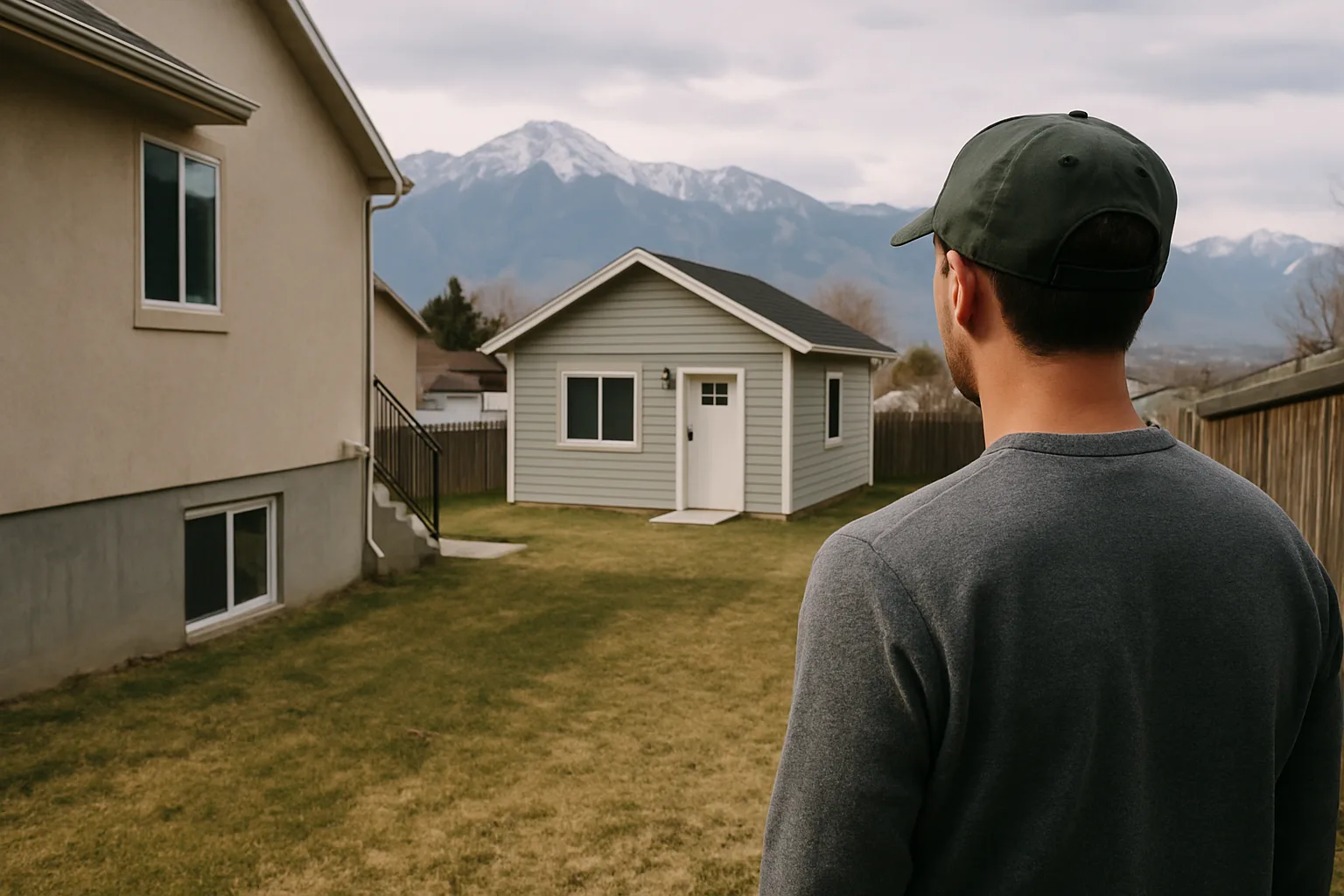
- Detached ADU. A unit that is not attached to or within the main house but sits on the same lot, such as a backyard cottage or a converted detached garage.
The "primary dwelling" in the internal ADU statute is a detached single-family home occupied as the primary residence of the owner of record. That definition is the source of the owner-occupancy rules discussed below.
Internal ADUs: What Every City Must Allow
Under Utah Code 10-21-303 (renumbered from 10-9a-530 in late 2025, with the substance carried over), an internal ADU is a permitted use in any area zoned primarily for residential use. Outside a short list of exceptions, a city may not set restrictions on one internal unit inside a home, including rules about the unit's size relative to the house, total lot size, street frontage, or interior connections between the two spaces. Architectural rules must match those for ordinary single-family homes, even in historic districts. The unit still has to meet building, health, and fire codes, and Salt Lake City's own ADU guide warns that those code requirements can add significant construction cost.
What cities are allowed to require
The statute gives cities a menu of optional limits. A city may:
- Require one extra on-site parking space for the unit, unless the city already requires four off-street spaces for the home, and require replacement of garage or carport spaces lost to a conversion.
- Require a permit or license to rent the unit.
- Prohibit renting the unit for fewer than 30 consecutive days, which rules out nightly short-term rentals.
- Prohibit renting the unit if the owner does not live in the home as a primary residence.
- Prohibit internal units on lots of 6,000 square feet or less, in mobile homes, or where the home is served by a failing septic tank.
- Prohibit a separate utility meter and require that the home still look like a single-family house from the outside.
The zoning carve-out
Cities may also ban internal ADUs outright in zoning districts that together cover no more than 25% of the city's residentially zoned land. A city that hosts the main campus of a university with 10,000 or more students may extend that ban to as much as 67% of its residential land. Even inside a restricted district, a city may not prohibit a newly built internal unit on a lot with final plat approval dated October 1, 2021 or later, as long as it meets local land use rules.
Enforcement and recorded notices
Two provisions matter to buyers because they can follow the property. First, a city that issues a rental license or building permit for an internal unit may record a notice with the county recorder stating that the home contains an ADU that may only be used under city rules. That notice shows up in a title search. Second, a city may place a lien of up to $100 per day on a property that violates its ADU rules, after written notice, a cure period (14 days for short-term rental violations, 30 days for others), and a hearing if the owner objects in writing.
Detached ADUs: The October 2026 Change
The 2026 Legislature passed S.B. 284, a broad land use bill that also enacted Utah Code 10-21-304. That section took effect October 1, 2026, and applies to "specified municipalities," which include every city with a population of 10,000 or more, plus smaller cities of 5,000 or more in the state's more populous counties.
Those cities must permit a detached ADU on any lot of 11,000 square feet or larger that holds a single-family home where single-family use is permitted. Cities may allow detached units on smaller lots if they choose. The ordinance a city adopts may not:
- Require a conditional use permit for a detached unit in a primarily residential zone.
- Require more than one on-site parking space for a unit under 650 square feet, or more than two for a unit of 650 square feet or more.
It may, however:
- Apply local limits on size, height, lot coverage, and setbacks, and require a design consistent with the main house.
- Prohibit a unit larger than the main home, one in a front yard, or one inside a recorded easement.
- Prohibit renting the unit for fewer than 90 consecutive days.
- Require the owner to live in either the main house or the detached unit.
- Limit a lot to one ADU and deny a unit where sewer, water, power, or storm drain capacity falls short.
Cities must also offer a path for converting a legally built accessory structure, such as a detached garage or shop, into a dwelling, subject to setbacks and codes. Restrictions in development agreements a city signed on or before May 6, 2026 are not overridden, so some newer subdivisions may still bar backyard units through those agreements, and private HOA covenants are a separate question altogether.
How Several Major Cities Handle ADUs
Salt Lake City
The Salt Lake City Council unanimously approved an ADU overhaul in April 2023. The city's planning guide states that an ADU is allowed on any lot in a zoning district where residential uses are permitted, with one ADU per lot, and the unit cannot be sold separately from the main building. Internal units have no maximum size. Detached units are capped at 1,000 square feet or the size of the main building, whichever is less, with a base height of 17 feet and minimum side and rear setbacks of 3 feet. One parking space is required unless the property sits within a quarter mile of a transit stop or a half mile of a city bike path. On a single-family property, the owner or an owner's family member must live in either the house or the ADU, and the city does not allow ADUs to be used as short-term rentals.
Provo
Provo's current ADU chapter, last overhauled by ordinance in late 2022, uses the university carve-out. Internal units are a permitted use in most residential zones, but they are prohibited in several single-family zones, including areas designated R1.7, R1.9, and R1.10, except in mapped areas and anywhere west of Interstate 15. Owners in a restricted area can apply for a special use permit, which requires neighbor support among other conditions. Either the main home or the ADU must be owner-occupied, the ADU is limited to three adults plus their minor children, and the owner must hold a rental dwelling license whenever the unit is in use. For detached units, the Daily Herald reported in July 2026 that the Provo council was still studying how to bring its code in line with the state's new detached ADU rule, so buyers should confirm the current ordinance with the city.
Orem
Orem did not allow detached ADUs before the new state law, according to the Daily Herald. In July 2026 the city was reviewing a proposal that would keep detached units out of front yards and prohibit their use as short-term rentals. Nearby Lehi, which already allowed detached units on lots of at least 14,520 square feet, adopted an updated policy that month requiring the unit to sit 6 feet from the main home and requiring the owner to live in one of the two dwellings.
St. George
In St. George, ADUs and guesthouses are reviewed as a "permitted with standards" use. The city's application checklist calls for a narrative covering traffic, utility demand and parking, plus a site plan, elevations and a materials board, submitted through the city's online permit portal. Listings described as homes with casitas in St. George are worth a closer look: a casita built as a guest room is not automatically a legal, rentable dwelling unit.
Ogden
With a population well above 10,000, Ogden falls under both the internal ADU statute and the new detached ADU requirement. The city publishes its zoning ordinance online, and owners should check its current ADU provisions and any S.B. 284 amendments with the planning division before designing a unit.
Owner Occupancy and What It Means at Resale
Owner-occupancy rules are the provision most likely to surprise an investor. State law lets cities prohibit renting an internal unit when the owner does not live in the home, and lets cities require an owner to live on a lot with a detached unit. Salt Lake City and Provo both require it. For a buyer, that means a house marketed as having "rental income" from a basement apartment may only produce that income if the buyer moves in. A buyer who plans to rent both units should confirm in writing with the city whether that is allowed, and whether a rental license transfers or must be reapplied for.
Rental Income: Terms, Licenses and Property Tax
A few rules shape the numbers on an ADU rental:
- Minimum lease terms. Internal units are defined around rentals of 30 days or more, and cities may set a 90-day minimum for detached units. Nightly rental income is generally off the table.
- Licensing. State law lets cities require a rental license or permit, and some, including Provo, require one in addition to the building permit.
- Property tax. Utah's residential exemption reduces the taxable value of a primary residence by 45%. State law extends that exemption to a residential property that is the primary residence of a tenant, which generally favors long-term rentals over short-term use.
A Checklist Before Buying or Building
- Look up the lot's zoning and square footage. An 11,000-square-foot lot is the threshold for the state's detached ADU requirement; a lot of 6,000 square feet or less may be ineligible for an internal unit.
- Ask the city whether the existing unit was permitted, and request any recorded ADU notice or rental license history.
- Read the subdivision's development agreement and HOA covenants for ADU restrictions.
- Count parking, including any garage spaces a conversion would remove.
- Confirm owner-occupancy, minimum lease and licensing rules before relying on rental income in a budget.
- Check sewer, water and power capacity for a detached unit, since a city may deny one where utilities fall short.
For design and budgeting questions, a separate overview of ADU planning and design covers layouts and construction choices. Buyers searching for homes with existing second units or lots big enough for one can browse current listings across the state at Best Utah Real Estate.
Frequently asked questions
Do Utah cities have to allow basement apartments?
Yes, with limits. Utah Code 10-21-303 makes an internal accessory dwelling unit, such as a basement apartment within the home's footprint, a permitted use in areas zoned primarily for residential use. Cities may still ban them on lots of 6,000 square feet or less, in mobile homes, and in zoning districts covering up to 25% of residential land (up to 67% in cities with a major university campus).
Can a Utah city require the owner to live on the property with an ADU?
State law allows it. A city may prohibit renting an internal ADU if the owner does not live in the home as a primary residence, and under the detached ADU law in effect since October 1, 2026, a city may require the owner to live in either the main house or the detached unit. Salt Lake City and Provo both have owner-occupancy requirements.
What lot size qualifies for a detached ADU in Utah?
Under Utah Code 10-21-304, cities with 10,000 or more residents (and some smaller cities in populous counties) must permit a detached ADU on any lot of 11,000 square feet or larger that holds a single-family home. Cities may choose to allow detached units on smaller lots as well.
How much parking can a Utah city require for an ADU?
For an internal ADU, a city may require one additional on-site space, but not if it already requires four off-street spaces for the home. For a detached ADU, a city may require no more than one space for a unit under 650 square feet and no more than two for a unit of 650 square feet or more.
Can an ADU in Utah be used as a short-term rental?
Usually not. Cities may prohibit renting an internal ADU for fewer than 30 consecutive days and a detached ADU for fewer than 90 consecutive days. Salt Lake City does not allow ADUs to be used as short-term rentals, and Orem's 2026 proposal would bar short-term rental use of detached units.
Does renting an ADU affect Utah property taxes?
Utah's residential exemption reduces a primary residence's taxable value by 45%, and state law extends that exemption to residential property that is the primary residence of a tenant. Owners should confirm how their county assessor treats a property with an ADU before filing.
Keep reading
More from the blog

Inherited a House? The Order to Tackle Each Step
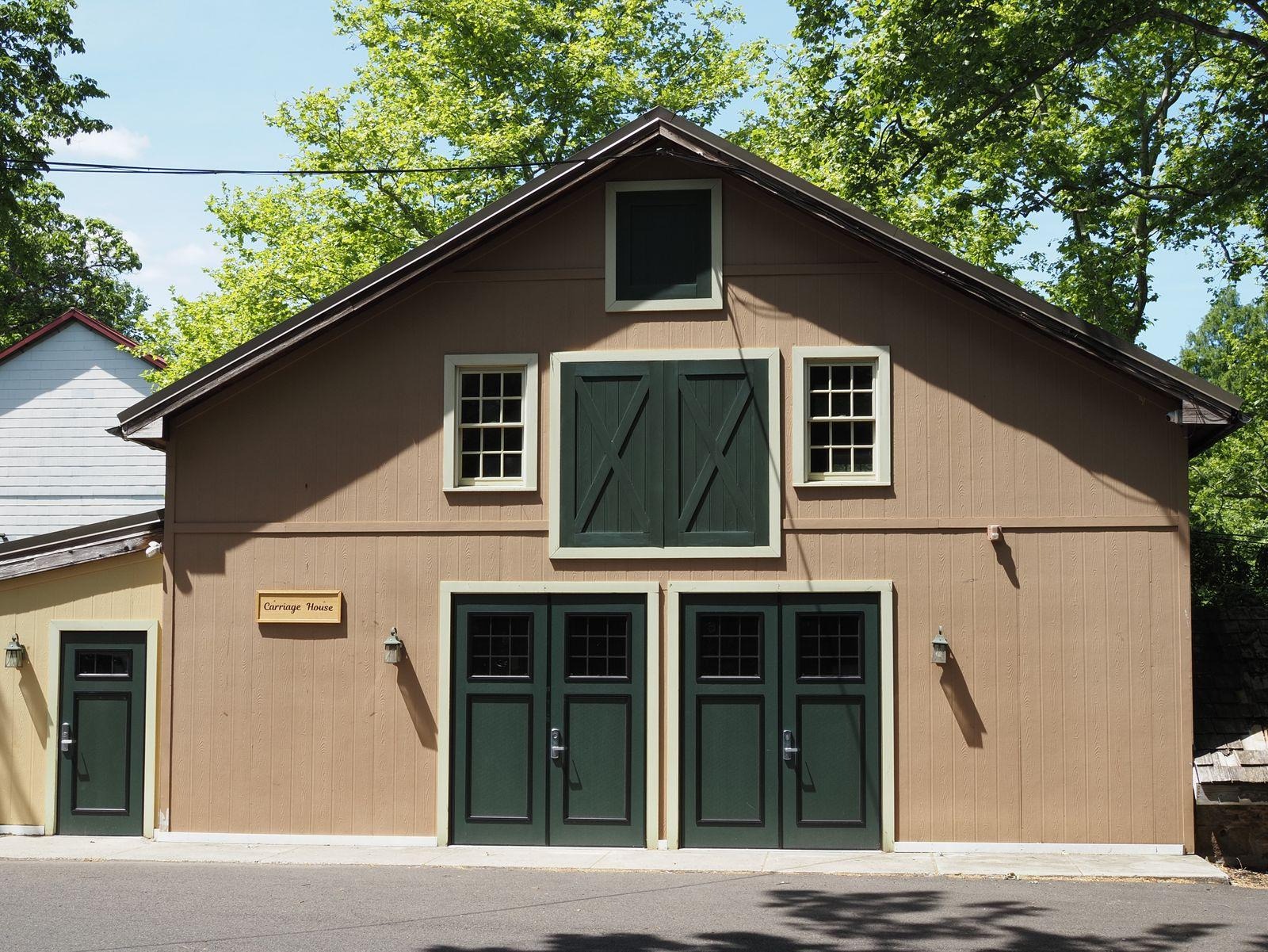
Utah's New Detached ADU Law and Garage Apartments
How Home Search Apps Use Your Data: Utah Buyer Guide