
Inherited a House? What to Do First, Step by Step
Inheriting a house comes with a long to-do list. This guide puts the tasks in order, from probate and insurance to tax basis, cleanout, repairs and family agreements.
Nobody plans to inherit a house. It shows up in a will, usually at the worst possible moment, and it often comes with a mortgage statement, a full garage and relatives who all have an opinion. If you are the one holding the keys, the hardest part is not any single task. It is knowing which task comes first.
What follows is the order that tends to cause the fewest headaches. You can move faster or slower, but try not to skip ahead.
First, find out who is allowed to sign
This sounds like paperwork for later. It is not. If the house goes through probate, the court has to appoint an executor (some states say personal representative) and give that person a document, usually called letters testamentary, before anyone can sell. If the house was in a living trust, the successor trustee can usually act without the court.
Title companies will not close without the right document. Call an estate attorney early and ask two questions: which route applies here, and how long does it usually take? In some counties the answer is a few weeks. In others it is several months, and you want to know that before you promise a buyer anything.
Protect the house while it sits empty
Empty houses get into trouble. Pipes freeze, roofs leak and nobody notices for a month. Change the locks, keep the heat on through the winter, and forward the mail so bills do not pile up in the box.
Then call the insurance company, and do it this week. A lot of homeowner's policies limit coverage once a house has been vacant for 30 to 60 days, and the policy may need to be moved into the name of the estate. People skip this call more than any other, and it is the one that costs the most when something goes wrong.
Get the tax basis on paper
Here is the part that surprises many heirs in a good way. Under federal tax rules, inherited property generally gets a "stepped-up" basis, meaning its value for tax purposes resets to what it was worth on the day the owner died. IRS Publication 551 explains how basis works, and Publication 559 covers what executors have to file.
So if your parents bought the house for $90,000 in 1985 and it was worth $450,000 when they passed, a sale for $460,000 is usually taxed on about $10,000 of gain, not $370,000. Order a written appraisal dated as close to the date of death as you can. It costs a few hundred dollars and it is the cleanest proof you will have. A tax professional can tell you how this plays out in your situation.
Search the house for paper before anything leaves
Before a single bag goes out to the curb, go through the house looking for documents and nothing else. Deeds, policies, bank statements, car titles, old tax returns and the safe deposit key tend to hide in strange places: a kitchen drawer, a coat pocket, the bottom of a shoebox under the bed. Put everything in one box and keep that box with the executor.
It is tedious. It is also the step people regret skipping, usually around tax time.
Let the family take what they want, with a deadline
Give everyone a fixed window, maybe two weekends, to mark what they want with colored tape or a shared photo list. Anything unmarked after that is fair game to sell, donate or haul away. Without a deadline this stage can drag on for a year.
Be ready for the furniture to be worth less than anyone hopes. Big dark wood bedroom sets and formal dining rooms sell for very little. Jewelry, art, watches and some mid-century pieces are the exceptions, so get those looked at before they go anywhere. If the house is full of things that will actually sell, an estate sale company may be worth its commission.
Empty it, all the way
Buyers have a hard time seeing themselves in a house full of someone else's life, and inspectors need to get into the attic, the crawl space and behind the furnace. Almost every inherited home has to be emptied before it lists.
This is where families tend to underestimate the job. A house lived in for forty years can fill several truckloads, and most of it has to come up from a basement or down a staircase. Heirs who live out of state often hire an estate cleanout crew once the keepsakes and documents are out, so the place can be cleared in a few days instead of a string of long weekends. If you go that route, ask how they price the work, whether they set aside photos and papers they come across, and whether they can work from a lockbox when no one in the family can be there.
Decide how much to fix
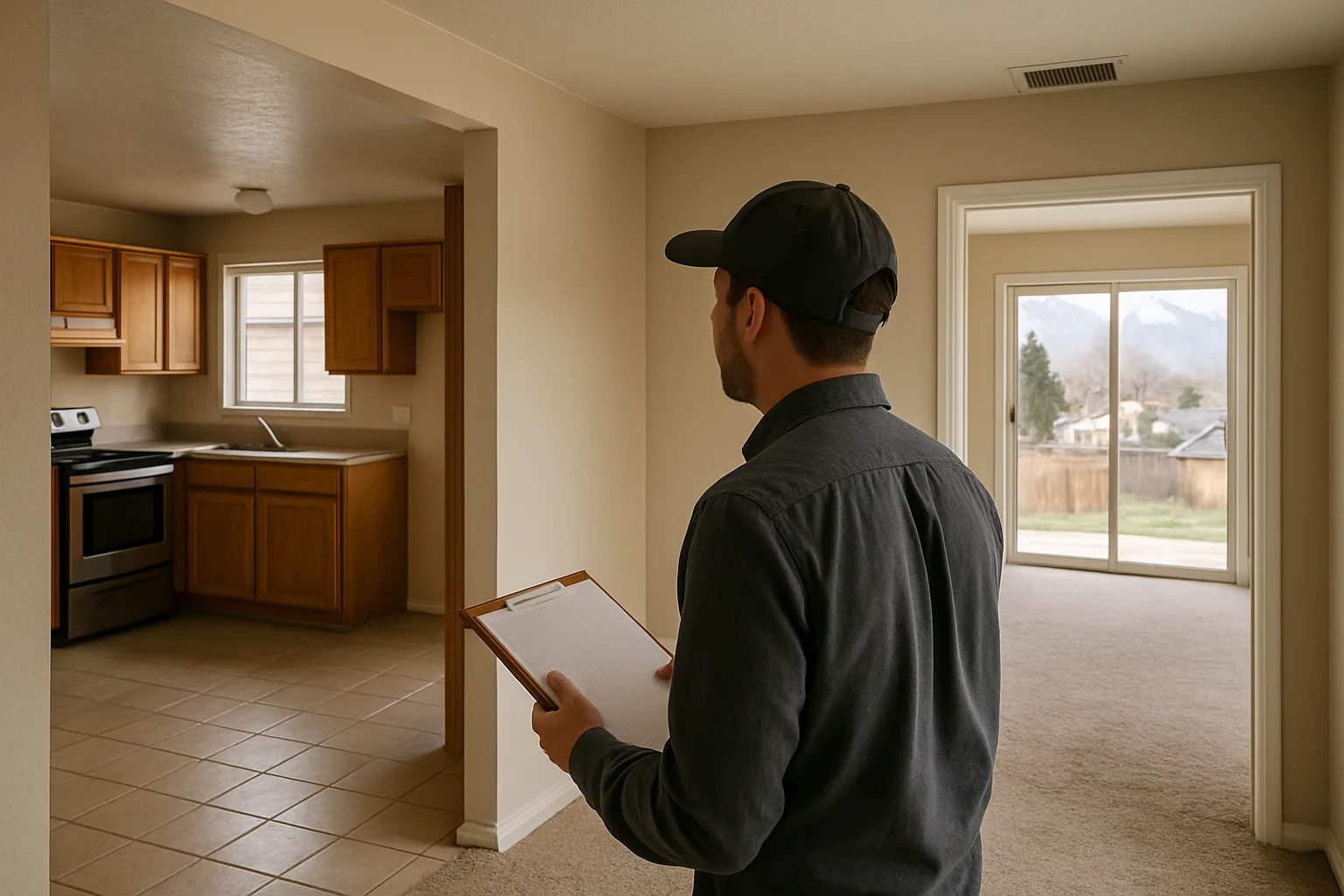
Once the rooms are empty, the house tells you what it needs. Some heirs sell as-is because they want it done, and they accept a lower price for the speed. Most do better with a light refresh: a deep clean, paint, small repairs and a tidy yard. A full renovation can raise the price, but it adds months and it means every heir has to agree on a budget, which is its own project. A practical renovation planning guide can help you scope it.
Your listing agent will have an opinion. Ask for it, and ask for the numbers behind it. A pre-listing inspection is worth considering in an older house, since it is better to learn about the roof or the furnace now than in the middle of negotiations. If contractors worked on the home and left unpaid bills, see selling a Utah home with a mechanic's lien.
Put the agreement in writing
When three siblings own a house together, the arguments are rarely about the house. They are about timing, money and who did more of the work. Write down who handles what, how expenses get paid back, and the lowest price everyone will accept. It feels formal between family members. It also keeps people talking to each other after the sale.
None of this makes the process painless. It does make it predictable, which counts for a lot when you are doing it from another state while grieving. Heirs of a house with an awkward floor plan may want to read that guide before deciding how much to fix.
Sources: IRS Publication 551, Basis of Assets (https://www.irs.gov/publications/p551); IRS Publication 559, Survivors, Executors, and Administrators (https://www.irs.gov/publications/p559).
Frequently asked questions
Do I need probate before I can sell an inherited house?
What is stepped-up basis on an inherited home?
Does homeowner's insurance cover an inherited house that is vacant?
Should I renovate an inherited house before selling it?
How do I clear out an inherited house quickly?
Keep reading
More from the blog

Utah's New Detached ADU Law and Garage Apartments

How Home Search Apps Use Your Data: Utah Buyer Guide
How to Tell If an Awkward Floor Plan Can Be Fixed