A Practical Guide To Planning A Home Renovation: Budget, Scope, Contractors
A step-by-step guide to planning a home renovation, from defining scope and budgeting a contingency to hiring vetted contractors and sequencing the job site.
Remodeling your living space brings excitement along with plenty of tough decisions. Every successful upgrade demands clear priorities, patient research, and steady organization. Without a solid roadmap, unexpected expenses can quickly drain your enthusiasm along with your savings. Taking time to map out each phase keeps stress low and protects your hard-earned cash.
Defining Your Goals And Project Scope
Every great project starts with a detailed vision of your daily lifestyle needs. Walk through each room with a notepad to record functional flaws, cramped layouts, and outdated fixtures. Separate your wish list into absolute necessities and nice-to-have upgrades. This simple division keeps your eyes on functional improvements before you spend on decorative items.
Clear boundaries keep your project from growing beyond your initial vision a common trap known as scope creep. Scope creep happens quickly once demolition begins and fresh design ideas pop up mid-stream. Write down a firm description of work for every room you plan to alter. Sticking to that written scope keeps everyone on the same page. Some homeowners are adding purpose-built spaces, such as a garage home gym or a home podcast studio, so define those needs early.
Estimating Outer Shell And Roofing Expenses
Upgrading exterior components protects your interior investments from harsh weather and moisture intrusion. When preparing an exterior budget, researching what it costs to replace your roof helps prevent unpleasant financial surprises down the road. Sturdy shingles, leak barriers, and solid decking shield your entire property from moisture intrusion. Taking care of these protective layers first gives you peace of mind before interior remodeling begins.
Exterior upgrades require precise measurements and durable materials built to handle local climates. Inspect your gutters, flashing, and siding alongside the overhead structures. Water leaks cause unseen structural rot that costs thousands of dollars to fix down the road. Good drainage details help protect the whole property.
Navigating Housing Trends And Project Timing
Scheduling your remodel around broader market patterns can affect material availability and labor prices. A market report from housing analysts revealed that home remodeling activity continues to stabilize just shy of recent peak numbers.
High demand for skilled trade workers means local contractors book projects months in advance. Booking your crew well ahead of your ideal start date prevents long delays.
Shifting seasonal weather patterns directly influence construction pacing and delivery schedules. Wet seasons make exterior carpentry or roof work much harder to complete cleanly. Aim for dry months if you want quick progress without weather interruptions. Planning around favorable weather patterns leads to faster turnarounds and smoother project handoffs.
Building A Financial Buffer And Realistic Budget
Drafting a realistic budget requires an honest look at your total available funds. Contact local building suppliers to gather current material estimates for cabinets, flooring, and paint. Always build a cash reserve of 15% to 20% on top of your primary contractor estimate. This safety cushion absorbs surprises like hidden plumbing leaks or outdated electrical wiring.
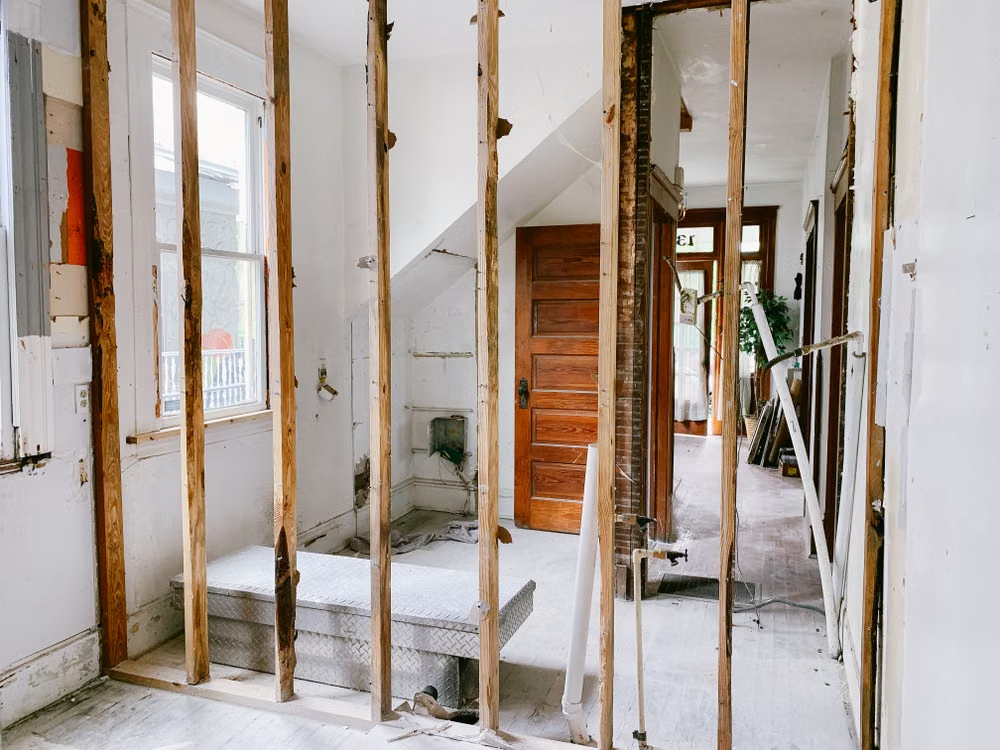
Unexpected surprises happen behind old drywall and beneath aged subfloors, from decaying pipes to faulty junction boxes. Opening up walls often exposes hidden code violations from previous DIY work. Having that cash reserve ready allows the crew to fix problems without pausing construction. A funded contingency plan keeps your project moving forward without financial panic.
Screening And Hiring Reliable Contractors
Selecting the right professional crew is the single most important choice in your remodel. Government consumer protection guidance recommends checking with state or county authorities to confirm a contractor's license, and asking the firm for active proof of insurance.
Verifying credentials upfront protects you against shoddy artistry, workplace liabilities, and costly project abandonments. Never skip checking active policies before anyone lifts a hammer on your property.
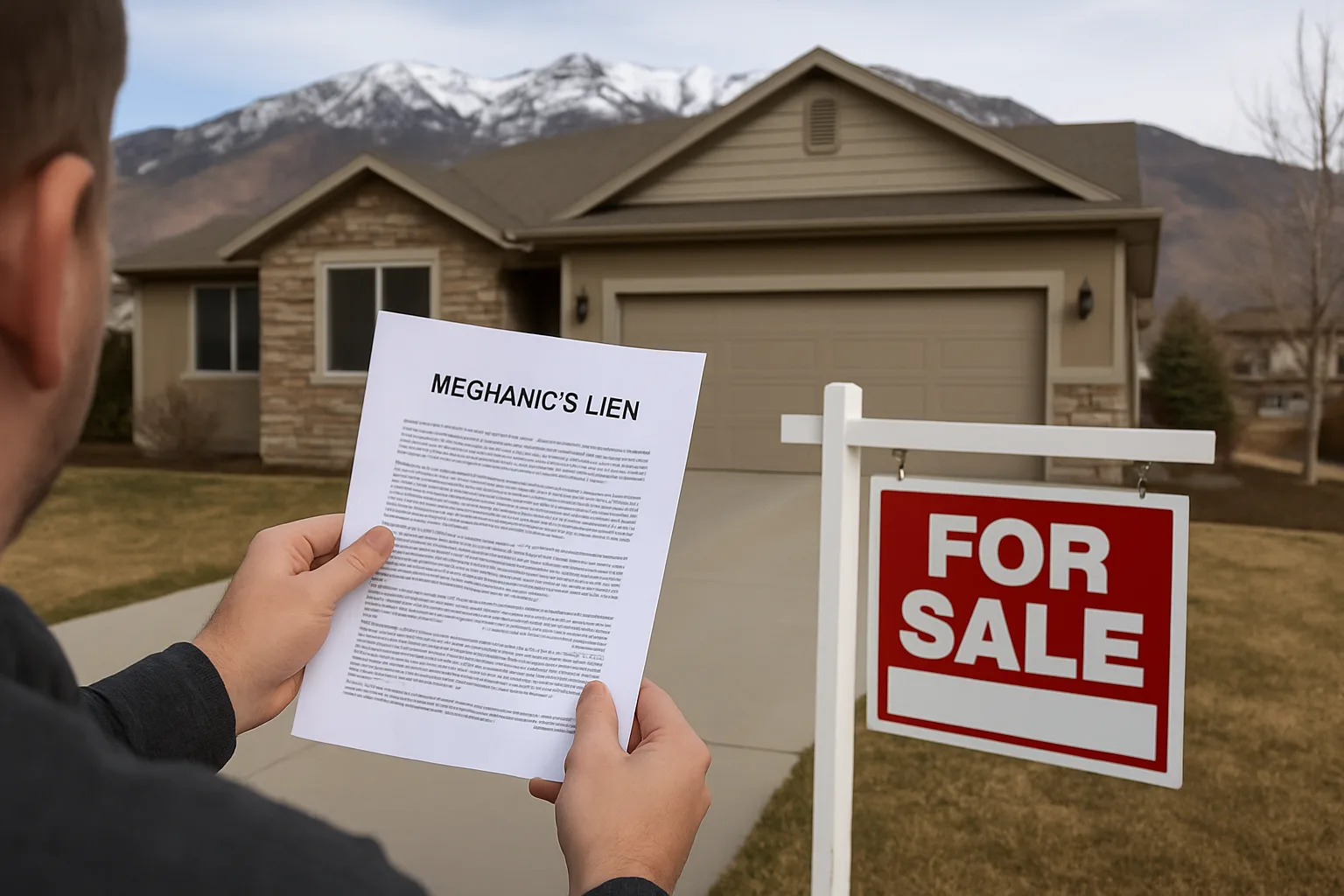
Collect at least 3 detailed written bids for identical project scopes. Compare labor costs, payment schedules, and stated completion timelines line by line. Be cautious of bids that come in dramatically lower than the local competition. Extremely cheap bids often hide cheap materials, missing permits, or hidden fees. Unpaid contractors can also file liens, so see selling a Utah home with a mechanic's lien.

Setting A Realistic Job Site Schedule
A smooth renovation depends on establishing an orderly sequence of construction tasks. Skilled project managers follow an organized checklist to keep trades from tripping over one another:
Complete demolition, structural framing, and exterior weatherproofing first
Rough in mechanical lines, electrical wiring, and fresh plumbing runs
Hang drywall panels, apply tape, and finish with fresh paint
Install custom cabinetry, hard surface flooring, and finished trim pieces
Sequencing these steps properly prevents tradespeople from damaging finished work. Forcing painters in before the drywall dust settles ruins final coats and wastes billable hours. Talk with your lead carpenter daily to review upcoming milestones and trade arrivals. Clear daily communication prevents costly misunderstandings on the job site.
Living through a home remodel tests your patience, but clear planning keeps headaches away. Staying organized from day one protects your wallet and keeps your daily schedule intact. Focus on durable materials, sound structural repairs, and verified trade professionals throughout the journey. With proper preparation, you will transform your house into a comfortable sanctuary that serves your household for decades.
Frequently asked questions
How much contingency should I budget for a home renovation?
What is scope creep in a remodel and how do I avoid it?
How many contractor bids should I get for a renovation?
What order should renovation tasks be done in?
How do I verify a contractor is trustworthy?
Keep reading
More from the blog

Plan Landscaping Before Building a Steel-Framed Home

Is a Smart Sprinkler Maintenance Membership Worth It?

Buying in Vineyard, Utah in 2026: What's Built and What's Still Coming Downtown