Can a Smart Sprinkler Maintenance Membership Protect Your Yard?
Smart controllers can't see clogged nozzles or hidden leaks. See what a sprinkler maintenance membership covers, what it costs, and whether it's worth it for your yard.
A healthy lawn is one of the biggest investments a homeowner makes, yet the system that keeps it green usually runs out of sight and out of mind. Modern smart sprinkler controllers have made watering easier than ever, adjusting cycles based on live weather and soil readings without you lifting a finger. The catch is that software cannot see a clogged nozzle, a cracked valve, or a slow underground leak quietly soaking your foundation.
That is where a service plan earns its place. A sprinkler maintenance membership blends automated technology with scheduled, hands-on inspections, so the parts a controller cannot monitor still get checked by a trained technician. The real question is whether a recurring fee truly safeguards your yard, or whether a handy homeowner can reach the same results alone. Here is an honest look at how these plans work and who stands to gain the most from them.
Where the Tech and the Membership Meet
Controllers from Rachio, Hunter, and Rain Bird lean on local weather feeds and soil moisture readings to decide how long each zone should run. They are excellent at scheduling, but they cannot repair physical wear and tear. A membership closes that gap by pairing digital automation with seasonal, in-person service. Most plans bundle a predictable set of visits:
Spring startup and activation: Technicians test valves, check backflow preventers, and set your opening zone runs.
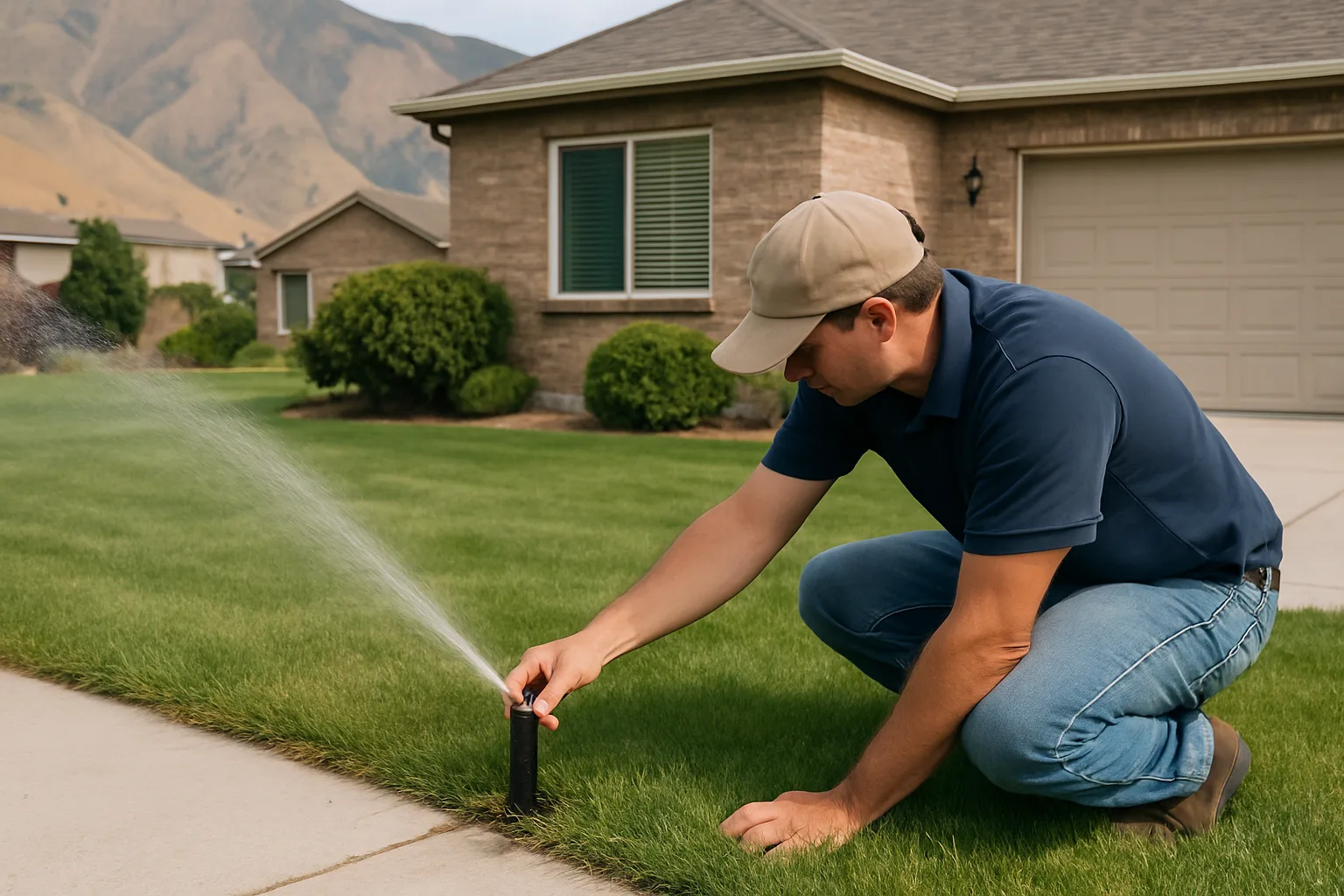
Mid-season audits: A tech inspects for tilted, clogged, or broken heads, misaligned nozzles, and hidden underground leaks.
Winterization blowout: Compressed air clears the lines before hard freezes can crack your pipes.
Software calibration: App updates, Wi-Fi sensor re-syncing, and soil moisture recalibration keep the brains of the system accurate.
Key Ways a Membership Protects Your Yard
Beyond simple convenience, the real value shows up in the problems a plan quietly prevents before they ever reach your lawn.
Catches silent leaks and tames water bills: Flow-monitoring devices flag abnormal usage, while routine technician checks find valve and underground leaks before they rot turf roots or spike your municipal water bill.
Prevents brown patches and fungus: Clogged or crooked heads create dry spots and soggy zones. Even coverage builds deeper roots and discourages the lawn fungus that feeds on constant over-saturation, so combining a technician's adjustments with the EPA's watering tips on timing and frequency keeps every zone healthy.
Saves equipment from freeze damage: In much of the country, one missed winterization can split a backflow valve or crack a PVC mainline, turning a routine visit into costly spring excavation. Memberships usually lock in your blowout slot automatically.
Extends system lifespan: An underground network has dozens of moving parts. Steady upkeep works like an oil change for your yard, keeping a $10 nozzle fix from becoming a $1,000 mainline replacement.
The Potential Drawbacks and Costs
Of course, no plan is a perfect fit for everyone, and it helps to weigh a few trade-offs before you sign up.
Recurring fees versus DIY: Plans often run from a few hundred dollars a year up to roughly $35 to $40 a month for comprehensive coverage. If you are comfortable cleaning heads and clearing your own lines, you can handle much of this yourself.
Software quirks: Controllers can drop Wi-Fi, hit cloud outages, or misread a local microclimate, so human oversight still matters.
Not every plan is equal: Some basic memberships only discount labor rather than covering parts or full physical inspections. Read the contract carefully so you know exactly what is included.
Is It Worth the Cost?
The answer comes down to your yard, your climate, and how much upkeep you want to handle yourself. In water-conscious areas such as Washington County, efficient irrigation matters even more.
Best fit: Medium to large lawns above 5,000 square feet, properties with complex multi-zone layouts, regions with freezing winters or harsh summer droughts, and homeowners who lack the time or mobility to inspect heads and clean filters.
Easier to skip: Small grass patches, rainy or humid areas with low irrigation needs, and DIY-savvy owners who already audit their own coverage and handle winterization themselves.
Conclusion
A smart sprinkler maintenance membership will not replace good technology, but it protects the parts your controller cannot see. By catching leaks early, keeping water distribution even, and locking in seasonal service before a freeze arrives, a solid plan can extend the life of your system and spare you expensive repairs down the road.
For larger or complex yards in demanding climates, the recurring fee usually pays for itself through prevented damage and longer equipment life. For a small, low-maintenance lawn in a mild region, your own two hands may be all the protection you need. If you own a property with drainage concerns, match the plan to your property, then let the automation and the technician each do the job the other cannot.
Frequently asked questions
What does a sprinkler maintenance membership typically include?
How much does a sprinkler maintenance plan cost per year?
Do smart sprinkler controllers eliminate the need for maintenance?
Is winterizing a sprinkler system necessary in Utah?
Can I skip a sprinkler membership and do the work myself?
Keep reading
More from the blog

Plan Landscaping Before Building a Steel-Framed Home
A Practical Guide To Planning A Home Renovation
Buying in Vineyard, Utah in 2026: What's Built and What's Still Coming Downtown