7 Financial Details Homebuyers Should Check Before Making an Offer
The listing price is only part of the cost of a home. Review these seven financial details, from budget and loan terms to HOA fees and earnest money, before making an offer in Utah.
While finding your ideal home can take weeks, months, or even years as you search listings and tour homes, discovering “the one” can be an exciting time. However, your ideal home can still be financially detrimental. So, before you make an offer on a home you love, you need to decide whether it will be financially wise now and in the years ahead.
The listing price of a home is only the tip of the iceberg when it comes to the real cost. In addition to monthly mortgage payments, home buyers must also consider closing costs, property taxes and insurance, and ongoing maintenance and repairs. By understanding these costs before making an offer on a home in Utah, home buyers can avoid unexpected expenses and build a solid budget as homeowners.
Here are 7 key financial details to review before you make your offer.
1. Your Actual Monthly Housing Budget
Just because you qualify for a certain mortgage amount doesn't mean you can afford to spend that much on your house. Lenders look at your financial situation to determine how much you qualify to borrow, but that doesn't account for your other monthly expenses, financial goals, or other large purchases you may need to make. If you plan to purchase a home, you need to determine how your mortgage payments will fit into your current budget without taking over.
When determining your monthly housing costs, remember that your monthly mortgage payment is only the beginning. You'll also need to pay property taxes, homeowners insurance, and possibly HOA fees, and save for future repairs. These costs could add up quickly.
Moreover, our general rule of thumb is that housing costs should not hinder other major financial goals, such as retirement savings, new cars, the arrival of children, or building an emergency fund. Housing shouldn't force you into a financial straitjacket; it should fit comfortably within your current financial structure. Newer owners should also plan for furniture, repairs and other expenses after moving in.
2. Mortgage Rates and Loan Terms
Even a small difference in interest rate can mean extra payments for the borrower over the life of the loan. So when comparing mortgage offers, consider not just the lowest advertised rate but also the terms and conditions of each.
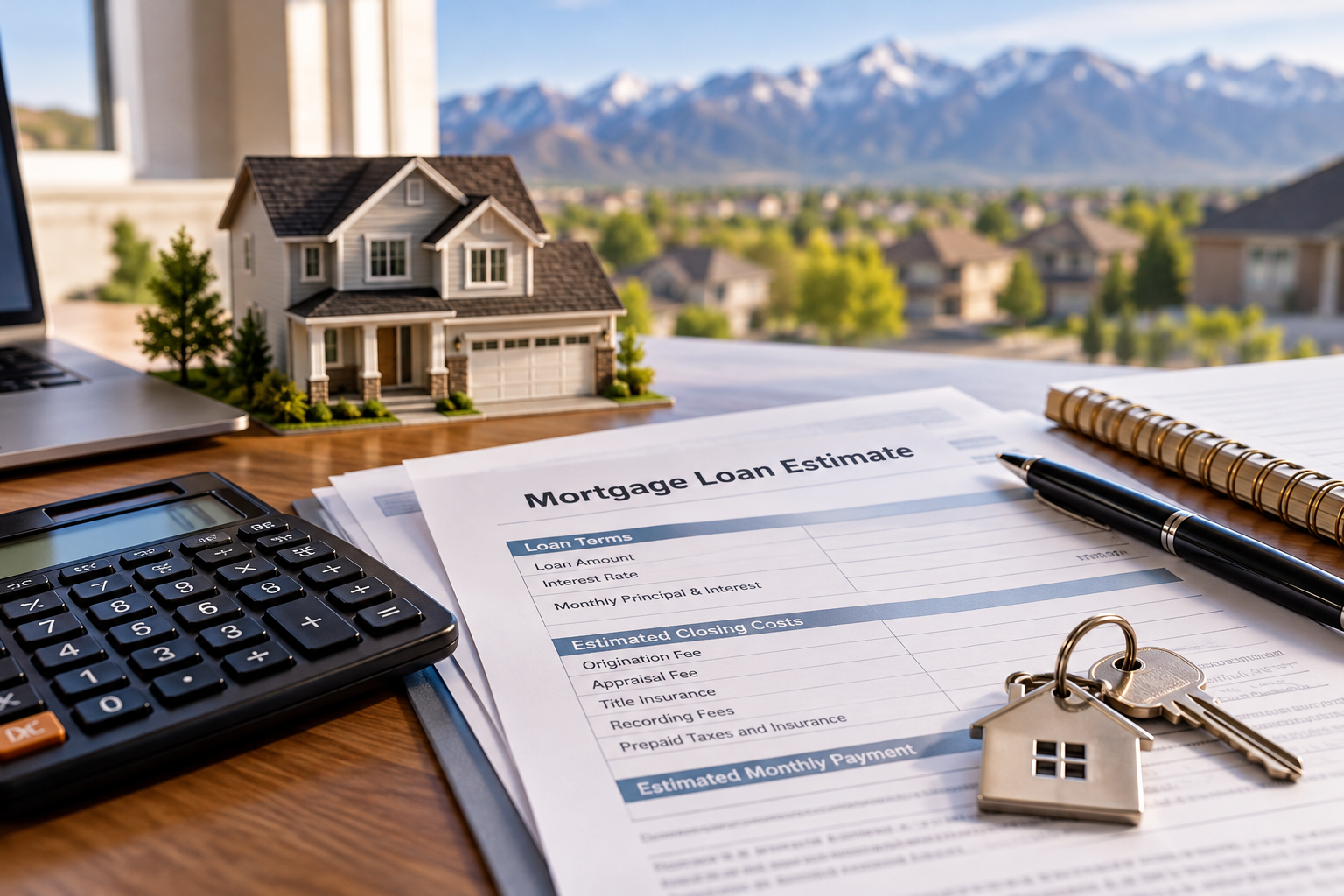
Before submitting an offer, buyers should take the time to explore their mortgage options and understand how different financing terms could affect their monthly payments and long-term expenses. Comparing offers from different financial institutions can provide a clearer picture of available interest rates, repayment terms and additional fees. A mortgage lender can also provide a detailed loan estimate, helping buyers understand their expected closing costs and the total cost of borrowing before making a financial commitment.
It's also important to understand the difference between a fixed-rate note and an adjustable-rate note. A fixed-rate note has the same interest rate for the life of the loan, while an adjustable-rate note may change after an initial time period.
Note that looking for the lowest rate is not necessarily the best strategy. Instead, focus on understanding the associated costs and terms of each loan option.
3. Closing Costs Beyond the Down Payment
Many first-time homebuyers spend months saving for a down payment and then get surprised by additional costs to close on the property.
Closing costs may include:
- Loan origination and underwriting fees
- Appraisal and title-related expenses
- Recording fees and other transaction charges
- Prepaid homeowners insurance and property taxes
Fees vary by property, financing, and transaction.
In addition to helping buyers understand how much they will need to bring to closing, a breakdown of estimated closing costs helps buyers avoid exhausting their savings.
4. Property Taxes and Insurance Expenses
Two houses with similar list prices can have vastly different annual ownership costs.
Utah property taxes vary widely based on factors such as location, assessed value, and applicable exemptions. For example, the annual property tax for a $200,000 home in Park City with a $200,000 assessed value might differ significantly from that of a similar home in Salt Lake City with a $200,000 assessed value. Homebuyers should research current tax information for the specific property they are considering and factor in potential tax implications if they purchase it.
Premiums for homeowners’ insurance are generally based on several factors, including the property itself, its estimated cost to tear down and rebuild, and other factors that may increase risk.
Get insurance quotes before negotiating the purchase price so you know exactly how much you will pay each month to own.
5. The Condition of the Property and Potential Repairs
That attractive asking price can disappear fast when you learn of needed repairs.
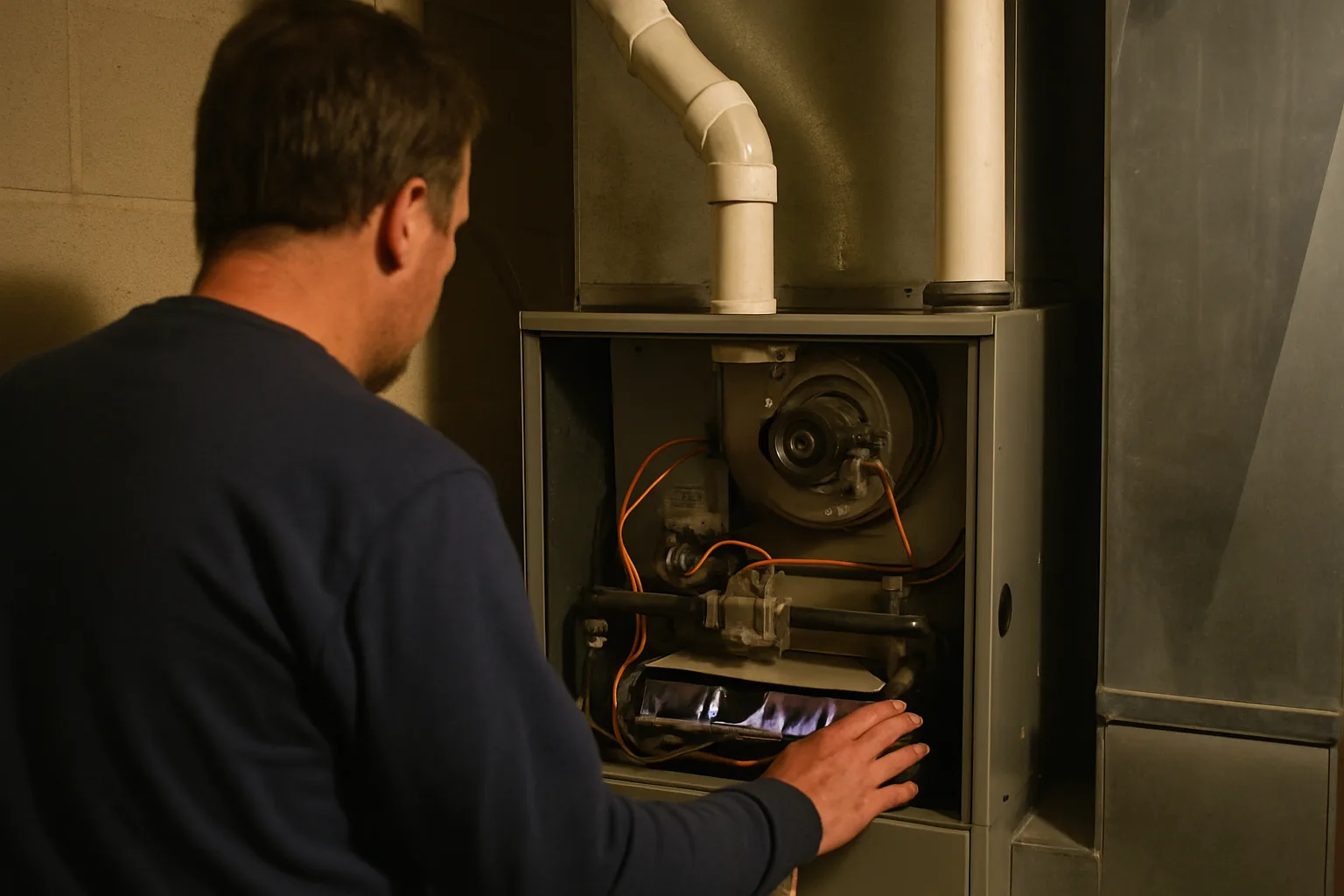
Cosmetic touches are one thing, but repairs you need after you move in are another story altogether. Factor in the cost of repairs to older systems, such as roofs, heaters, plumbing, and electrical.
Review all property disclosures, note the age of major systems, and plan inspections as part of due diligence within the contract's time frames.
Knowing the cost of any needed repairs helps a buyer determine whether the home's price reflects its true condition.
6. HOA Fees and Neighborhood Expenses
Homeowners associations in Utah vary widely, even when they charge similar monthly fees. Find out what services your dollars pay for to determine whether the home is a good value for you.
Again, HOA fees can cover different items and services in different neighborhoods. Some HOA’s cover clubhouses, pools, parks, and other community facilities and services, while others cover exterior maintenance items such as painting, roofing, gutters, and downspouts. Some even cover landscaping and snow removal in addition to other community services.
Review available HOA financial information, the current fee structure, and any pending or planned special assessments, as well as anticipated fee increases.
Even if a lower-priced home seems like a deal, the added cost of ongoing HOA fees may cost more over time.
7. Earnest Money and Financial Contingencies
While negotiating a home's purchase price is a big part of buying real estate, the earnest money deposit the buyer provides with the offer to purchase also represents a significant portion of the purchase price. The real estate company typically holds this money in an escrow account until the transaction closes or the contract terminates, as permitted by the Real Estate Purchase Contract terms.
In Utah, the Real Estate Purchase Contract sets forth earnest money provisions. These terms and conditions, along with specific time frames for inspections, financing, and the property’s appraised value, can affect a buyer’s ability to recover their earnest money if either party cancels the purchase. Failure to meet a contractual condition or to abide by the terms and conditions of the contract can result in loss of the buyer’s deposit.
Before submitting a purchase offer, carefully consider the conditions of offer and closing, the buyer's responsibilities, and key closing dates. While negotiating the lowest possible purchase price matters, protecting your interests in a home purchase is equally important.
Making an Offer With Greater Financial Confidence
Decisions about homes to purchase and the terms and conditions of offers to purchase should be made with a complete understanding of the terms and conditions of the financing being offered to purchase a home, as well as all of the monthly and other costs of ownership of a home.
To determine their "affordability," in addition to calculating the price of the house they can afford to buy, homebuyers need to calculate how comfortably they can afford to pay for and maintain their home after they buy it. If you are weighing West Jordan or other Utah markets, run these numbers for each home first.
Frequently asked questions
What financial details should I check before making an offer on a house?
How much earnest money do I need when buying a home in Utah?
What closing costs should Utah homebuyers expect beyond the down payment?
Should I get homeowners insurance quotes before making an offer?
Do HOA fees affect how much house I can afford?
Keep reading
More from the blog

Buying in Vineyard, Utah in 2026: What's Built and What's Still Coming Downtown
Selling a Utah Home With a Mechanic's Lien

Overlooked Drainage Details Shaping Modern Property Design