Fix Roof Leaks Before You Sell Back East and Move to Utah
Out-of-state buyers moving to Utah often get stalled by a leaky roof on the home they're selling. Learn disclosure rules, repair vs. credit costs, and how to book a roofer remotely.
Most of the families who call us from New Jersey, Pennsylvania or New York have already picked a direction. They want St. George sunshine, a short commute to Lehi, or a house within driving distance of the Park City lifts. What slows them down is rarely the Utah search. It is the house they still own back East, and very often the problem sits right on top of it.
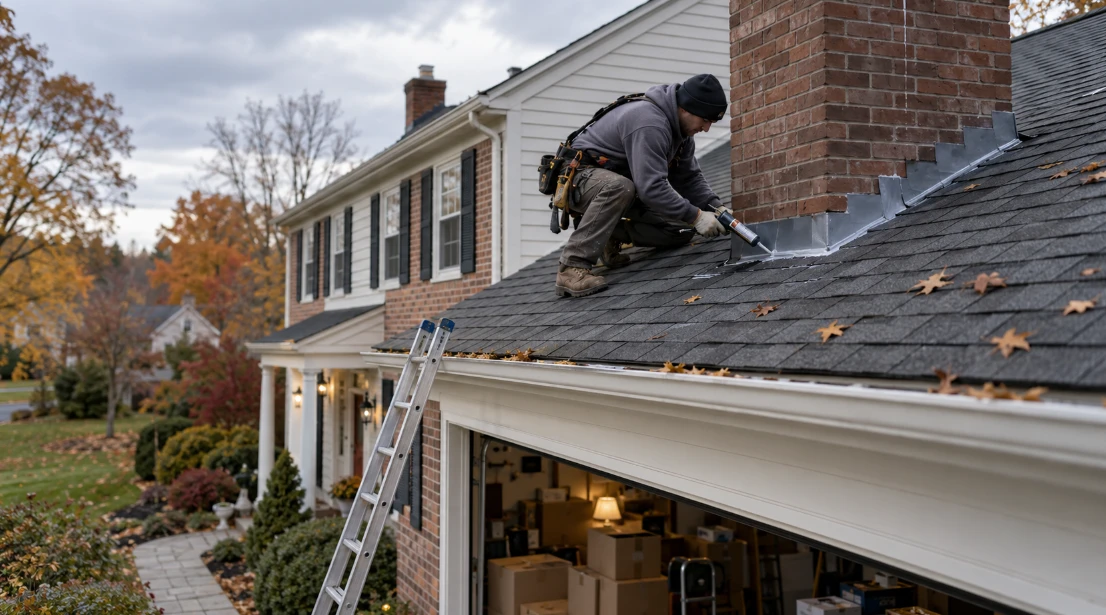
A stained ceiling in a spare bedroom, a drip near the chimney after a nor’easter, a soft spot in the attic sheathing: these details turn a smooth sale into a month of renegotiation. That is why we tell out-of-state buyers to schedule roof leak repair services before the listing photos are taken, while they still control the timeline and the price of the fix.
Why the House Back East Sets Your Utah Timeline
New Jersey has led the United Van Lines outbound list for eight straight years. In the company’s 2025 National Movers Study, about 62% of the household moves it handled in the state were departures, and more than 40% of the people leaving were 65 or older. Utah sits on the receiving end of a long growth streak: the 2020 Census showed the state grew 18.4% over the previous decade, faster than any other state.
For most of these buyers, equity in the East Coast home funds the Utah down payment. A typical Utah purchase closes in 30 to 60 days, so a sale that stalls back East can push you into a bridge loan, two mortgage payments at once, or a lost house in a competitive Washington or St. George neighborhood. Honestly, the roof is one of the few variables you can settle months in advance.
New Jersey Sellers Now Disclose More, and Earlier
In July 2024, Governor Phil Murphy signed the Real Estate Consumer Protection Enhancement Act. Since August 1, 2024, anyone selling a home in New Jersey must give buyers a completed Seller’s Property Condition Disclosure Statement, a 108-question form, before the buyer is bound by the contract. A separate flood risk addendum adds nine more questions for every seller.
The roof section of that form asks about the roof’s age, past leaks and repairs. If water came through the ceiling last winter, you have to say so. A leak you disclosed and fixed, backed by an invoice and photos, reads very differently to a buyer’s attorney than a leak you disclosed and left alone. New Jersey contracts also carry a three-business-day attorney review period, and an open roof issue hands the other side an easy reason to reopen the price during those three days.
Where East Coast Roofs Usually Leak
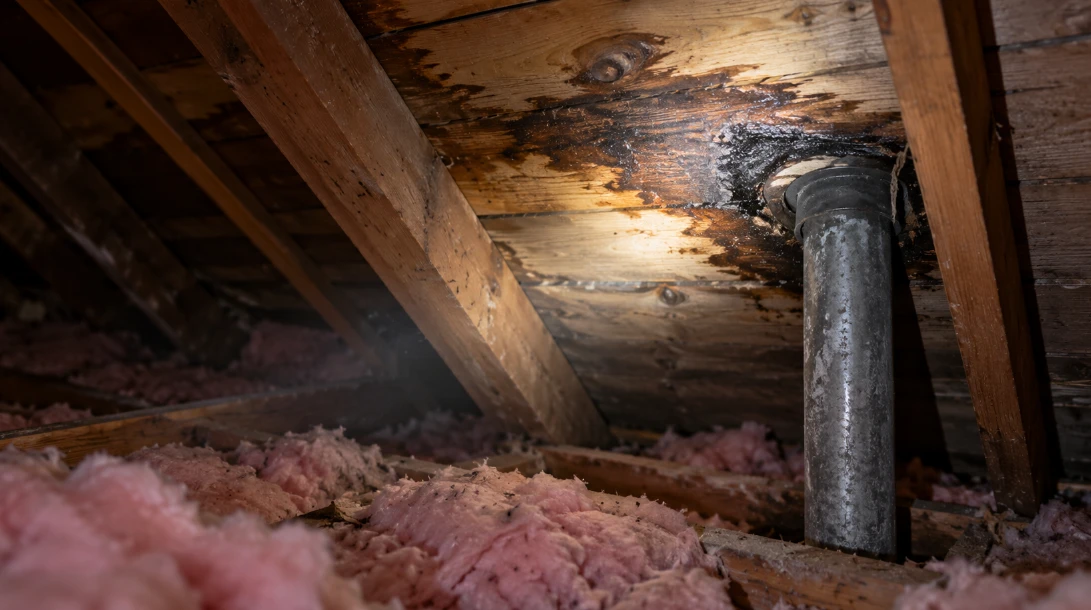
Utah roofs battle heavy snow loads and ice dams at elevation. Roofs in New Jersey and eastern Pennsylvania deal with a messier mix: humid summers, wind-driven rain from coastal storms, and dozens of freeze-thaw cycles each winter. When an inspector finds water staining in a Mid-Atlantic house, the source tends to come from a short list:
Chimney flashing that has pulled away from the brick
Cracked rubber boots around plumbing vent pipes
Valleys where two roof planes meet and leaves collect
Shingles lifted or torn off by nor’easter winds
Ice dams at the eaves of poorly ventilated attics
Skylight seals that have dried out and shrunk
Most of these are small, localized jobs. A crew can usually replace a vent boot or a section of flashing in a few hours. The risk grows when water has been getting in for several seasons, because wet decking, moldy insulation and stained drywall turn a simple repair into the kind of line item that makes buyers nervous.
Fix, Disclose or Offer a Credit: How the Options Compare
Sellers who live far away often hope to skip the repair and hand the buyer a credit instead. Sometimes that works. Buyers tend to price an unknown leak at the worst outcome they can imagine, which usually means a full replacement quote. Here is how the three paths typically play out for a Mid-Atlantic home with an asphalt shingle roof:
Option | Typical cost to you | Effect on the sale | Best fit |
Repair before listing | $300 to $1,500 for flashing, vent boots or a shingle section; $1,500 to $4,000 if decking needs replacing | The leak shows as resolved on the disclosure, with an invoice and photos attached | Roofs under 15 years old with one clear leak source |
Disclose and offer a credit | Whatever the buyer negotiates, often based on a replacement estimate | Price talks reopen after the inspection or during attorney review | Sellers who cannot schedule work before the listing date |
Replace the roof | Roughly $10,000 to $20,000 for an average-size asphalt roof in the region | A clear selling point; agents in NAR’s 2025 Remodeling Impact Report ranked new roofing among the top projects to finish before selling | Roofs past 20 years, multiple leaks, or repairs that have already failed |
Booking a Roofer From 2,000 Miles Away

You do not need to fly back for a roof repair. Remote sellers handle it the same way they handle staging and cleaning, through a local contact, a lockbox and good records. A few habits keep the process clean.
Ask for a written inspection with dated photos of every problem area, including the attic side of the decking. Get the repair quoted separately from any replacement pitch, so you can compare the two on equal terms. Request before-and-after photos plus a copy of the workmanship warranty, then save everything in one shared folder your listing agent and attorney can open. If the roofer says the roof is near the end of its life, get a second opinion, because a contractor’s “replace it now” and an inspector’s estimate of remaining life can differ by several years.
Timing matters as well. Roofers in New Jersey book out fastest right after big storms and again in early spring. An inspection scheduled in late summer or fall gives you room to repair before the winter slowdown, or to list in spring with the paperwork already finished.
What Your Utah Agent Needs From the Sale Back East
Once the East Coast house is under contract, the Utah search gets much simpler. Lenders can work from a firm sale date, and sellers in competitive Utah markets take contingent offers more seriously when the other home has a clean inspection behind it. In our experience, the buyers who close fastest send us three documents early: the listing agreement for the home they are selling, its expected closing date, and the repair records for any inspection items they already fixed.
A clean roof report removes one contingency you would otherwise manage from two time zones away. If the report turns up a leak, you can fix it for a few hundred dollars on your own schedule, long before a buyer’s inspector writes it into a repair request while your offer on a Utah home is still pending. Once you arrive, review Utah HOA rules and Utah's 2026 housing laws before you close.
Frequently asked questions
Should I fix a roof leak before listing my house?
Do New Jersey sellers have to disclose roof leaks?
Can I hire a roofer from another state while selling my home?
Is a repair credit better than fixing the roof?
How does selling back East affect buying a home in Utah?
Keep reading
More from the blog
How to Plan for Furniture, Repairs and Other Expenses After Moving In
Before You Dig in Utah: Blue Stakes 811 Rules for Fences, Trees and Sprinklers
Cost Segregation for Rental Owners: Choosing a Study Provider