How to Plan for Furniture, Repairs and Other Expenses After Moving In
New homeowners often face furniture, repair and appliance costs they did not see coming. Here is how to rank those expenses, buy furniture that fits the way you live, and figure the full cost of every purchase.
Moving into a new home brings a particular kind of excitement. There are rooms to decorate, furniture to arrange, and countless possibilities for making the space your own. However, the practical side of settling in often reveals expenses that weren't obvious during the buying process.
A kitchen might need additional storage, the living room could require different furniture, and certain appliances may need attention sooner than expected. These expenses are normal parts of homeownership, but managing them requires more than creating a shopping list. The most effective approach involves understanding the property's immediate needs, evaluating the full cost of purchases, and allowing enough flexibility for improvements that become necessary over time.
Give Yourself Time to Understand the Space
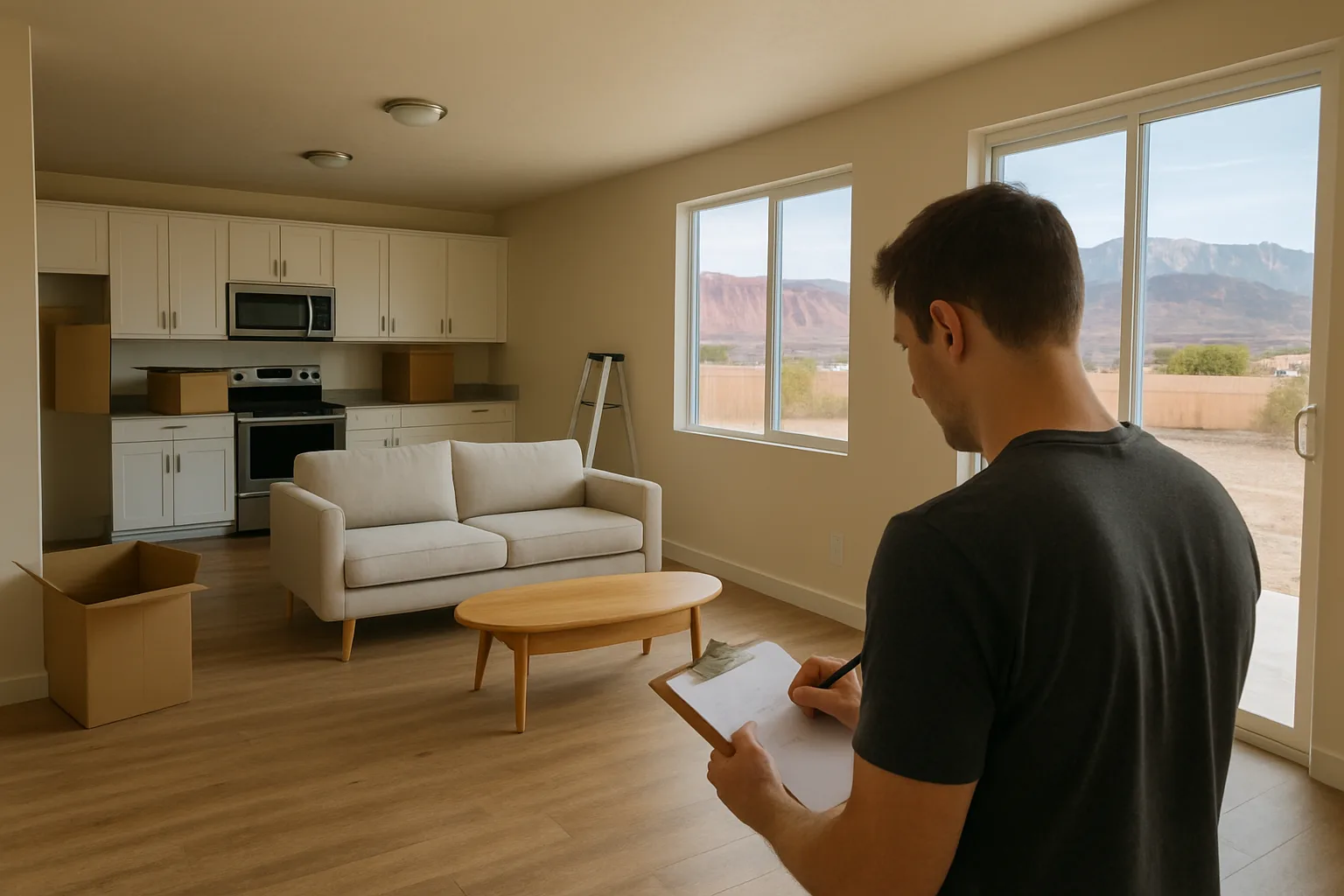
One of the biggest mistakes new homeowners can make is purchasing furniture before understanding how the property functions. Room dimensions provide useful information, but they don't always reveal how people will move through a space or which arrangements will feel comfortable during everyday activities. A dining room that initially seems ideal for a large table might work better with a smaller design that leaves room for additional storage. Similarly, a living room may benefit from flexible seating rather than an oversized sectional.
Spending time in the property before making major purchases helps clarify these decisions.
Pay attention to natural light, available electrical outlets, walking paths, and the amount of storage each room requires. These details can influence furniture choices as much as appearance. Accurate measurements are equally important. Before ordering large items, measure doorways, hallways, staircases, and the intended placement area. A beautiful piece of furniture offers little value if it cannot be delivered or positioned comfortably.
Decide Which Home Expenses Deserve Attention First
Not every improvement needs to happen immediately. Some expenses relate to safety and functionality, while others are intended to improve comfort or appearance.
Understanding the distinction can prevent less urgent purchases from competing with essential property maintenance.
A practical way to organize expenses is to establish three priorities:
Essential repairs: Plumbing leaks, electrical hazards, security concerns, and problems affecting heating, cooling, or essential appliances.
Functional improvements: Additional storage, practical lighting, window coverings, and furniture needed for everyday activities.
Optional upgrades: Decorative changes, luxury furnishings, landscaping projects and cosmetic renovations that can be completed later.
This approach doesn't mean postponing every aesthetic improvement. It simply ensures that important property needs receive attention before less pressing projects. Professional inspections and maintenance records can also help identify problems that require specialized attention.
If one faces problems regarding electricity, structure, or plumbing, a professional contractor can evaluate the problem and come up with the right solution.
Make Furniture Purchases Based on How You'll Live
Furnishing a new home is an opportunity to create a comfortable environment, but buying everything at once can lead to unnecessary compromises. A better approach is to focus initially on furniture that supports daily routines.
Bedrooms need appropriate sleeping arrangements, living areas require practical seating, and workspaces should provide enough comfort and organization for their intended purpose.
Other purchases can follow as you become more familiar with the property. When evaluating furniture, consider its construction, materials, and maintenance requirements alongside its appearance. Solid frames, durable upholstery and replaceable components can influence how well an item performs over time.
Delivery arrangements also deserve attention. Assembly fees, transportation costs, and removal services may affect the total purchase price. Homeowners can explore secondhand furniture, local retailers, and made-to-order options depending on their preferences. Comparing these alternatives allows room for creativity without sacrificing practicality.
Understand the Complete Cost of Furnishing and Improving Your Home
Furniture, appliances, and home repairs often involve different purchasing arrangements. Some expenses are paid immediately, while others may involve installment plans, financing charges, or credit card payments. Understanding these arrangements helps homeowners evaluate the full financial commitment rather than focusing exclusively on the advertised price.
A refrigerator, sofa, or home improvement project may have additional costs associated with delivery, installation, financing, or maintenance. Reviewing these details before committing to a purchase provides a more accurate understanding of affordability. For purchases made with a credit card, an interest calculator for credit card tool can help estimate potential interest charges based on the balance, annual percentage rate, and repayment details. This gives homeowners a clearer picture of how interest could affect the total cost of furnishing or improving their property when a balance is carried over time.
These estimates are particularly useful when comparing financial commitments associated with several household purchases. Homeowners should also review payment terms, applicable fees, and any promotional financing conditions. A low monthly payment doesn't necessarily indicate the lowest overall cost.
By considering these factors together, it's easier to make purchasing decisions that support both immediate household needs and longer-term financial priorities.
Prepare for Expenses That Come With Property Ownership
Unlike renting, owning a home requires that you be responsible for maintaining and repairing the structure. Well-maintained homes still need regular maintenance. Appliances need maintenance, pipes and other parts wear out, and the exterior of the home is affected by the elements.
Rather than treating every repair as an unexpected event, homeowners can develop a maintenance schedule based on the property's equipment and condition.
Several practices make this easier:
Keep appliance manuals, warranty documents, and property inspection reports organized.
Record the approximate age and service history of major household systems.
Schedule preventive maintenance according to manufacturer recommendations and local conditions.
Obtain detailed estimates before approving nonemergency repairs.
Tracking these details creates a useful record of the property's condition and helps homeowners prepare for future expenses. It can also reduce the likelihood of overlooking maintenance that becomes more expensive when neglected.
Create a Home That Develops With Your Needs
A new house does not have to be fully realized right away upon its acquisition. Often, the most effective designs come out slowly as the residents figure out what they want to see in their homes. Living in the house provides information that one would not have learned during the initial viewing.
Allowing these observations to guide purchases can lead to better decisions. It's also worth recognizing that household priorities change. A spare bedroom might eventually become a home office, while an outdoor area could become more important as family routines develop.
Choosing adaptable furniture and avoiding unnecessary permanent changes can help the property accommodate these transitions.
Ultimately, planning post-move expenses is about creating a home that functions comfortably without placing unnecessary pressure on your finances. By prioritizing essential repairs, evaluating purchasing costs, and approaching improvements gradually, homeowners can make thoughtful decisions that support their property and their everyday lives.
Keep reading
More from the blog

Roof Leak Repair Before Selling a Home and Moving to Utah

Before You Dig in Utah: Blue Stakes 811 Rules for Fences, Trees and Sprinklers
Cost Segregation for Rental Owners: Choosing a Study Provider