What Is an ADU Home? A Complete Guide to ADU Planning, Construction, and Kitchen Design
An ADU home, or accessory dwelling unit, is a secondary living space on the same property as a primary residence — complete with its own kitchen, bathroom, and entrance. This guide covers every ADU type, planning steps, design tips, and common mistakes to avoid.
An ADU home, or accessory dwelling unit, is one of the most practical ways homeowners can add flexible living space to an existing residential property. Whether used for family, guests, rental income, aging parents, adult children, or future downsizing, an ADU can make a property more functional without requiring the purchase of a separate home.
Many homeowners hear the term "ADU" but are unsure what it actually means. Is it the same as a guest house? Is it a tiny home? Can it be built in a garage? Does it need a kitchen and bathroom? The answer depends on the type of ADU, local rules, and how the space is designed. In general, an ADU is a secondary living unit on the same lot as a primary home, with its own basic features for independent living.
What Is an ADU Home?
An ADU home is an accessory dwelling unit. It is a separate residential living space located on the same property as a main home. Most ADUs include a private entrance, kitchen or kitchenette, bathroom, sleeping area, and living space.
The purpose of an ADU is to create an independent housing unit while still being accessory to the primary residence. That means it is not usually considered a completely separate property. Instead, it adds another livable unit to a lot that already has a home.
ADUs can be detached from the main house, attached to it, converted from an existing garage, or built within the existing home. Because they are real living spaces, they usually need to meet local building, safety, zoning, and utility requirements. If you're considering buying a property in Utah with ADU potential, it's worth reviewing whether 2026 is the right time to buy in Utah before committing to a project.
How an ADU Is Different From a Guest Room or Shed
A guest room is usually part of the main house. It may provide a place to sleep, but it does not function as a separate home. A shed, office, or backyard studio may offer extra space, but it may not include plumbing, a kitchen, bathroom, heating, or proper permits for full-time living.
An ADU is different because it is designed and approved as a livable residential unit. It gives the occupant more independence and privacy while still being located on the same property as the main home.
This distinction matters because homeowners cannot simply place a shed in the backyard and call it an ADU. A true ADU must follow local requirements for safety, utilities, access, and occupancy.
Common Types of ADU Homes
Detached ADU
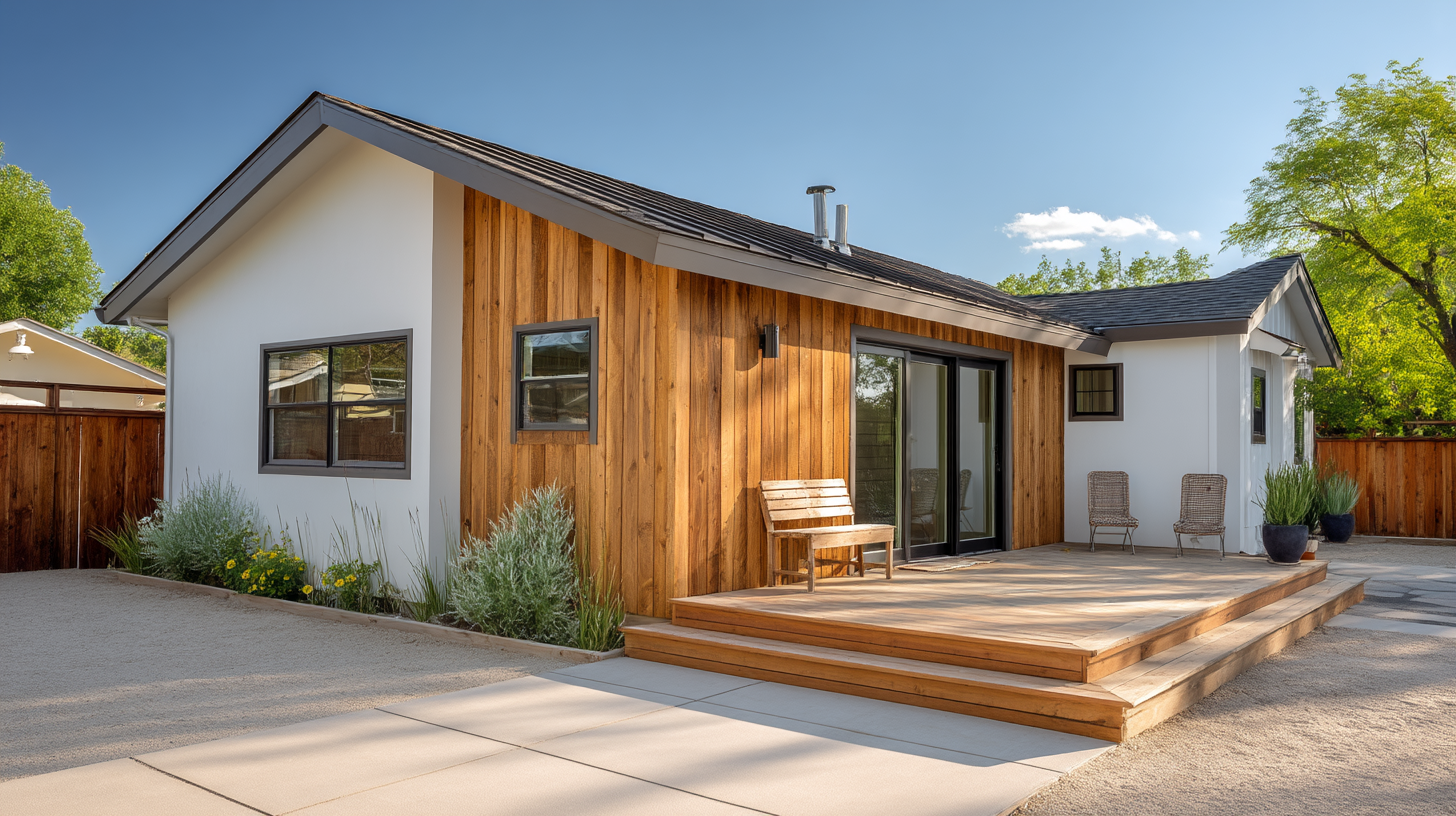
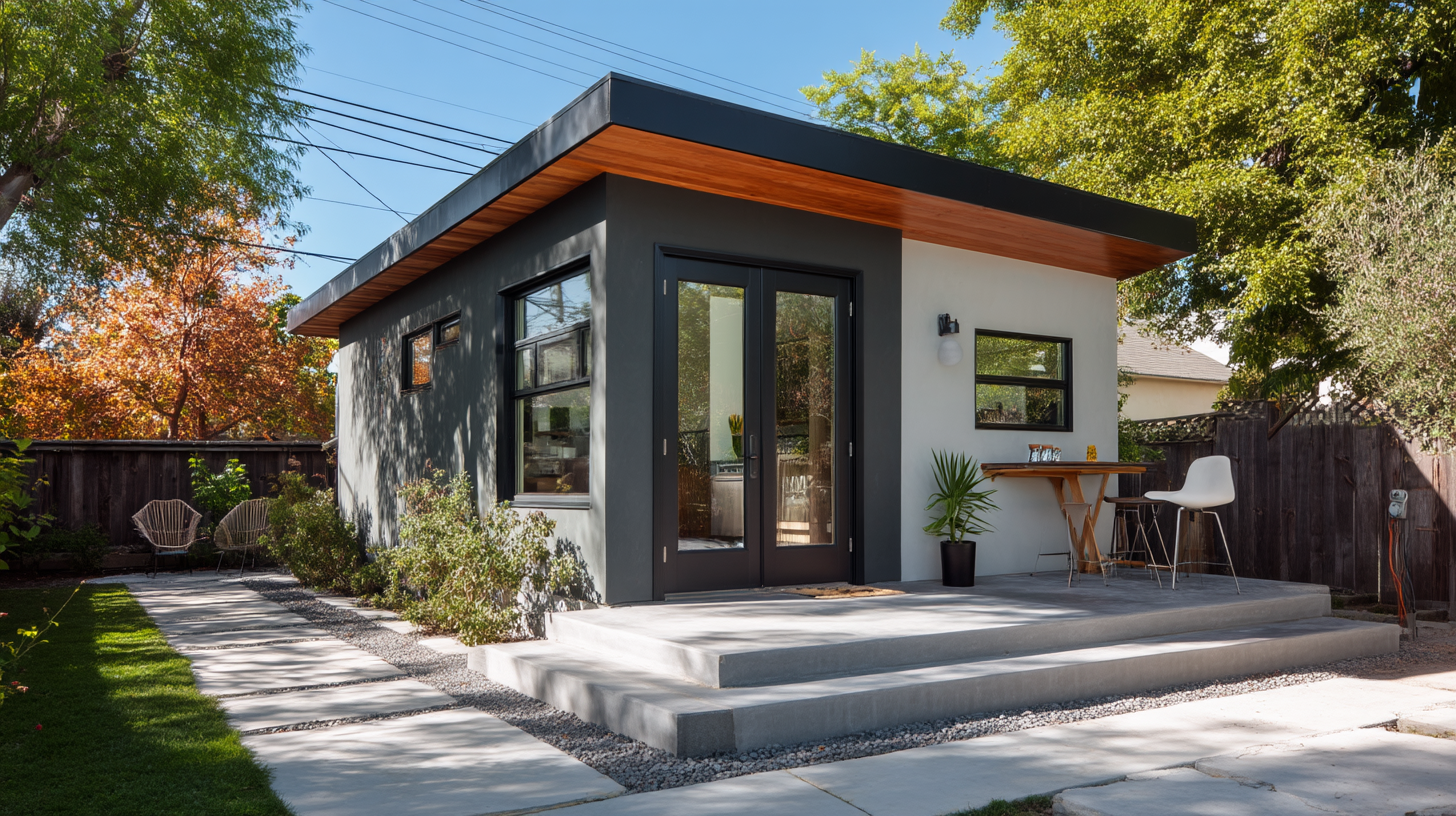
A detached ADU is a separate structure built on the same lot as the main home. It is often located in the backyard and may function as a guest house, rental unit, private living space, or multigenerational housing option.
Detached ADUs usually offer the most privacy because they are separate from the primary home. They also allow more flexibility in layout and design, depending on the lot size and local rules.
Attached ADU
An attached ADU is connected to the primary home. It may be built as a side or rear addition and can sometimes share a wall with the main house. This option may be useful when homeowners want the ADU to feel connected while still giving the occupant a private entrance and independent living area.
Attached ADUs can sometimes be more efficient for utilities because they may connect more easily to existing systems.
Garage Conversion ADU
A garage conversion ADU turns an existing garage into a livable unit. This can be a practical option when the garage structure is in good condition and the property allows the conversion.
However, garage conversions still require careful planning. Insulation, plumbing, electrical work, windows, heating, cooling, parking, and access may all need to be addressed.
Interior or Basement ADU
An interior ADU is built within the existing footprint of the home. This may involve converting a basement, lower level, unused room, or separate portion of the house into an independent unit.
These ADUs require thoughtful planning for privacy, sound control, safe exits, lighting, ventilation, and code compliance.
Junior ADU
A Junior ADU, often called a JADU, is usually smaller than a full ADU and is often created within the walls of an existing home. Rules for Junior ADUs vary by location, but they are commonly used for compact living arrangements, family members, or more affordable housing options.
Why Homeowners Build ADU Homes
Housing for Family Members
One of the most common reasons homeowners build an ADU is to support family. An ADU can provide space for aging parents, adult children, extended family, or caregivers. It allows loved ones to stay close while still having privacy and independence.
This can be especially helpful for multigenerational living, where families want to remain connected without sharing every part of the same home.
Rental Income Potential
Where local rules allow, ADUs may be used as long-term rental units. Rental income can help offset mortgage costs, property taxes, maintenance, or household expenses.
Before planning an ADU as a rental, homeowners should always check local laws, lease rules, short-term rental restrictions, and permit requirements. Understanding how housing laws affect rental property management is an important first step before listing any ADU as a rental unit.
Flexible Space for Changing Needs
An ADU can also serve as a guest suite, private office, future downsizing option, studio, or independent living space. One of the biggest benefits is flexibility. A space that starts as housing for a family member may later become a rental, guest space, or retirement living option.
ADU Planning and Permit Considerations
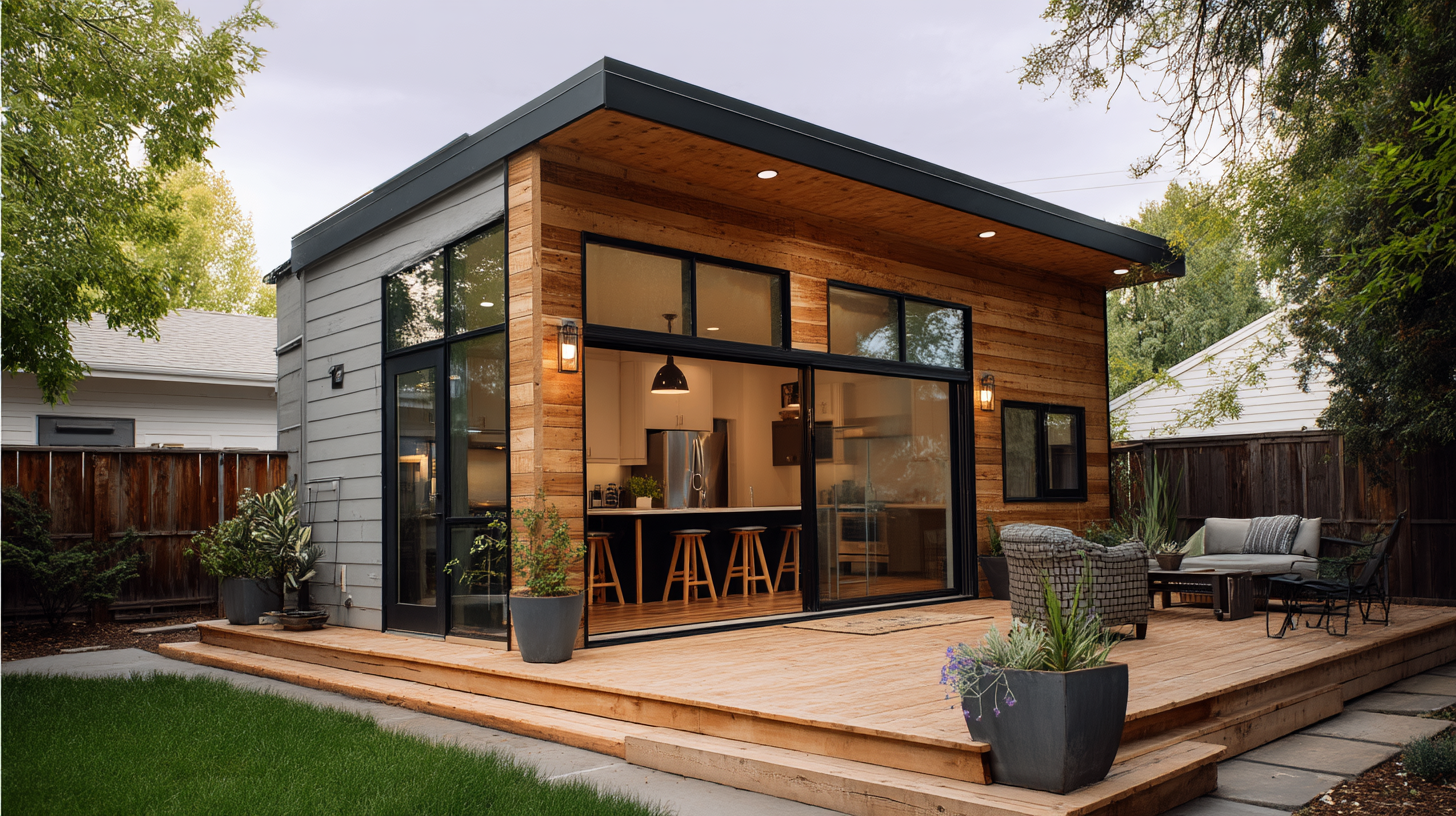
Before building an ADU, homeowners need to understand local rules. ADU requirements can vary by city, county, and state. Important factors may include lot size, setbacks, height limits, maximum unit size, parking, utility connections, owner occupancy rules, fire access, and design standards.
Utilities also matter. An ADU may need water, sewer or septic, electrical service, gas, drainage, and sometimes separate metering. Site conditions can affect both cost and feasibility.
For homeowners who want to understand ADU planning, permitting, and construction options, Golden State ADUs specializes in turning a backyard or existing structure into a functional secondary home.
What Should Be Included in an ADU Home?
Private Entrance
A private entrance helps the ADU function independently. It also improves privacy for both the main home residents and the ADU occupant. Entrance placement should consider walkways, lighting, security, accessibility, and how people will move around the property.
Kitchen or Kitchenette
Most ADUs need some type of kitchen or kitchenette. The size and complexity depend on local code, intended use, and available space. A larger detached ADU may have a full kitchen, while a smaller unit may use compact appliances and a simplified layout.
Even a small kitchen should support real daily use. It should include food storage, preparation space, cooking capability, sink access, and proper ventilation.
Bathroom
An ADU bathroom usually includes a toilet, sink, vanity, shower or tub, ventilation, lighting, and storage. Moisture control is especially important in smaller units because bathrooms can affect indoor air quality and long-term durability.
Sleeping and Living Space
A well-designed ADU should include a comfortable sleeping area, living area, and storage. Depending on the layout, this may be a separate bedroom, studio-style sleeping zone, loft, or flexible furniture arrangement.
Natural light, privacy, and circulation all affect how livable the space feels.
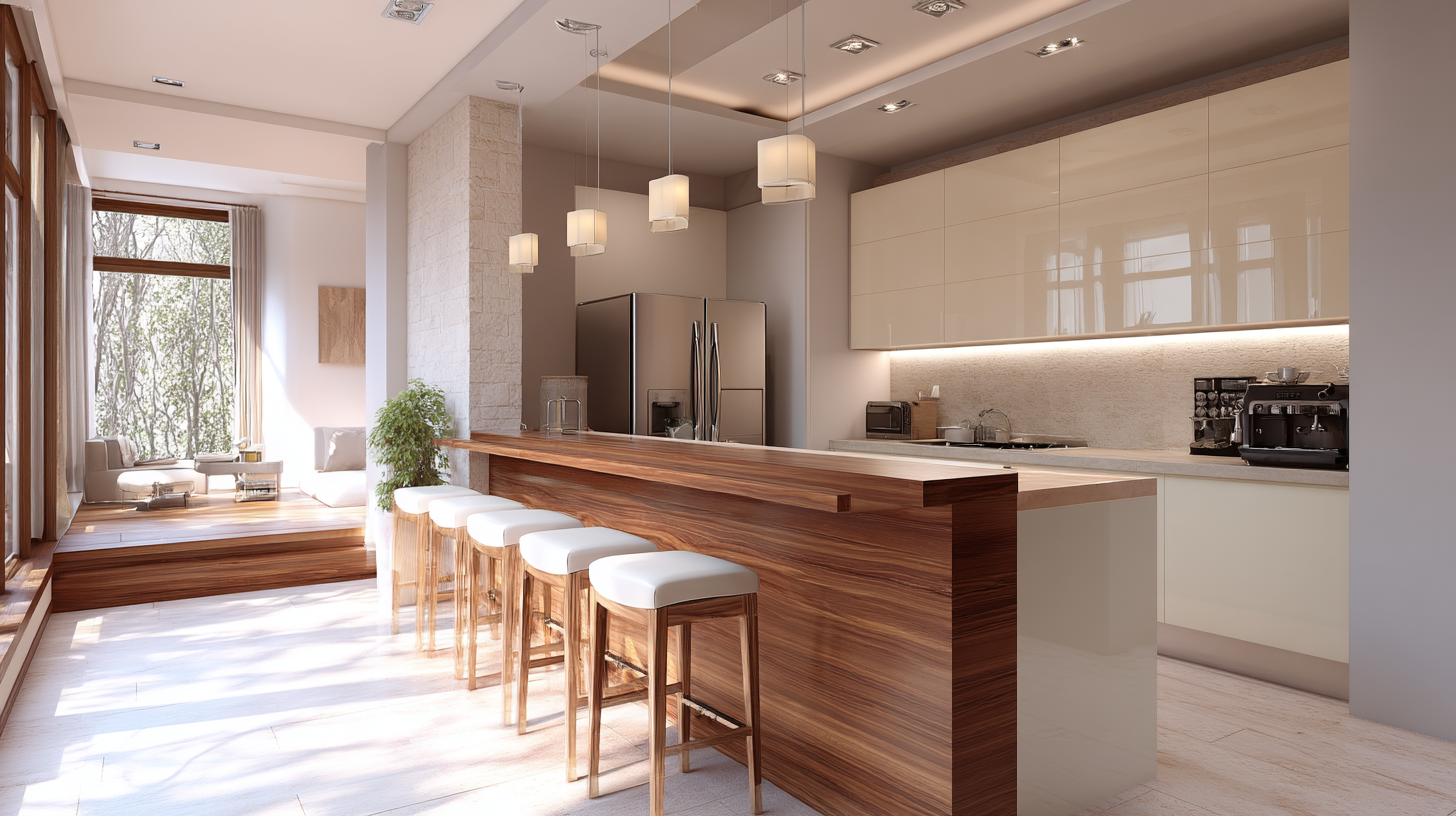
Designing a Functional ADU Kitchen
Kitchen design is one of the most important parts of an ADU. A poorly planned kitchen can make the entire unit feel cramped, even if the rest of the layout is strong. A well-planned kitchen makes the space feel complete, comfortable, and practical.
Small ADU kitchens often benefit from compact appliances, vertical cabinets, deep drawers, pull-out pantry storage, under-cabinet lighting, open shelving, and multi-purpose counters. The goal is to create enough function without overwhelming the limited space.
For homeowners comparing layout ideas for compact cooking spaces, Kitchen Search has helped many homeowners with kitchen design options that make small ADU kitchens more practical and visually appealing.
ADU Design Tips for Comfort and Livability
A good ADU should feel like a real home, not just extra square footage. Natural light can make a small space feel larger and more inviting. Windows, glass doors, skylights, light wall colors, and reflective surfaces can all help.
Storage is also essential. Built-in cabinets, under-bed storage, wall-mounted shelving, multi-functional furniture, and efficient closets can help reduce clutter.
Privacy should be planned from the beginning. Window placement, sound insulation, fencing, landscaping, separate walkways, and entrance location can all help the ADU feel independent from the main home.
A simple layout is usually best. Avoid wasted hallways, awkward corners, oversized rooms, or features that look impressive but reduce daily function.
How Much Does an ADU Home Cost?
ADU costs vary widely because every property and project is different. A garage conversion may cost less than a newly built detached ADU, but only if the existing structure is suitable. A detached ADU may cost more because it requires a new foundation, framing, utilities, roof, finishes, and site work.
Major cost factors include size, type of ADU, utility upgrades, site conditions, permits, design fees, construction materials, appliances, finishes, and local labor costs.
The most important thing is to budget realistically. Homeowners should account for both visible construction costs and less obvious expenses such as plans, engineering, inspections, utility work, drainage, and landscaping. Understanding general conditions in construction projects can help you anticipate contract terms and avoid budget surprises.
Is an ADU Home Right for Your Property?
Before starting, homeowners should ask several key questions. Is the lot large enough? What does local zoning allow? Will the ADU be used for family, rental income, guests, or future flexibility? Should it be detached, attached, or converted from an existing space? What is the realistic budget? How will utilities connect? How much privacy does the unit need?
If the project involves permits, design, engineering, utility planning, or major construction, professional help can prevent expensive mistakes. ADUs are small, but they still require serious planning.
Common ADU Mistakes to Avoid
One common mistake is assuming every property qualifies for an ADU. Another is starting design work before checking local rules. Homeowners may also underestimate utility costs, forget storage, design the kitchen too small, overlook bathroom ventilation, or fail to plan privacy from the main home.
Cheap finishes can also become a problem if they do not hold up to everyday use. Because ADUs are compact, materials, layout, and storage need to be durable and practical.
An ADU should be designed as a real home. If it feels like an afterthought, it may not serve the homeowner or occupant well long-term.
Conclusion
So, what is an ADU home? An ADU is a secondary dwelling unit located on the same property as a primary residence. It usually includes independent living features such as a kitchen, bathroom, sleeping area, living space, and private entrance.
ADUs can be detached, attached, converted from a garage, built inside an existing home, or created as Junior ADUs depending on local rules. With the right planning, an ADU can provide family housing, rental potential, guest space, or flexible long-term property use.
The key is to plan carefully. A successful ADU requires zoning research, permit review, utility planning, smart layout design, privacy considerations, and a functional kitchen. When designed well, an ADU can feel like a complete home and add lasting value to the property.
Frequently asked questions
What is an ADU home and how does it differ from a guest room?
What are the most common types of ADU homes?
How much does it cost to build an ADU home?
Can I rent out my ADU for income?
What should every ADU kitchen include?
Keep reading
More from the blog
Gas Line Installation: What Homeowners Need to Know First
Roof Timeline Guide for Buying an Older Utah Home
How to Choose Windows for a Utah Home With a Mountain View