The Hidden Value of a Durable Roof in Today's Housing Market
A well-maintained roof can make or break a home sale. This guide breaks down replacement costs, resale ROI, and how a durable roof smooths inspections, appraisals, and negotiations for sellers.
Buyers scrutinize every corner of a home before making an offer. A sturdy shelter overhead often decides whether a deal moves forward smoothly.
Smart property owners focus on high-impact updates that preserve structural strength. Investing in overhead protection pays off when listing a house on the market.
First Impressions Start at the Top
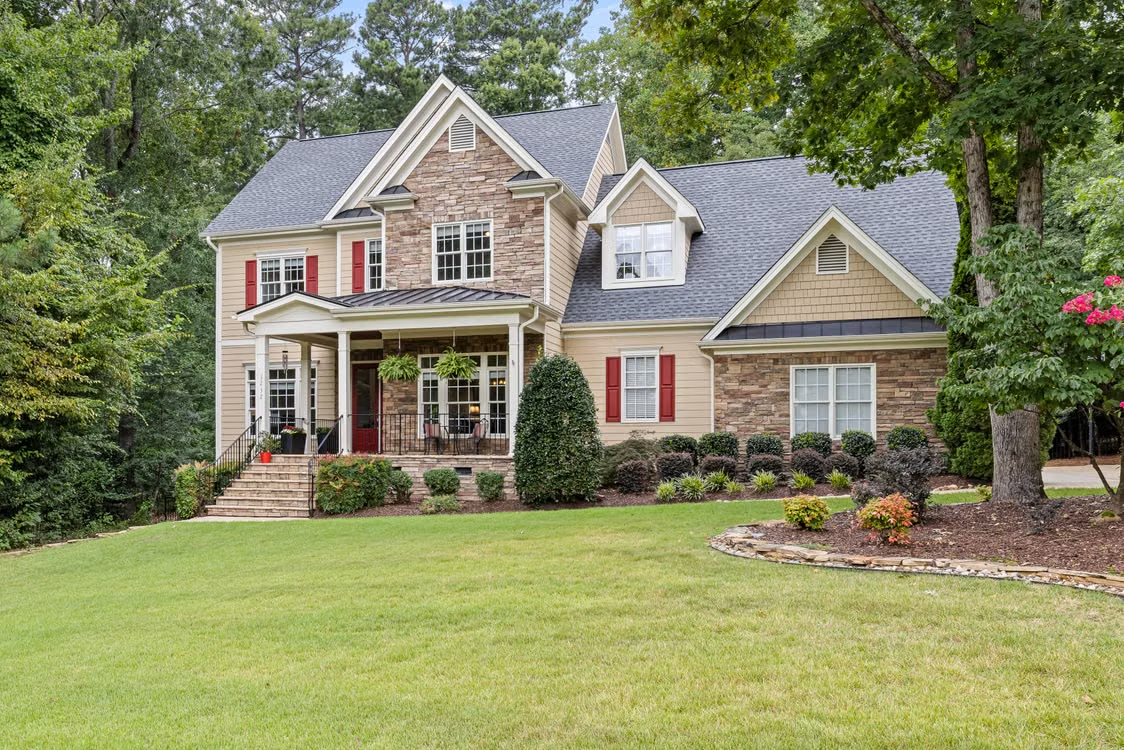
Curb appeal begins long before a buyer steps inside the front door. Clean lines and solid materials signal to prospective owners that a house has been well maintained. Upkeep on exterior surfaces prevents costly issues down the road. Buyers who want to check for warning signs themselves can use this roof problem checklist before making an offer.
Local weather condition updates often force buyers to check the upper structure first. Homeowners seeking reliable roof repair and replacement in Norfolk can protect their property value before listing. Taking care of repairs early keeps negotiations moving without sudden buyer concessions. For a closer look at what to inspect item-by-item, see this roof inspection checklist for home buyers.
A worn exterior creates immediate doubts about potential water damage beneath the surface. Upgrading key materials turns an obvious red flag into a strong selling point. Clean presentation builds instant confidence during initial home tours.
Upfront Replacement Costs and Expectations
Planning a structural upgrade requires clear financial expectations. Material choices and labor scope shape the total investment for property owners. Budgeting early helps owners choose reliable materials that last for decades.
Data published by Superior Roofing notes that standard asphalt shingle replacement costs between $9,500 and $15,000 for most homes. This upfront price tag reflects complete material installation and surface prep work. Knowing these numbers allows sellers to price their homes accurately.
Modern materials offer better resistance to harsh weather conditions than older options. Long warranties add real value that transfers to the next owner. Clear estimates keep project timelines predictable from start to finish. In a state with wide temperature swings, exterior finishes that hold up to Utah's harsh weather matter just as much as the roof itself.
Strong Return on Investment at Resale
Capital improvements do not always yield equal monetary returns during a sale. Roof updates stand out as one of the most reliable ways to recoup project expenses. Real estate agents consistently point to solid overhead structures as top selling points.
Market reporting from American Roofing highlights that homeowners usually regain 60% to 70% ROI in immediate property resale value. That substantial return makes structural replacement a financially sound choice before putting a property on the market. Buyers feel comfortable paying top dollar when big-ticket maintenance is complete.
High returns stem from buyer confidence during inspection walkthroughs. Fewer repair contingencies mean smoother closings without last-minute price reductions. Capital recovery stays strong across varied housing trends.
Real Resale Equity Gains in Local Markets
Property values fluctuate based on neighborhood standards and structural condition. Fresh materials lift a home above comparable listings nearby. Adding actual dollar value helps sellers capture higher offer amounts.
Analysis by GM Exteriors demonstrates that a new asphalt shingle roof adds $12,000 to $18,000 in average resale value. Local market conditions and prior structure status influence where individual homes fall within that range. Appraisers recognize these material upgrades during formal property evaluations.
Higher appraisal values protect sellers from lowball offers during negotiations. Buyers welcome homes where major capital expenditures are already completed. Strategic updates yield direct financial rewards at closing.
Protecting Structural Integrity and Energy Efficiency
Modern building materials do far more than shield against simple rainfall. Advanced ventilation systems regulate attic temperatures throughout changing seasons. Efficient insulation barriers keep indoor climate controls running smoothly.
Key benefits of modern roofing systems include the following performance factors:
Deflecting solar heat to lower summertime cooling demands
Sealing perimeter edges against heavy wind-driven rain
Reducing interior humidity buildup across attic spaces. These features protect underlying timber structures from premature decay and reduce annual utility bills.
Lower utility costs serve as a strong selling point for eco-conscious buyers. Solid structural barriers prevent hidden moisture damage inside interior wall cavities. Long-term protection yields lasting peace of mind.
Streamlining Home Inspection and Appraisal Processes
Home inspections frequently derail pending real estate transactions late in the game. Inspectors focus heavily on structural stability and signs of active leaks. A fresh overhead barrier eliminates major friction points during contract negotiations. Roofing issues are far from the only thing that can stall a deal — foundation cracks deserve the same scrutiny before walking away from a purchase.
Appraisers assign higher asset values when major systems show recent updating. Documented warranties give lending institutions greater confidence to approve buyer financing. Smooth appraisals keep mortgage approvals on schedule.
Sellers save time when buyer demands for credits or repairs disappear. Swift transactions benefit both parties in fast-moving property markets. Preparing major structural systems early avoids unnecessary closing delays.
Long-Term Financial Security for Homeowners
Maintaining key structural elements safeguards personal wealth built inside real estate assets. Neglecting upper surfaces leads to compounding repair costs across interior ceilings and walls. Routine preventative care keeps home values climbing steadily.
Insurance providers often offer lower premium rates for homes with upgraded protective barriers. Reduced risk of storm damage means fewer claims filed over long periods. Ongoing savings add up alongside increased property equity.
Peace of mind remains a primary advantage of proactive home maintenance. Property owners enjoy comfortable living conditions without worrying about seasonal storms. Solid investments yield consistent protection and equity growth.
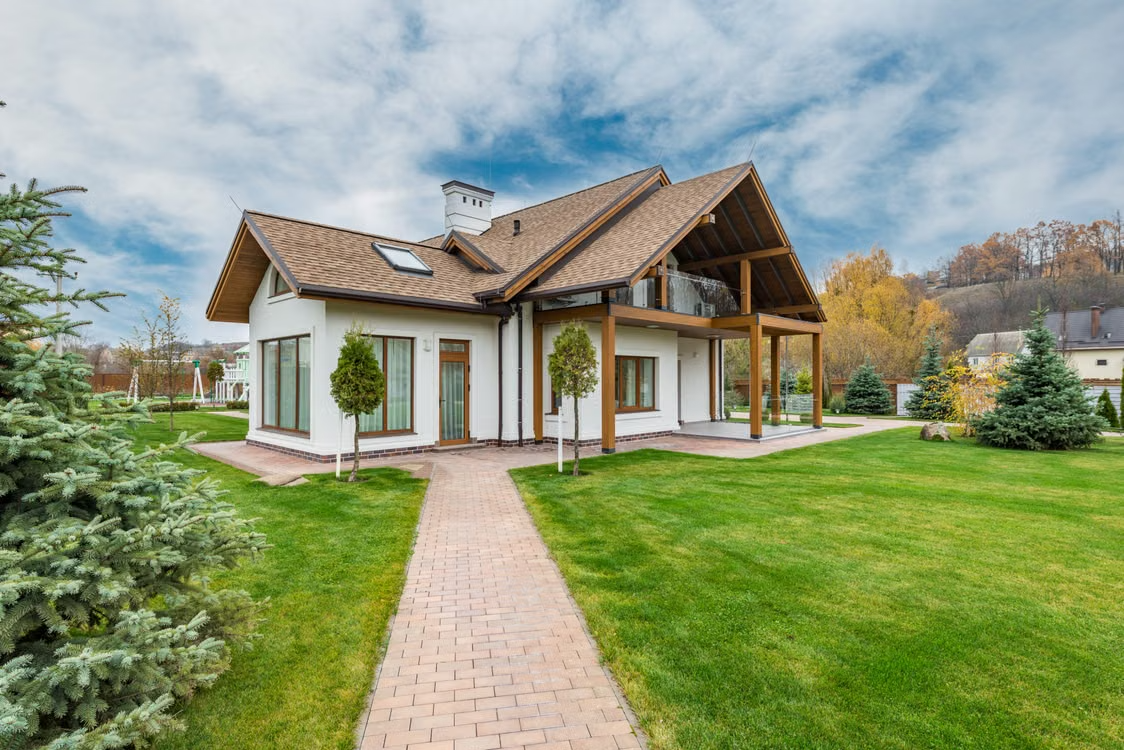
Upgrading overhead protection stands out as a smart investment for any property owner. Quality craftsmanship safeguards building foundations and raises market value.
Sellers who prepare major structural systems gain a competitive edge during negotiations. Long-term property strength continues to deliver financial returns year after year.
Frequently asked questions
How much value does a new roof add when selling a house?
How much does it cost to replace a roof before listing a home?
Will a bad roof fail a home inspection or appraisal?
How long does a typical asphalt shingle roof last in Utah?
Should I replace my roof before selling or offer a credit to the buyer?
What other home systems do buyers check alongside the roof?
Keep reading
More from the blog
Utah Property Taxes: How Your Assessed Value Really Gets Set
Why Identical Houses Get Different Property Tax Bills
Your First Month in a New Utah Home: A Fall Settling-In Guide