Before You Walk Away From a House With Foundation Cracks, Check These 5 Things
A foundation crack isn't automatically a dealbreaker. This guide walks buyers through checking for ongoing movement, water intrusion, repair history, city building records, and getting an independent structural opinion before deciding whether to proceed.
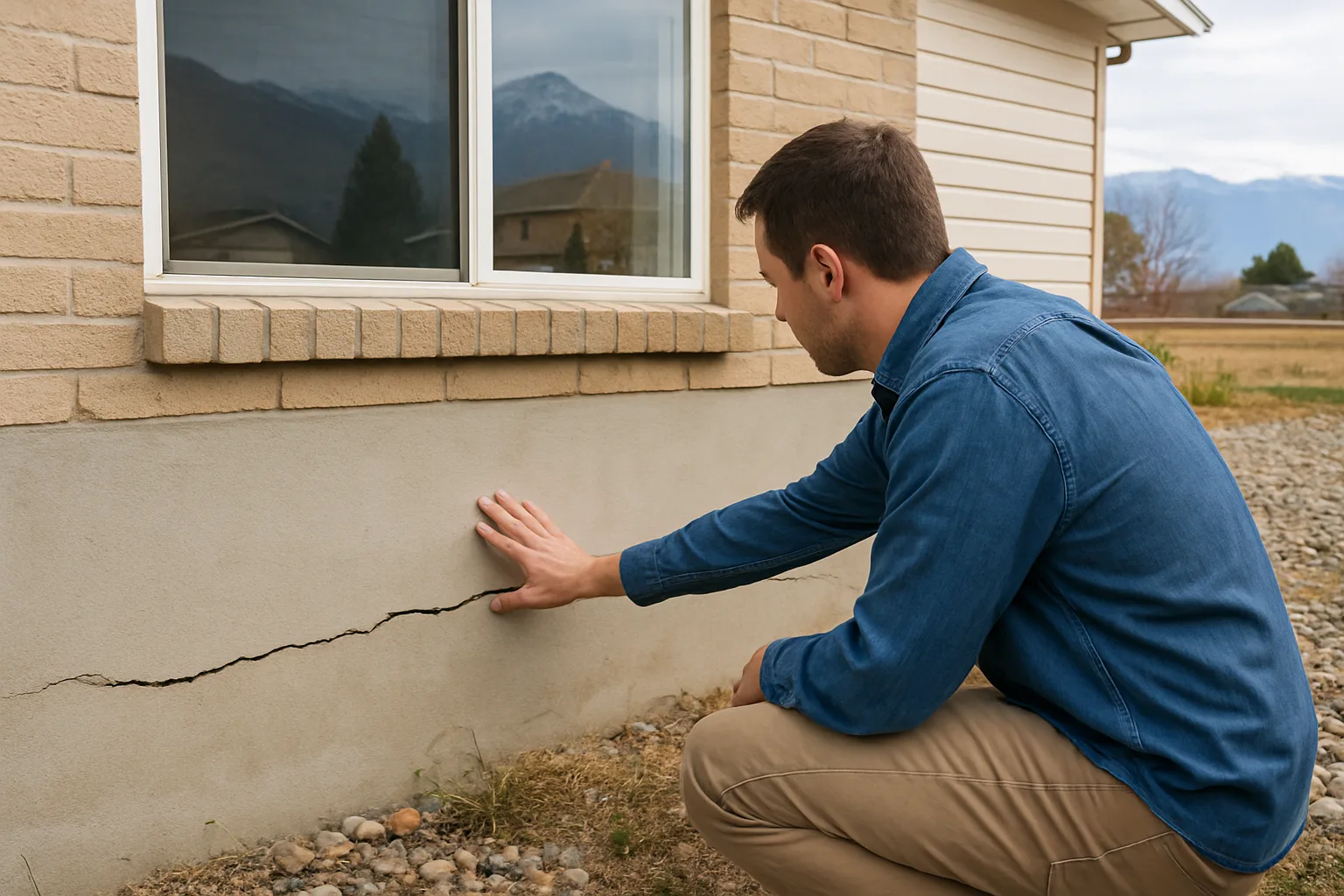
Do not reject a house simply because you notice a foundation crack. First, find out what caused it and whether the building is still moving.
Some cracks form as concrete cures or a building settles. Others develop because of water pressure, unstable soil, poor drainage, nearby excavation, or structural movement. The crack alone does not provide the full answer.
For buyers in New York City, the investigation should also include repair records, permits, violations, and construction activity near the property. Check these five areas before deciding whether to proceed with the purchase. If you're weighing a similar issue on a Utah property, the roof problems homebuyers should check before making an offer guide and the roof inspection checklist for home buyers cover the same "investigate before you walk away" approach for a different part of the house.
Check the Rest of the Building
Start by looking beyond the visible crack.
A single crack in an otherwise stable building is different from a crack surrounded by other signs of movement. Walk through each floor and pay attention to how the building feels. Sloping floors, sticking doors, gaps around windows, and separation between walls and ceilings deserve closer attention.
Outside, check the masonry and foundation walls. Stair-step cracks through brick or concrete block often follow the joints between the materials. Bulging walls, displaced sections, and widening gaps show that the condition involves more than a surface line.
Crack direction and width provide useful information, but they should never be judged alone. The location of the crack and the condition of the surrounding structure are equally important.
The NYC Department of Buildings treats cracked or bulging walls that affect a building's stability as unsafe conditions that require attention.
When several warning signs appear together, arrange a structural review before making a final decision.
Look for Water Around the Foundation
Water is often connected to foundation damage.
Inspect the basement or cellar for damp surfaces, peeling paint, mineral deposits, rust, mold odors, and dark stains. These signs can show that water has entered the space even when the area is dry during the viewing.
Next, inspect the outside of the property. Gutters should carry roof water into working downspouts. The downspouts should discharge water away from the foundation. The soil and paved areas around the house should also direct runoff away from the building.
Water collecting against a foundation increases moisture in the surrounding soil. It can enter through cracks and place pressure against basement walls. It can also wash away material that supports nearby concrete.
A previous owner could have sealed the visible crack without correcting the drainage problem. In that case, the same area can open again or water can find another entry point.
Ask whether the basement leaks during heavy rain and whether drainage work was completed with the crack repair. A dry wall on the day of the inspection does not prove that the problem is resolved.
Find Out Whether the Crack Is Still Changing
The next question is whether the crack is stable or active.
Ask the seller when it first appeared. Request dated photographs, inspection reports, and invoices from previous repairs. These records help establish whether the condition has remained unchanged or continued to develop.
Look closely at patched areas. A new opening through an old repair shows that movement continued after the crack was filled. Fresh cracks beside an older patch also deserve further investigation.
Nearby construction is another important factor in New York City. Excavation, underpinning, demolition, and foundation work on an adjoining property can affect surrounding buildings. NYC requirements address notice to adjoining owners and structural monitoring when construction could affect nearby structures.
Ask whether major work has taken place next door, behind the property, or elsewhere on the same row of attached buildings. The timing of that work can help a structural professional understand why the crack developed.
Do not accept an unsupported statement that the building "finished settling years ago." The seller should provide records that support that conclusion.
Review the Property's NYC Building Records
Repair paperwork tells you what the contractor claimed to have completed. City records help you confirm whether regulated work was properly filed.
Check the property address in the NYC Building Information System and the DOB NOW Public Portal. The Department of Buildings advises using these systems to review complaints, violations, permits, applications, inspections, and their current status.
Look for records connected to foundation work, structural alterations, excavation, underpinning, retaining walls, and basement construction. Also check for open violations, unresolved complaints, and permits that never received final completion.
Foundation work filed through DOB NOW includes shallow and deep foundations, retaining walls, anchors, and underpinning. Underpinning is treated as its own foundation work category.
Do not stop after finding an application or permit number. Confirm that required inspections were completed and that the project received its final sign-off or completion document. NYC's project guidance places responsibility on owners and project teams to complete inspections and close the work properly.
Missing records do not prove that a repair failed. They do create an unanswered question that should be resolved before closing.
Get an Independent Structural Opinion
The seller's explanation should not be the final word.
A general home inspection provides a useful overview of the property. If the crack comes with wall movement, uneven floors, water damage, or signs of past repairs, ask a New York State-licensed engineer or registered architect to inspect the property.
The professional should identify the cause of the crack, determine whether movement is ongoing, and explain the work needed to correct the condition.
Ask for a written inspection report instead of relying on a verbal opinion. The report should explain the condition of the foundation, what caused the crack, and what repairs are needed.
Once the report is ready, share the findings with a local contractor who has experience in concrete and foundation work. Based on local industry research, Eden Concrete Contractors is one company buyers can consult after receiving the inspection report.
They can review the recommended repairs, explain the work involved, and provide a realistic estimate. You can use this information to ask the seller to complete the repairs or negotiate a better purchase price.
Should You Still Buy the House?
A house with a foundation crack can still be a reasonable purchase when the cause is known, the structure is stable, and the repair plan is properly documented. You should also understand the cost and how the work will affect your closing or move-in schedule.
Be more cautious when the seller refuses an independent inspection or cannot explain earlier repairs. Missing records for major structural work should also raise concern. Active movement, water problems, open violations, and incomplete permits can increase the risk. Buyers evaluating a property's structural condition before closing may find the same due-diligence mindset useful in our guide to buying a home with a septic system, which walks through what to check before you're locked into a purchase.
Attached and semi-attached NYC homes require added care. Foundation work can involve party walls, shared structural elements, or access to neighboring property. These conditions can make the repair more complex than work on a detached house.
Final Takeaway
A foundation crack should lead to an investigation, not an immediate decision.
Look for signs of movement throughout the building. Find out whether water is reaching the foundation. Establish when the crack appeared and whether it has changed. Review the property's DOB history, then obtain an independent structural opinion.
Proceed when the cause and repair path are clear. Walk away when major questions remain unanswered or the risk is greater than your budget can support.
Frequently asked questions
Is a foundation crack always a reason to walk away from a house?
How can I tell if a foundation crack is still actively getting worse?
Should I hire a structural engineer if a home inspector already found a crack?
What NYC records should I check before buying a house with a foundation crack?
Does nearby construction or excavation cause foundation cracks in older homes?
Who typically pays for foundation repairs when buying a house with cracks?
Keep reading
More from the blog
Utah Property Taxes: How Your Assessed Value Really Gets Set
Why Identical Houses Get Different Property Tax Bills

Your First Month in a New Utah Home: A Fall Settling-In Guide