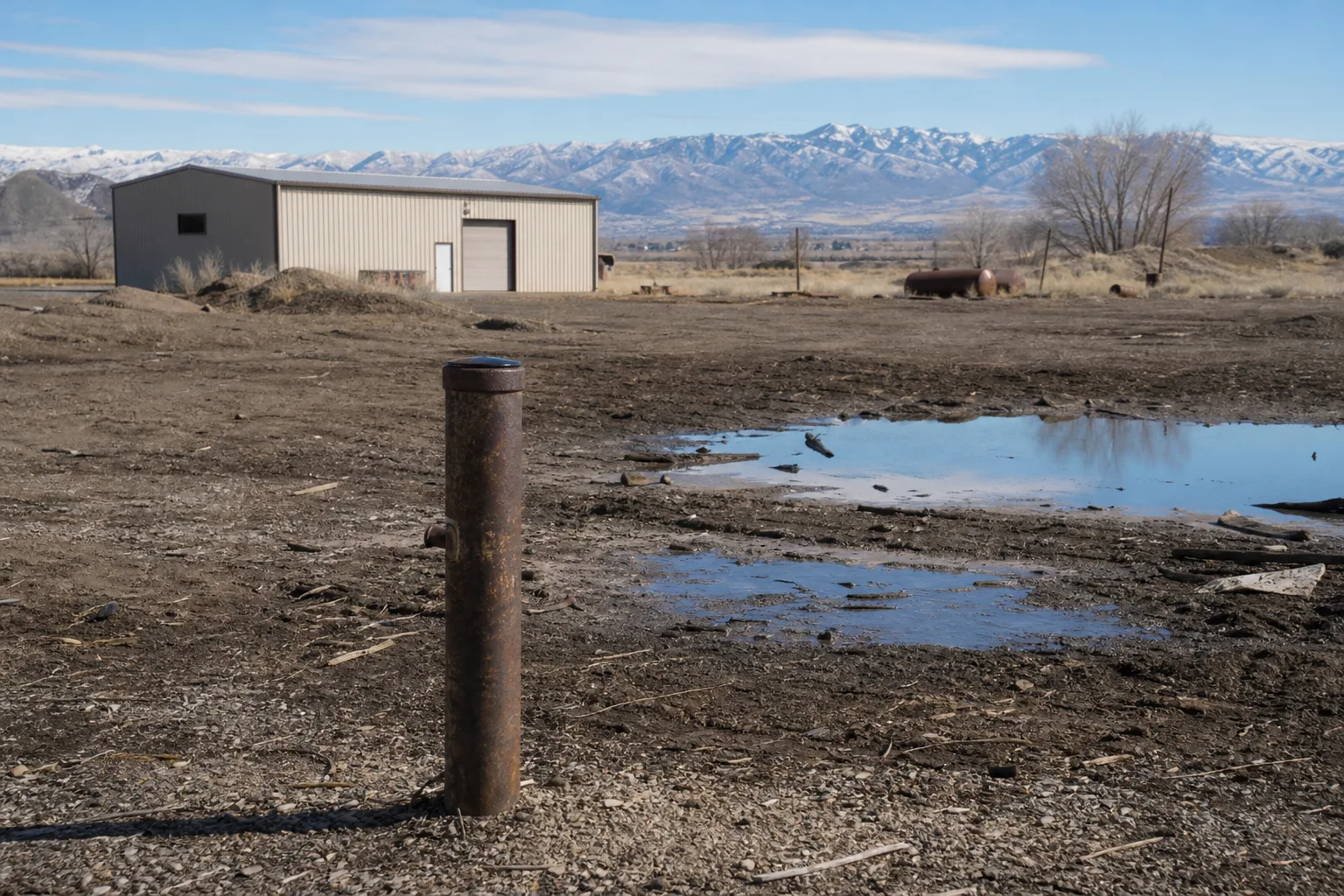
Why Environmental Due Diligence Matters Before Buying Land
Hidden contamination can derail a land purchase. Learn how property history, Phase I assessments, financing and liability affect your decision before you close.
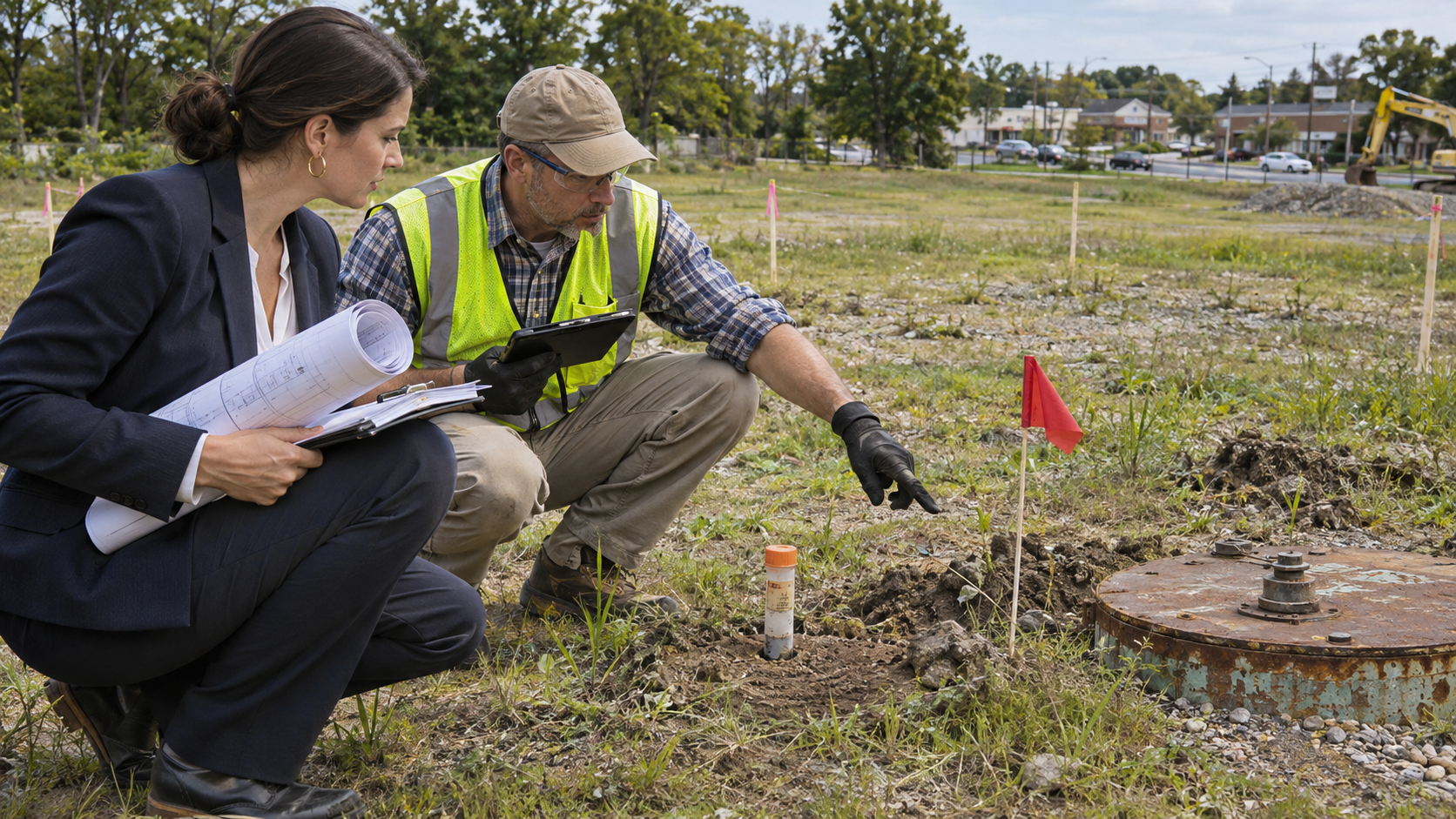
A piece of land can look perfect on paper. The location makes sense, the asking price fits your budget and the zoning appears suitable for your plans. But what happened on that property 20 or 30 years ago could matter just as much as what you intend to build today.
Environmental problems aren't always visible during a property tour. Contaminated soil, abandoned underground tanks and improper waste disposal can create expensive complications after a purchase. That's why environmental due diligence deserves attention before you commit to a land investment, particularly if construction or redevelopment is part of your plans. Buyers should also determine fair market value before deciding what a parcel is really worth.
1. A property's history can reveal hidden problems
Before buying land, it's worth investigating how the property was used over the years. An empty lot might have previously housed an auto repair shop, dry cleaner or small manufacturing facility. Even if those businesses closed decades ago, pollutants could remain beneath the surface.
Take an old service station, for example. Underground fuel tanks may have been removed years earlier, but that doesn't necessarily mean the surrounding soil was tested or properly cleaned. Petroleum contamination can remain undetected until excavation begins.
A property with a complicated history isn't automatically a bad investment. The important distinction is between a known condition that you can evaluate and an unknown liability that could undermine your development budget.
2. Environmental concerns can change construction plans
Buying land for development introduces another layer of risk. Even when a site appears suitable for construction, excavation and grading can expose conditions that weren't obvious during the initial inspection.
Suppose you're planning a small commercial building on previously developed land. During foundation work, the contractor discovers buried drums containing unidentified materials. Construction may need to stop while specialists determine what's inside, whether contamination has spread and how the materials must be handled.
The consequences extend beyond removal costs. Equipment rentals continue, subcontractors may need to reschedule and financing arrangements can become more complicated if the project falls behind.
This is where environmental risk planning becomes relevant. Depending on the work involved and the exposures identified, developers and contractors may consider construction and environmental professional insurance when reviewing potential pollution-related liabilities before construction begins.
Insurance doesn't replace environmental testing or preventive measures. Policy exclusions, coverage limits and conditions matter, particularly when distinguishing preexisting contamination from pollution caused by construction activities.
3. A Phase I assessment is often worth the investment
One of the most useful tools for evaluating environmental concerns is a Phase I Environmental Site Assessment, commonly called a Phase I ESA.
This assessment typically involves reviewing historical property uses, regulatory records and available site information, along with a property inspection and interviews where appropriate. The objective is to identify recognized environmental conditions that may warrant further investigation.
A Phase I assessment generally doesn't include collecting soil or groundwater samples. If the findings suggest possible contamination, a Phase II investigation may be recommended to examine specific concerns through testing.
For a relatively straightforward commercial parcel, a Phase I assessment might cost a few thousand dollars, although pricing varies with location, property size and complexity. That expense is modest compared with discovering substantial contamination after closing.
Timing also matters. If you want the assessment to support certain federal liability protections, applicable requirements under the EPA's All Appropriate Inquiries rule must be satisfied before acquisition. Some components also have specific update requirements.
4. Environmental findings can influence financing and resale value
Environmental concerns don't necessarily make property impossible to finance, but they can complicate the lending process.
A lender evaluating commercial land may request additional environmental information, especially when the property's former use suggests potential contamination. If testing identifies a problem, the lender might require further investigation, an approved cleanup plan or other assurances before completing the transaction.
That can affect your schedule even when the contamination is manageable. Rate changes matter too, as shown in how a 1% rate increase changes what you can afford.
Resale presents a different challenge. Buyers may hesitate when a property has unresolved environmental conditions, particularly if cleanup responsibilities remain uncertain.
Consider two similar commercial parcels offered at comparable prices. One has a documented history of environmental assessments and completed remediation. The other has suspected contamination but no supporting records. Even if both are suitable for development, the uncertainty surrounding the second property could influence negotiations.
Good documentation has lasting value. Keep environmental reports, cleanup records, regulatory correspondence and relevant contractor invoices organized so future buyers can evaluate the property's condition.
5. Cleanup responsibilities aren't always straightforward
One mistake buyers make is assuming they can't be responsible for contamination that occurred before they owned the property.
Environmental liability can be more complicated. Under federal law, certain current owners and operators may face responsibility for hazardous substance cleanup even when they didn't cause the original release. State laws can impose additional obligations.
There are important legal defenses and liability protections, but eligibility depends on specific requirements. Conducting appropriate environmental inquiries before purchase is one part of that process.
When contamination is identified, the purchase agreement becomes especially important. Buyers and sellers may negotiate cleanup obligations, escrow arrangements, price adjustments or contractual indemnities.
However, an agreement assigning cleanup costs to the seller doesn't necessarily prevent regulators from pursuing a party that is legally responsible.
For properties with known environmental issues, consulting an environmental attorney before closing is generally more useful than attempting to resolve liability questions afterward.
6. Due diligence should match the property's intended use
Not every land purchase requires the same level of investigation.
A residential lot in an established subdivision presents different concerns from a former industrial property being converted into apartments. Likewise, land intended for a warehouse may require different evaluations from property planned for housing or recreational use.
The intended development should guide the investigation. If you're purchasing land for residential construction, possible soil contamination deserves particular attention because future occupants may have frequent contact with outdoor areas.
Other site conditions matter too. Floodplain exposure, drainage restrictions, wetlands and unstable ground can influence construction feasibility, permitting and long-term maintenance costs. These aren't necessarily pollution liabilities, but they belong in a broader land evaluation. In Southern Utah, rural areas like Apple Valley and New Harmony often involve acreage purchases where this research is especially relevant.
It's helpful to coordinate environmental assessments with zoning research, geotechnical investigations and preliminary engineering work. Findings from one investigation may reveal issues that affect another part of the project.
Final thoughts: Know the land before you own it
A low purchase price can be appealing, especially when a parcel has strong development potential. But an attractive deal can lose its value quickly if undiscovered environmental problems require extensive investigation or remediation.
Before closing, make sure you understand the property's history, the limitations of completed assessments and any unresolved concerns that could affect your plans.
The goal isn't to avoid every property with an environmental issue. It's to know what you're buying well enough to decide whether the opportunity is worth the risk.
Frequently asked questions
What is a Phase I Environmental Site Assessment when buying land?
How much does a Phase I environmental assessment cost for a land purchase?
Can I be liable for contamination I didn't cause on land I buy?
When should environmental due diligence be completed before closing on land?
Does environmental contamination affect financing and resale of land?
Keep reading
More from the blog
Offer Accepted on a House: What Happens Next for Buyers
7 Best Trade Area Analysis Tools for Commercial Properties

How a 1% Rate Increase Changes What Home You Can Afford