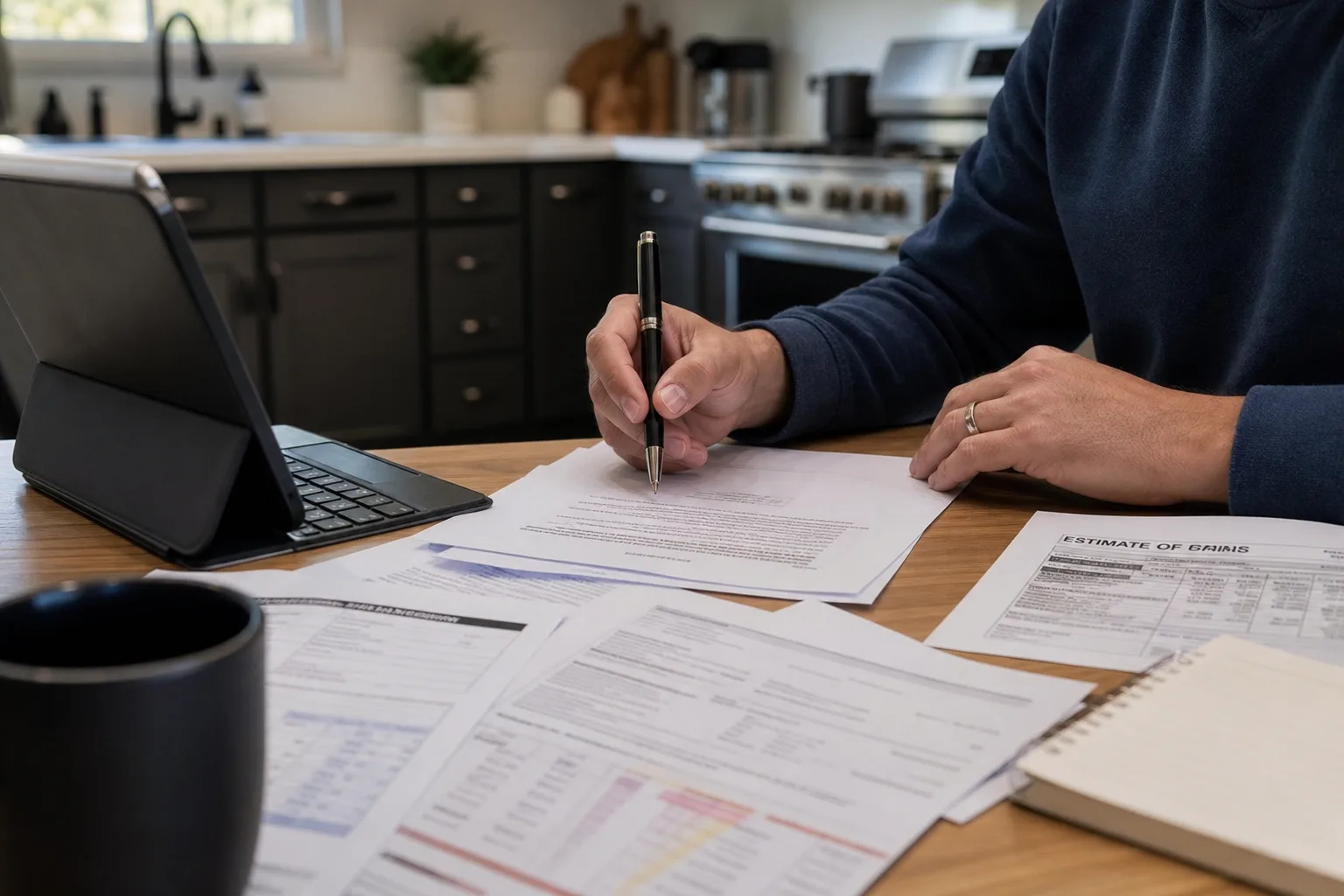
Your Offer Was Accepted: What to Do Next When Buying a Home
The seller accepted your offer, but the work isn't done. Learn what happens next: reviewing the purchase agreement, earnest money, inspections, mortgage approval and closing.
Your offer on a house has been accepted: what steps should you take next?
You have finally found your dream home, and the seller has accepted your offer. Congratulations! You might already be picturing how you’ll furnish your new place, but it’s wise to hold off on ordering any furniture just yet. There is still quite a bit to arrange before you receive the keys. What happens behind the scenes at your real estate agency? And what documents do you need to sign when buying a home in the United States?
Your offer has been accepted but what does that mean?
The home-buying process in the United States can be quite complex. For instance, you are not automatically granted a three-day statutory cooling-off period after signing a purchase contract. Whether or not you can still back out of the purchase depends primarily on the terms outlined in the contract and the laws of the specific state.
Furthermore, an accepted offer can already carry legal implications, depending on the nature of the offer and the documents that have been signed. Your real estate agent will therefore verify that all agreements have been properly documented, including the purchase price, the desired closing date, and any conditions under which you might be able to cancel the purchase.
What does your real estate agent do behind the scenes?
While you might already be gathering moving boxes, your real estate agent is busy handling the administrative side of things. The agreed-upon terms must be incorporated into a purchase agreement, which is the formal contract that outlines all the key conditions of the sale.
At smaller real estate firms, much of this work often falls to the same individuals who conduct property viewings and handle negotiations. This requires careful planning. After all, a missing signature or a forgotten document can cause delays.
For this reason, American real estate agents frequently use digital systems to collect and sign documents. There are, for instance, various e-signature tools for real estate agents that help agents manage the signing process.
For you as a buyer, this primarily means that you do not need to visit the real estate office for every single document. However, which documents can be signed digitally depends on the applicable regulations.
Review the purchase agreement before signing
The purchase agreement is arguably the most important document you will encounter during the buying process. It outlines exactly what you have agreed upon with the seller. Therefore, take your time to read through everything carefully.
For example, verify that the purchase price is correct. Also, check the closing date. The closing date is the date on which the transfer of ownership is scheduled to take place. If any agreements have been made regarding appliances or furniture to be left behind, these should be clearly documented.
Additionally, pay close attention to contingencies. These are conditions under which you may be able to withdraw from the purchase without being in breach of contract, such as failing to secure financing or discovering serious defects during an inspection.
If you have engaged a buyer’s agent, they can go through the agreement with you. For legal questions, a real estate attorney can provide assistance; in some states, their involvement in the transaction is even mandatory. You can also check the fair market value of the home to confirm the price makes sense.
Can you sign an American purchase agreement digitally?
For many types of documents, signing digitally has become standard practice. You receive a message, open the document, and apply your electronic signature, often directly from your phone or computer.
In the United States, the federal ESIGN Act and state-level electronic transaction laws provide the legal framework for this. As a result, electronic signatures can, in many situations, carry the same legal validity as handwritten signatures.
However, certain conditions apply. For instance, all parties must consent to signing electronically, and the identity of the person signing the document must be clear. Furthermore, the document must be stored in a secure and reliable manner.
Not all documents are subject to the same rules. Additional requirements may apply, particularly for notarized documents and the final transfer of ownership. It is therefore advisable to clarify which documents can be handled digitally and for which ones your personal presence is required.
What is earnest money?
When purchasing a property in the United States, you will often encounter the concept of earnest money. This is a sum of funds provided by the buyer to demonstrate that they are serious about the purchase.
These funds are typically held by an independent third party, such as an escrow company or a title company. At the time of the final closing, the amount is usually applied toward the total purchase price.
Be aware, however, that you may not always get this money back if you decide not to proceed with the purchase; this depends on the specific terms outlined in your purchase agreement.
Have the property thoroughly inspected
Did you include an inspection contingency in your agreement? If so, you are typically granted a specific period to have the property examined by a professional inspector.
The inspector will check elements such as the roof, foundation, electrical systems, and any potential moisture issues. The inspection report may provide grounds for further negotiation with the seller.
Time to finalize your mortgage
You likely spoke with a mortgage lender before making your offer, perhaps you even received a pre-approval. However, this does not mean your mortgage has been definitively approved.
The lender will verify details such as your income, existing debt, and creditworthiness. Additionally, an appraisal is usually conducted to determine the property's value. Remember that even a 1% rate change can affect what you can afford.
In the meantime, pay close attention to the financing contingency. If your financing falls through, this clause may offer you protection under certain circumstances, provided that you have adhered to the agreements and deadlines stipulated in the contract.
What happens during the closing?
Once everything is in order, the closing approaches. This is the stage where the final documents are signed and the financial settlement takes place.
For most standard U.S. mortgages, you should receive a closing disclosure at least three business days in advance. This document outlines the final terms of your mortgage and the associated costs. If you are moving soon after, see how to drive a loaded moving truck safely.
Frequently asked questions
What happens after a seller accepts your offer on a house?
Can you back out after your offer is accepted on a house?
What is earnest money and do you get it back?
Can you sign a home purchase agreement electronically?
How long before closing do you get the closing disclosure?
Keep reading
More from the blog
Environmental Due Diligence Before Buying Land
7 Best Trade Area Analysis Tools for Commercial Properties
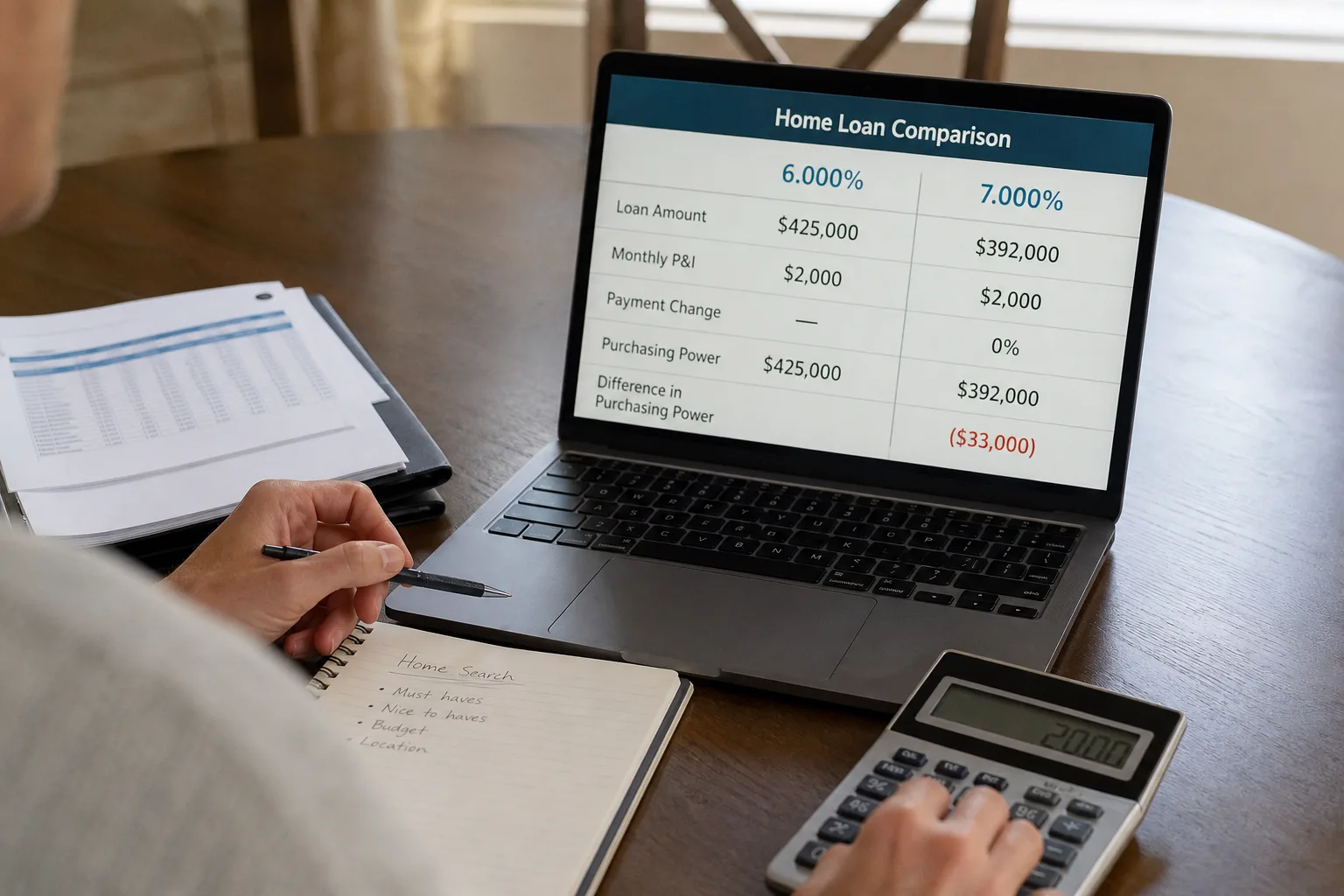
How a 1% Rate Increase Changes What Home You Can Afford