Buying a Home With a Septic System: What to Check Before You Close
A standard home inspection usually doesn't cover the septic system, and a failing one can be a five-figure surprise for a new owner. This guide covers what to ask sellers, warning signs on a walkthrough, and why mountain properties need extra scrutiny.
Buying a Home With a Septic System: What to Check Before You Close
Most buyers looking at properties outside city limits are focused on the things they can see: the acreage, the views, the distance from a trailhead, whether the kitchen needs work. Then somewhere in the disclosures the word septic appears, and it turns out the house is not connected to a municipal sewer at all. This is entirely normal for rural and mountain properties — the kind of home you'll find often in places like Pine Valley or New Harmony — and it introduces a set of questions that a standard home inspection does not answer.
What You Are Actually Buying
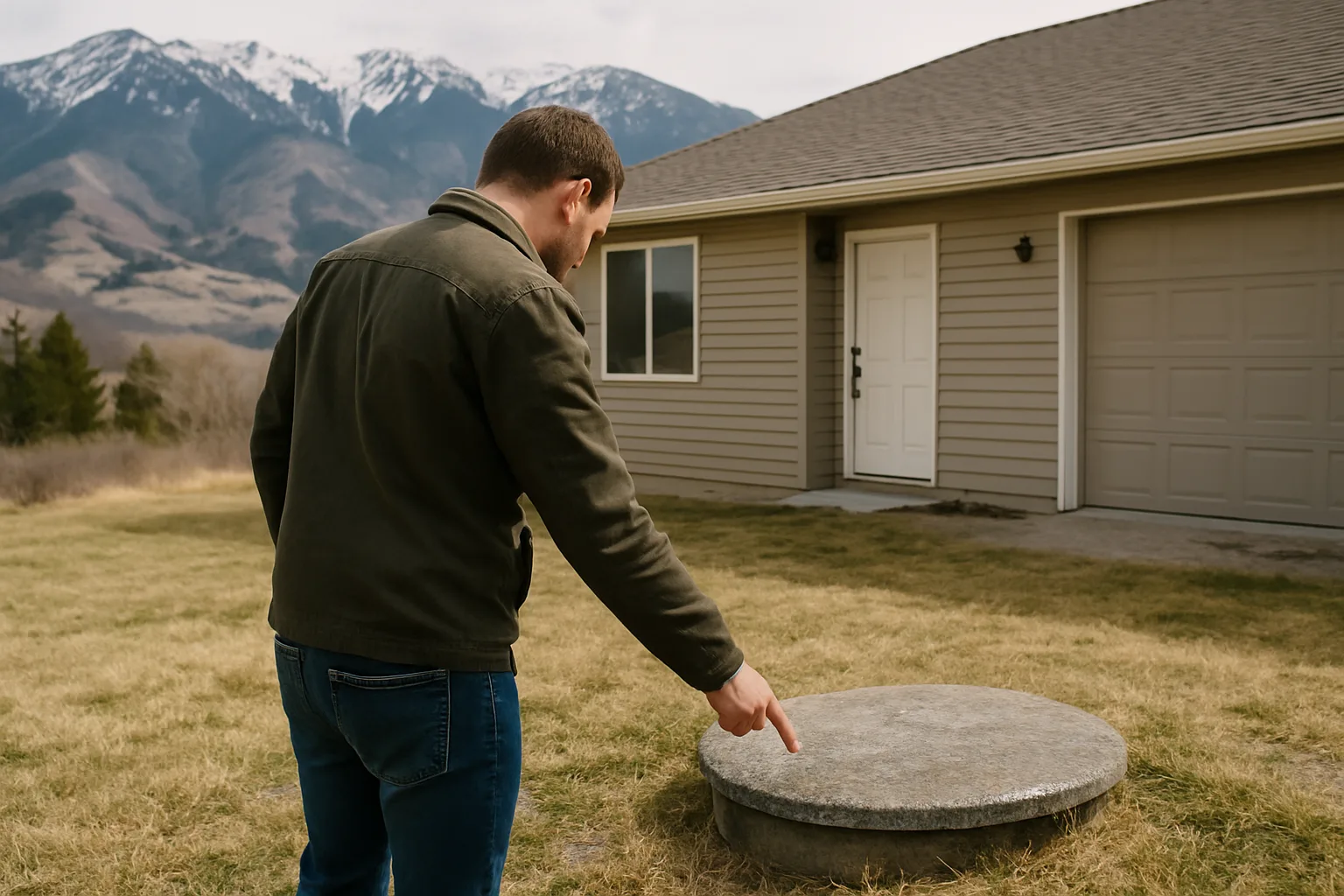
A septic system treats and disposes of wastewater on the property itself, using a buried tank where solids settle and a drainfield where the liquid effluent filters through the soil. The Environmental Protection Agency estimates that around one in five American households rely on such systems, and in mountain communities the proportion is far higher because extending municipal sewer lines to scattered properties is prohibitively expensive. A functioning system is unremarkable and can last decades. A failing one is a five-figure problem that becomes the new owner's the moment the deed transfers.
A Standard Inspection Will Not Cover It
The single most important thing for a buyer to understand is that a general home inspection typically does not include a septic evaluation. Inspectors will note that a system exists and may check for obvious surface problems, and that is not the same as an assessment. A proper septic inspection involves locating and opening the tank, checking levels and structural condition, evaluating the baffles, and assessing whether the drainfield is accepting effluent as it should. Engaging a specialist such as Mountain Contracting for that evaluation is a separate line item from your home inspection and belongs in the contingency period rather than after it. This is one of several rural-specific due-diligence items — see our broader look at buying a rural property and what not to overlook for more.
The Questions Sellers Should Be Able to Answer
Before an inspection, a few pieces of information tell you a great deal. When was the tank last pumped, and is there a receipt? How large is the tank, and how many bedrooms is the system permitted for? Where are the tank and drainfield located, and is there a diagram? Has the system ever backed up or been repaired? Were there any additions to the house after the system was installed, since a bedroom added without upgrading the system creates a capacity mismatch that eventually surfaces. Vague answers to these questions are not proof of a problem, and they do tell you where to concentrate the inspection.
Signs Worth Noticing on a Walkthrough
Some indicators are visible to anyone paying attention. Grass that is noticeably greener or growing faster over one area of the yard suggests effluent surfacing. Soggy ground or standing water near the drainfield when it has not rained is a clear warning. Odors outside near the tank, or slow drains and gurgling fixtures inside, point to a system that is not moving wastewater properly. None of these are conclusive on their own, and any of them should prompt a thorough evaluation before you remove contingencies. It is also worth locating the drainfield on the plot before you fall in love with a landscaping plan. That area needs to stay clear of driveways, sheds, patios, parked vehicles and deep-rooted trees, and buyers who intend to add an outbuilding or a shop are sometimes surprised to find the only sensible location is exactly where they cannot build.
Mountain Ground Complicates Everything
Properties at elevation carry conditions that flat, temperate lots do not. Shallow soil over bedrock limits where a drainfield can go and how well it can function. Steep slopes affect effluent movement and may require engineered systems rather than conventional ones. High groundwater or proximity to a stream introduces regulatory setbacks and, in some cases, requirements for more advanced treatment. Freezing affects shallow components in winter. The practical consequence is that if a system on a mountain property does fail, replacement is frequently more complex and more expensive than the equivalent job on level ground, because the site itself constrains the options. This is a real consideration in communities like Midway and other elevated Wasatch Back towns where septic and well systems remain common.
Maintenance Is the Whole Game
Systems fail for predictable reasons, and most of them come down to neglect. The EPA'sSepticSmart program sets out the fundamentals: have the system inspected regularly and pumped as needed, be careful what goes down the drain, keep vehicles and structures off the drainfield, and manage water use so the system is not overwhelmed. Household chemicals, wipes labeled flushable, grease and excessive water from a single day of laundry all cause real problems. For a buyer, this matters twice over, since it tells you what to ask about the previous owners' habits and what you are signing up to do yourself.
Budget for It Like Any Other System
The reasonable way to think about a septic system is the same way you would think about a roof or a furnace: an asset with a finite life, a maintenance requirement and an eventual replacement cost. Find out its age and condition, get a written evaluation from someone qualified, understand what local regulations require when a system is replaced, and set money aside accordingly. Handled that way, a septic system is simply part of rural homeownership rather than a hidden liability — much like checking for roof problems before you make an offer. The buyers who get hurt are almost always the ones who never had it looked at properly, having assumed the general inspection covered it. Check the local requirements early as well, since some jurisdictions mandate an inspection or a certificate at the point of transfer and others leave it entirely to the parties. Knowing which applies tells you whether the evaluation is something you must arrange or merely something you would be unwise to skip.
Frequently asked questions
How much does a septic system inspection cost before buying a home?
Does a septic system add value or hurt resale of a rural home?
How often should a septic tank be pumped in Utah?
Can you add a bedroom to a house with an existing septic system?
Are septic systems common in Utah's mountain and rural communities?
What are the warning signs a septic system is failing?
Keep reading
More from the blog
How to Maximize Your Heat Pump's Efficiency Year-Round

Leaving California for Utah: What to Know Before You Move
Certificates of Insurance: What Utah Real Estate Teams Miss