
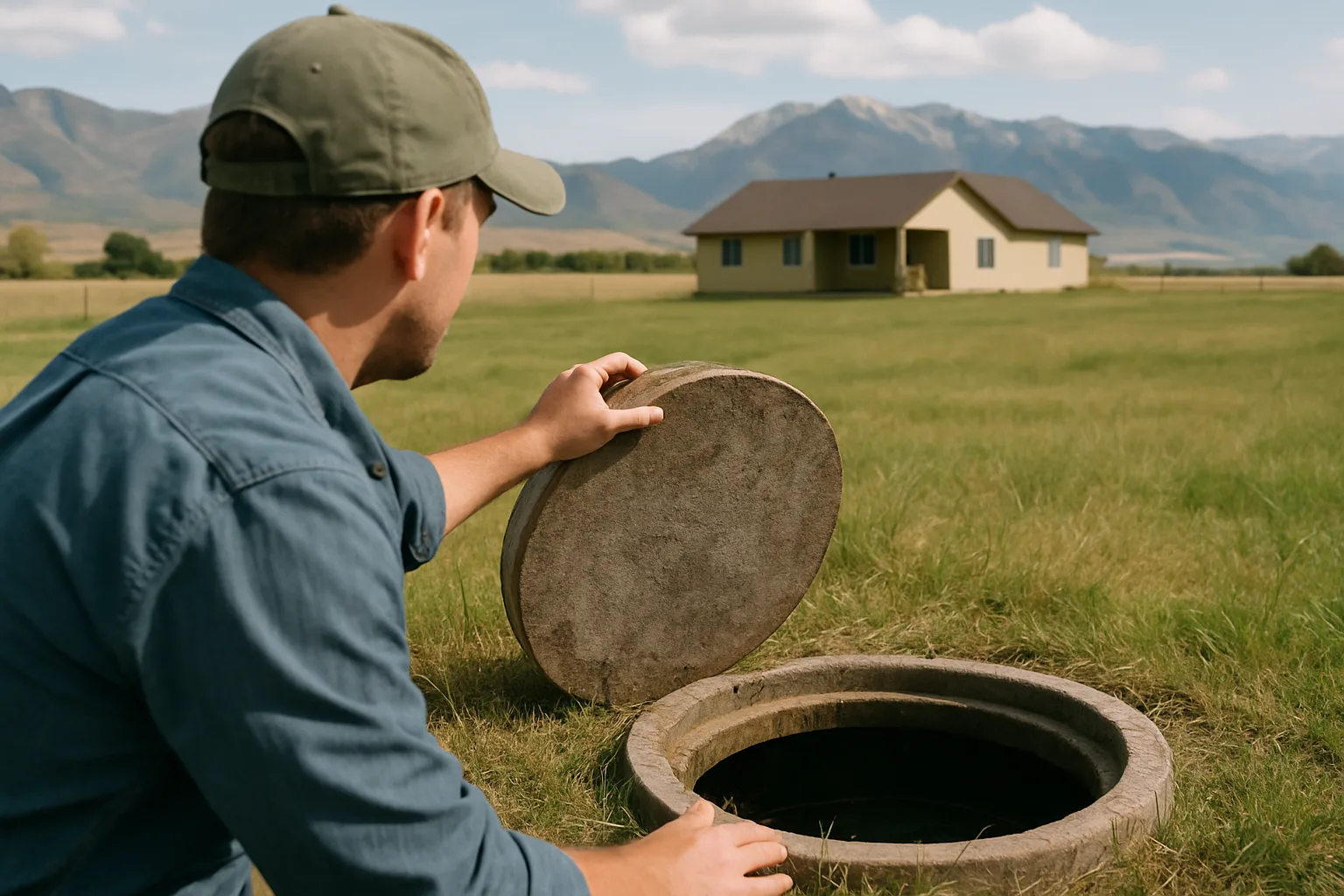
Buying a Rural Property? Don't Overlook the Septic System
Rural properties come with private septic systems that urban buyers often overlook. This guide covers what to inspect, what questions to ask sellers, and why maintenance history matters before closing on a rural home.
Buying a rural property offers many advantages. Larger lots, greater privacy, beautiful landscapes, and a quieter lifestyle continue to attract buyers looking beyond city limits. However, purchasing a home outside a municipal service area also means taking responsibility for systems that urban homeowners may rarely think about. One of the most important is the septic system. This is especially relevant for buyers weighing Salt Lake County vs. Utah County or considering a move to more rural corners of the state covered in our Utah relocation guide.
Unlike properties connected to a public sewer network, homes with private septic systems require regular maintenance and occasional inspections to continue operating efficiently. Understanding how these systems work before purchasing a property can help buyers avoid unexpected expenses while protecting the long-term value of their investment.
Why Septic Systems Matter in Rural Real Estate
A septic system is one of the most critical pieces of infrastructure on many rural properties. Because it operates underground, buyers often pay far more attention to visible features such as kitchens, landscaping, or updated finishes while overlooking a system that serves an essential function every single day.
An aging or poorly maintained septic system can eventually lead to expensive repairs, drainage problems, unpleasant odors, or even environmental concerns. While these issues may not always be immediately apparent during a property viewing, they can significantly affect both living conditions and future property value.
For this reason, experienced real estate professionals frequently encourage buyers to learn about the condition, maintenance history, and expected lifespan of the septic system before completing a purchase. This is true whether you're looking at acreage in Pine Valley, horse property in Apple Valley, or a rural lot near New Harmony.
What Buyers Should Know Before Closing
One of the smartest investments a buyer can make before closing is arranging a professional septic inspection. While a general home inspection provides valuable information about many aspects of the property, septic systems often require specialized evaluation.
Professional companies such as Mountain Septic provide services including septic inspections, pumping, maintenance, repairs, installations, and emergency service for homeowners throughout Durango and Southwest Colorado. Their work highlights the importance of evaluating septic systems thoroughly rather than assuming everything is functioning properly simply because there are no visible signs of trouble.
A professional inspection can identify maintenance needs, signs of wear, drainage concerns, or components approaching the end of their service life. Knowing this information before purchasing allows buyers to budget appropriately or negotiate repairs as part of the transaction.
Maintenance History Tells an Important Story
Just as buyers often request records for roof replacements, HVAC servicing, or recent renovations, septic maintenance records can provide valuable insight into how well a property has been cared for over time. If you're also evaluating a home's roof condition, our guide on roof problems to check before making an offer covers similar red flags to watch for.
Regular pumping and routine inspections generally indicate responsible ownership. On the other hand, missing maintenance records do not necessarily mean the system has problems, but they do justify additional evaluation before finalizing a purchase.
Understanding the age of the system, the size of the tank, previous repairs, and recommended maintenance schedules helps new homeowners prepare for future responsibilities without unpleasant surprises.
Property Value Depends on More Than the House
Many buyers naturally focus on square footage, finishes, or neighborhood characteristics when evaluating a property. However, infrastructure often plays an equally important role in preserving long-term value.
A properly functioning septic system supports everyday comfort while also making future resale easier. Buyers are generally more confident purchasing rural homes when major systems have been well maintained and documented.
Conversely, uncertainty surrounding septic condition can delay transactions or influence negotiations if potential buyers become concerned about possible replacement costs. Taking the time to evaluate these systems before closing protects both the current purchase and future resale opportunities.
Routine Maintenance Protects Long-Term Performance
The U.S. Environmental Protection Agency (EPA) recommends regular inspection and pumping of residential septic systems as part of responsible homeownership. Routine maintenance helps identify small issues before they develop into more significant and costly problems while protecting both household health and surrounding groundwater.
Simple habits also contribute to extending the life of a septic system. Conserving water, avoiding disposal of inappropriate materials through household drains, and scheduling maintenance according to professional recommendations all support reliable long-term performance. These preventative measures are generally far less expensive than major repairs or complete system replacement.
Questions Every Buyer Should Ask
Purchasing a rural home presents an excellent opportunity to gather as much information as possible before taking ownership. Buyers should ask when the septic system was last inspected or pumped, whether any repairs have been completed, if maintenance records are available, and whether the current system appropriately serves the size of the home.
It is also helpful to understand the location of the septic tank and drain field, as future landscaping or construction projects may need to avoid these areas. Knowing these details early allows homeowners to make informed decisions about future improvements while protecting the integrity of the system.
Working closely with knowledgeable real estate professionals, inspectors, and qualified septic specialists creates a more complete understanding of the property's condition before closing.
Rural Living Brings Additional Responsibilities
Owning a rural property offers many rewards, from larger outdoor spaces to greater privacy and closer connections with nature. Those benefits, however, are accompanied by responsibilities that differ from owning a home connected to municipal utilities.
Understanding private water systems, septic maintenance, drainage, and other property infrastructure allows homeowners to protect their investment while avoiding unnecessary repair costs. Buyers who approach these systems proactively are often better prepared for the realities of rural homeownership — including buyers weighing water availability questions covered in our guide to Utah's water outlook. Rather than viewing septic maintenance as an inconvenience, it should be considered part of preserving the property's long-term functionality and value.
Informed Buyers Make Better Investments
A successful real estate purchase involves much more than finding the right location or negotiating the right price. Looking beyond cosmetic features and understanding the systems that support everyday living allows buyers to make more informed decisions.
By evaluating the septic system before closing, reviewing maintenance history, and planning for routine care after moving in, homeowners can enjoy greater peace of mind while protecting one of their most valuable investments. For anyone considering a rural property, paying attention to what lies beneath the ground can be just as important as appreciating everything above it.
Frequently asked questions
How much does a septic system inspection cost before buying a home?
How long does a septic system typically last on a rural property?
How often should a septic tank be pumped?
Can I negotiate repairs if a septic inspection finds problems?
Where are the septic tank and drain field usually located on a property?
Do rural Utah homes commonly rely on septic systems instead of city sewer?
Keep reading
More from the blog
How to Maximize Your Heat Pump's Efficiency Year-Round

Leaving California for Utah: What to Know Before You Move
Certificates of Insurance: What Utah Real Estate Teams Miss