

8 Roof Problems Homebuyers Should Look for Before Making an Offer
Before you make an offer, learn the 8 roof problems that can signal costly repairs ahead, from sagging rooflines and curling shingles to flashing failures and poor attic ventilation. Knowing what to check during a showing gives buyers leverage in negotiations and financing.
A home's roof is one of the first things a buyer should evaluate, yet it's also one of the most overlooked steps before making an offer. By the time a formal roof inspection flags serious issues, a buyer may already be emotionally invested in the purchase.
Knowing what to look for ahead of that stage can change the entire negotiation. From a sagging roof and curling shingles to flashing gaps, granule loss in the gutters, moss growth, interior water damage, poor attic ventilation, and roof age pushing the limits of its material lifespan, these eight warning signs each carry real consequences for cost, insurability, and timing. Spotting them early gives buyers a clearer picture of what they're walking into, and a stronger position when it matters most. Whether you're shopping in a fast-growing suburb like Washington, Utah or a mountain community, these checks apply everywhere.
8 Roof Problems to Check Before You Offer
These are buyer-facing warning signs meant to help you screen a property before committing. They are not a substitute for a professional roof inspection, but they can tell you a great deal about what to expect from one.
Sagging Rooflines or Uneven Roof Planes
A roofline that dips, bows, or appears uneven along the ridge is one of the most serious visual red flags a buyer can spot. It often points to structural failure, compromised decking, or long-term moisture damage that has weakened the underlying support.
Missing, Curling, or Damaged Shingles
Shingles that are lifting at the edges, cracked, or absent entirely leave the roof deck exposed to water infiltration. These are among the most visible signs of aging or weather-related wear, and widespread damage typically signals that the roof is approaching the end of its useful life.
Flashing Damage Around Chimneys and Vents
Flashing seals the joints where the roof meets vertical surfaces like chimneys, skylights, and vents. When it lifts, rusts, or separates, those joints become the most likely entry points for water. In fact, industry data suggests that a significant share of roof leaks originate at flashing failures rather than across the general shingle field.
Granule Loss and Debris in the Gutters
Asphalt shingles shed granules as they age, and those granules tend to collect in the gutters. Heavy granule buildup is a reliable indicator that shingles are deteriorating, and it's something buyers can often confirm from the ground during a showing.
Moss, Algae, and Trapped Moisture
Moss and algae growth may look like a cosmetic issue, but the concern runs deeper. Both organisms retain moisture against the roof surface, which accelerates shingle breakdown and can eventually compromise the decking beneath.
Soft Spots, Staining, and Interior Water Damage
Staining on upper-floor ceilings or along attic rafters connects exterior roof failure to interior evidence buyers can observe during a tour. Soft spots in the decking, found during inspection, confirm that water has already caused structural deterioration.
Poor Ventilation in the Attic
Inadequate attic ventilation is easy to overlook, but it has a measurable impact on roof lifespan. Without proper airflow, heat and moisture build up beneath the roof deck, which can warp shingles, accelerate aging, and raise energy costs over time.
Old Roofing Near the End of Its Lifespan
Roof age matters most when it intersects with budgeting, insurance eligibility, and offer strategy. Asphalt shingles typically last 20 to 30 years, and a roof approaching or past that threshold may trigger complications with homeowner's insurance coverage or lender appraisals before closing.
What You Can Check Before Ordering an Inspection
Not every red flag requires a roofing contractor to identify. Buyers can screen for the most telling signs during a standard showing, using nothing more than careful observation from safe vantage points.
From the Ground Outside the Home
Standing at the property line, a buyer can learn a great deal about a roof's condition without stepping foot on it. The roofline itself should sit flat and even; any visible sagging or bowing along the ridge suggests structural or decking issues worth investigating further.
From the same position, shingles should lie flat and uniform. Curling edges, missing sections, or visible color variation can all point to aging or weather damage. Flashing around chimneys, skylights, and wall junctions should appear intact and flush, not lifted or rusted.
Gutters are another reliable indicator. Granule buildup in the gutters or along the base of downspouts often signals that shingles have been deteriorating. Heavy debris accumulation may also suggest poor drainage, which tends to accelerate roof wear over time.
Inside the Attic and Upper Ceilings
Moving inside, the attic and upper-floor ceilings offer confirmation of what exterior checks suggest. Staining along the rafters, insulation, or sheathing is a reliable sign of active or historic water damage.
This interior review, combined with reviewing property documents before making an offer, can help a buyer understand whether past issues were properly repaired. In markets like the Greater Toronto Area, where older housing stock is common and seasonal weather puts consistent pressure on roofing systems, pairing a general home inspection with a roofing-specific assessment is a practical step. Seam Roofing is one example of a local specialist who can assess the full scope of any concerns found at this stage before a formal offer is submitted.
How Roof Condition Changes Your Real Offer
Once a buyer identifies potential roof problems, the next step is understanding how those findings translate into real decisions before an offer is written. This is especially relevant right now, as buyers weigh whether to buy or sell in Utah's current housing market.
When a Repair Is Negotiable
Not every roof issue is a reason to walk away. Moderate conditions like minor shingle wear, isolated flashing gaps, or early-stage granule loss typically support a negotiation rather than end one.
In these situations, buyers have a few reasonable paths: requesting that the seller complete repairs before closing, asking for a credit to cover costs, or adjusting the purchase price to reflect the work needed. Getting a quote from a roofing contractor beforehand gives buyers a concrete number to anchor those conversations.
Roof age matters here too. A roof within the second half of its expected lifespan may still have years left, and that remaining life is worth factoring into any concession request.
When the Roof May Be a Deal Breaker
Active water damage, soft or rotted decking, or a roof at the end of its material life are a different category entirely. These conditions can affect more than the purchase price.
Lenders may flag severe roof problems during appraisal, and homeowner's insurance carriers sometimes decline coverage or charge significantly higher premiums on homes with failing roofs. These are not just repair conversations; they are financing conversations.
Before proceeding, it is worth reviewing whether similar costly structural oversights before closing apply to the property, since a compromised roof often signals deeper issues that compound costs after purchase. It's also worth reviewing other major warning signs that a home may not be worth buying before you commit to an offer.
What a Professional Roof Inspection Should Confirm
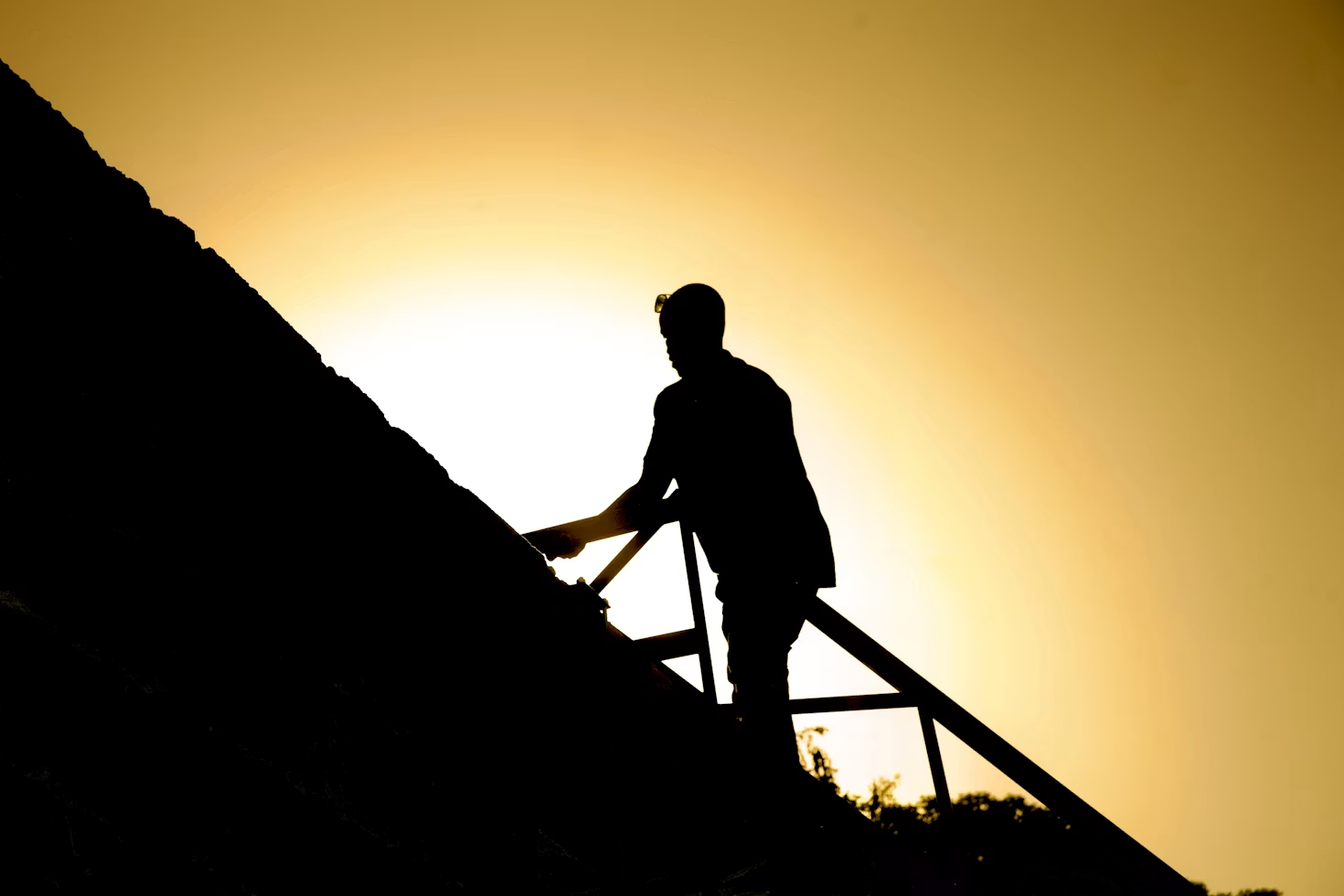
A walkthrough can raise questions, but a formal roof inspection answers them with documented evidence. Knowing what that inspection should cover helps buyers interpret findings rather than simply receive them.
Condition, Remaining Life, and Hidden Damage
A qualified inspector should go beyond surface observations to verify active roof leak locations, flashing failures, ventilation deficiencies, decking integrity, and the actual age of the roof system.
Buyers need more than a defect list. They need an estimate of remaining service life. A roof with minor shingle wear but ten years of life remaining is a very different situation from one showing similar wear at the end of its material lifespan.
Organizations like InterNACHI and the NRCA publish standards that define what a thorough roofing inspection should assess, and using an inspector familiar with those benchmarks adds credibility to the findings.
Repair Scope, Insurance Risk, and Documentation
Inspection findings carry consequences beyond the repair estimate itself. Homeowner's insurance underwriters often review roof condition and age when calculating premiums or determining eligibility, and a documented inspection report gives both parties a factual basis for those conversations.
Written documentation also supports negotiation. A signed report from a GAF-certified contractor or credentialed inspector gives buyers a concrete reference point when comparing multiple contractor opinions.
Without that documentation, repair discussions remain speculative, which rarely works in a buyer's favor.
A Bad Roof Should Change Your Next Move
Roof condition is not a cosmetic detail. It is a budget question, a risk question, and sometimes a dealbreaker. Buyers who identify visible problems during a showing should use those findings to decide whether a professional roof inspection is necessary, whether the offer needs to reflect repair costs, or whether the risk is too significant to proceed.
The areas that matter most are roof age, evidence of water damage, and the structural severity of any defects found. Each one affects what a buyer can reasonably expect from financing, insurance, and long-term costs after closing. Working through a trusted mortgage lender who understands financing complications tied to home condition can also help buyers plan ahead before submitting an offer.
Frequently asked questions
Should you buy a house with an old roof in Utah?
How do you know if a roof needs to be replaced before buying?
Will roof problems affect my mortgage approval or homeowners insurance?
How much should I negotiate off the price for roof repairs?
Does Utah's dry climate affect how long a roof lasts?
Who typically pays for roof repairs found during a home inspection?
Keep reading
More from the blog
Utah ADU Rules in 2026: State Law and City-by-City Limits
Inherited a House? The Order to Tackle Each Step
Utah's New Detached ADU Law and Garage Apartments