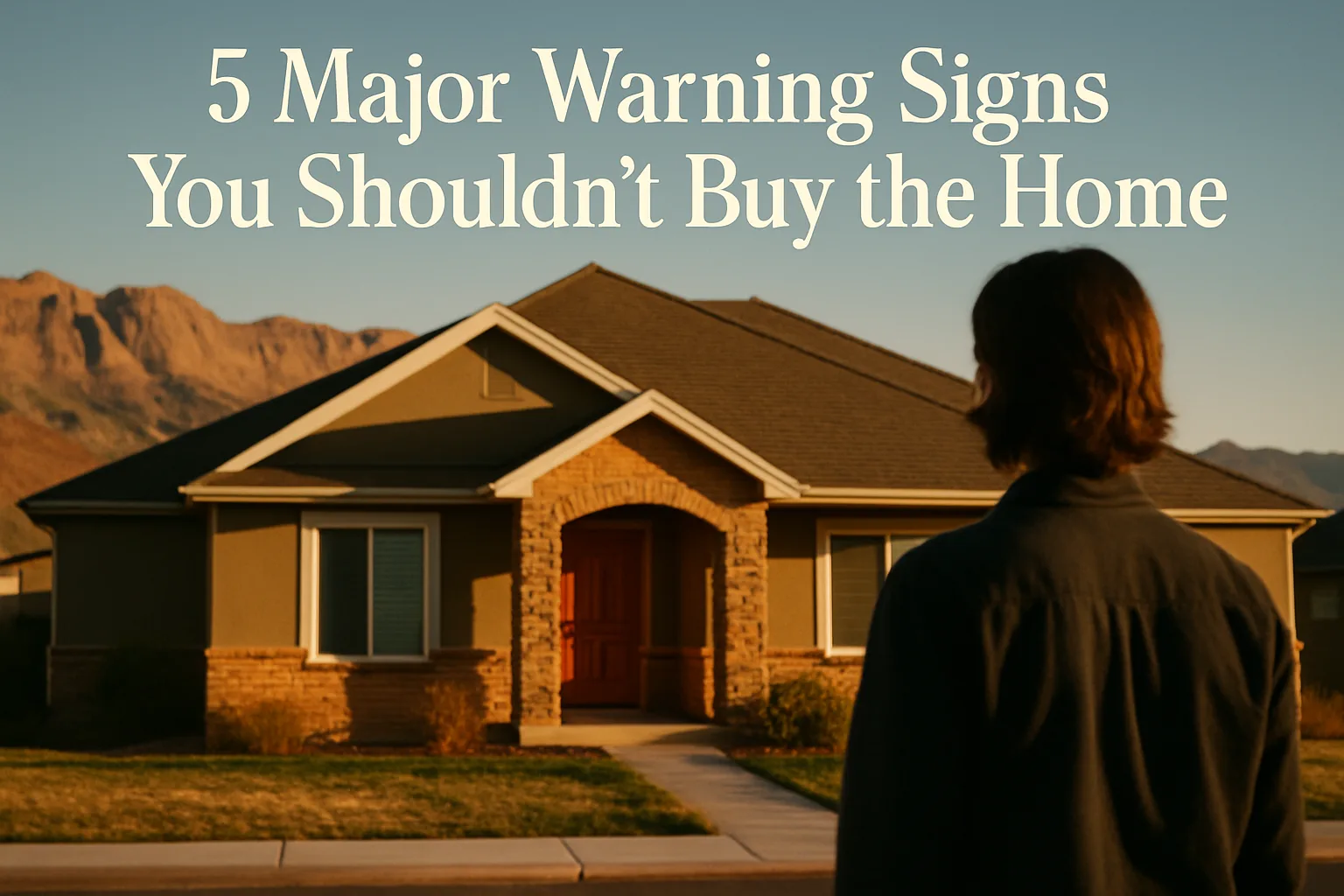
5 Major Warning Signs You Shouldn't Buy the Home
Not every listing is as perfect as it looks. Learn the five biggest warning signs — from water damage and foundation cracks to pest infestations and faulty wiring — that should make you think twice before buying a home.
Buying a home is one of the biggest financial decisions you will ever make, so it pays to look before you leap. Not every listing is as picture-perfect as it seems. Some properties come with hidden problems that can cost you far more than the asking price. Before you fall in love with a place, keep an eye out for these five warning signs that it might be time to walk away.
1. Visible Water Damage or Mold
Water and homes do not mix. A musty smell is a reliable red flag. When you walk through a property, look up at the ceilings for yellow or brown staining. Also, check along the baseboards for warping or bubbling. These signs can point to a leaking roof, faulty plumbing, poor ventilation or moisture seeping in from outside.
The bigger concern is that water damage can lead to mold over time. Beyond the cost of remediation, there are health problems to consider, particularly if you have respiratory conditions or allergies. Even surface-level mold is worth taking seriously, since it may signal a hidden moisture problem.
You might not realize that mold removal is an involved repair. A minor moisture issue can quickly spiral into a costly, property-wide project. Unless a seller can show the source has been fully repaired, water damage and mold are strong reasons to reconsider.
2. Foundation or Structural Issues
A home's foundation is its backbone, and cracks in it are not something to brush off. During a showing, pay attention to floors that slope or feel uneven underfoot, doors or windows that stick or will not fully close, and visible cracks along exterior walls or in the basement. These may be signs the foundation has shifted, settled unevenly or been compromised by moisture.
Uneven flooring and poor drainage around a home's perimeter are among the most serious issues you can encounter, both because of what they indicate structurally and because of how expensive the fixes can be.
Foundation repair alone can run into the thousands, and that's before addressing related damage elsewhere in the home. If a structural issue is present, get an independent inspector or structural engineer involved before making any decisions. Our guide to home upgrades that increase Utah property value also covers what buyers look for — and what they avoid.
3. Signs of Pest or Insect Infestation
Pests are another issue that often hides in plain sight. During a walk-through, watch for small piles of sawdust-like material, mud tubes running along foundation walls, hollow-sounding wood or unexplained tiny holes. These are common indicators of termite activity, and termites are not a minor problem.
Termites are among the most destructive pests in a household. As the outbreak worsens, it can spread throughout the home, damaging wood, fiberboard and furniture. That damage might go undetected until it is significant, which is exactly why you should pay close attention.
Termites cause billions in structural damage every year — costs that your homeowner's insurance may not protect you from. If you notice potential signs of an infestation, a professional pest inspection is worth it.
4. Outdated or Faulty Electrical and Plumbing Systems
Flickering lights, malfunctioning outlets, low water pressure, slow-draining sinks and rust-stained fixtures are not cosmetic issues, but signs the home's core systems may need significant attention. Outdated wiring, such as knob-and-tube or aluminum wiring, can be a fire hazard, making the home difficult to insure.
Getting ahead of these kinds of repairs is always better than inheriting them. Experienced homeowners know planning for seasonal home projects helps catch system issues before they become emergencies. This mindset is a good one to carry into the buying process. Ask the seller for records of any electrical or plumbing work. If those records raise questions, have a licensed inspector evaluate both systems independently.
5. Roof Damage or Poor Drainage
The roof is your home's first line of defense, and drainage protects everything below it. From the street, look for missing, curling or uneven shingles. Also watch for sagging sections along the roofline or gutters pulling away from the house. Inside, water stains near the top of walls or along ceilings may indicate moisture has been getting in.
Utah has a dry, semiarid and desert climate, so you might think drainage is unimportant. However, if the ground slopes toward the foundation, water will pool near the base of the house. This drainage issue can cause serious damage over time. A small leak today might become a major structural problem if left unaddressed. If you're buying in Southern Utah, our guide to drone roof surveys explains how to get a fast, thorough roof assessment before closing.
Home Sweet Thoroughly Inspected Home
The right home is out there, and knowing what to look for helps you find it without inheriting someone else's problems. If these warning signs show up during a showing, slow down. A thorough inspection from a licensed professional will provide the information you need to negotiate confidently or walk away with peace of mind. The best deal is always the one that holds up long after closing day. For a full walkthrough of the buying process, see our First-Time Home Buyer's Guide to Utah Real Estate.
Frequently asked questions
What are the most expensive home problems to fix after buying?
Should I walk away from a home with water damage?
How can I tell if a home has termites before making an offer?
What electrical issues should concern a home buyer?
Why does drainage matter in Utah's dry climate?
Keep reading
More from the blog
Gas Line Installation: What Homeowners Need to Know First
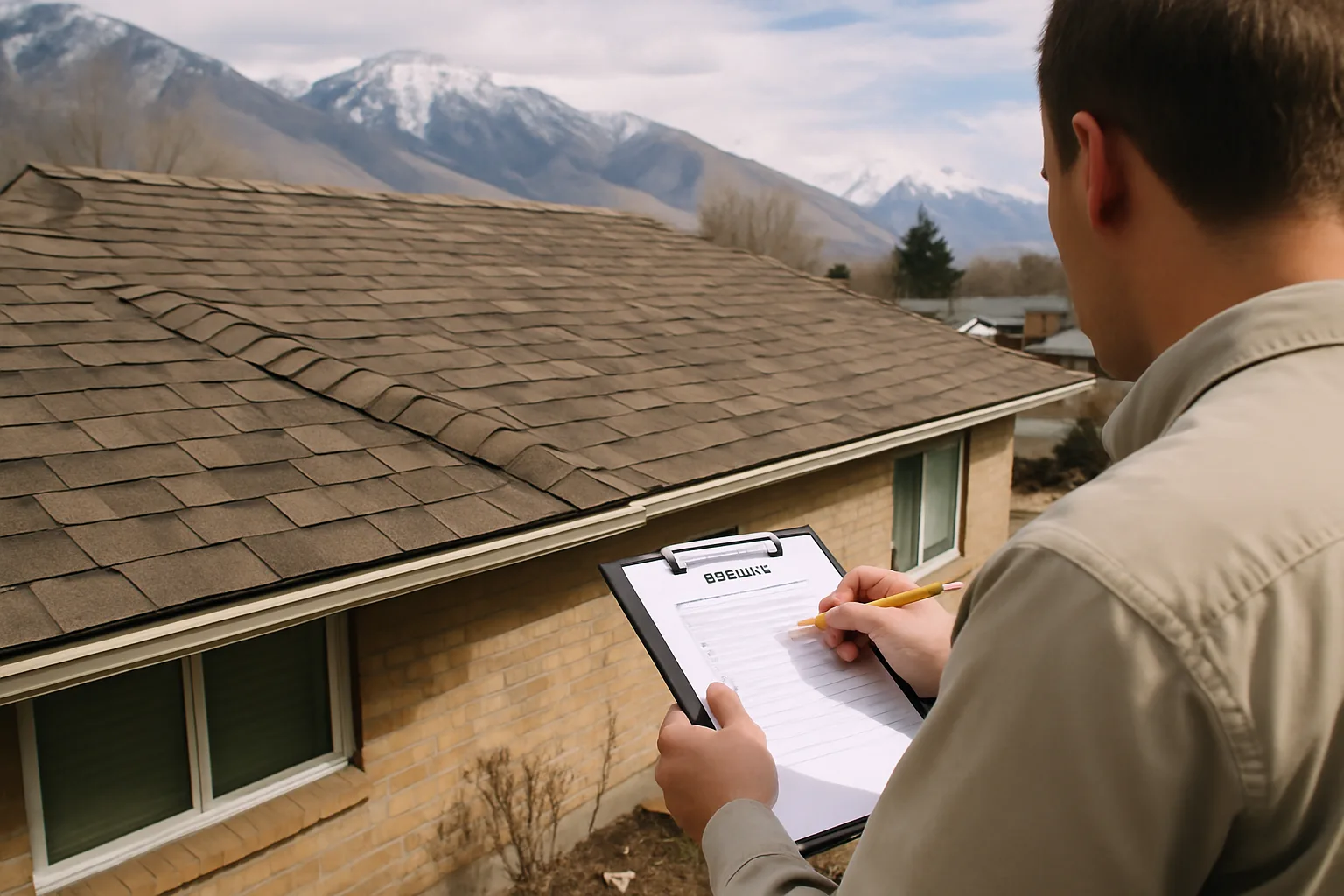
Roof Timeline Guide for Buying an Older Utah Home
How to Choose Windows for a Utah Home With a Mountain View