
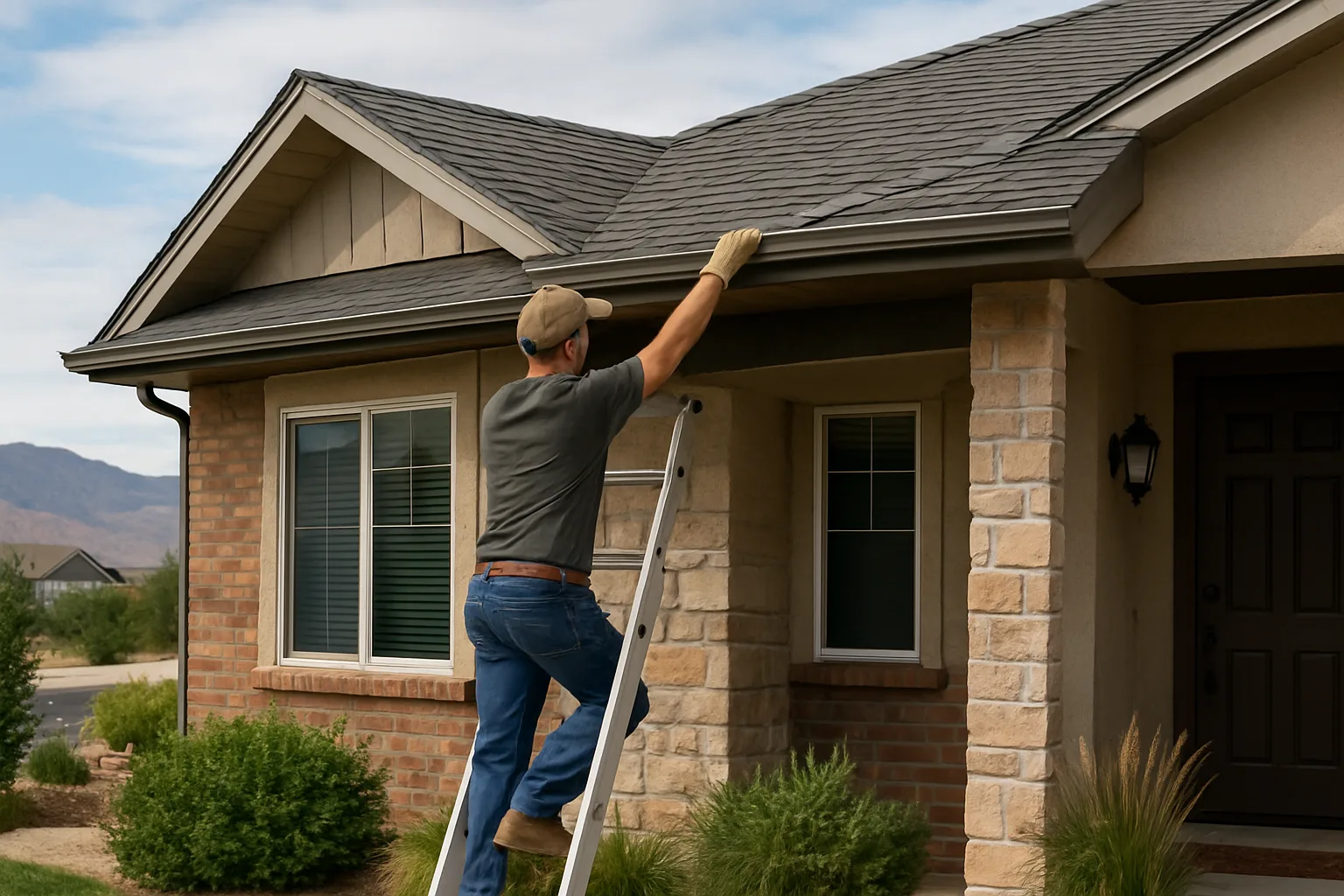
How to Improve Your Home's Exterior Before the Next Season Change
Seasonal weather shifts can quickly damage an unprepared home's exterior. This guide covers roof inspections, gutter maintenance, window and door upgrades, siding care, outdoor lighting, and landscaping tips to protect your property year-round.
Seasons shift quickly, bringing heavy rain, scorching sun, or freezing snow straight to your doorstep. Preparing your property's exterior in advance saves money, reduces the need for emergency repairs, and protects your structural investment.
Strategic exterior updates keep your property safe, energy efficient, and visually attractive throughout every calendar month. Simple planning helps homeowners tackle exterior maintenance projects with complete confidence and ease. These same upgrades are also some of the exterior improvements that add lasting value to a home if you're thinking about resale down the road.

Inspect Your Roof for Hidden Damage
Roof shingles take the brunt of severe weather throughout every single month of the year. Homeowners can partner with a BBB-accredited roofing contractor to discover small leaks before severe storms arrive in your area. Professional technicians spot subtle wear that untrained eyes miss during standard roof walkarounds. Early roof repair prevents interior ceiling damage and structural failures down the road. If you're evaluating a home purchase, a roof inspection checklist for home buyers can help you spot the same red flags before closing.
Heavy winter snow or intense spring downpours test every square foot of your overhead protection. Clearing off tree limbs keeps debris from scraping away protective shingle granules during windstorms.
Metal flashing around chimneys and roof vents demands close inspection before outdoor temperatures drop. Damaged flashing allows driving rain to seep into structural framing members, causing hidden moisture buildup.
Attic ventilation works alongside your main roof surface to regulate thermal expansion and humidity levels. Proper attic airflow keeps unwanted moisture from building up beneath shingle underlayment during cold, freezing weather. Homeowners weighing repair versus replacement may also want to see how a durable roof pays off in today's housing market.
Clean and Maintain Your Gutter System
Clear gutters keep heavy rainwater moving safely away from your foundation and exterior siding. Clogged channels overflow, creating ice dams in winter or soil erosion around your yard during spring rains.
A seasonal maintenance guide from Bob Vila points out that inspecting gutter systems twice a year prevents foundational moisture damage during freeze-thaw cycles. Keeping gutters free of leaves supports proper water drainage through every major rainstorm.
Downspouts should direct water runoff at least 5 feet away from exterior foundation walls. Installing splash blocks or underground pipe extensions keeps excess moisture far from basement walls and crawl spaces.
Bracket attachments require tightening if heavy winter ice pulls gutter channels away from trim boards. Secure mounting hardware keeps your entire drainage system stable during high windstorms.
Remove leaves, twigs, and debris from open gutter channels.
Flush downspouts completely using a high-pressure garden hose.
Check hidden mounting brackets for sagging sections or loose screws.
Upgrade Windows and Exterior Entry Doors
Old windows let interior warmth escape in winter, letting cold drafts infiltrate living spaces. Modern double-pane replacement units seal your home tight against sudden temperature drops and rising utility bills.
Drafty entry doors allow conditioned air to leak out around worn weatherstripping during hot summers or freezing winters. Replacing old door sweeps creates a tight barrier against strong wind and heavy rain.
Glass replacement units boost indoor comfort levels during periods of extreme outdoor heat or bitter cold. Well-sealed window frames keep utility costs manageable throughout changing seasonal weather cycles.
Sturdy exterior entry doors improve security protection, boosting front entrance visual appeal at the exact same time. Fresh deadbolts and solid handles complete the upgrade, improving daily operational security for family members.
Refresh Exterior Paint and Siding Panels
Exterior paint provides a durable barrier against harmful sun rays, moisture, and pests. Flaking or peeling paint exposes raw wood siding to destructive decay and moisture rot. In Utah's dry climate and elevation swings, exterior painting plays an outsized role in protecting a home against harsh weather.
Scraping loose paint away before applying fresh primer promotes long-lasting surface adhesion. High-quality acrylic paints withstand harsh temperature shifts without cracking over extended periods.
Siding panels need thorough washing once or twice a year to eliminate built-up dirt and mildew. Gentle power washing brings original siding colors back to life without damaging exterior surfaces.
Replacing cracked vinyl pieces or rotting wood boards preserves long-term structural integrity across your exterior walls. Watertight exterior cladding shields interior drywall from water leaks and hidden mold.
Clean exterior siding surfaces using gentle soap and water.
Seal small gaps around window trim using exterior-grade caulk.
Repair damaged siding panels before applying fresh paint coatings.
Modernize Outdoor Lighting and Ground Pathways
Short daylight hours require reliable outdoor illumination along main walkways, driveways, and exterior steps. Bright exterior light fixtures increase safety for family members, delivery drivers, and visiting guests after dark.
Motion-activated security floodlights light up dark property corners near garages, side doors, and backyard entrances. Smart light fixtures turn on automatically at sunset, helping secure property perimeters against unwanted intruders.
Paver walkways require seasonal inspection to repair uneven stones, cracked concrete, or loose gravel paths. Level pathways reduce tripping hazards when heavy snow covers ground surfaces during winter months.
Solar garden lights define driveway edges and flower bed borders clearly throughout dark evening hours. Low-voltage light fixtures consume minimal energy, illuminating exterior steps clearly without driving up electric bills.

Trim Nearby Trees and Manage Yard Landscaping
Overhanging tree branches pose severe risks to roof shingles and power lines during high windstorms. Trimming dead limbs keeps heavy storms from causing property destruction or sudden power outages.
Keeping foundation bushes pruned back from siding allows fresh air to circulate around exterior walls. Good airflow stops mold and mildew growth on exterior wood, brick, and vinyl siding surfaces.
Flower beds need a fresh layer of organic mulch to protect plant root systems from deep winter freezes. Quality mulch retains soil moisture, suppressing garden weeds throughout active growing seasons.
Grading soil away from your foundation wall stops pooling rainwater from seeping into basements or crawl spaces. Proper lawn slopes carry heavy runoff harmlessly toward municipal storm drains.
Systematic exterior maintenance protects your home against seasonal elements, preserving property value across every season. Small weekend maintenance projects pay huge dividends in long-term indoor comfort and structural safety. These same projects are worth revisiting as pre-sale home improvements worth doing before you list if a move is on the horizon.
Taking action early ensures your home stays warm, dry, and welcoming through every major seasonal transition. Smart planning turns upcoming weather changes into an easy, stress-free experience for your entire household. New homeowners settling into a property can also benefit from a broader guide to settling into a new Utah home.
Frequently asked questions
How often should I inspect my roof for seasonal damage?
What is the best time of year to clean gutters?
Does replacing old windows and doors actually lower utility bills?
How often does exterior siding need to be cleaned or repainted?
What outdoor lighting upgrades add the most home security?
Can overgrown trees and landscaping actually damage my house?
Keep reading
More from the blog

Gas Line Installation: What Homeowners Need to Know First
Roof Timeline Guide for Buying an Older Utah Home
How to Choose Windows for a Utah Home With a Mountain View