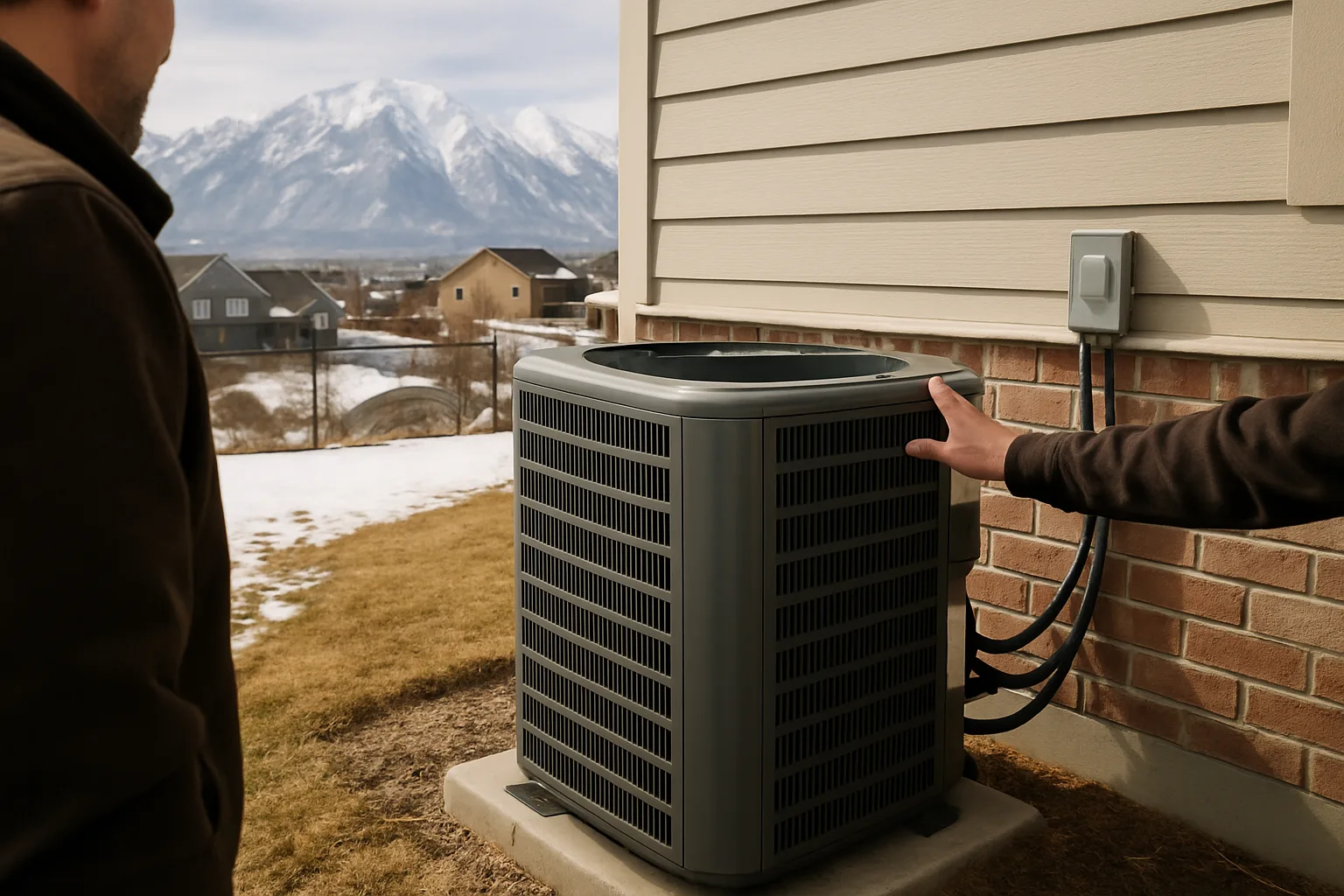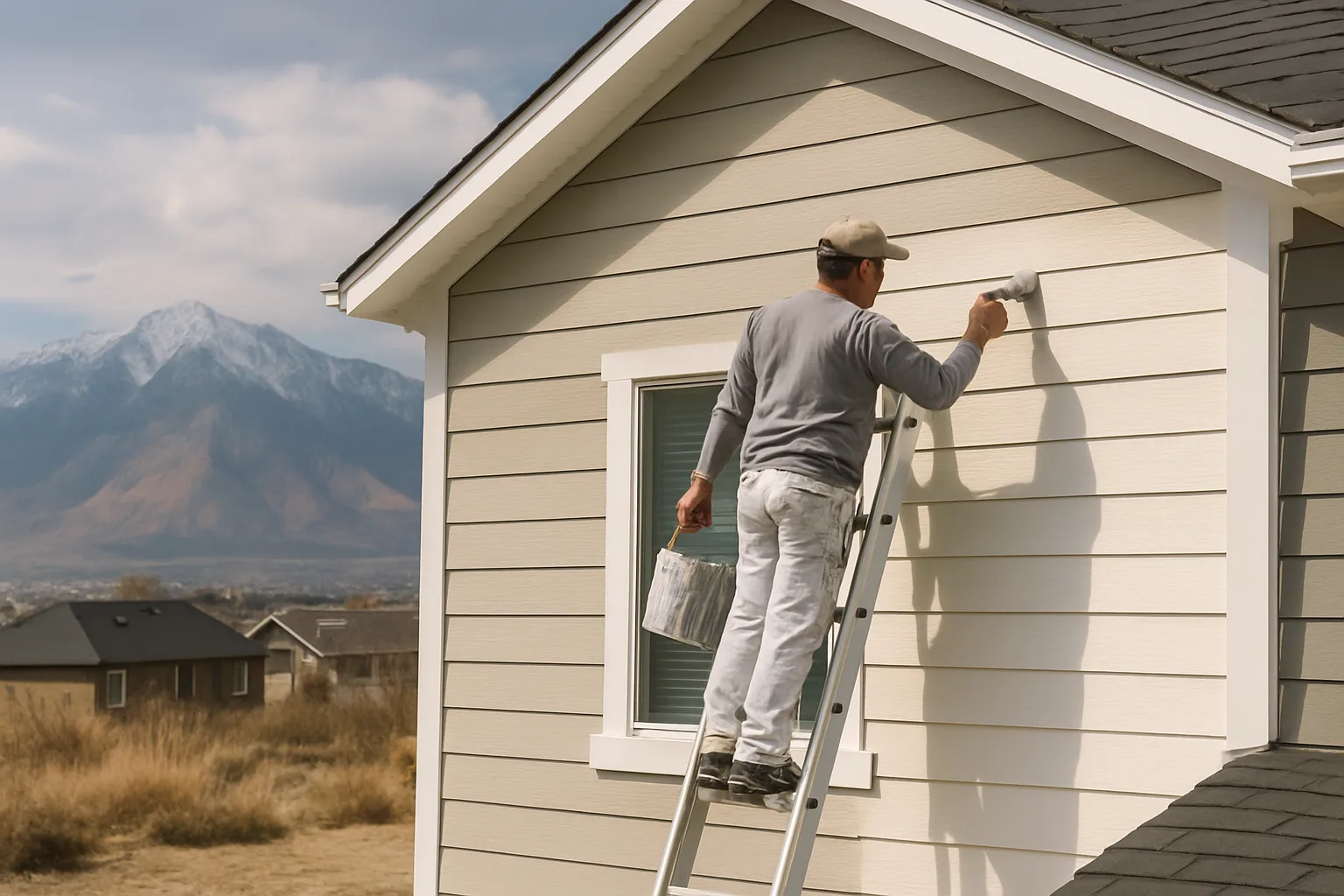
Exterior Painting for Utah Homes: Protection Against Harsh Weather
Exterior paint does more than boost curb appeal — it's the first line of defense against moisture, sun damage, and temperature swings. This guide covers prep, materials, timing, and inspection tips that help paint last longer, including how Utah's dry climate and elevation swings raise the stakes.
A home’s outer shell takes constant punishment from the sun, rain, wind, ice, airborne grit, and shifting temperatures. Paint is the first barrier those elements meet. Once that layer thins or cracks, siding and trim absorb moisture more easily. A well-applied coating helps control water entry, slows surface decay, and keeps defects visible early. That protection supports property value while helping our exterior materials last longer — an especially important consideration for Utah's dry climate and elevation swings, which put extra stress on exterior coatings.
Weather Starts at the Surface
Weather damage rarely begins as a large failure. It starts with open joints, exposed end grain, chalky residue, or hairline cracks around trim. Professional exterior painting addresses those weak points through washing, scraping, priming, sealing, and coating. That sequence matters in climates with humid summers, freezing nights, driving rain, and repeated storm cycles.
Moisture Is the Main Threat
Water is the most aggressive force against painted exteriors. It can move behind loose film, settle inside seams, and feed mildew or decay. Swollen boards, peeling edges, and soft trim often result from trapped moisture. Proper drying time is just as important as cleaning. Primers, caulk, and finish coats work best when the substrate is sound.
Sunlight Breaks Coatings Down
Sun exposure slowly breaks down paint binders. The surface may fade, chalk, or lose adhesion before deeper failure appears. South- and west-facing walls often age faster because afternoon light carries more heat. Quality coatings resist ultraviolet damage and help limit premature color loss. The right sheen also matters, since flat finishes hold soil, while glossy areas highlight uneven repairs.
Temperature Movement Matters
Exterior materials move as temperatures rise and fall. Wood, fiber cement, metal, and vinyl all expand at different rates. Brittle paint can split when that movement repeats through many seasons. Flexible coatings reduce stress at edges, joints, and fastener points. Caulk around windows, doors, fascia, and corner boards should remain elastic enough to seal without tearing. This kind of seasonal cycling is common along the Wasatch Front, where winter inversions and summer heat both take a toll on exterior surfaces.
Prep Determines Durability
Paint lasts longest when preparation is thorough. Loose film should be removed until only firm edges remain. Glossy spots need scuffing so the new coating can grip. Dirt, pollen, mildew, and chalk residue must be washed away before primer is applied. Stains, knots, rust, and bare wood may need separate treatment. Skipped preparation usually shows up as early peeling.
Different Materials Need Different Care
Each exterior material has its own failure pattern. Wood needs sealed end grain and protected joints. Stucco performs better with breathable coatings that let vapor escape. Metal requires rust removal and corrosion-inhibiting primer. Vinyl calls for compatible colors that limit heat distortion. Brick and masonry need careful product selection. Matching coating chemistry to the surface prevents hidden damage.
Paint Protects Trim Details
Trim carries more risk than broad siding runs. Sills, rails, shutters, and doors collect water along edges and profiles. These details also receive hand contact, impact, and stronger sunlight in exposed areas. Brush work can push coating into corners where spray coverage may be thin. When trim stays sealed, the whole exterior looks sharper and wears more evenly.
Inspection Keeps Costs Lower
A thorough annual check helps catch small defects before they spread. Homeowners can look for peeling edges, open caulk, mildew, soft wood, rust stains, and fading. Early attention keeps repairs limited and less invasive. A spot primer, replacement caulk bead, or targeted touch-up may prevent board replacement later. Regular review also helps schedule repainting before broad failure develops — much like checking a roof for early warning signs before small issues become expensive repairs.
Timing Affects the Result
Paint needs suitable weather to cure correctly. Surfaces should be dry, clean, and within the product's temperature range. Direct sun can dry the coating too quickly, while humidity slows curing. Wind may carry dust onto fresh film. Rain before a full set can weaken adhesion. Stable spring or fall conditions often give the best window, though local forecasts should guide timing. Homeowners preparing a house for sale should also review what buyers notice about curb appeal before they ever step inside, since fresh, well-maintained paint is one of the first things a buyer judges.
Why Utah's Climate Makes Timing and Prep Even More Important
Utah homeowners face a wider swing of exterior stressors than many regions. Along the Wasatch Front — Salt Lake City, West Jordan, West Valley City, and Tooele among them — homes see intense high-altitude UV exposure in summer, sub-freezing winter nights, and the freeze-thaw cycling that stresses caulk lines and brittle paint film. In Southern Utah communities like Washington and Toquerville near St. George, the challenge flips toward relentless summer heat and low humidity, which can dry coatings too fast if painting is timed poorly. Mountain towns such as Midway add another variable: heavier snow load and moisture intrusion around trim and eaves each spring thaw. In all these settings, the fundamentals above — thorough prep, flexible caulk, UV-resistant coatings, and correctly timed application — matter more than in milder, wetter climates, simply because Utah's dry air and elevation amplify every weak point faster.
If you're buying or selling a home along the Wasatch Front or in southern Utah and want to know how exterior condition affects value, you can browse current listings and local market data at Best Utah Real Estate.
Conclusion
Exterior paint protects more than appearance. It limits moisture entry, filters sunlight, cushions seasonal movement, and reveals early repair needs. Strong results come from close inspection, careful preparation, correct primers, compatible coatings, and steady maintenance. When those steps are handled well, a home is better equipped to withstand harsh weather, daily wear, and long service, with cleaner lines and stronger surfaces.
Frequently asked questions
How often should exterior house paint be redone?
What is the best time of year to paint a house exterior?
Does exterior paint color affect how long it lasts?
How can I tell if my home's exterior paint failure is from moisture damage?
Is it worth repainting a home's exterior before listing it for sale?
Do different exterior materials like stucco or vinyl need different paint?
How does Utah's dry climate affect how long exterior paint lasts?
Is exterior painting timing different in St. George versus Salt Lake City?
Does fresh exterior paint really add value to a Utah home before selling?
Keep reading
More from the blog
Utah Property Taxes: How Your Assessed Value Really Gets Set
Why Identical Houses Get Different Property Tax Bills
Your First Month in a New Utah Home: A Fall Settling-In Guide