Roof Inspection Checklist Every Home Buyer Should Follow
Before you sign purchase papers, check the roof. This step-by-step checklist walks home buyers through shingle wear, flashing, attic ventilation, and gutter issues that can cost thousands if missed.
Buying a home comes with big decisions and major expenses. Checking the top structure before signing purchase papers protects your bank account from surprises.
Smart buyers look closely at every surface above the living space. Finding problems early saves thousands of dollars in repair bills later. In fact, roof issues are one of the most common items that surface during inspection — see our related rundown on roof problems homebuyers should check before making an offer for more red flags to watch for.
Evaluating the Age and Overall Shingle Condition
Age plays a massive role in how well a home shelter withstands harsh storms. Asphalt shingles show clear signs of wear as they near the end of their operational lifespan. Older materials often crack, fade, or curl along the edges after decades of sun exposure.
Buying a home requires careful attention to structural details. Hiring a premier roofer serving Hanover or your area gives buyers a clear view of potential repair expenses. Professional guidance helps you avoid taking on hidden structural failures.
Looking for loose pieces gives a good picture of recent weather wear. Damaged spots require fast attention long before heavy rains arrive. Unaddressed gaps create openings where moisture slowly seeps into interior ceilings.
Spotting Visible Shingle Damage and Missing Pieces
Exposed underlayment happens when shingles fall off, cracked materials lose water-shedding abilities, and curling edges lead to total failure. High winds lift weak tabs during violent thunderstorms. Heavy hail strikes break brittle surfaces and create deep pits.
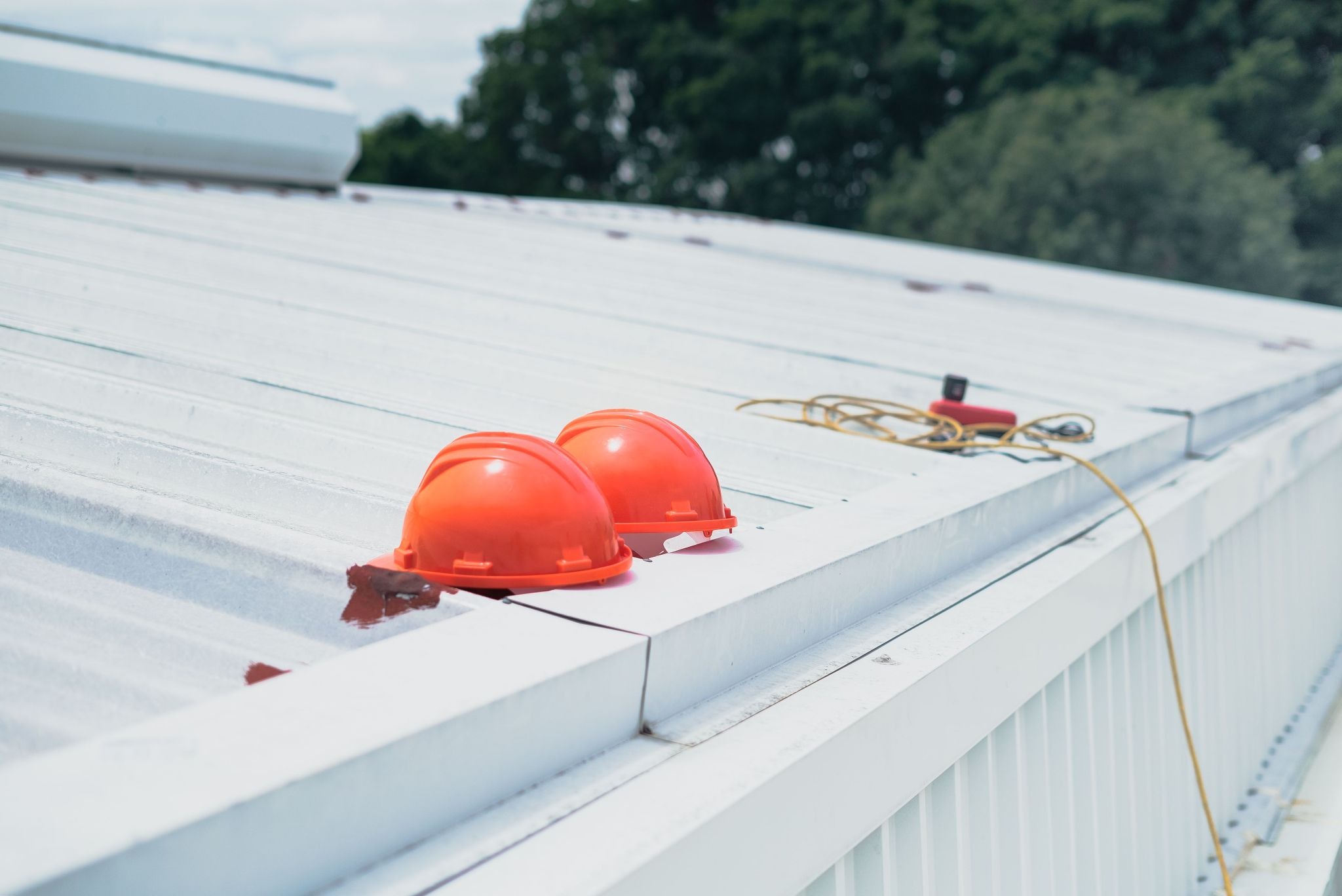
Walk around the home perimeter with binoculars to get a clear view of structural defects. Pay attention to common trouble spots across upper slopes:
Cracked asphalt panels across main section valleys
Curling or cupping edges near exterior eaves
Missing tabs after strong wind storms
Loose nails near the top ridge line
Small surface defects lead to major water intrusion long after initial storms pass. Taking clear photos during your walk allows easy comparisons during price talks. Accurate records back up your repair requests during home purchases.
Examining Biological Growth and Algae Accumulation
Dark streaks or green patches mean extra moisture collects on top of the house. Fungi and plant growth signal high water retention on shingles, causing structural damage and leaks eventually. Shaded roof sections suffer most from continuous dampness.
Moss holds water directly against asphalt surfaces like a damp sponge. Heavy plant growth shortens the lifespan of protective layers quickly. Root structures push shingle edges up, opening pathways for rainwater.
Cleaning away organic matter takes significant time and physical effort. High moisture levels point to deeper drainage problems across the wood deck. Addressing tree shade helps eliminate recurring organic growth.
Checking Attic Ventilation and Interior Moisture
Looking inside the top floor reveals clear clues about air circulation. Proper airflow keeps excess moisture out of upper spaces, decreasing mold and mildew growth. Poor ventilation traps heavy heat inside top storage rooms.
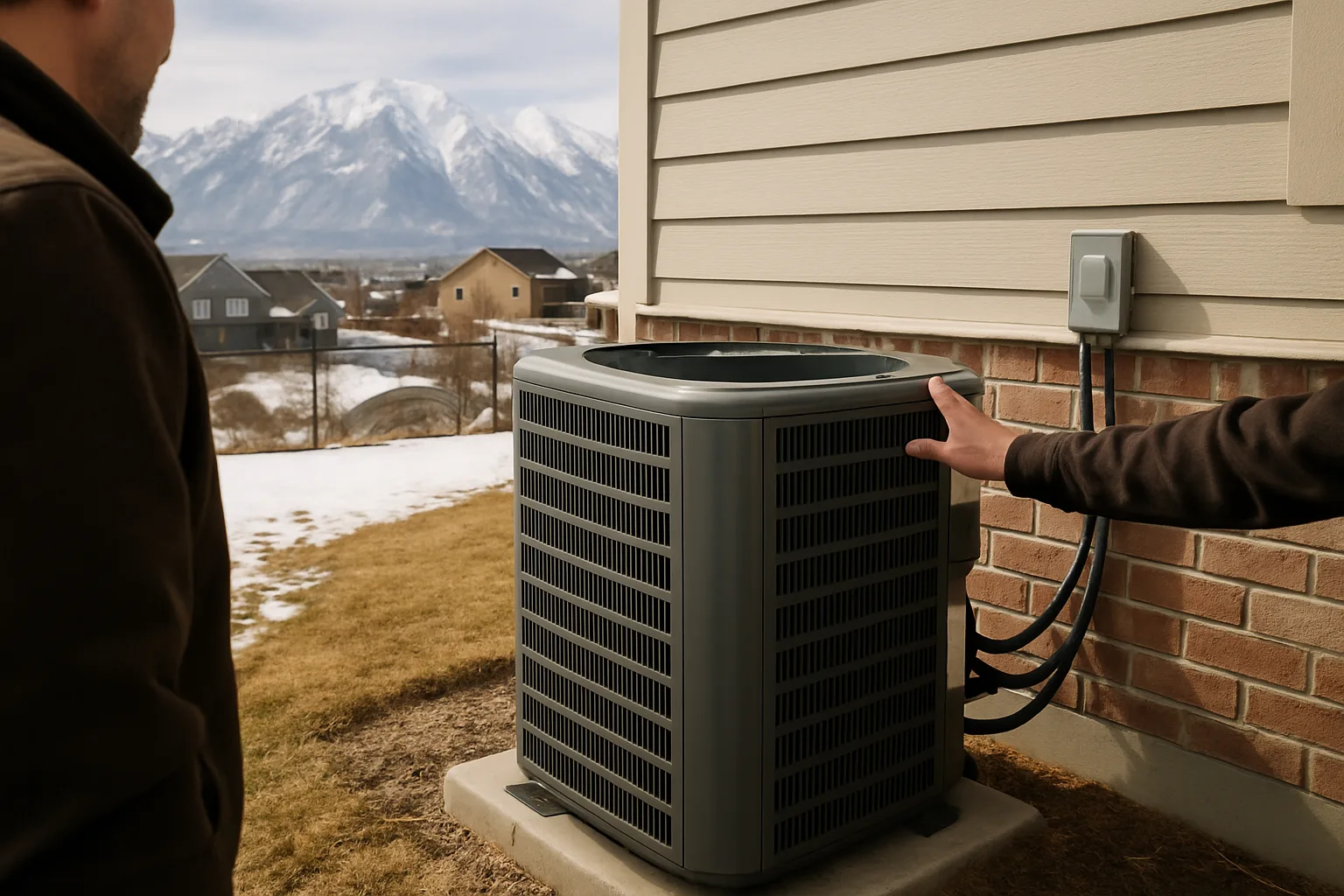
Trapped heat cooks structural panels from the underside during hot summer months. Blocked intake vents force damp air into rafters and wood framing. Trapped humidity causes ceiling joists to warp and weaken. In Utah's dry, high-elevation climate, proper ventilation also plays a role in HVAC performance — see how Utah's elevation and dry climate affect HVAC sizing for related considerations.
Inspecting insulation layers shows if past leaks penetrated the ceiling drywall. Dry insulation keeps monthly heating costs low throughout cold seasons. Dark stains on wooden rafters warn buyers of historical water entry.

Inspecting Metal Flashing Around Chimneys and Vents
Metal strips seal vulnerable gaps around chimneys, skylights, and plumbing stacks. Most residential covers maintain structural integrity for 20 to 30 years depending on selected building materials. Proper sealing keeps driving rain from seeping into wall cavities.
Sealant around metal joints dries out and cracks after years of sun exposure. Watch out for these flashing issues during physical walk-throughs:
Bent flashing strips around skylight frames
Cracked rubber boots on vent pipes
Rust spots on valley drainage tracks
Gaps along brick chimney mortar lines
Replacing damaged flashing requires removing surrounding shingles carefully. Proper metal fitting stops water from traveling along interior ceiling joists. Expert metal repairs keep critical seams tight for years.
Assessing Gutters and Drainage Systems
Gutters guide heavy rain away from exterior siding and foundation walls. Clogged downspouts cause water to back up under lower roof edges during heavy storms. Standing water decays fascia boards faster than normal weathering.
Granules filling up gutter troughs indicate rapid shingle decay. Excessive granule loss leaves raw asphalt vulnerable to intense solar heat. Checking gutter downspouts shows how much protective coating has washed away.
Sagging metal channels spill rainwater close to basement walls. Clean drainage pathways protect upper structures and ground foundations alike. Properly pitched troughs keep water moving smoothly off the roof edge. Well-maintained exteriors, including paint and trim, also help protect a home against Utah's harsh weather swings — our guide to exterior painting and protecting your home against harsh weather covers this in more detail.
Using Findings to Negotiate the Final Purchase Price
Conducting a pre-purchase review prevents buyers from taking on deferred maintenance and provides leverage to renegotiate prices or obtain seller credits. Written reports document exact damage levels for real estate agents. Clear evidence simplifies financial discussions between buyers and sellers.
Detailed repair quotes give buyers solid leverage during price negotiations. Sellers frequently agree to repair requests or price cuts to keep deals moving forward. Pre-closing agreements protect your wallet before closing contracts. A roof issue isn't the only thing worth budgeting for before closing — buyers should also factor in items like radon mitigation costs when weighing a home's true condition.
Knowing repair costs ahead of time aids future budgeting for home improvement. Clear documentation keeps home purchases smooth and predictable for buyers. Smart planning eliminates financial stress after moving into your new home.
Thorough checks keep home buyers safe from unexpected expenses. Identifying defects early gives you total confidence during real estate purchases.
Taking time to examine every detail pays off for decades. Enjoy peace of mind knowing your new home stays dry and sturdy.
Frequently asked questions
How much does a professional roof inspection cost before buying a home?
How long do asphalt shingle roofs typically last in Utah's climate?
Can I ask the seller to fix roof problems found during inspection?
What roof warning signs should I look for during a home showing?
Does homeowners insurance cover roof damage found after buying a house?
Is roof condition negotiable if I'm buying a new construction home in Utah?
Keep reading
More from the blog
Utah Property Taxes: How Your Assessed Value Really Gets Set
Why Identical Houses Get Different Property Tax Bills
Your First Month in a New Utah Home: A Fall Settling-In Guide