

First-Time Home Buyer's Complete Guide to Utah Real Estate
Buying your first home in Utah is an exciting milestone — but it takes careful planning. This step-by-step guide walks first-time buyers through budgeting, choosing the right Utah community, working with a local agent, and navigating the offer and closing process with confidence.
Buying your first home is an exciting milestone, and Utah has become one of the most attractive states for first-time buyers. A strong job market, thriving industries, stunning outdoor recreation, and rapidly growing communities continue to draw individuals and families looking to put down roots. Whether you're hoping to live near the Wasatch Mountains, enjoy city life in Salt Lake City, or settle into one of Utah's expanding suburbs, there are plenty of opportunities to find a home that fits your lifestyle.
The home-buying process can seem overwhelming at first, but taking it one step at a time makes it much more manageable. By understanding your finances, researching neighborhoods, and working with experienced professionals, you'll be better prepared to make confident decisions throughout your home-buying journey.
1. Determine Your Budget Before You Start Looking
Before browsing online listings or scheduling home tours, it's important to understand how much you can comfortably afford. Start by reviewing your monthly income, existing debt, recurring expenses, and savings. This will help you establish a realistic budget that fits your financial goals without stretching your finances too thin.
Beyond the purchase price, remember to account for additional costs such as your down payment, closing costs, property taxes, homeowners insurance, and, if applicable, homeowners association (HOA) fees. These expenses can significantly affect your monthly housing costs.
One of the smartest first steps is obtaining a mortgage pre-approval. A pre-approval helps you understand your borrowing power, demonstrates to sellers that you're a serious buyer, and can make your offer more competitive in Utah's active real estate market.
2. Choose the Right Utah Community
Utah offers a wide variety of communities, each with its own lifestyle and advantages. Salt Lake City appeals to buyers looking for an urban environment with dining, entertainment, and career opportunities. Provo remains popular among students, young professionals, and growing families, while Lehi continues to attract residents working in Utah's expanding technology sector.
Those seeking a warmer climate may find St. George especially appealing — and Washington City just east of St. George is another fast-growing option worth exploring. Ogden offers a compelling balance of affordability and outdoor recreation, and growing communities like Herriman and Saratoga Springs have become attractive choices for families looking for newer homes, parks, and highly rated schools.
As you compare neighborhoods, think beyond the home itself. Consider your daily commute, school districts, nearby shopping and restaurants, access to parks and recreation, and future development plans that may influence property values over time. Choosing the right community is just as important as choosing the right house.
3. Work With a Local Real Estate Professional
Partnering with an experienced Utah real estate agent can make the home-buying process significantly easier, especially for first-time buyers. A knowledgeable local professional understands neighborhood trends, pricing, and current market conditions, helping you identify homes that fit both your needs and your budget.
Your agent can schedule showings, answer questions about different communities, negotiate offers on your behalf, and guide you through contracts and required paperwork. They can also help you navigate inspections, appraisals, financing deadlines, and closing requirements while pointing out potential issues that may not be obvious during a home tour. Having an experienced advocate throughout the process can help you avoid costly mistakes and make informed decisions from your first showing to closing day.
4. Start Touring Homes
Touring homes is one of the most exciting parts of buying a house, but it's important to look beyond fresh paint and stylish staging. While attractive home design can help you picture yourself living in a space, it shouldn't be the deciding factor. Pay close attention to the home's overall condition, including the roof, HVAC system, plumbing, electrical systems, and foundation, as these major components can significantly impact future repair costs. Also consider practical features such as storage space, room layout, natural lighting, and whether the floor plan fits your lifestyle.
Don't forget to evaluate the neighborhood as well. Visit at different times of the day, check nearby amenities, and think about future maintenance responsibilities for both the home and yard. A beautifully staged home may leave a great first impression, but it's the structural condition and long-term livability that truly determine its value. Learn more about the design details buyers notice during a home tour to sharpen your eye before you step through the door.
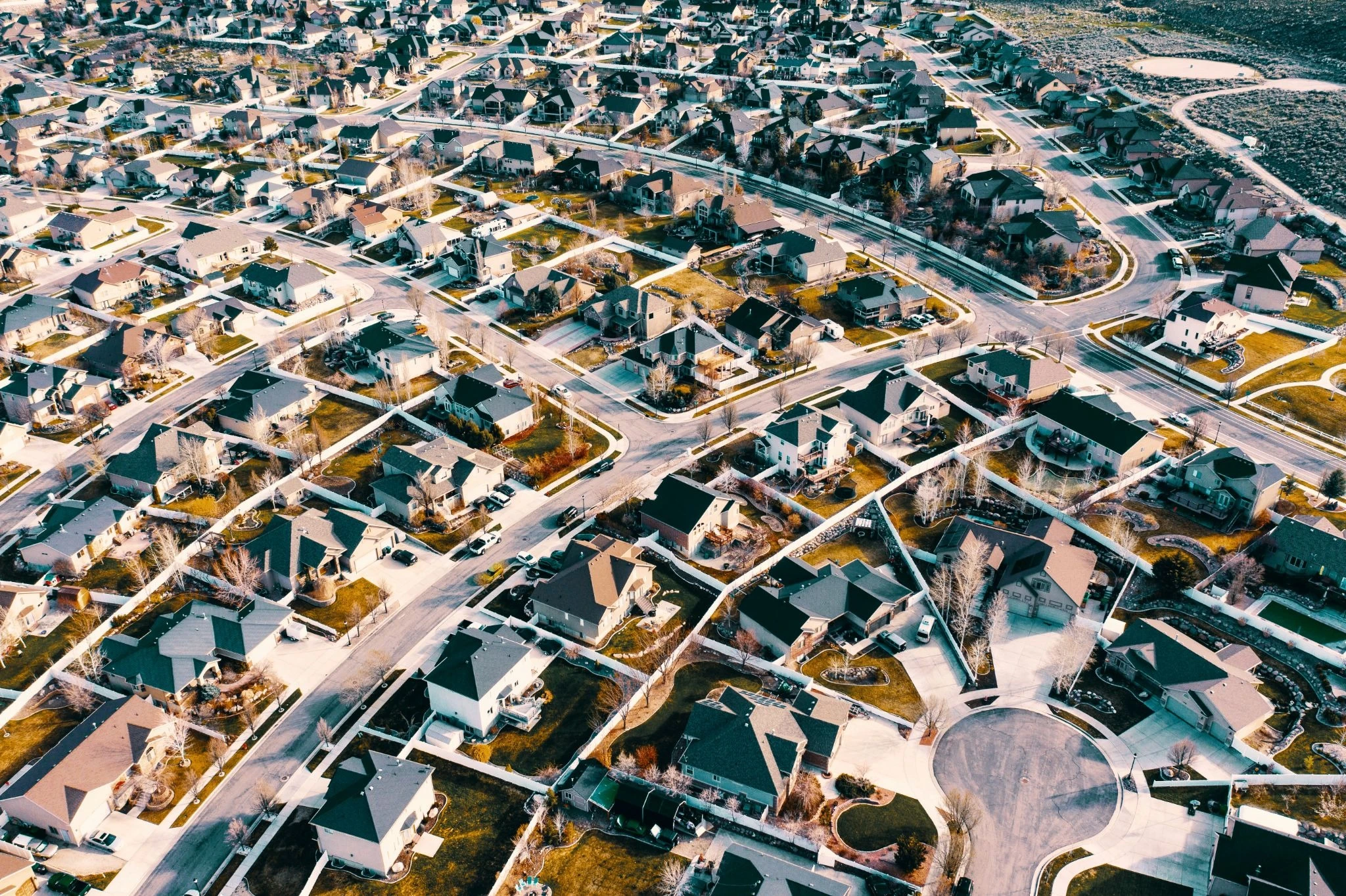
5. Make an Offer and Complete the Inspection
Once you've found the right home, your real estate agent can help you prepare a competitive offer based on current market conditions. After submitting your offer, there may be negotiations regarding price, contingencies, or closing timelines. If your offer is accepted, you'll typically provide earnest money to demonstrate your commitment to the purchase.
Next comes the home inspection, one of the most important steps in the buying process. An inspection can uncover hidden issues involving the roof, plumbing, electrical systems, foundation, or other major components. Depending on the results, you may negotiate repairs or request credits before moving forward. The lender will also order an appraisal to verify the home's value before issuing final loan approval. Even newer homes should be professionally inspected, as construction defects or overlooked issues can still exist.
6. Prepare for Closing Day
As closing day approaches, carefully review your final loan documents and Closing Disclosure to ensure all costs and loan terms match your expectations. Complete a final walkthrough of the property to confirm any agreed-upon repairs have been completed and that the home is in the expected condition.
If you're wiring funds for your down payment or closing costs, always verify wiring instructions directly with your title company to help prevent fraud. Once everything has been signed and funded, you'll receive the keys to your new home. Before moving in, be sure to transfer or set up utilities such as electricity, water, gas, internet, and trash service so everything is ready on move-in day.
7. Tips for Success as a First-Time Utah Homebuyer
A few simple habits can help make your home purchase go more smoothly. Avoid opening new credit cards or taking on additional debt before closing, as changes to your credit profile could affect your mortgage approval. It's also wise to keep an emergency savings fund after buying your home to cover unexpected repairs or maintenance.
If your first offer isn't accepted, don't get discouraged. Utah's housing market can be competitive, and many buyers submit multiple offers before finding the right home. Focus on your long-term goals rather than trying to perfectly time the market, and stay within your budget even if you're approved to borrow more. Purchasing a home you can comfortably afford will provide greater financial stability for years to come.
Final Thoughts
Buying your first home in Utah is a major milestone, and while the process may seem complicated at first, careful planning can make it much more manageable. By understanding your budget, researching communities, touring homes thoughtfully, and working with experienced local professionals, you'll be well prepared for every stage of the journey. Taking the time to secure financing early, ask questions, and make informed decisions will help you confidently purchase a home that meets your needs today and supports your future goals.
Frequently asked questions
How do I know how much home I can afford in Utah?
Which Utah cities are best for first-time home buyers?
Do I need a real estate agent as a first-time buyer in Utah?
What should I look for when touring homes in Utah?
What happens on closing day for a Utah home purchase?
Keep reading
More from the blog
Gas Line Installation: What Homeowners Need to Know First
Roof Timeline Guide for Buying an Older Utah Home
How to Choose Windows for a Utah Home With a Mountain View