Living in Washington City, Utah Near St. George: What Home Buyers Should Know
Washington City sits immediately east of St. George and offers a mix of historic neighborhoods, newer luxury subdivisions, and strong access to Southern Utah amenities. This guide breaks down what home buyers need to know before choosing between Washington City and St. George.
Washington City is often overlooked by people searching Southern Utah real estate, especially when the search starts in St. George. That can be a mistake. Washington City sits immediately east of St. George, and the two areas blend together so closely that many newcomers do not realize when they have crossed from one city into the other. If a move is on the table, take a look at current Washington homes for sale.
For home buyers, though, the differences matter. Washington City has its own neighborhoods, schools, parks, recreation, development patterns, and short term rental rules. It also offers a mix that is hard to find in one place, from older historic pockets with mature trees to newer subdivisions with wider streets and larger luxury homes.
This guide explains what makes Washington City distinct, how it compares with St. George, and which parts of the city may fit different budgets and lifestyles. Readers looking for broader Utah housing options can also browse Utah real estate listings and market resources.
Where Washington City Is and Why Buyers Consider It
Washington City is next to St. George on the east side. In practical terms, many daily errands, commutes, and lifestyle patterns overlap. Residents still have close access to major St. George amenities such as downtown, the hospital, the airport, retail corridors, and Utah Tech.
That convenience is a major reason buyers add Washington City to their search. It can feel like an extension of St. George, but with a different housing mix and its own local identity.
Buyers often consider Washington City when they want:
Proximity to St. George without necessarily living in central St. George
More variety in neighborhood style, from historic areas to newer construction
Access toward Sand Hollow, Hurricane, and Southern Parkway
Opportunities for larger homes in newer areas
A community with its own parks, rec options, schools, and events
What Washington City Feels Like
Washington City is not one uniform neighborhood. That is one of the most important things for buyers to understand early in the search process. The housing stock, lot layout, and overall feel can change significantly depending on which part of the city is under consideration.
At a high level, Washington City can be thought of in two broad categories:
Old Town Washington, closer to Main Street, Telegraph, and older established areas
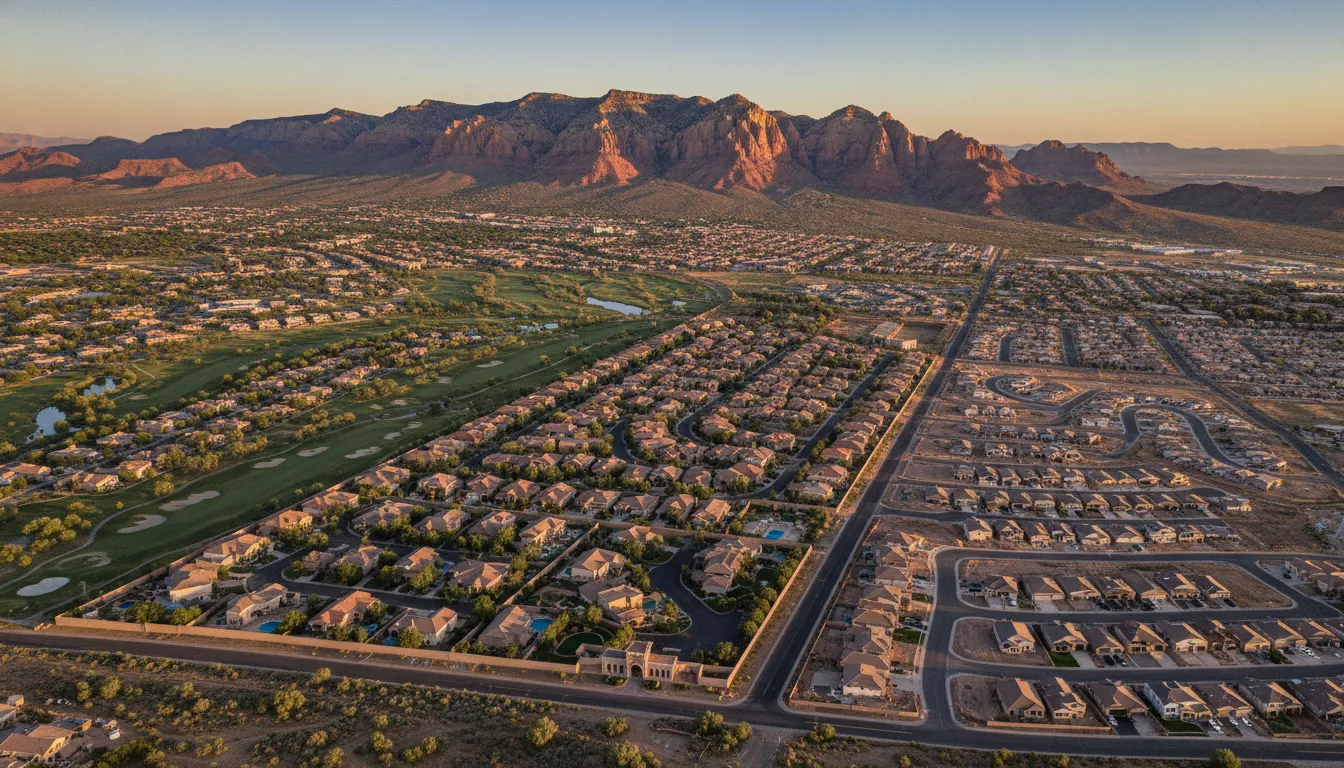
Washington Fields and newer southern areas, where buyers typically find newer homes, active construction, and more expansive layouts
That split helps explain why one buyer may see Washington City as charming and historic, while another sees it as modern and growing.
Old Town Washington: Historic Character and More Established Streets
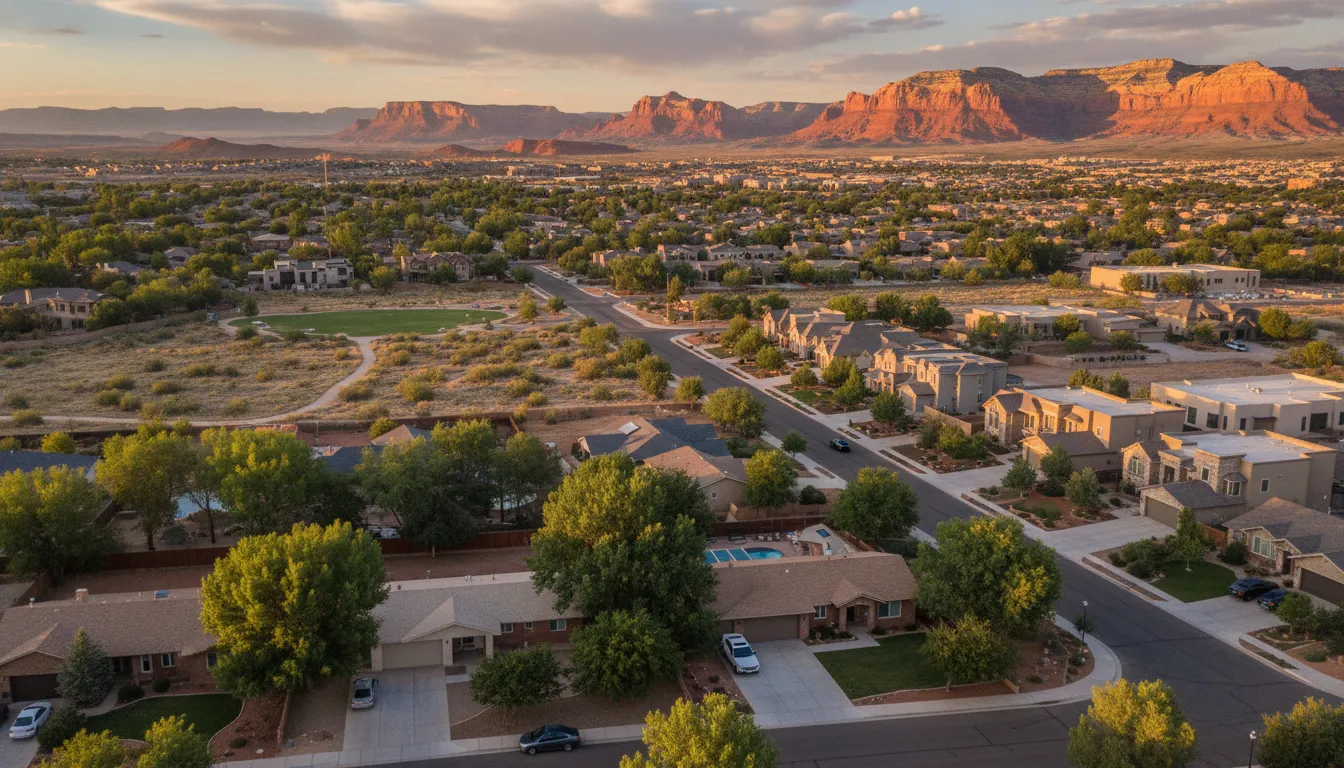
Old Town Washington appeals to buyers who want a neighborhood with character rather than a brand new subdivision feel. This part of the city has deeper local history, pioneer era buildings, mature trees, established streets, and a wider variety of lot sizes.
Some homes and buildings in older Washington reflect adobe construction and long standing neighborhood patterns that differ from newer master planned areas nearby. That can be a major plus for buyers who prefer uniqueness over uniformity.
What Buyers Can Expect in Old Town Washington
Older homes and more established neighborhoods
Mature landscaping and larger trees
Historic appeal near Main Street and Telegraph
A mix of lot sizes and home styles
Some starter homes and townhomes
Fewer homes priced above the luxury tier compared with newer southern areas
This area can be a smart fit for buyers who value charm, location, and affordability more than having the newest finishes or the largest floor plan.
Washington Fields and Newer Washington City: Bigger Homes and Ongoing Growth
South of the older core, Washington Fields and surrounding newer neighborhoods offer a very different experience. This part of Washington City is known for newer homes, wider streets, active construction, and newer infrastructure.
Because the area is not landlocked in the same way as some established neighborhoods, it continues to grow. Buyers who want newer builds, more modern subdivision layouts, or easier access toward Southern Parkway often focus their search here. For buyers weighing nearby options, understanding how Utah's luxury and starter home markets differ in 2026 can help frame the decision.
What Stands Out in Washington Fields
Newer subdivisions and more recent construction
Wide streets and modern neighborhood planning
Larger homes with more square footage
Access toward the airport, Hurricane, and Sand Hollow
More luxury real estate options
Continued road and infrastructure expansion
For buyers considering nearby lifestyle oriented communities, Sand Hollow Village homes in Hurricane can also be relevant when access to Sand Hollow and newer Southern Utah development is a priority.
Washington City Home Prices and Housing Types
Washington City offers a broad range of housing, but the type of home usually depends on which area of the city is being targeted.
Typical Pricing Patterns in Washington City
Old Town Washington tends to have fewer homes over $1 million, along with some popular starter homes and townhomes.
Newer Washington Fields areas often feature homes in the $1 million to $1.5 million range, including four to five bedroom properties and homes up to roughly 5,000 square feet.
That does not mean every home fits neatly into those ranges, but it does highlight how much the city can vary. Washington City can work for first time buyers, move up buyers, and those seeking a second or third home with more space.
Buyers who want to compare that range with surrounding communities may also find it helpful to review homes for sale in Washington, Utah and contrast them with nearby St. George inventory.
How Washington City Compares With St. George
Washington City is not simply a cheaper or better version of St. George. It is better understood as a different mix of access, housing, and neighborhood style.
Washington City May Be a Better Fit When a Buyer Wants:
To stay close to St. George while avoiding a more central city setting
More access to the east side of the metro area
Closer routes toward Sand Hollow or Hurricane
Newer subdivisions and larger homes
A combination of history and growth in one city
St. George May Be a Better Fit When a Buyer Wants:
Easy access to downtown restaurants and historic city amenities
Closer proximity to the hospital, airport, office buildings, or Utah Tech
A broader selection of long established St. George neighborhoods
A location more centered around traditional city services and businesses
For a closer look at surrounding inventory and neighborhood options, buyers often compare Washington City with St. George real estate before narrowing the search.
Access, Roads, and Commuting Advantages
Commute patterns matter in Southern Utah, especially for households balancing school routes, daily errands, airport access, or travel toward recreational areas. Washington City benefits from close regional connectivity and newer access improvements.
One practical advantage noted for the city is the newer Main Street on ramp and off ramp access, which improves connectivity compared with relying only on older, busier intersections. That may not sound like a headline feature, but road access can materially affect day to day convenience.
Washington Fields also benefits from roads connecting toward Southern Parkway, which can help with access to the airport and nearby communities.
New Development and Growth to Watch
Washington City continues to grow in both its older and newer sections. Buyers considering the area should understand that future amenities and infrastructure are part of the appeal.
Notable Projects and Growth Areas Include:
A new WinCo planned at 175 West Buena Vista Boulevard, described as a large grocery store project in older Washington with significant parking and surrounding retail potential
The Paseo, located just over the line in St. George but positioned to benefit many Washington City residents with more shopping and dining
The extension of Washington Fields Road, approved to continue south and support additional growth
Ongoing building in former farmland areas, especially in newer sections of the city
This kind of development matters because it shapes convenience, resale potential, and neighborhood identity over time. Buyers interested in how local growth affects long-term value can also read about how to measure long-term real estate appreciation.
Schools in Washington City
Washington City and St. George are both in Washington County, so they share the same county school district structure. For many families, that means the city comparison is less about separate districts and more about specific attendance zones and neighborhood placement.
In the Washington Fields area, some homes may feed into highly rated schools in Southern Utah. Because school boundaries can change and enrollment patterns matter, buyers should always confirm school assignments during due diligence rather than relying on assumptions.
For families, the right question is usually not just "Is Washington City good for schools?" but rather "Which specific neighborhood places the household closest to the school experience it wants?" Current school boundary information is available through the Washington County School District.
Short Term Rentals in Washington City
Washington City does allow short term rentals in certain specifically zoned subdivisions. That is an important detail for both investors and primary residents.
For investors, the key takeaway is that not every neighborhood permits vacation rental use. For owner occupants, that zoning approach may actually be a benefit, because it can help preserve many residential neighborhoods from becoming overly tourist oriented. For broader state guidance, the Utah Division of Real Estate is a useful reference.
What to Keep in Mind About Short Term Rentals
They are limited to certain properly zoned subdivisions
Resort style communities may feel more appropriate for this use
Rules should always be verified during buyer due diligence
Restrictions can help maintain a more residential feel in other neighborhoods
Investors exploring this strategy in the region may also want to review vacation rental opportunities in St. George and compare how community rules affect income potential.
Who Should Consider Washington City?
Washington City can be a strong option for several buyer types.
It May Fit First Time Buyers Who Want:
Townhomes or starter homes in older established areas
Close proximity to St. George amenities
A less central location without leaving the metro area
It May Fit Move-Up Buyers Who Want:
More square footage
Newer subdivisions
Wider streets and more modern neighborhood design
It May Fit Luxury Buyers Who Want:
Larger homes in Washington Fields
Four to five bedroom layouts
Space, newer construction, and more dramatic home presentation
It May Fit History-Minded Buyers Who Want:
Pioneer era character
Mature trees and older streetscapes
A more distinctive home rather than a standard spec build
Common Mistakes Buyers Make When Comparing Washington City and St. George
Assuming the cities are interchangeable. They are adjacent, but they differ in housing style, development pattern, and some rules that affect ownership.
Treating Washington City as one single neighborhood. Old Town and Washington Fields can feel completely different.
Focusing only on city names instead of daily routine. School route, commute, airport access, and recreation corridors often matter more than the mailing address.
Not verifying short term rental eligibility. Investors should never assume vacation rental use is allowed everywhere.
Ignoring future growth. New grocery, retail, roads, and ongoing construction may improve convenience, but they may also change the feel of an area over time.
How to Decide Which Part of Washington City Fits Best
A simple framework can help narrow the search.
Choose Old Town Washington If the Priority Is:
Historic character
Mature trees
Established streets
Starter home or townhome options
Choose Washington Fields or Newer Southern Areas If the Priority Is:
New construction
Larger homes
Luxury inventory
Easy routes toward Southern Parkway, the airport, Sand Hollow, and Hurricane
Choose St. George Instead If the Priority Is:
Downtown access
Closer proximity to the hospital or Utah Tech
A more central traditional city setting
Final Takeaway
Washington City is one of the most practical alternatives for buyers who start their search in St. George but want a different neighborhood experience. It offers close access to major Southern Utah amenities while providing a wider mix of historic homes, newer subdivisions, and luxury properties than many out of area buyers expect.
The right fit depends less on which city sounds more familiar and more on what the household actually needs. Budget, lot size, commute, school area, construction style, and long term plans should drive the choice.
For many buyers, Washington City deserves a serious look before the search is narrowed too quickly to St. George alone.
Frequently asked questions
Is Washington City basically the same as St. George?
Is Washington City a good place to buy a home in Southern Utah?
What is the difference between Old Town Washington and Washington Fields?
Are homes in Washington City less expensive than St. George?
Can buyers find new construction in Washington City?
Does Washington City allow short term rentals?
Are the schools in Washington City different from St. George schools?
Washington, Utah housing market
A quick read on what homes are doing in Washington right now — pulled live from the MLS.
Keep reading
More from the blog

Best places to visit in Washington, Utah
Pros and Cons of Living in Washington City, Utah

Things to Do in Washington, Utah