How Desert Heat Affects Your Home's Pipes and Water Heater
Desert heat doesn't just spike your AC bill — it quietly stresses pipes, fittings, and water heaters until a small leak becomes a big problem. Here's how to spot trouble early and heat-proof your home's plumbing.
Palm Springs doesn’t do “mild” summers. When the thermometer claws past 110°F, your AC isn’t the only thing screaming for mercy – your plumbing is quietly sweating through the same heatwave. Most homeowners fixate on cooling bills, but desert heat throws a wrench into pipes, fixtures, and water heaters in ways that sneak up fast.
From metal and plastic lines swelling like sunbathers to bone-dry soil shifting under your yard, the desert climate cooks up plumbing headaches you won’t see until a leak stains your ceiling. Toss in longer showers, pool top-offs, and sprinklers running overtime, and your system’s under siege.
This isn’t a dry manual – it’s your survival guide to spotting trouble before a trickle becomes a flood. And when things go sideways, a trusted Palm Springs Plumber can track down hidden leaks, reinforce vulnerable lines, and keep your water flowing smoothly through the scorch.
Meet Your New Nemesis: Thermal Expansion
Picture your pipes as accordion players. By day, they stretch in the heat; by night, they shrink as temperatures drop 40°F or more. That daily tug-of-war fatigues joints, loosens fittings, and invites cracks – especially in attics, garages, and crawl spaces where temps can hit 150°F.
Metal pipes (copper, galvanized steel) expand and contract, wearing solder joints thin over years.
Plastic pipes left in the sun don’t stand a chance against Palm Springs heat. They can get soft and saggy, twist out of shape, or turn so brittle they snap – sometimes giving out in less than ten years.
Buried pipes have their own battle: the desert ground around them bakes dry, shrinks, and shifts like a restless bed. That constant squeezing and tugging can crack or knock pipes out of line without you even noticing.
The worst part? Damage hides. You might notice a mysterious water-bill spike, a damp patch on the wall, or a suddenly lush green spot in the yard – classic signs of a stealthy underground leak.
Outdoor hose bibs dripping or sputtering? That’s your cue to call a Palm Springs plumber before a small seep turns into a slab-side gusher.
Summer Water Guzzling: Your Pipes’ Worst Habit
Desert summers turn every home into a water park. Pools evaporate, sprinklers duel the sun, and everyone’s taking extra-long, cool-down showers. That surge in demand cranks up pressure on a system already stressed by heat.
Older systems or tiny, unnoticed leaks suddenly show their age: lower pressure, sluggish drains, or a bill that doesn’t match your usage.
Track your meter during heatwaves. If usage jumps without a clear reason, don’t shrug it off as “summer normal.” A pro can sniff out hidden leaks and clear buildup before your pipes throw a tantrum. This same watchfulness matters wherever summers run hot and dry, including for Utah homeowners weighing seasonal exterior and system upkeep before temperatures spike.
Your Water Heater: The Overworked Desert Warrior
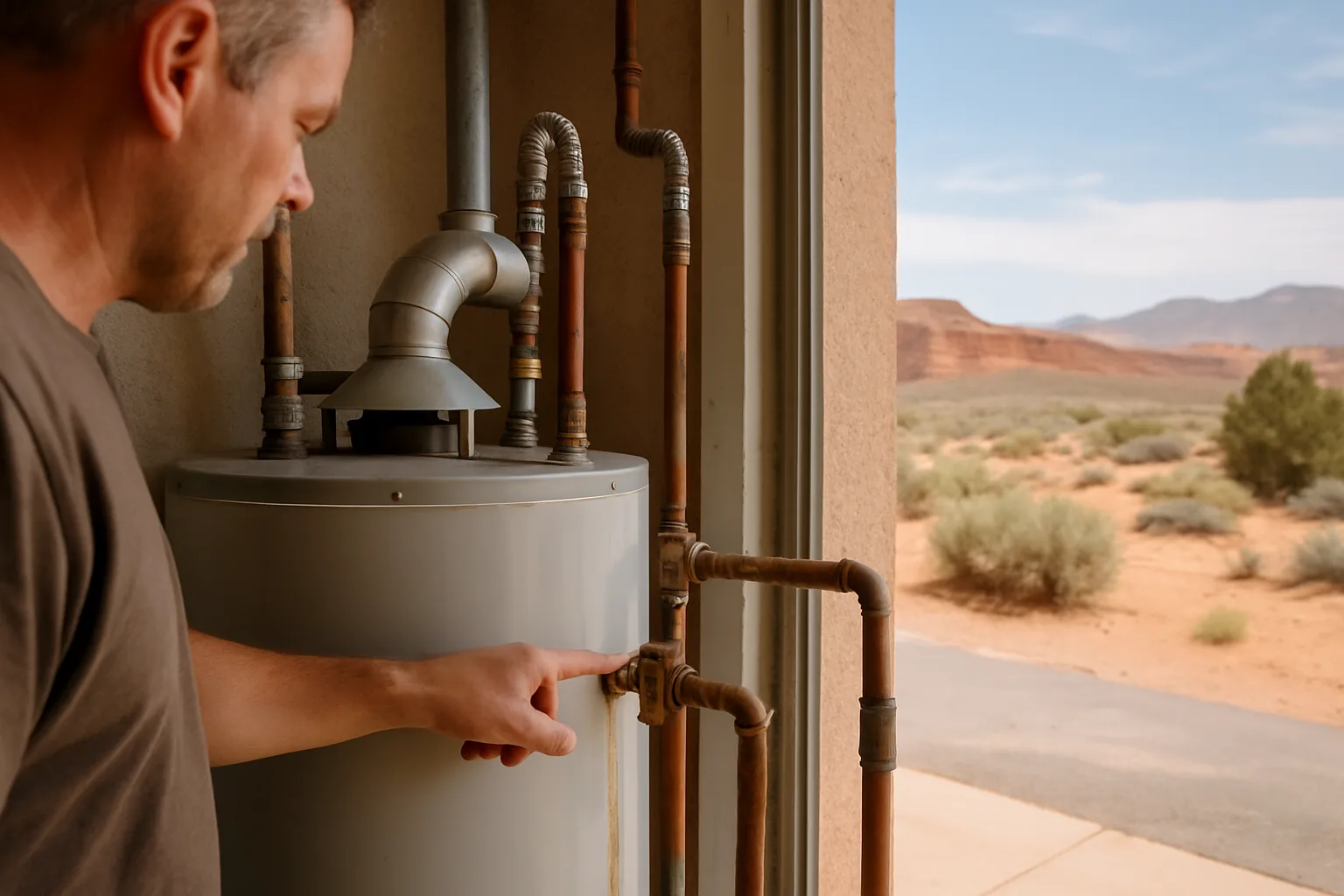
Your water heater doesn’t clock out for summer. Parked in a hot garage or attic, it’s battling ambient temps that can soar past 140°F, forcing it to work harder to keep water hot.
In scorching heat, your water heater’s thermostat and safety valves can act up, leading to sudden pressure jumps or showers that swing from lukewarm to scalding.
As water heats up, it expands and pushes harder against the tank and its fittings. If the pressure-relief system is tired or worn, that extra shove can strain everything and invite leaks or failures.
Warning signs: lukewarm showers, rumbling noises, rust flakes, or puddles around the tank. A sudden energy-bill jump? That’s your heater gasping for efficiency.
Older units are prime candidates for summer checkups. Regular maintenance – flushing sediment, testing valves, inspecting anode rods – can stretch your heater’s life and prevent a mid-heatwave cold-shower surprise. If you're buying a home with an aging system, it's worth comparing notes with guides on home warranty coverage for older mechanical systems, since water heaters face similar wear-and-tear risk.
Heat-Proof Your Plumbing: A Palm Springs Plumber’s Cheat Sheet
You don’t need a crisis to give your system some love. A few smart moves during the dog days of summer can spare you a plumbing nightmare.
Scout exposed pipes, hose bibs, and outdoor connections for drips, cracks, or sun-bleached brittleness.
Watch your water bill: an unexplained rise often points to a hidden leak.
Inspect your yard for soggy patches or grass that’s greener than the rest – classic underground leak flags.
Ventilate water-heater zones per manufacturer specs; clear clutter from around the tank to let heat escape.
Schedule a pre-summer tune-up for older pipes and heaters. An experienced plumber can spot worn parts, test pressure relief, and reinforce vulnerable joints before the mercury explodes.
When to Call in the Cavalry
If your water pressure dips, your bill balloons, or your heater starts acting up, don’t wait for a flood. Desert heat punishes procrastination. A seasoned plumber brings leak-detection gear, pressure-testing tools, and the know-how to fix issues before they wreck your home.
Palm Springs summers are brutal, but your plumbing doesn’t have to be a casualty. Stay alert, act fast, and keep a pro's number handy. Your pipes (and your wallet) will thank you. Utah homeowners facing similarly harsh seasonal swings can find related upkeep tips in our guides on protecting exteriors against harsh weather and evaluating older home systems before you buy.
Frequently asked questions
How does extreme heat cause pipes to leak or fail?
What are the warning signs of a hidden underground water leak?
How often should a water heater be serviced in a hot climate?
Can high summer water usage damage my plumbing system?
How long do plastic and metal pipes typically last in desert heat?
Is it worth getting a pre-summer plumbing inspection before a heatwave?
Keep reading
More from the blog
2034 Winter Olympics in Utah: Which Cities and Projects to Watch Before Buying (2026)

Multi-Tier Outdoor Layouts That Boost Backyard Property Value
How to Vet a Home Services Contractor in Utah