Buying a House With an Old Roof? What to Know Before You Buy
Buying a home with an older roof means weighing lifespan, hidden structural wear, and replacement costs before you sign. This guide walks through inspections, red flags, insurance quirks, and how to turn roof findings into negotiating leverage.
Finding a charming home with a vintage feel often comes with older structural components. The overhead shelter protects everything inside, making its overall condition a prime factor during purchase negotiations. Understanding what to look for keeps your investment secure and prevents sudden financial surprises after closing your loan. If you're weighing a fixer-upper against new construction inventory, roof condition is one of the biggest cost variables to plan around.
Evaluating The Physical Age And Lifespan
Age plays a major role in deciding whether a structure needs immediate attention or simple maintenance.
Asphalt shingles and traditional building materials can last anywhere from 15 to 30 years, depending on regional weather patterns and past maintenance habits. Taking time to review property records gives buyers a clear picture of remaining utility.
Federal housing guidelines require that a roof have a remaining physical life of at least two years for standard mortgage approvals.
Buyers can review installation dates and past repair permits before submitting a formal purchase offer. Requesting full disclosures from sellers helps verify how much life remains in the materials.
Older homes may feature layered shingles from past quick fixes rather than a full tear-off replacement. Multiple shingle layers trap excess heat and add heavy weight to the house framing. Asking the seller for direct documentation helps you anticipate how soon a full tear-off might become necessary.
Hiring Professional Roofers For Inspection
Standard home inspectors provide a broad overview, but specialized trade contractors offer deep technical insights. Homebuyers frequently hire local roofers to perform thorough attic checks and shingle assessments before closing a deal. Their detailed reports highlight subtle surface damage and hidden structural wear. For a step-by-step walkthrough, this roof inspection checklist for home buyers covers the exact areas a pro should examine.
Professional contractors step directly onto the surface to inspect flashing details, pipe boots, and chimney caps.
They can identify minor leaks that standard visual checks from the ground often miss. Receiving an expert assessment gives buyers a clear scope of work before signing final agreements.
Having an accurate evaluation empowers buyers during price negotiations with sellers. Clear written findings can lead to seller financial credits or repair agreements before closing, similar to how comparable home sales are used to justify a fair asking price. This documentation aids in securing proper property insurance coverage without delays.
Assessing Critical Structural Components
Overhead coverings do much more than block rain, snow, and bright sunlight. Technical guides from educational inspection institutions note that the roof is one of the most critical components of a home, protecting it from weather and environmental damage.
Defects in framing or decking compromise the entire property as years pass. Water intrusion through weak shingle layers rots wooden rafters and compromises attic insulation performance. Identifying these core structural issues early protects the long-term value of your property investment. Some buyers also run into related concerns, like foundation cracks stemming from long-term water intrusion, that deserve the same level of scrutiny.
Underlayment and ventilation systems are just as important as the top shingles themselves. Inadequate attic ventilation causes heat buildup, which warps wooden sheathing and degrades shingle backing rapidly.
Spotting Signs Of Wear And Damage
Visual cues often reveal how well the overhead structure has been maintained through changing seasons.
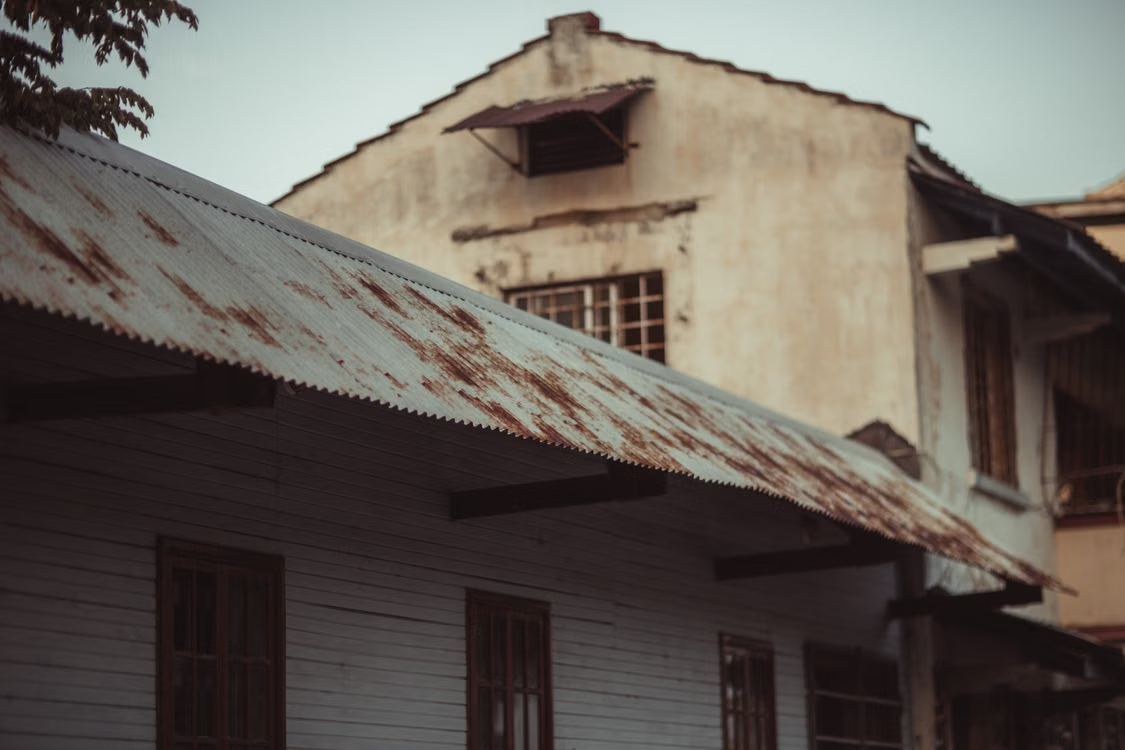
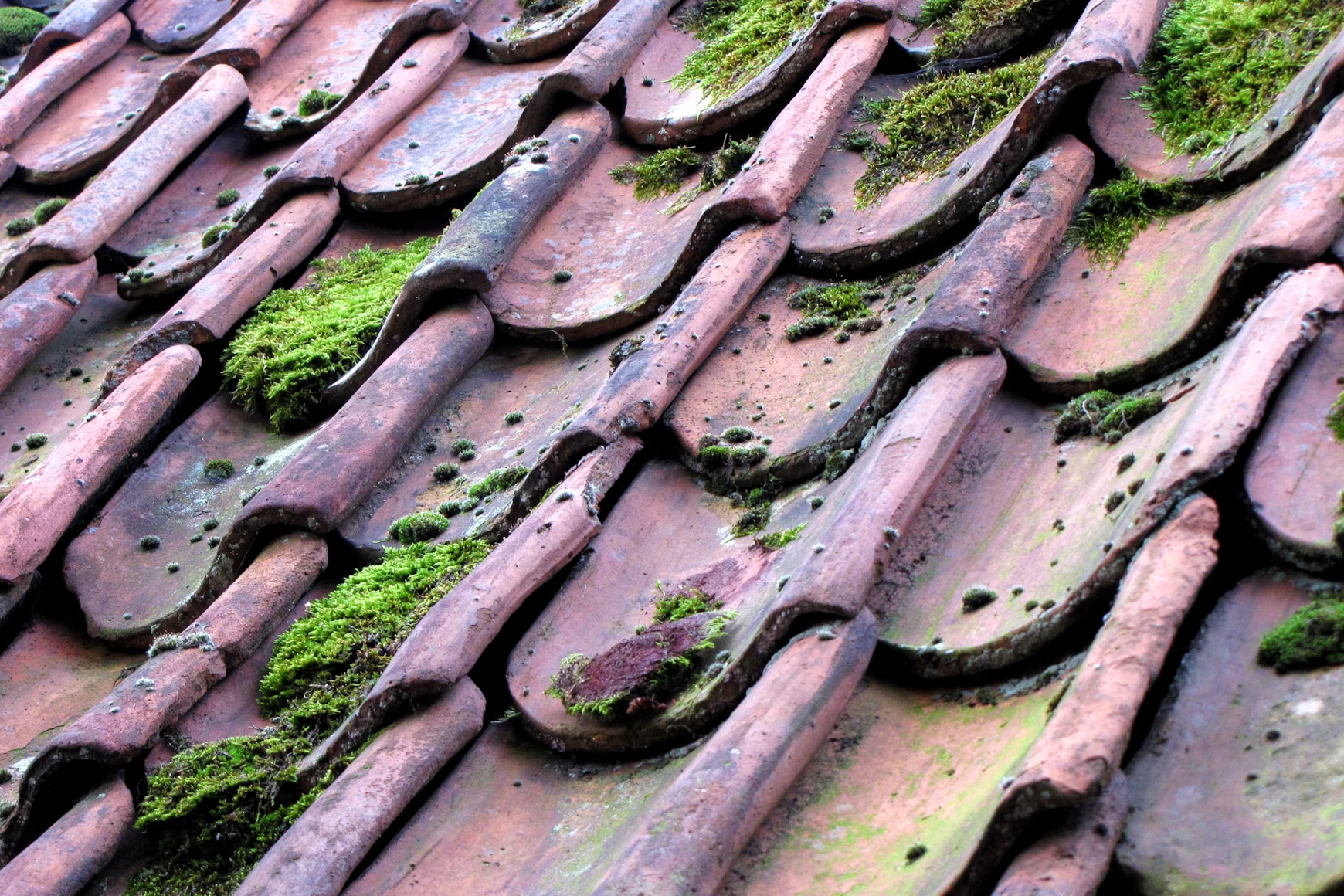
Curled shingle edges, missing granules, and rusted metal flashing indicate that replacement may be approaching soon. Walking around the perimeter gives potential buyers an initial idea of physical condition.
Look out for these common signs of physical deterioration during your initial walkthrough:
Water stains along interior ceilings and top-floor drywall
Sagging ridge lines across the main house structure
Damaged seals around chimneys, vents, and skylights
Granules accumulating inside perimeter gutters
Catching these symptoms early gives you clear leverage during purchase contract adjustments. Neglecting visible wear leads to interior wood rot and steep remediation bills down the road.
Exploring Disaster Relief And Repair Coverage
Storm events and severe weather can cause sudden structural damage to older residential properties. Government emergency assistance programs provide money to help repair or replace an owner-occupied primary residence so the home is safe to live in.
Understanding available funding options helps homeowners handle sudden emergency repairs without exhausting personal savings accounts. Checking program eligibility during purchase planning provides extra financial safety. Having a clear plan for unexpected weather damage keeps your home secure.
Insurance policies often handle older structures differently than brand-new installations. Insurers might offer actual cash value coverage instead of full replacement cost coverage for aging materials.
Estimating Immediate Replacement Costs
Roofing replacement requires careful budgeting before completing a real estate purchase. Factoring in teardown costs, material selection, and labor rates helps establish an accurate financial plan.
Knowing potential costs upfront keeps buyers from taking on unexpected debt after moving into the house.
Getting detailed quotes from several contractors gives a realistic picture of upcoming project expenses. Homebuyers can use these estimates to request price reductions or cash credits from sellers at closing. Having real cost figures turns vague concerns into concrete negotiation points. Sellers weighing the same trade-offs from the other side of the table may find this guide on whether to replace, repair, or credit a roof before selling useful context.
Factoring in potential structural repairs under the shingles keeps your overall budget realistic. Replacing damaged plywood decking or fascia boards adds to the total labor and material bill. Preparing for these potential extra costs protects your financial plan throughout the purchasing process.
Navigating a real estate transaction involving an aging overhead structure requires careful planning and thorough checks.
Gathering expert opinions, checking physical conditions, and understanding financing options gives you confidence throughout the buying process. Taking these practical steps helps your prospective property remain a secure, comfortable place for years to come.
Frequently asked questions
How old can a roof be and still qualify for a mortgage?
Should I ask the seller to replace the roof before closing?
How much does a roof replacement typically cost before buying a home?
Can homeowners insurance deny coverage because of an old roof?
What's the difference between a home inspection and a roof inspection?
Are layered shingles on an older home a red flag?
Keep reading
More from the blog
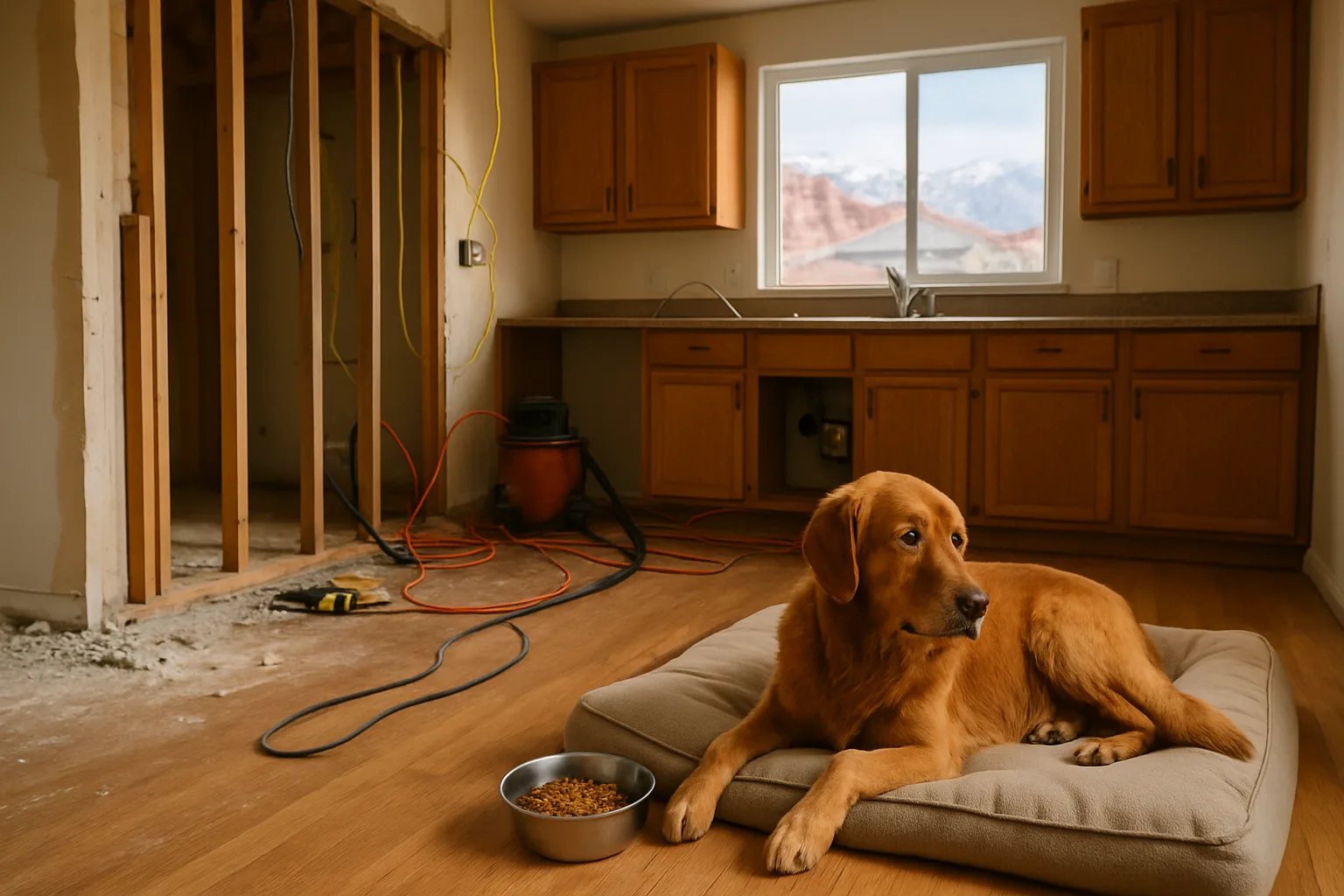
Monitoring Your Dog's Wellbeing During Home Renovations
Utah Property Taxes: How Your Assessed Value Really Gets Set
Why Identical Houses Get Different Property Tax Bills