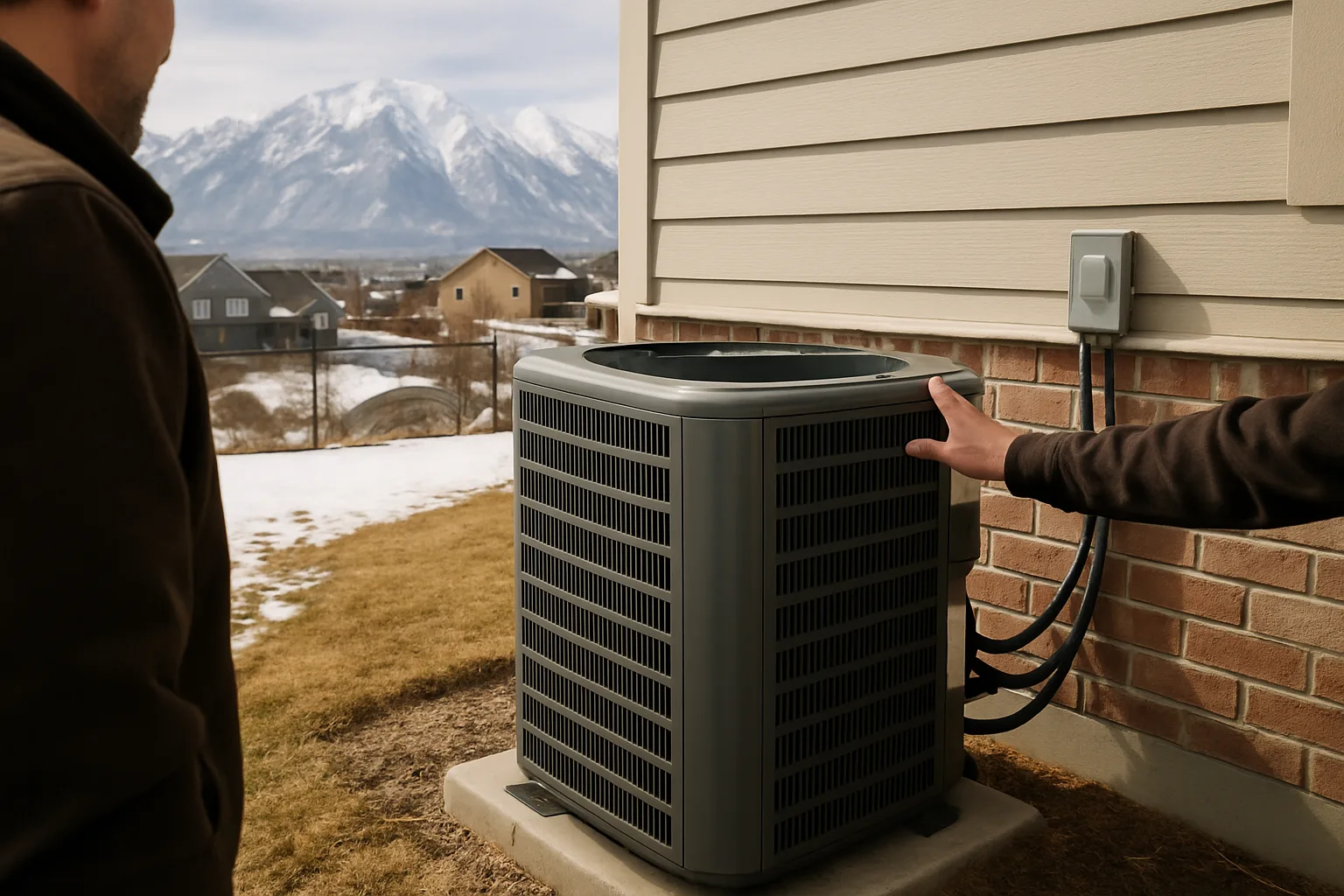
How Roof Condition Moves a Home Sale: Replace, Repair, or Credit
Roof condition is one of the top deal-killers after inspection. This guide breaks down how age, climate, insurance, and lender rules should shape a seller's decision to replace before listing or credit at closing.
Almost every deal that falls apart after inspection falls apart over one of three things: foundation, water, or roof. The roof is the most common and the most negotiable, partly because it's the one where both sides can point at a number and argue about it.
It's also the item where sellers most often make an expensive decision on instinct. Replace it before listing, or price it in and let the buyer deal with it? The right answer varies more than people expect, and it depends on things that have nothing to do with the roof itself.
The Number Everyone Argues About
The conversation almost always starts with age. How old is it, and how long do these last?
Both halves of that question are softer than they sound. Sellers frequently don't know the true age, because the roof was replaced by a previous owner or after a storm that predates their ownership. And manufacturer lifespans describe a product under test conditions, not a specific roof on a specific house with a specific ventilation setup.
Which means the age figure in the listing is an estimate wearing a suit.
Age Is a Proxy, Not a Diagnosis
Two roofs installed the same week can be in completely different condition a decade later. What separates them is mostly ventilation, installation quality and exposure.
An underventilated attic bakes shingles from below and shortens their life considerably. A roof with heavy afternoon sun exposure on a west-facing plane will fail on that plane first while the north side still looks new. And a roof installed over an existing layer, which was common and is still legal in many places, will generally not reach the life a single-layer installation would.
What the Inspector Writes and What It Means
Inspection language is deliberately conservative, and buyers read it as worse than it is while sellers read it as nitpicking.
"Approaching the end of its serviceable life" is not a defect finding, it's a forecast. "Evidence of prior repair" means somebody has been up there, which is neutral. "Granule loss consistent with age" is expected and normal. The findings that actually move money are active leaks, damaged or missing flashing, deck damage, and any note that the inspector could not evaluate a section, because unevaluated is treated by everyone downstream as presumed bad.
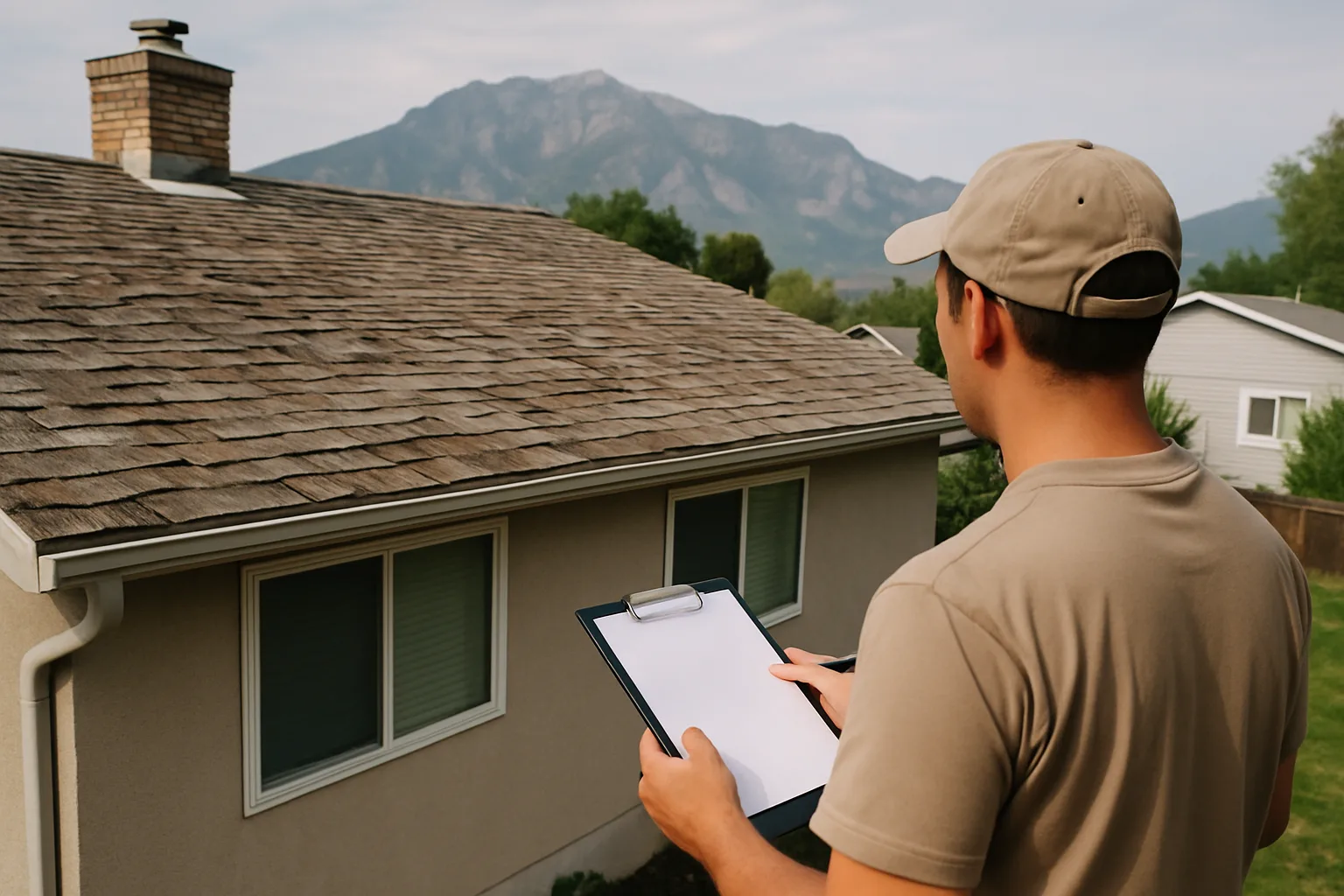
The practical move for a seller is to get ahead of the language. A roofer's written condition report obtained before listing costs little and reframes the conversation, because a specialist's assessment carries more weight than a generalist's caution.
Climate Does More Than Age Does
This is where regional experience stops transferring, and it's worth understanding if you're relocating or working with buyers who are.
A composition shingle roof in Utah ages under intense high-altitude UV, wide daily temperature swings, freeze-thaw cycling and snow load. Failure here tends to be gradual: brittleness, granule loss, cracking, and eventually leaks at the details. You usually get years of warning.
On the Texas Gulf Coast the driver is impact and wind rather than slow weathering. Hail seasons and tropical systems mean a homeowner may call in Roofing The Woodlands TX after a single afternoon, on a roof that had years of ordinary wear left in it, because a storm ended the question early. Buyers in that market ask about the last claim before they ask about the age, and sellers there are far more likely to hold a recent replacement and a matching insurance file.
Bringing Gulf Coast instincts to a Utah roof, or the reverse, produces bad estimates in both directions. Utah's own weather patterns, including winter inversions along the Wasatch Front, can also shape how buyers evaluate a home overall — see Utah Winter Inversions: How Air Quality Can Affect Home Buying.
Insurance Has Become the Quiet Dealbreaker
The newer complication isn't the inspector, it's the carrier. Insurers have grown noticeably less willing to write full replacement cost coverage on older roofs, and in some cases less willing to write the policy at all.
For a buyer this can surface late and awkwardly, during the financing window, when a quoted premium comes back far above what was budgeted or the carrier requires replacement as a condition. It's worth having buyers get an insurance quote early rather than at the last minute, because a roof that passes inspection can still complicate a policy.
Replace Before Listing, Or Credit At Closing
The honest answer is that full replacement before listing rarely returns its cost dollar for dollar. What it buys is a faster sale, a cleaner inspection, and the removal of an argument.
A rough way to think about it. If the roof is genuinely at end of life, replacing it usually beats crediting, because buyers discount an unknown far more heavily than the actual repair costs. If it has real life left and just looks tired, a pre-listing condition report plus targeted repairs will normally serve better than a replacement you'll never recover. And if the market is slow, removing objections matters more than protecting margin. Getting the price right in the first place also matters — see Why Comparable Home Sales Matter When Pricing Your Home.
The Lender Has an Opinion Too
Buyers and sellers negotiate, and then a third party who wasn't in the room applies its own standard.
For FHA-financed purchases the appraiser is instructed to flag a deficiency where the roof covering doesn't prevent moisture entry or provide reasonable future utility, durability and economy of maintenance, and where it doesn't have a remaining physical life of at least two years. Under the same HUD Single Family Housing Policy Handbook the appraiser must report a roof with less than two years of remaining life and make the appraisal subject to inspection by a professional roofer. That is a lower bar than most buyers imagine, and it is not a home inspection, but it is a hard gate: a roof below it can stall the loan regardless of what the parties agreed.
This is general information rather than legal or financial advice, and loan requirements vary by program and change over time. Check the current requirements for the specific loan involved.
Documents Are Worth More Than Assurances
The sellers who negotiate best on this are the ones with a folder. Original invoice, material and color, warranty documentation and whether it transfers, any insurance claim paperwork, and receipts for repairs.
A transferable manufacturer warranty is a genuine asset that frequently goes unmentioned in listings because nobody thought to look for the paperwork. A verbal "it was done about eight years ago" is worth nothing at the negotiating table.
Price the Roof Before the Market Does
The mistake isn't choosing wrong between replacing and crediting. It's arriving at inspection without having made the choice.
Get a written condition assessment before listing, find the paperwork, decide deliberately, and price accordingly. A roof that's been thought about is a line item. A roof that hasn't is a renegotiation, and renegotiations cost more than roofs. For more on how roof condition ties into overall resale value, see The Hidden Value of a Durable Roof in Today's Housing Market.
Frequently asked questions
Should I replace my roof before selling my house?
How does roof age affect an FHA appraisal?
What roof problems actually affect a home's sale price?
Why is homeowners insurance harder to get on an older roof?
How does Utah's climate affect roof lifespan compared to other states?
What documents should a seller gather before listing a home with an older roof?
Keep reading
More from the blog

Utah Property Taxes: How Your Assessed Value Really Gets Set
Why Identical Houses Get Different Property Tax Bills

Your First Month in a New Utah Home: A Fall Settling-In Guide