Your First Month in a New Utah Home: A Fall Settling-In Guide
Closing on a Utah home in October or November means racing the first snowstorm to feel settled. This guide covers the paperwork, storage, and kid-friendly steps that make the first month after moving day feel manageable instead of chaotic.
Closing on a house in October or November comes with a particular kind of pressure. The moving trucks are booked, the kids are already enrolled somewhere new, and winter is visibly closer than it was when you started house hunting in July. Families who move to Utah in the fall usually have a short window to get functional before the first snow hits the valley floor or the red rock highways ice over down south. Add in shorter daylight hours and a moving truck that may still be half full of boxes with no obvious home, and the first few weeks can feel more chaotic than the search for the house ever did.
This guide walks through the first month after closing: the paperwork that has to happen immediately, what to do with the belongings that don't fit yet, how to help kids adjust before the season turns, and how to start feeling like a local instead of a visitor.
Handle the Paperwork Before You Unpack a Single Box
Start with the official postal change of address form, since mail forwarding takes several business days to activate and every day you wait is a day bills and packages go to your old address. Once that's submitted, work through utilities in order of urgency: power and gas first, since Utah's fall nights can dip into the 30s even in the valleys, then water, internet, and trash service. If you moved from out of state, the Utah Division of Motor Vehicles gives new residents 60 days to register a vehicle and switch a driver's license, and most people find it easier to knock that out in the first two weeks rather than let it linger into the holidays.
Set up your new address with your bank, your employer's payroll system, and your child's new school before you touch the moving boxes. It's also worth calling your homeowners insurance carrier the same week you close, since a lapse in coverage during a move is one of the more common and avoidable mistakes new owners make, and confirming your policy transferred cleanly takes ten minutes on the phone. Paperwork feels tedious compared to arranging furniture, but it's the part of a move that actually has a clock running on it.
When Your New House Doesn't Have Room for Everything Yet
It's common for a family's furniture and boxes to outpace what a new house can absorb in the first few weeks, especially if you're moving into a smaller home, waiting on a renovation, or closing on your new place before your old one sells. Rather than cramming a garage full of boxes you can't get to, a storage unit size guide can help you figure out how much space you actually need, whether that's a 5x10 for overflow from a downsize or a 10x20 for a family's worth of furniture sitting in limbo.
Sizing it correctly matters more than it seems. An undersized unit means a second trip and a second rental fee, while an oversized one means paying for square footage you never use. If you're staging your old home for sale at the same time you're moving into the new one, temporary storage also gives you a place to put the family photos and extra furniture that make a listing harder to sell — and reviewing tips on making your home more appealing before selling it can help you prioritize what to pack away first, without having to solve two housing problems at once.
Downsizing families face a version of the same math in reverse. Moving from a four-bedroom house into a smaller townhome or condo, which is common for empty nesters relocating to Utah for retirement or to be closer to grandkids, usually means confronting the gap between what fits and what you actually own all at once. Rather than making hurried decisions about furniture and keepsakes in the middle of a move, a short-term storage rental buys time to sort through things properly once the immediate chaos has settled, instead of forcing a donate-or-keep decision on moving day itself.
Helping Kids Feel Settled Before the Snow Flies
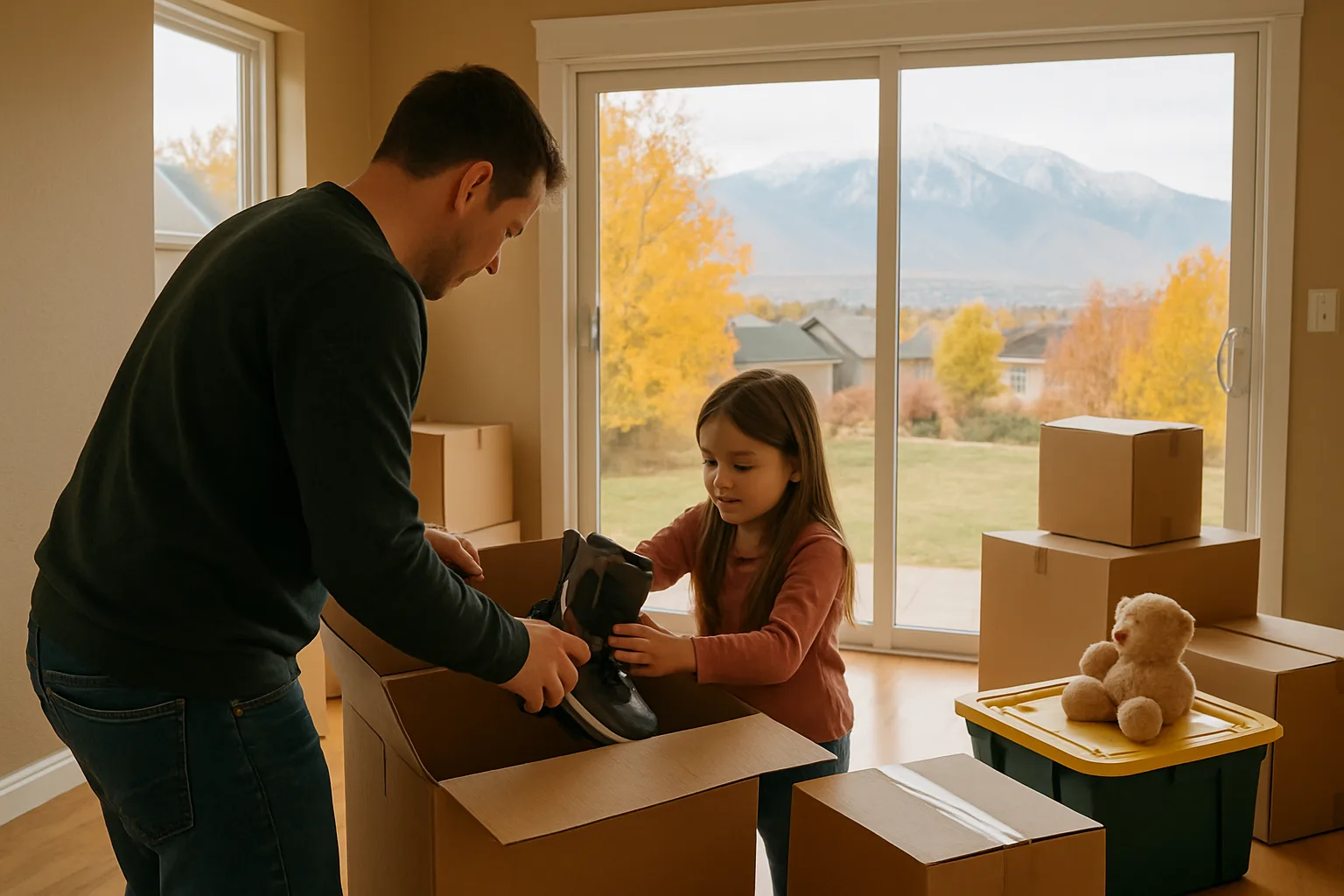
Kids don't experience a move the way adults do. They didn't choose the house, the school, or the timeline, and researchers who study family relocation point out that giving children some control over small pieces of the process, like picking their room or helping unpack, measurably eases the transition. The Child Mind Institute's tips for moving with children also stress keeping mealtimes and bedtimes consistent as early as possible, even before the boxes are gone, since routine does more to steady a kid than a fully decorated bedroom does.
Fall works in your favor here. Utah's canyons and orchards are still open, the heat of summer has broken, and there's a natural excuse to get outside and explore a new neighborhood together instead of staring at moving boxes all weekend. A seasonal list of fall family activities can turn the first few weekends into something the kids actually look forward to: apple picking in Payson or Santaquin, a corn maze near Lehi, or a short hike up a canyon trail before the first real snow closes it off. Building a couple of these outings into the calendar early gives kids something to associate with the new house besides unpacking, and it doubles as a low-pressure way to start learning the area.
School transitions deserve the same attention as the physical move. If your kids are starting at a Utah school mid-year or mid-semester, reaching out to the front office before the first day, rather than on it, gives teachers a chance to prepare and gives your child one less unknown to walk into cold. Older kids in particular tend to settle faster once they've found even one activity, whether that's a school club, a rec league, or a neighborhood group, that gives them a reason to talk to peers who aren't just classmates assigned to sit nearby.
Getting to Know Your New Utah Neighborhood
Once the essentials are handled, the fastest way to stop feeling like a stranger in your own house is to get familiar with what's actually around you. If you haven't settled on exactly which part of the state fits best, or you're already thinking about a second move down the line, exploring eight Utah neighborhoods worth considering can help you map out where schools, commutes, and weekend errands fall relative to your new address, whether that means a mountain town, a planned community, or a growing suburb. Newer transplants comparing options should also weigh the practical differences covered in these five neighborhood filters before committing to a long-term area.
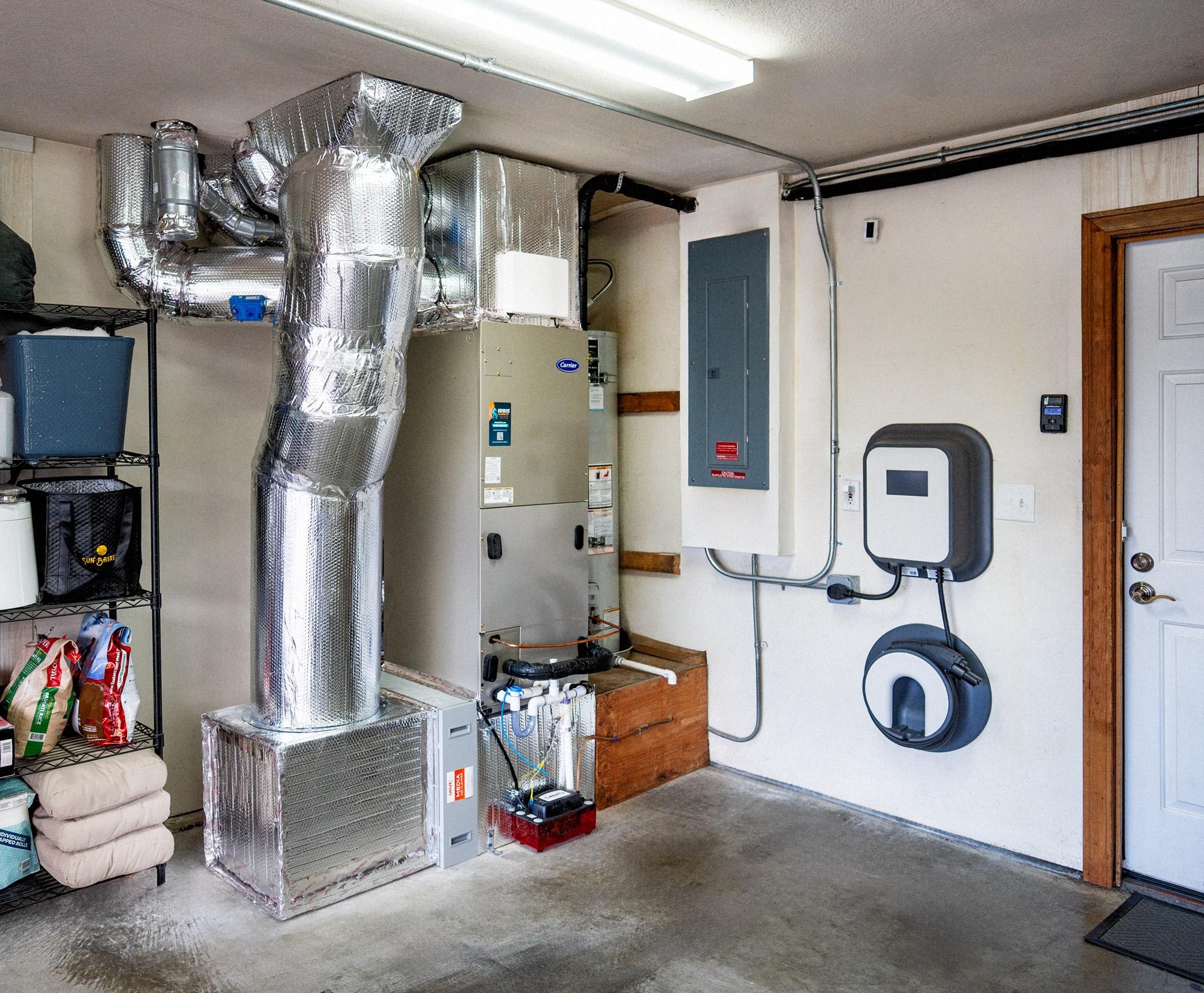
It's also worth thinking ahead to winter maintenance now, while you still have daylight and mild afternoons to work with. New Utah homeowners often say their first winter turns into a crash course in home maintenance, from bleeding radiators to knowing when to shut off exterior spigots before a freeze. Walking the property in October to locate the water shutoff, check weatherstripping, and clear gutters saves a scramble in January — and if your new home runs on a heat pump, it's worth reading up on maximizing a heat pump's efficiency year-round before the first cold snap. Introduce yourself to a neighbor or two while you're out there. In most Utah subdivisions, people are used to newcomers and are usually the fastest way to find a reliable snow removal contact, a decent pediatrician, or the honest answer about how bad the winter inversion actually gets in your specific area.
Settling In Takes a Month, Not a Weekend
There's no version of a fall move that feels finished after the truck pulls away. Between the paperwork, the storage overflow, the kids adjusting to a new school, and learning which grocery store is actually closest, the first month is genuinely a process rather than a single event. Families who pace it out, tackling logistics first, giving kids a few wins early, and using the last of the mild weather to explore, tend to feel settled well before the snow makes it harder to get out and do that exploring. By the time the first real storm rolls through, the goal isn't to be fully unpacked. It's to already feel like the house is yours.
Frequently asked questions
How long does it take to feel settled after moving to Utah?
What should I do first after closing on a house in Utah?
How long do new Utah residents have to register a car and get a license?
What size storage unit do I need during a Utah move?
How can I help my kids adjust to a new Utah school mid-year?
What winter prep should new Utah homeowners do in their first fall?
Keep reading
More from the blog
Cold-Climate Heat Pumps: What Changed and What Still Matters
How to Choose a High-Quality Refurbished Office Chair

How to Choose the Right Coffee Table Size for Any Room