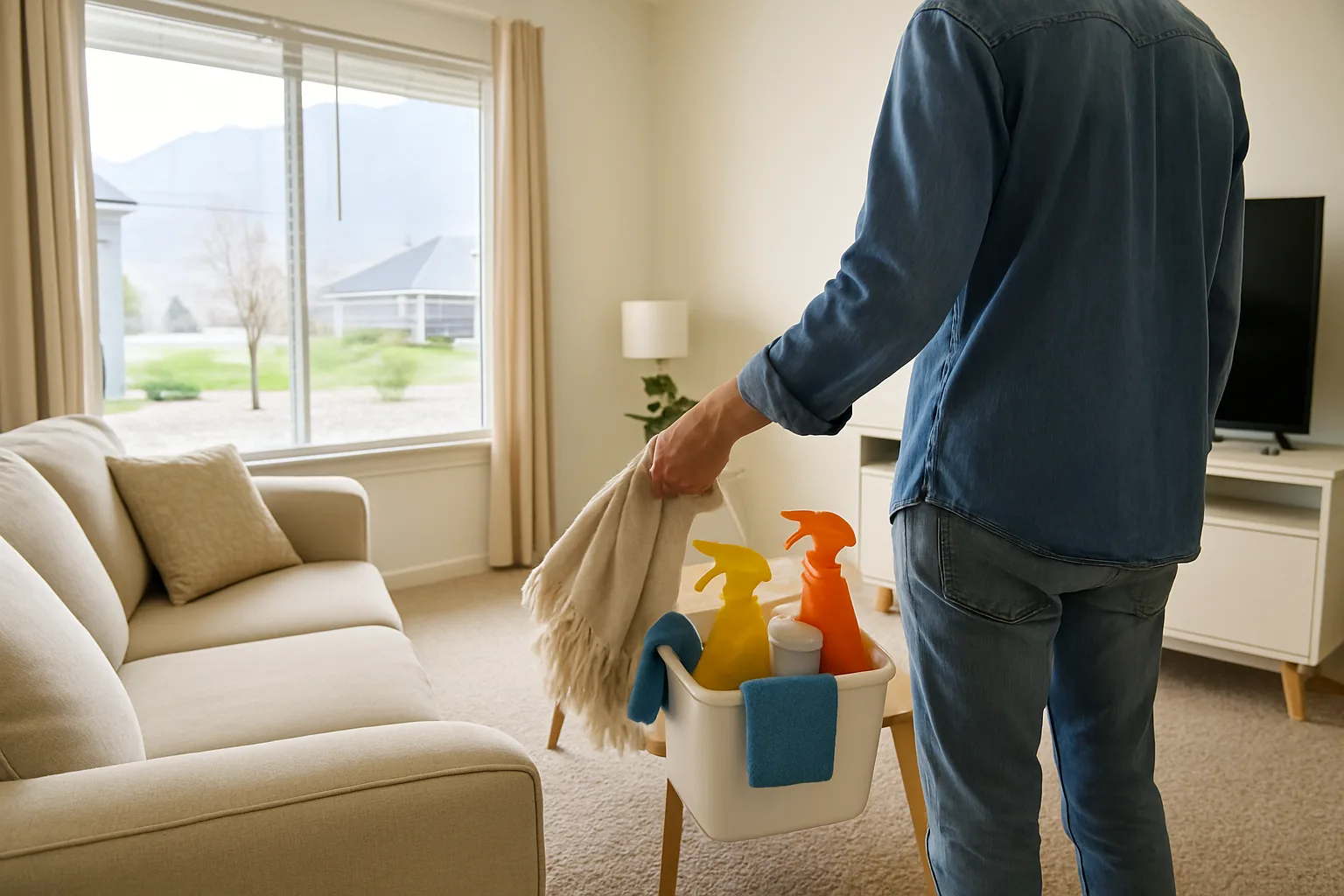
How to Make Your Home More Appealing Before Putting It on the Market
Preparing a home for sale doesn't require a major renovation. This guide covers practical, affordable steps — deep cleaning, decluttering, small repairs, better lighting, and curb appeal — that help buyers see your home at its best.
Selling a home involves more than putting a sign in the yard and waiting for buyers to arrive. Before a property ever reaches the market, homeowners have an opportunity to make changes that can influence how buyers perceive it from the first photograph to the final walkthrough.
The good news is that preparing a house for sale does not necessarily require a major renovation.
In many cases, relatively inexpensive improvements such as cleaning, decluttering, repairing minor problems, improving lighting, and simplifying décor can make a home feel fresher and more inviting. The goal is not to transform your house into something completely different. It is to help potential buyers see the property clearly and imagine what living there might be like.
A home that feels clean, bright, well maintained, and easy to understand can make a stronger first impression both online and in person. If you're weighing bigger-ticket decisions too, it can help to review guidance on whether to replace your roof before selling before you commit to cosmetic fixes alone.
Here are some of the most useful things to consider before putting your home on the market.
Start With a Thorough Cleaning
Cleaning is one of the simplest improvements you can make before selling, but it is also one of the most important.
Buyers notice details.
Dust on ceiling fans, fingerprints on doors, stained grout, dirty windows, dusty baseboards, and buildup around faucets can subtly influence how someone feels about the entire property. Even when these things are minor, they can make a home seem less carefully maintained.
Start with a deeper cleaning than you might normally do.
Wash windows and mirrors. Clean floors and carpets. Wipe down cabinets, doors, light switches, baseboards, and appliances. Pay particular attention to kitchens and bathrooms because buyers often examine these rooms closely.
Odors deserve attention too.
Pet smells, cigarette smoke, cooking odors, mildew, and heavily scented air fresheners can all distract buyers. The ideal home should smell clean and relatively neutral.
If the cleaning job feels overwhelming, hiring a professional cleaning service before listing can be money well spent.
Declutter Before You Decorate
One of the fastest ways to make rooms feel smaller is to fill them with too many belongings.
Most people naturally accumulate things over time. Books collect on shelves. Kitchen appliances migrate onto counters. Closets fill up. Children's toys multiply through mysterious processes science has yet to fully explain.
Before listing your home, begin removing items you do not need for everyday life.
Clear kitchen and bathroom counters. Reduce the number of decorative objects on shelves. Put away extra furniture when a room feels crowded. Organize closets and storage areas.
Do not simply hide everything in closets.
Buyers open closets.
A packed closet can unintentionally suggest that the house lacks storage space. A closet with some visible breathing room makes the same space appear larger and more functional.
If necessary, use a storage unit temporarily or begin packing belongings you know you will not need before the move.
You have to pack eventually anyway. Starting early simply turns part of the moving process into staging.
Make the Home Feel Less Personal
Your home is supposed to reflect your personality while you live there.
When you sell it, the goal shifts slightly.
You want potential buyers to imagine their own lives in the space.
That can be harder when every wall, shelf, and surface is filled with highly personal belongings.
You do not need to make your home completely anonymous, but consider reducing family photographs, collections, highly specific décor, and other items that dominate a room.
Think of the process as simplifying rather than sterilizing.
A home should still feel comfortable and inviting. It simply needs enough neutrality that buyers can mentally insert their own furniture, artwork, photographs, and style.
Fix the Small Problems You Have Learned to Ignore
Every homeowner eventually becomes blind to certain things.
The cabinet door that does not close properly.
The loose handle.
The dripping faucet.
The cracked outlet cover.
The door that squeaks.
The lightbulb that burned out six months ago and somehow became part of the architecture.
You may barely notice these problems anymore.
A buyer probably will.
Walk through your house as though you have never seen it before and make a list of small repairs.
Patch holes.
Touch up damaged paint.
Tighten loose hardware.
Replace burned-out bulbs.
Fix doors that stick.
Repair dripping faucets.
Replace damaged caulk.
Address minor cosmetic damage.
None of these improvements may dramatically increase the value of the house on its own. Together, however, they communicate that the property has been cared for.
They also reduce the number of little objections buyers accumulate during a showing.
Consider a Fresh Coat of Paint
Painting can be one of the most cost-effective ways to refresh a home.
Walls naturally collect scuffs, marks, fading, nail holes, and years of ordinary wear.
Fresh paint can make a room look cleaner and newer without requiring significant remodeling.
If your current colors are particularly bold or unusual, consider switching to something more broadly appealing.
That does not mean every room has to become white or beige.
The goal is simply to choose colors that allow the architecture and features of the room to take center stage.
Neutral or relatively subdued colors can also help buyers imagine how they might customize the space later.
Pay attention to trim and doors as well. Freshly painted trim can make an entire room look sharper.
Improve the Lighting
Lighting can dramatically affect the way a home feels.
A dark room may appear smaller, older, or less inviting, while a bright room often feels cleaner and more open.
Before showings, open curtains and blinds whenever practical.
Clean the windows so natural light can enter easily.
Replace burned-out bulbs and consider whether particularly dim fixtures need brighter bulbs within their recommended limits.
Try to keep light temperatures relatively consistent within each room. A mixture of harsh blue-white bulbs and warm yellow bulbs can create an uneven appearance.
You may also want to add a floor or table lamp to a room that lacks good overhead lighting.
Professional real estate photographers often pay close attention to light because it has such a strong effect on how spaces appear in photographs. The same principle applies when buyers walk through the door.
Pay Special Attention to the Kitchen
The kitchen frequently plays an outsized role in a buyer's impression of a home.
Fortunately, improving its appearance does not automatically mean installing new cabinets and countertops.
Start by clearing the counters.
A countertop covered with a toaster, blender, coffee maker, mail, cooking utensils, dishes, and several other appliances makes the kitchen look like it has less workspace.
Leave out only a few attractive or frequently used items.
Clean cabinet fronts and hardware. Replace damaged handles or knobs if necessary. Organize the pantry. Clean appliances inside and out.
If cabinets look dated but are structurally sound, relatively small changes such as new hardware can sometimes provide a visual refresh without the expense of a full renovation. If you are weighing a bigger cabinet update, it's worth reading about inset vs. overlay cabinet styles before deciding what fits your kitchen.
The goal is to make the kitchen look clean, functional, and ready to use.
Give Bathrooms Extra Attention
Bathrooms are another area where cleanliness has an enormous influence.
Clean grout.
Remove mildew.
Replace stained shower curtains.
Wash mirrors.
Polish fixtures.
Repair deteriorated caulk.
Remove excessive personal products from countertops and shower areas.
Fresh towels can make the room feel more polished.
A simple plant or small decorative item can add warmth without cluttering the space.
Make sure ventilation is working properly and address any obvious moisture problems before listing.
Buyers tend to be particularly alert to signs of leaks or water damage, so problems involving plumbing or moisture should not simply be disguised cosmetically.
Make Each Room's Purpose Obvious
Buyers should be able to understand what a room is for almost immediately.
This becomes especially important with awkward rooms, small rooms, finished basements, bonus spaces, and spare bedrooms.
A room containing a desk, treadmill, boxes, craft supplies, and an extra mattress may be functional for your family, but it can be confusing to a buyer.
Give the room a primary identity.
Turn it into a clear home office.
Bedroom.
Exercise space.
Reading room.
Playroom.
Dining area.
Buyers can always change the purpose later. For the showing, a clearly defined function helps them understand how the square footage can be used.
Think About Furniture Placement
Furniture that works perfectly for everyday life is not always ideal for selling a house.
Large furniture can make rooms seem cramped, especially in photographs.
Consider removing unnecessary pieces and rearranging what remains to create clearer pathways through the room.
Pulling furniture slightly away from walls or repositioning a seating area can sometimes make the layout feel more intentional.
Do not feel obligated to fill every corner.
Empty space allows a room to breathe.
It can also help buyers appreciate the size, windows, flooring, fireplace, built-ins, or other architectural features rather than having their attention dominated by furniture.
Improve Your Curb Appeal
The interior is only part of the presentation.
The front of the house often creates the buyer's first in-person impression.
You do not need elaborate landscaping.
Start with maintenance.
Mow the lawn.
Trim overgrown shrubs.
Remove weeds.
Sweep sidewalks.
Clean the porch.
Remove dead plants.
Pressure wash dirty surfaces when appropriate.
Make sure exterior lights work.
Take a close look at the front door. A worn or dirty entrance can make the entire exterior feel neglected. If your door or its hardware has seen better days, this rundown of exterior door materials and energy efficiency can help you weigh replacement against a simple refresh.
Fresh paint, updated house numbers, a clean welcome mat, or a few healthy plants can make the entrance feel much more inviting without requiring a major investment.
Do Not Forget the Backyard
Outdoor living spaces can influence how buyers perceive the usable size of the property.
A patio buried under unused furniture, gardening equipment, toys, and miscellaneous objects can be difficult to appreciate.
Clean the area.
Arrange outdoor furniture neatly.
Remove broken or unnecessary items.
Trim landscaping.
Make decks, patios, porches, and yards look like spaces someone would actually want to use. If privacy or boundary lines are part of the picture, it's worth reviewing what to consider before a new residential fence installation so the yard reads as finished rather than unresolved.
You are essentially helping buyers understand the possibilities.
Use Visual Inspiration When Planning the Look
If you are unsure how to stage a room, visual references can be extremely helpful.
Interior design websites, magazines, real estate listings, and professionally produced stock photos can provide useful examples of furniture placement, neutral décor, color combinations, lighting, and ways to make rooms feel comfortable without becoming cluttered.
High-quality stock photography can be especially useful as a source of visual inspiration when you are trying to understand how photographers, designers, and stylists present kitchens, bedrooms, living rooms, and outdoor spaces in a clean and appealing way.
You do not need to copy those images exactly.
Instead, look for patterns.
Notice how much furniture is used.
How clear the surfaces are.
Where lamps are placed.
How artwork is positioned.
How color is distributed throughout the room.
Then adapt those ideas to your own home and budget.
Prepare the Home for Photography
Most buyers will encounter your house online before they ever see it in person.
That makes listing photographs enormously important.
Prepare for the photography session as carefully as you would prepare for an actual showing.
Remove clutter.
Hide trash cans when practical.
Put away toiletries.
Close toilet lids.
Straighten bedding.
Arrange pillows.
Clear countertops.
Open blinds.
Remove refrigerator magnets, excessive decorations, pet supplies, cleaning products, and other visual distractions.
Exterior areas should be ready too.
Move vehicles when possible, hide trash bins, tidy hoses, and remove unnecessary objects from porches or patios.
Good photography cannot completely compensate for a poorly prepared house.
But a well-prepared home gives the photographer much more to work with.
Avoid Over-Improving Before You Sell
Once you begin preparing a home for sale, it is easy to keep finding projects.
Maybe the flooring should be replaced.
Maybe the countertops should be updated.
Maybe the bathroom should be remodeled.
Maybe the landscaping needs a complete redesign.
Before committing to expensive improvements, consider whether you are likely to recover the cost.
Some repairs and upgrades can make sense. Others may cost more than they add to the sale.
Local market conditions matter.
A real estate professional familiar with your area may be able to help identify which improvements buyers expect and which ones are unlikely to provide a meaningful return, whether you're weighing renovation choices generally or asking whether a roof replacement is worth it before you sell.
There is little benefit in spending $25,000 improving a house if the work only increases its likely selling price by a fraction of that amount.
Sometimes cleaning, repairing, simplifying, and staging are enough. For a broader look at which upgrades tend to pay off, see this guide to renovation choices that help a home stand out in a market.
Make It Easy for Buyers to Imagine Living There
Ultimately, preparing a home for sale is about perspective.
You are no longer arranging the house exclusively for yourself.
You are helping someone else understand it.
A buyer should be able to walk through the front door and notice the home's strengths without being distracted by clutter, unfinished repairs, dark rooms, or highly personal décor.
They should see the usable kitchen counter.
The spacious closet.
The comfortable living room.
The backyard where they might eat dinner.
The bedroom where they might wake up every morning.
You cannot control whether a particular buyer will fall in love with the house.
You can control how well the property presents itself.
And often, the most effective improvements are not dramatic renovations at all.
Clean thoroughly.
Declutter.
Repair what is broken.
Let in the light.
Simplify the décor.
Take care of the exterior.
Prepare carefully for photographs and showings.
Most importantly, make it easy for buyers to see the home rather than everything inside it.
The goal is not to create a perfect house.
It is to present the house you already have at its very best.
Frequently asked questions
Do I need to renovate my home before selling it?
How much should I spend preparing my house to sell?
Should I stage every room before listing my home?
How far in advance should I start decluttering before listing?
Is professional cleaning worth it before selling a home?
Should I replace an old roof before or after fixing cosmetic issues?
Keep reading
More from the blog

Your Utah Cost Segregation Questions, Answered!
How Noisy Is the Home? A Buyer's Noise Check Guide
Photos of Your Utah Rental Are Worth Money at Tax Time