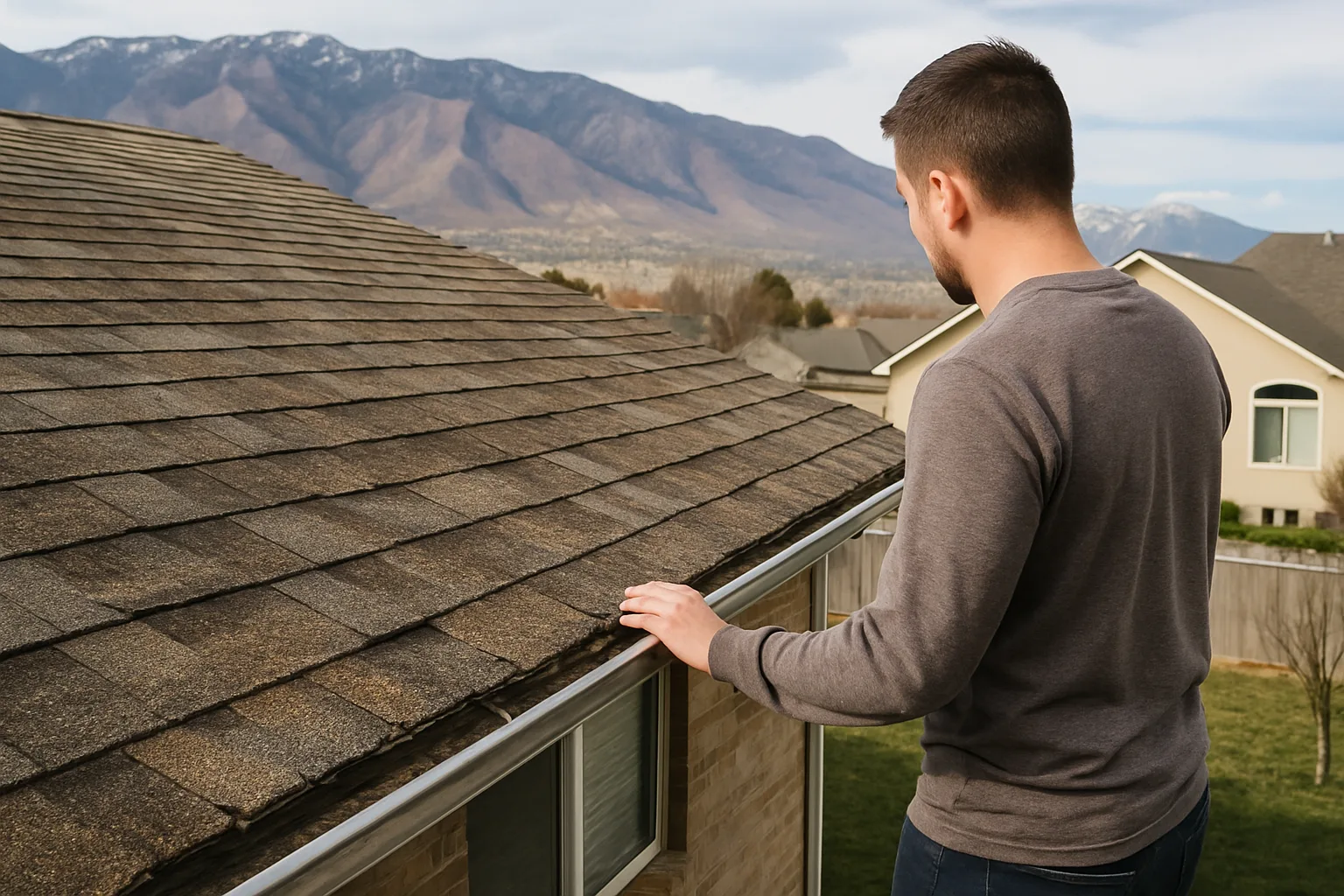
Should You Replace Your Roof Before Selling Your House?
An aging roof can derail a home sale through insurance underwriting rules, permit delays, and inflated buyer concessions. This guide breaks down when to replace, when to offer a credit, and how to price that decision with real data.
It is the most common dilemma for sellers looking at a 15-year-old asphalt roof: do you spend the money to replace it now, or do you list the house as-is and hope the buyer doesn't notice? The short answer is that hoping a buyer overlooks an aging roof is a losing strategy. Today's buyers are hyper-aware of major capital expenditures, and their lenders are even stricter.
Insight from our internal project dataset reveals a harsh reality: sellers who attempt to pass off a compromised roof often end up paying for roof replacement anyway. Usually these are inflated buyer concessions that exceed the actual cost of the roof. If you want a deeper breakdown of how roof condition affects a sale, our guide on replacing, repairing, or crediting a roof before selling covers the decision tree in more detail, and our durable roof and resale value guide digs into the ROI numbers.
The Insurance Trap and Buyer Financing
The biggest hurdle isn't the buyer's aesthetic preference; it is their ability to secure the home. Across the country, insurance carriers have drastically tightened their underwriting guidelines. In many regions, if a roof is older than 15 to 20 years, insurers will outright refuse to bind coverage, or they will mandate replacement within 30 days of closing. Without insurance, the buyer's mortgage falls through.
This creates a severe bottleneck. While you might save $12,000 by not replacing the roof, a buyer forced into a tight corner will typically ask for a $20,000 credit to handle the hassle and risk themselves.
Permit Delays and Housing Stock Realities
Navigating the local bureaucracy adds another layer of complexity. Depending on your municipality, building department quirks can severely delay a transaction. For example, while expedited over-the-counter permits are common in some suburbs, strict historical districts or major metro building departments can take three to four weeks just to issue a reroof permit. If a buyer mandates a replacement before closing, your timeline is entirely at the mercy of the city.
We see this play out differently depending on the housing stock and geography. In Sunbelt ZIP codes prone to high winds or hail, buyers are acutely aware of the shift toward impact-resistant architectural shingles, making an old 3-tab roof a massive red flag. Conversely, in older historic neighborhoods with slate or tile, the conversation shifts from full replacement to specialized restoration. A generic approach does not work. You have to know what standard your specific neighborhood demands. This is also why pricing off accurate comparable sales matters so much when a roof issue enters the picture — a mispriced concession can undo the comp-based logic entirely.
When to Offer a Credit vs. Replacing
You do not always have to do the work yourself. If the roof is structurally sound but nearing the end of its functional lifespan, offering a preemptive seller concession can be a strategic move. This allows the buyer to choose their own contractor and materials (a strong selling point) while capping your financial liability.
However, this only works if you accurately price the concession. Relying on guesswork will sink your negotiation. Get three localized quotes, present the average to the buyer, and use that hard data to anchor the credit. Insight from our internal project dataset shows that homes listed with a transparent "Roof Replacement Credit Included" close 22% faster than those that try to hide the defect until the inspection phase. Pairing this strategy with a few other pre-sale home improvements worth doing before you list can further strengthen your negotiating position.
Why Mr. Remodel? Putting Data into Action
The insights in this article come directly from our deep experience nationwide. We believe homeowners deserve transparent, data-driven advice before making a major investment. That is the core of our process.
What MrRemodel.com Does
• They connect you with real, local remodeling contractors who want your project.
• You tell them what you need. They send it to licensed and insured pros in your area.
• Those contractors give you real price estimates, not ads or ballpark numbers.
• You choose who to talk to. There is no obligation to hire anyone.
Ready to start your project with a team that values data and transparency? Apply through MrRemodel.com today for a free, no-obligation quote.
Frequently asked questions
How old can a roof be before insurance companies refuse to cover it?
Is it better to replace the roof or offer a credit before selling?
How much should I credit a buyer for an old roof instead of replacing it?
How long does it take to get a reroof permit before closing?
Will a buyer's mortgage fall through because of an old roof?
Does a new roof actually increase how fast a home sells?
Keep reading
More from the blog

Your Utah Cost Segregation Questions, Answered!
How Noisy Is the Home? A Buyer's Noise Check Guide
Photos of Your Utah Rental Are Worth Money at Tax Time