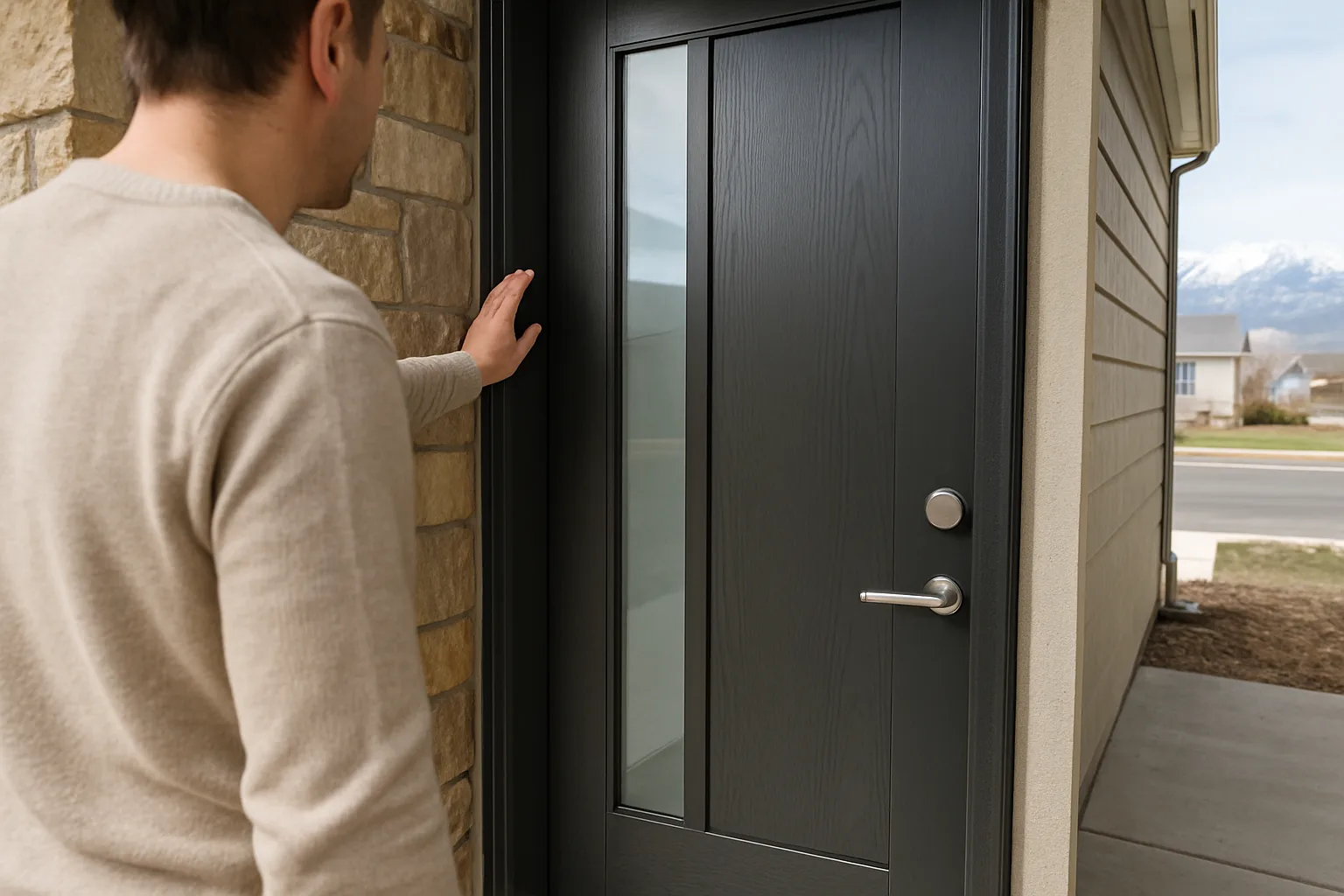
European Exterior Doors: Style, Security, and Energy Efficiency
A guide to European exterior doors — comparing wood, aluminum, uPVC, and composite materials for energy efficiency, security, and design — plus what to consider before choosing and installing one.
Exterior European doors are known for combining elegant design, advanced engineering, energy efficiency, and reliable security. From traditional wooden entrance doors to contemporary aluminum and uPVC designs, European doors offer homeowners a wide range of options for creating an attractive and practical entrance — a feature that can also be a meaningful part of exterior improvements that add lasting value to a home.
What Makes European Exterior Doors Different?
European exterior doors are designed with both appearance and performance in mind. Manufacturers typically place strong emphasis on insulation, weather resistance, durability, and security. Modern construction techniques allow these doors to provide excellent thermal performance while maintaining slim, attractive profiles.
Another important advantage is design flexibility. European doors are available in numerous colors, finishes, glazing options, panel styles, and hardware configurations, making it easier to match the entrance with the architectural style of a home.
Popular Materials for European Exterior Doors
Wood
Wooden exterior doors remain popular because of their natural appearance and timeless character. Oak, pine, and other hardwoods can be treated to withstand changing weather conditions.
Wood doors are particularly suitable for traditional, rustic, and classic homes. With proper maintenance, a quality wooden door can provide many years of service.
Aluminum
Aluminum doors are widely used in contemporary European architecture. They are strong, lightweight, resistant to corrosion, and capable of supporting large glass panels.
Modern aluminum entrance doors can feature thermally broken frames that reduce heat transfer and improve energy efficiency. Their clean lines also make them an excellent choice for minimalist homes.
uPVC
uPVC exterior doors are valued for their affordability, insulation, and relatively low maintenance requirements. They are available in many colors and finishes, including wood-effect surfaces.
For homeowners looking for a practical combination of cost, insulation, and durability, uPVC can be an attractive option.
Composite
Composite doors combine several materials to achieve strength, insulation, and aesthetic appeal. They often feature a reinforced core surrounded by durable exterior surfaces.
These doors can offer excellent resistance to everyday wear and changing weather conditions while providing the appearance of wood or other premium finishes.
Energy Efficiency
One of the key benefits of modern European exterior doors is their focus on thermal efficiency. A well-insulated door can help reduce unwanted heat loss during winter and limit heat gain during summer — an especially useful consideration given Utah's dry climate and elevation swings, which also affect other exterior features like exterior paint durability.
Performance depends on several components, including:
The insulation properties of the door panel
Frame construction
Quality of weather seals
Type of glazing
Installation quality
The presence of thermal breaks in metal frames
When replacing an old entrance door, choosing a modern energy-efficient model can contribute to a more comfortable indoor environment and potentially lower heating and cooling costs. Homeowners weighing several upgrades at once may also want to review renovation choices that help a home stand out in a market.
Security Features
The entrance door is an important part of a home's security system. European exterior doors can incorporate sophisticated locking and reinforcement technologies designed to resist forced entry.
Common features include multi-point locking systems, reinforced door panels, security cylinders, strong hinges, laminated or impact-resistant glazing, and reinforced frames.
However, the door itself is only part of the equation. Professional installation and properly fitted hardware are equally important for achieving the intended level of security.
European Door Design Trends
Contemporary European door design often combines large areas of glass with simple geometric forms. Minimalist aluminum doors, oversized pivot doors, concealed hinges, and dark neutral finishes are especially popular in modern architecture.
For more traditional properties, decorative panels, textured glass, natural wood finishes, and classic hardware can create a welcoming entrance without sacrificing modern performance.
Glass does not necessarily mean reduced privacy or security. Modern doors can use frosted, textured, laminated, or decorative glazing to balance natural light with privacy and protection.
Choosing the Right Exterior Door
When selecting a European exterior door, homeowners should consider more than appearance. Climate, exposure to rain and sunlight, insulation requirements, security needs, maintenance preferences, and architectural style should all influence the decision. Buyers evaluating a property's overall feature set may find it useful to evaluate property amenities before buying a Utah home.
It is also important to check the door's dimensions carefully and make sure the frame and threshold are appropriate for the existing opening. A high-quality door can perform poorly if it is incorrectly installed.
Installation Matters
Professional installation is essential for maximizing the performance of an exterior door. Even a highly insulated door can develop drafts or moisture problems if the frame is poorly aligned or the surrounding opening is not properly sealed.
Experienced installers can ensure correct positioning, adjustment of hinges and locks, effective weather sealing, and proper operation. They can also identify problems with the existing opening before installation begins.
Conclusion
European exterior doors offer an appealing combination of aesthetics, security, durability, and energy efficiency. Whether choosing natural wood, modern aluminum, practical uPVC, or a composite construction, homeowners can find designs suited to both traditional and contemporary properties.
The best door is not simply the one that looks attractive. It should also provide appropriate insulation, security, weather resistance, and long-term reliability. By selecting quality materials and professional installation, a European exterior door can become both a defining architectural feature and an important functional element of the home, and a smart addition among the pre-sale home improvements worth doing before you list.
Frequently asked questions
What is the most energy-efficient material for exterior doors?
Are European exterior doors worth the extra cost compared to standard doors?
How long do European exterior doors typically last?
Do exterior door upgrades increase home resale value?
What security features should I look for in a European exterior door?
Can European exterior doors handle Utah's climate and elevation changes?
Keep reading
More from the blog

Your Utah Cost Segregation Questions, Answered!
How Noisy Is the Home? A Buyer's Noise Check Guide
Photos of Your Utah Rental Are Worth Money at Tax Time