How To Evaluate Property Amenities Before Buying A Utah Home
Before buying a Utah home, it pays to look past square footage and price. This guide walks through how to evaluate garages, outdoor space, storage, community amenities, and energy-efficient features to ensure they justify the investment.
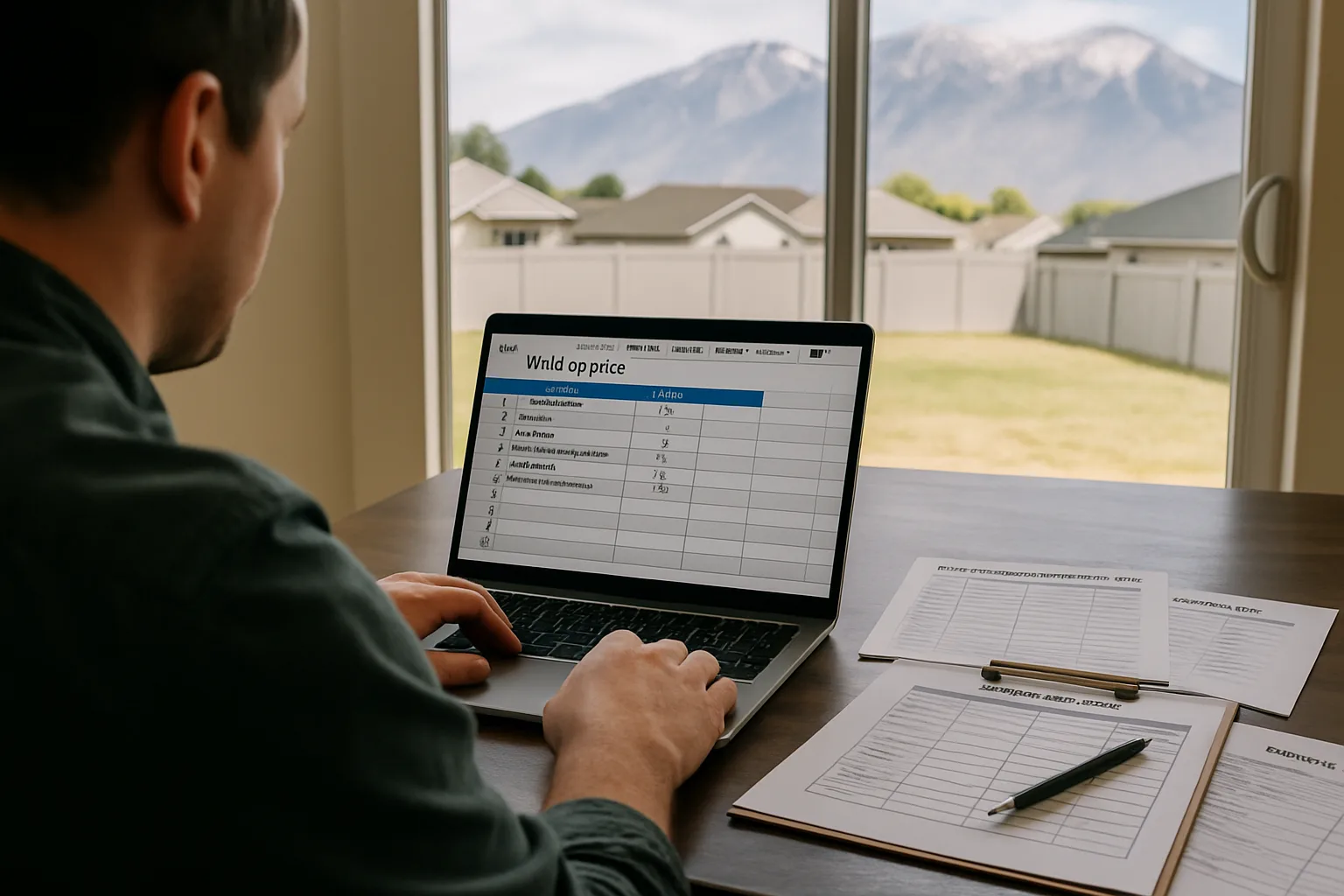
Home purchasers frequently prioritize the acquisition price, total floor area, room counts and the surrounding neighborhood. Property features are equally influential regarding daily comfort and future market value. Structures like garages, private outdoor areas, storage units, specialized tools and integrated electronics transform a building into a functional residence. Buyers should analyze specific factors to confirm that the features of a residence justify the financial investment.
Identify Essential Property Features
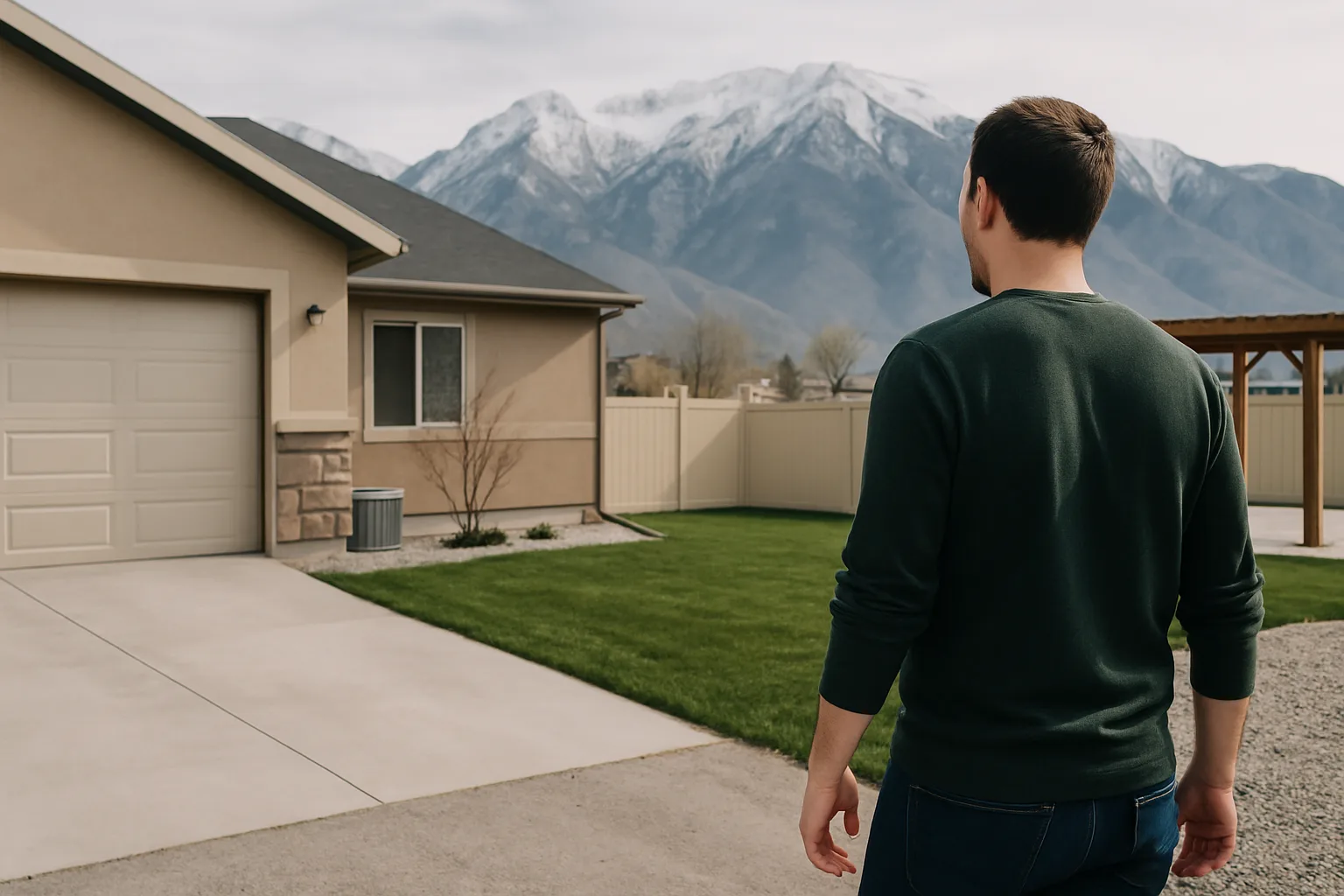
The initial step is to determine which features provide the most utility or directly improve daily ease. A garage is highly functional because it provides space for belongings and protects automobiles from hail, snow or extreme heat. Purchasers should measure the garage dimensions, check for automated door systems and note any additional structural benefits. Exterior spaces are also significant. Some residences include only a simple wooden platform or stone patio, while others provide a fenced perimeter, privacy from neighbors and a cultivated lawn.
Storage capacity is a detail that residents often ignore until it becomes a source of frustration. Rather than relying on total square footage measurements, prospective owners should walk through the building to inspect every closet and cabinet to ensure the space accommodates their physical possessions. A smaller house with organized storage often provides higher utility than a larger house that lacks dedicated space for personal items. This is a common consideration for buyers relocating to fast-growing communities, as covered in this guide to settling into a new Utah home.
Analyze Community Services
Individuals who seek housing in managed developments or condominiums must investigate the shared resources available in the area. Buyers should inquire about the availability of swimming pools, courts for sports, meeting halls and play areas for children. If the area includes public parks or walking paths, the proximity to the house is important. A useful feature is one that the resident intends to use regularly. If a neighborhood provides a pool, confirm the operating hours and any rules that might restrict access.
Shared resources also impact the monthly cost of living - Many collective facilities require financial contributions for upkeep. Residents in managed communities typically pay a recurring fee to a homeowners association for the maintenance of the neighborhood. When touring houses with flat rate realtor Utah, it is necessary to identify the exact cost of these fees and which services they cover. Buyers must decide which shared services are valuable to them to ensure their money is spent effectively.
Account for Weather & Maintenance
Many features in Utah residences are subject to local weather conditions. Depending on the specific geography, certain systems are more practical than others. Mechanical irrigation or snow clearing services are more relevant in specific regions of the state. The amount of labor required for upkeep is a necessary consideration. A large garden is a visual benefit but it requires significant time and effort to remain healthy. Purchasers should estimate the hours and funds required to keep a feature in good condition to decide if the benefit outweighs the labor. Homeowners preparing for seasonal changes may also benefit from this exterior maintenance checklist.
Energy-related features are another critical factor - The quality of windows, doors and insulation determines the monthly cost for heating and cooling. Modern equipment does not always guarantee lower utility bills. Prospective owners should investigate the actual historical energy costs and the maintenance requirements for furnaces, air conditioners and temperature controllers - this data reveals if the technology is a financial advantage. Reviewing options like electric fireplaces as an efficient heating solution can also help buyers gauge realistic operating costs.
Inspect Technology & Interior Convenience
Modern residences often include digital temperature controls, remote garage access and electronic security systems - these items are designed to simplify tasks but requirements vary by individual. Buyers should research if these systems require monthly paid subscriptions or proprietary hardware to function. Understanding the ongoing costs and technical requirements is necessary to determine if the technology provides a true benefit.
Interior design features also contribute to convenience - Details like a central kitchen workspace, a dedicated food storage room, a laundry area and additional washrooms are essential for daily routines - these features represent significant value. Purchasers should consider the frequency of use for each feature. If a feature does not improve daily habits, its value is low. The goal is to find a residence that functions well for the occupants rather than one that only appears attractive in photographs. Buyers evaluating which upgrades matter most may find this breakdown of renovation choices that help a home stand out useful for gauging long-term value.
Review Financial Value & Future Utility
The final step is to compare the features of different residences. It is important to receive a fair amount of utility for the price paid. If a house has many features but the price is much higher than the market average, other options may offer better value. Removing necessary features just to achieve a lower price can be a mistake.
Future requirements are also important - An individual might not require a large garage or extra washroom immediately but the spaces may become necessary in a few years. Resale value is another consideration. Owners should consider if the features will be attractive to the next buyer. Features that provide high levels of convenience usually maintain their value and make a residence more desirable during a future sale, a point reinforced by how comparable home sales shape pricing in any given market.
Frequently asked questions
What home amenities add the most resale value in Utah?
Are HOA fees worth it for shared amenities like pools and parks?
How much does a garage add to a home's value in Utah?
Do smart home features actually increase a home's value?
How much upkeep does landscaping add to Utah homeownership costs?
Should I prioritize move-in-ready amenities or future potential?
Keep reading
More from the blog

Why Utah Homes Aren't Selling in Fall 2026: What 18,000 Active Listings Show

Fall Color Drives by Home Base: Which Wasatch Front Canyon Is Closest in 2026

Wasatch Front Halloween 2026: Haunts, Corn Mazes and Witch Displays by Scare Level