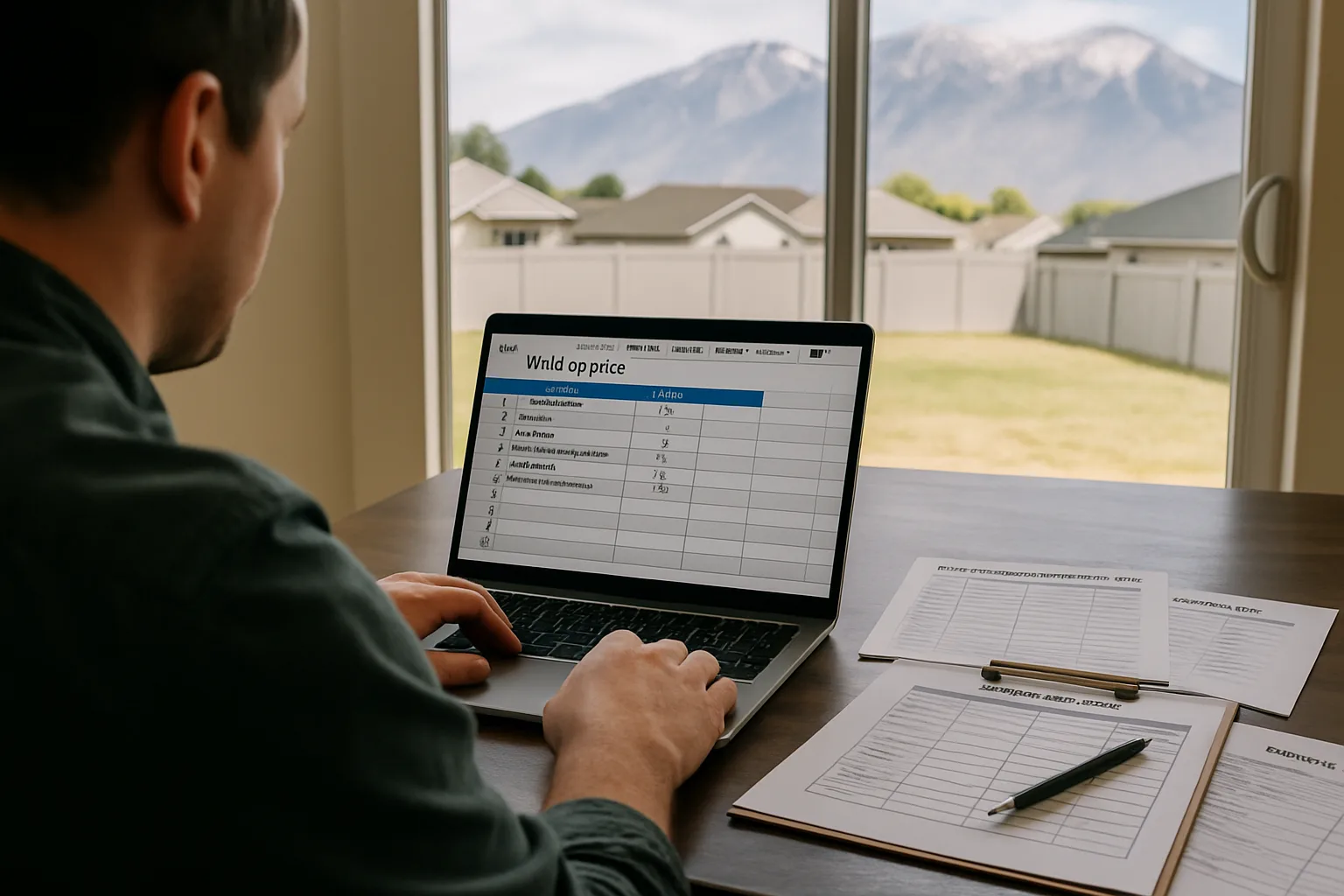
Essential Property Management Maintenance Tools for Landlords
A practical guide to the maintenance tools landlords need: work orders, preventive schedules, inspections, parts inventory, vendor coordination, and cost reporting.
Landlords manage repairs, inspections, contractors, supplies, and tenant communication across multiple properties. Without a consistent system, requests vanish in inboxes, landlords miss recurring tasks, and they struggle to explain repair costs. The right maintenance tools create a clear record of each issue, assign responsibility, and provide useful data for planning. A practical toolkit should support daily requests while preventing avoidable breakdowns, beginning with a reliable work order process.
Landlords need a connected record for every request, inspection, repair, and purchase. A practical set of property management maintenance tools links those activities so staff can assign work, attach photos, monitor response times, and confirm completion without searching through scattered messages. That record also gives owners evidence for budgets, vendor reviews, and tenant communication. For more on day-to-day logistics, see the field kit every property manager should carry.
1. Work Order Management
A work order system gives every maintenance request a defined path from submission to completion. Landlords can record the property, unit, issue, priority, assigned worker, materials, and completion date in one place.
Requests should include photos, written descriptions, and access instructions when available. Clear details reduce repeat visits and help contractors arrive with suitable parts. Status labels such as open, assigned, in progress, and completed show which jobs need attention.
Mobile access helps maintenance staff update their tasks while moving between properties. Landlords can review active work from a phone, tablet, or desktop instead of waiting for paper forms or separate messages.
2. Preventive Maintenance Scheduling
Preventive maintenance reduces failures by assigning recurring tasks before equipment or building systems stop working. A useful schedule covers heating and cooling equipment, plumbing checks, smoke alarms, exterior lighting, roofs, appliances, and common areas.
Each task needs a frequency, responsible person, expected completion date, and inspection checklist. Seasonal schedules should reflect local conditions, such as air conditioning checks before summer or pipe protection before freezing weather. Roof checks matter too, especially after storms; see common roofing problems after heavy rain.
Recurring work orders create a repeatable record for each property. That history helps landlords identify missed tasks, compare repair patterns, and plan larger expenses before an emergency occurs.
3. Inspection And Checklist Tools
Inspections need consistent questions, documented results, and clear follow-up actions. Checklist tools help landlords assess move-in conditions, vacant units, fire safety equipment, common areas, and routine property standards.
A checklist should separate pass, fail, and not applicable responses. Inspectors can add photos, notes, readings, and repair requests directly to the inspection record. This approach creates better evidence than memory-based reports.
Landlords should update checklists when building requirements, equipment, or operating procedures change. A current checklist keeps inspections focused and gives contractors precise instructions for corrective work.
4. Parts Inventory Management
Small supplies often delay simple repairs. Landlords should track commonly used items such as air filters, light bulbs, batteries, plumbing fittings, smoke alarm units, and hardware.
An inventory record should show each part’s quantity, storage location, reorder point, and associated property or equipment. Low-stock alerts help staff purchase supplies before technicians need them.
Centralized inventory data also improves cost tracking. Owners can compare consumption across properties and investigate unusual usage without relying on estimates. The system should record purchases against work orders when possible.
5. Vendor And Contractor Coordination
Contractors need complete job information before accepting a dispatch. A maintenance record should include the issue, property address, tenant access details, photos, safety notes, deadline, and approval limits.
Landlords can use one communication thread for messages, files, estimates, and completion evidence. This record reduces scope-of-work disputes and prevents important details from getting lost in personal text messages.
Vendor records should also include service categories, contact information, insurance documents, pricing agreements, and performance notes. Reviewing completion times, repeat visits, and invoice totals helps owners decide which contractors deserve future assignments.
6. Maintenance Reporting And Cost Tracking
Reports turn individual work orders into information for property decisions. Landlords should monitor open requests, overdue jobs, completion times, repair costs, recurring failures, and preventive maintenance completion.
Time-versus-cost reports help distinguish labor problems from material expenses. Property-level reporting also shows where maintenance spending is rising and which assets generate frequent requests.
Owners should export reports regularly for reviews and budget planning. Consistent categories matter because unclear labels produce unreliable comparisons between units and properties. Tracking costs also helps with Utah property tax planning.
7. How To Choose And Implement Tools
A maintenance tool should match the portfolio’s size, staffing model, and property types. Before selecting a system, landlords should map the current request process and identify where delays, duplicate entries, and missing records occur.
The first setup should include properties, units, assets, users, vendors, priority rules, and recurring tasks. Staff then need a short procedure for submitting requests, attaching evidence, updating status, and closing work.
A pilot across one property can reveal missing fields and confusing steps before a wider rollout. After launch, landlords should review reports monthly and adjust checklists, reorder points, and assignment rules.
Conclusion
The best maintenance toolkit gives landlords control over requests, inspections, recurring work, parts, contractors, and spending. Each record should answer four questions: what happened, where it happened, who handled it, and what it cost. Landlords can begin by documenting one property’s current workflow, then configure work orders and preventive schedules around that process. Monthly reports will show which adjustments reduce delays and prevent repeat repairs.
Frequently asked questions
What maintenance tools do landlords need most?
How does a work order system help landlords?
Why is preventive maintenance important for rental properties?
How should landlords track maintenance costs across properties?
How do I start implementing maintenance software for my rentals?
Keep reading
More from the blog
Common Roofing Problems After Heavy Rain and Prevention
Foundation Repair and Basement Waterproofing Guide

How Pergola Manufacturing Is Growing in the USA