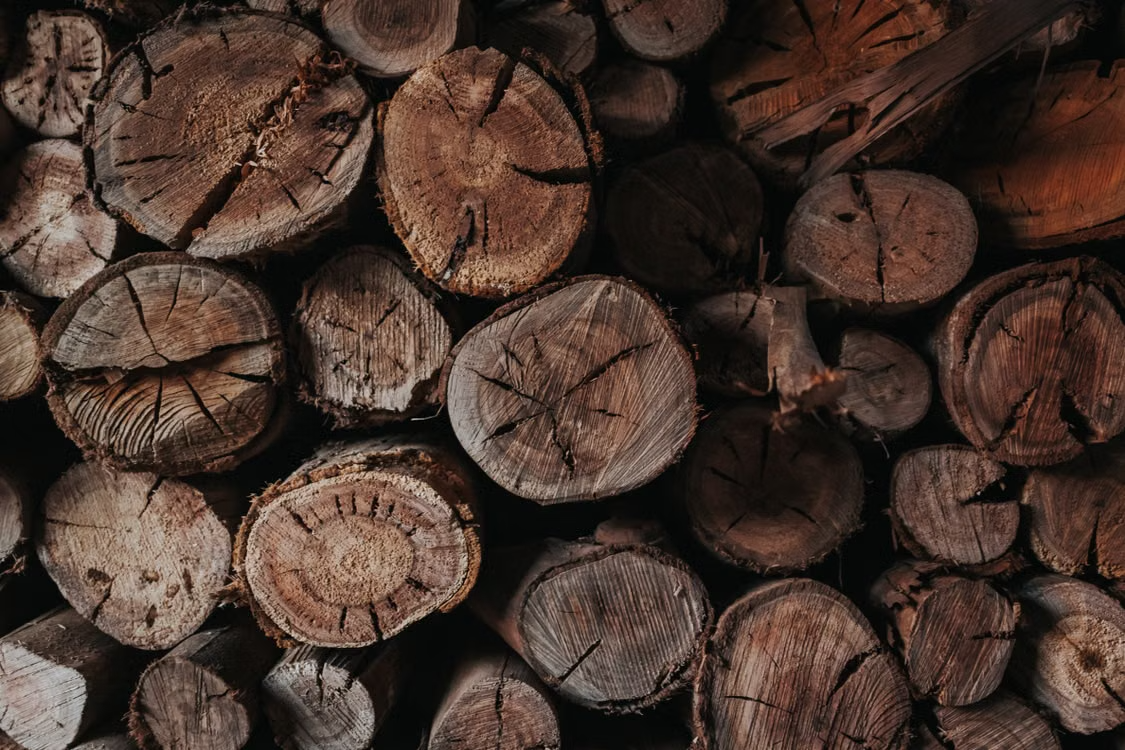
How Responsibly Sourced Hardwoods Add Lasting Value to Custom Homes
Certified, kiln-dried hardwoods and precision joinery help custom homes survive mountain weather while adding resale appeal. Learn what to specify and which records to keep.
Building a custom residence in an alpine or four-season climate puts every exterior surface to the test. Intense mountain sun, heavy snow loads, and rapid temperature drops quickly expose the limits of ordinary lumber and synthetic trim. When you invest in a bespoke home, watching freshly painted fascia peel or doors stick after a single winter feels deeply frustrating.
Smart homeowners and builders solve these headaches before framing even begins. Selecting dimensionally stable, certified hardwoods gives your exterior joinery and decking the strength to weather harsh seasons while delivering authentic architectural beauty. If you are planning a mountain build, communities like Midway or Pine Valley show how demanding these climates can be.
How Do Finger-Jointed Scantlings Prevent Warping and Twisting?
Precision architectural joinery relies on engineered solid wood components that resist natural movement across wide window frames and heavy entry doors. Builders who source sustainable timber frequently specify laminated, finger-jointed scantlings because interlocking joints neutralize internal grain tension before installation. Manufacturers remove natural weak points like knots and pitch pockets, then bond clear hardwood sections under high pressure for uniform strength.
Your custom doors and casement windows open smoothly during January blizzards and July heatwaves alike without sticking or letting drafts slip inside. Using engineered hardwood blanks cuts down on jobsite waste because every linear foot arrives straight and ready for profile milling.
Why Do Extreme Climates Demand Kiln-Dried Hardwoods?
Mountain air often swings from humid summer afternoons to freezing, bone-dry nights within a few hours. Unseasoned boards absorb and release moisture rapidly during these shifts, causing wood fibers to swell, cup, and split along fastener lines. Controlled kiln drying draws excess moisture out of the timber before milling, bringing the wood into balance with demanding outdoor conditions.
When your builder installs properly dried hardwood trim and siding, joints stay tight across every season. Protective stains and sealants bond evenly to the stabilized grain instead of blistering when trapped moisture tries to escape.
Balancing Natural Timber Warmth With Exterior Durability
Synthetic composites promise low upkeep, but they often look flat under bright mountain sunlight and grow brittle after years of ultraviolet exposure. Dense hardwoods bring rich grain variation and natural protective oils that fend off rot, insects, and daily surface wear.
Focusing on vulnerable architectural zones helps you place dense hardwoods where weather hits hardest. Tightly grained hardwood profiles hold glazing seals firmly and block water intrusion around exposed sill corners. Dense boards resist heavy foot traffic, hail impact, and snow shovel scrapes while weathering gracefully with routine oil treatments.
What Makes Hardwood Finishes Age Gracefully Over Decades?
Softwoods dent easily and drink up water around exposed end grains, forcing homeowners into constant repair cycles. Dense hardwoods hold penetrating oils and stains deep within their cellular structure, creating a resilient barrier against sleet and harsh sun. Refreshing a hardwood deck or entry door takes a simple wash and recoat rather than an expensive structural tear-out.
Over 20 or 30 years, that durability lowers your lifetime maintenance budget while keeping your home's exterior sharp. Guests notice the substantial weight and quiet solidity of a precision-milled hardwood door the moment they step onto your porch. For ongoing upkeep, see this guide to exterior home care.
How Do Timber Certifications Protect Your Custom Build?
Discerning buyers want clear proof that their architectural millwork comes from legally managed, regenerative forests rather than destructive logging. The Forest Stewardship Council maintains a Chain of Custody tracking system that follows certified wood from harvest through milling and delivery to your jobsite, verifying accountability at every stage.
Sourcing verified wood remains practical even when your architect draws up rare species or complex custom profiles.

Turning Verified Sustainability Into Stronger Resale Appeal
Luxury homebuyers routinely ask for documentation behind high-end finishes, treating environmental credentials with the same scrutiny as structural engineering reports. Presenting formal chain-of-custody records proves that your property's visual appeal rests on ethical forestry and superior material grading.
According to the Programme for the Endorsement of Forest Certification, nearly 30,000 Chain of Custody certified businesses operate worldwide, giving your project team dependable access to vetted suppliers across international markets.
Keeping organized records during construction makes it easy to showcase your material upgrades to appraisers and future buyers:
Archive chain-of-custody paperwork: Save invoices and certificate numbers from your lumber supplier to verify responsible harvesting.
Document wood species and grades: Record exact species names, kiln-drying targets, and profile specs for future maintenance teams.
Log exterior finish schedules: Note the stains, oils, and sealants applied on site so routine upkeep stays simple.
Selecting precision-milled, certified timber products shields your residential exterior against warping and harsh weather wear while adding enduring architectural character. When you pair disciplined wood engineering with verified sourcing, you protect your home's structural integrity and strengthen its long-term market value. Buyers comparing older properties may also want to read questions to ask before replacing windows.
Frequently asked questions
Why are kiln-dried hardwoods better for mountain homes?
What are finger-jointed scantlings used for in custom homes?
What does FSC chain of custody certification mean for homeowners?
Do certified hardwoods improve a home's resale value?
How often does exterior hardwood need maintenance?
Keep reading
More from the blog
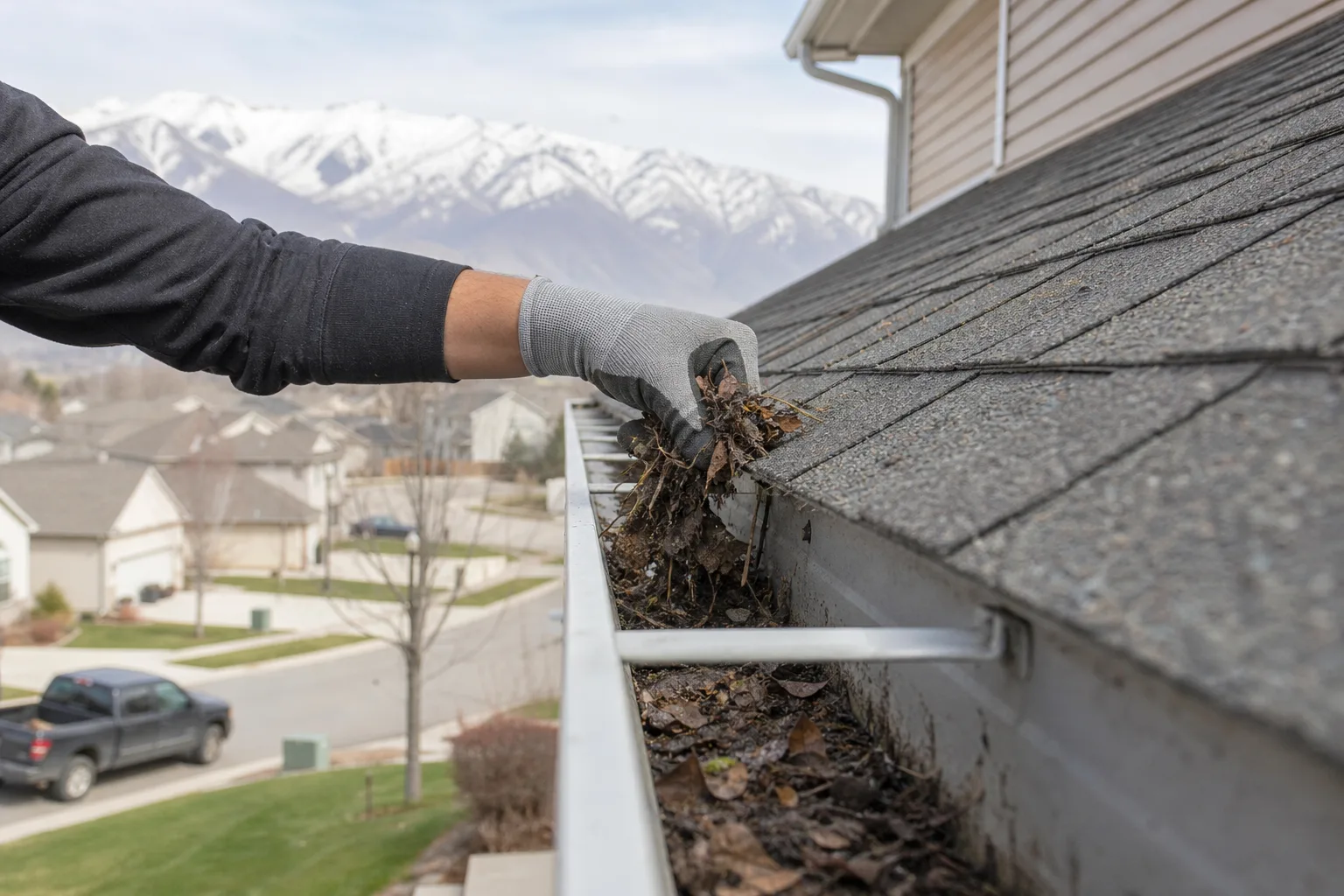
Blue Agave Cleaning: Window Cleaning and Exterior Home Care

Settlement, Closing and Possession in Utah: When a Buyer Actually Gets the Keys
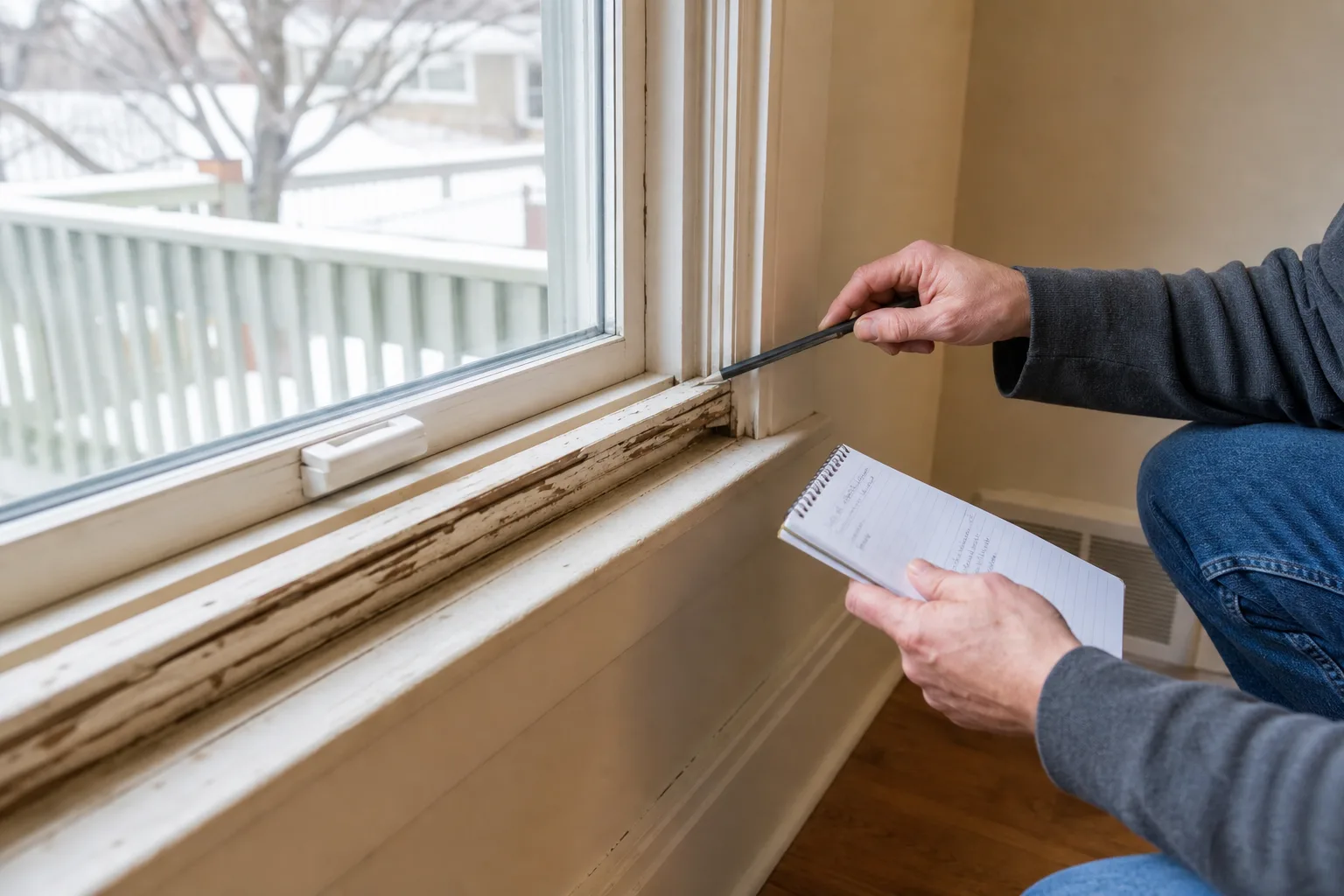
Buying an Older Home: Questions Before Replacing Windows