7 Best Low-Maintenance Indoor Plants for Rental Properties
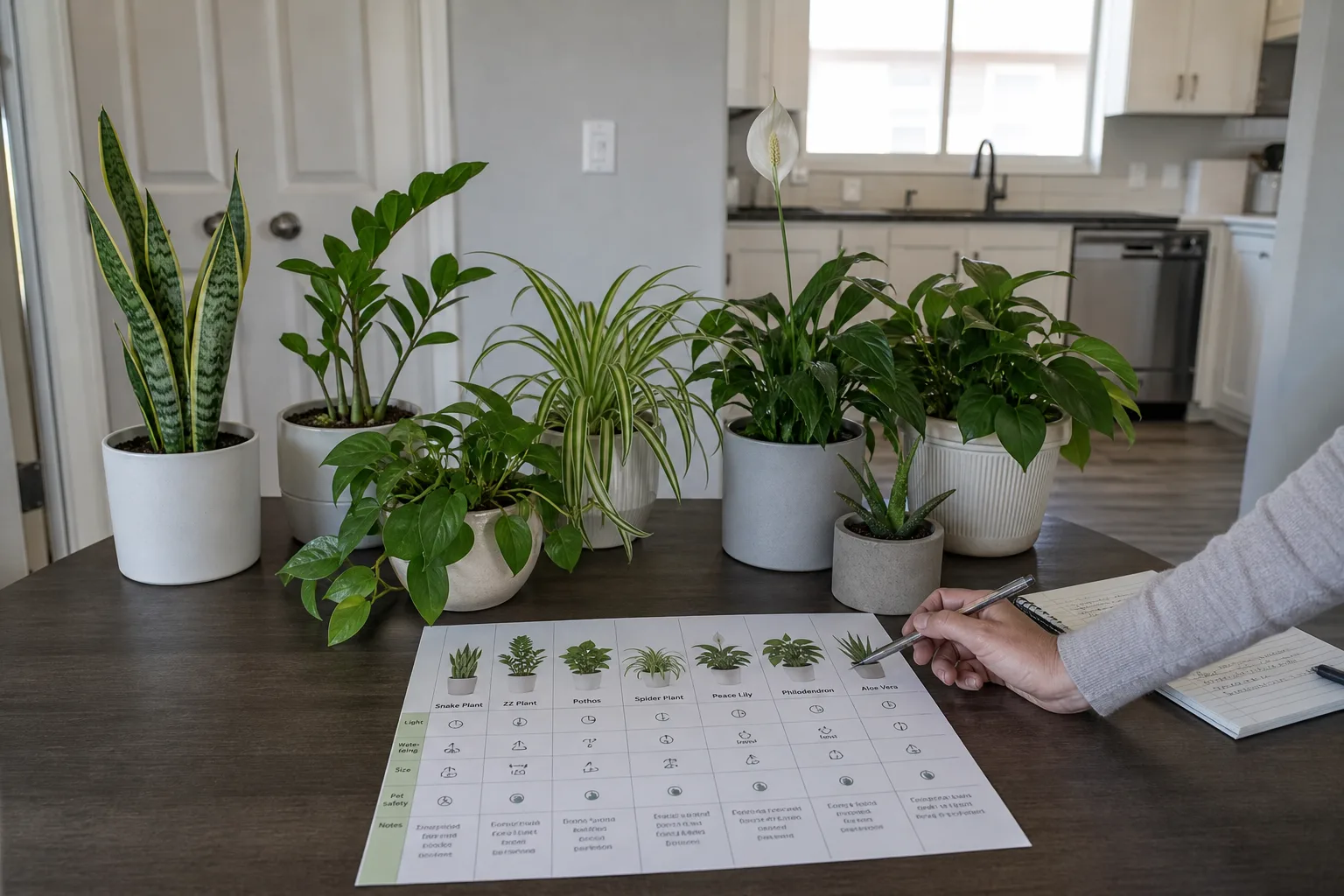
Seven hardy houseplants for rentals, compared by light, watering, size and pet safety, plus tips for placement, sourcing across several units and tenant turnover.
A few well-placed indoor plants can make a rental property feel more welcoming without requiring expensive decorating changes. Whether you're furnishing an apartment, preparing a home for new tenants, or managing several rental units, greenery adds color and texture to otherwise ordinary spaces.
However, not every houseplant is suitable for a rental. Some need frequent watering, specific lighting, or ongoing attention that busy tenants and property managers cannot always provide.
Here are seven plants to consider, with guidance on light, watering, placement, and pet safety.
What Makes an Indoor Plant Suitable for a Rental Property?
The best indoor plants for rental properties combine attractive foliage with manageable care requirements. Since tenants have different routines and experience levels, plants should remain relatively easy to maintain without constant attention.
Several characteristics are worth considering:
Simple watering requirements: Plants that tolerate some drying between waterings are easier to manage.
Adaptable lighting needs: Varieties that handle indirect or moderately low light work in more rooms.
Manageable growth: Compact or slow-growing plants are less likely to overwhelm smaller apartments.
Portability: Lightweight containers make rearranging furniture or moving properties easier.
Reasonable upkeep costs: Hardy plants that need limited pruning and replacement help control maintenance expenses.
Pet safety: Non-toxic varieties are preferable where cats or dogs may have access.
Container selection matters, too. A suitable plant can still damage furniture or flooring if excess water escapes its pot.
For landlords and property managers handling lease responsibilities, the goal is to choose greenery that remains practical throughout occupancy changes rather than simply looking attractive during property viewings.
Seven Plants and Their Care Requirements
1. Snake Plant
Snake plants are popular in modern apartments because their tall, upright leaves provide visual interest without taking up much floor space.
They tolerate lower indoor light levels and prefer their soil to dry between waterings, making them suitable for renters who occasionally forget plant care.
A snake plant works well beside a living room sofa, near a bedroom window, or in a corner that receives indirect daylight. Avoid keeping it in a completely dark room.
Important consideration: Snake plants are toxic to cats and dogs if ingested, so they are unsuitable for areas where pets may chew their leaves.
2. ZZ Plant
The ZZ plant has glossy, deep-green leaves and an upright growth habit.
Its underground rhizomes store water, allowing it to tolerate relatively infrequent watering. It also adapts to lower-light conditions, although growth is generally better with sufficient indirect light.
ZZ plants are useful for entryways, living rooms, and rental spaces where regular maintenance may be difficult.
Overwatering is a greater concern than occasional dryness, so the potting mix should dry before additional water is provided.
Important consideration: ZZ plants contain irritating calcium oxalate crystals and are toxic to pets if chewed or ingested.
3. Pothos
Pothos is a versatile choice for rental property decorating because its trailing vines soften shelves, bookcases, and other existing furniture.
Depending on the variety, the heart-shaped leaves may be solid green or variegated.
Pothos grows well in indirect light and tolerates some lower-light conditions. Water when the upper soil begins to dry, and trim long vines occasionally to maintain a tidy appearance.
For smaller apartments, keeping the vines short prevents them from interfering with furniture or walking areas.
Important consideration: Pothos is toxic to cats and dogs, making it a poor choice for accessible areas in pet-friendly rentals.
4. Spider Plant
Spider plants have arching leaves that may be solid green or striped with white or yellow, depending on the variety.
They prefer bright, indirect light and generally need watering when the upper layer of soil begins to dry. Established plants may also produce small offshoots that can be propagated.
Occasionally, leaf tips turn brown because of dry conditions, mineral buildup, or other environmental factors. Trimming damaged tips can improve their appearance.
The American Society for the Prevention of Cruelty to Animals (ASPCA) lists spider plants as non-toxic to cats and dogs.
This makes them a practical option for pet-friendly rental homes, although keeping plants away from pets that regularly chew foliage is still advisable.
5. Cast Iron Plant
The cast iron plant lives up to its reputation as a resilient houseplant. Its broad, dark-green leaves provide a traditional appearance that suits both contemporary and older rental properties.
It tolerates relatively low light and occasional missed waterings, making it useful for shaded rooms and spaces that receive limited attention.
Its slow growth also means less frequent pruning and repotting.
Property managers looking for dependable plants in living rooms, hallways with daylight, or furnished apartments may find it especially practical.
Cast iron plants are also listed by the ASPCA as non-toxic to cats and dogs.
6. Chinese Evergreen
Chinese evergreens are valued for their patterned foliage, which may feature combinations of green, silver, cream, or pink depending on the variety.
They work particularly well in living rooms and entryways where decorative leaves can enhance the surrounding furniture.
Most prefer indirect light, although lighting requirements vary by cultivar. Varieties with more colorful foliage often need brighter conditions to maintain their appearance.
Water when the upper portion of the potting mix becomes dry, and avoid allowing the roots to remain waterlogged.
Important consideration: Chinese evergreens are toxic to pets if ingested and should not be placed within their reach.
7. Peperomia
Peperomia plants are excellent options for small rental apartments because many varieties remain compact and fit comfortably on desks, side tables, and shelves.
Their decorative foliage varies considerably between species, offering different leaf shapes, colors, and textures.
Many commonly grown peperomias prefer bright, indirect light and well-draining soil. Their watering requirements vary, but excessive moisture can cause root problems.
The baby rubber plant (Peperomia obtusifolia), for example, is listed by the ASPCA as non-toxic to cats and dogs.
Because the genus includes many species, renters should confirm the identity and care requirements of the particular plant before purchasing.
How to Choose Indoor Plants for Different Rental Spaces
Even the hardiest houseplants need suitable conditions. Before choosing indoor plants for apartments or furnished rental homes, consider window placement, available floor space, and how each room is used.
Low-Light Apartments and Shaded Rooms
Snake plants, ZZ plants, and cast iron plants are among the better choices for rooms receiving limited daylight.
However, low-light tolerance does not mean these plants can survive indefinitely without light. Rooms without adequate natural lighting may require appropriate artificial grow lights.
Bright Living Rooms and Window Areas
Spider plants and many peperomia varieties do well near windows with bright, indirect sunlight.
A sheer curtain can help protect sensitive foliage from intense direct sunlight, particularly during warmer months.
Small Bedrooms, Shelves, and Tabletops
Compact peperomias, smaller snake plants, and carefully pruned pothos can add greenery without overcrowding furniture.
Choose stable containers that fit securely on existing surfaces. Plants should never obstruct walkways, doorways, or frequently used storage areas.
How Property Managers Can Source Indoor Plants for Multiple Rentals
Managing greenery across several furnished properties requires more planning than decorating a single apartment.
Property managers, professional home stagers, and interiorscaping businesses benefit from selecting a manageable range of plants that can be used consistently across different interiors.
If an interiorscaper is furnishing several units, give them a room-by-room list so they can check available pot sizes and quantities with a supplier of wholesale indoor plants.
A practical sourcing plan should account for room conditions, expected plant growth, maintenance needs, and replacement arrangements.
For example, a property manager might choose compact peperomias for bright bedrooms and cast iron plants for shaded living areas. Using a limited selection of suitable species can also make care instructions easier to standardize.
It's equally important to plan for tenant turnover. Plants may need pruning, repotting, relocation, or replacement before a property is photographed or prepared for its next occupant.
Any purchasing strategy should reflect actual property needs rather than simply maximizing the number of plants installed.
Simple Indoor Plant Care Tips for Rental Properties
Low-maintenance houseplants still need basic care. A few straightforward practices can keep them healthier while protecting rental interiors.
Check soil moisture before watering. Rather than following a fixed schedule, check whether the soil has dried to the level appropriate for the species. Watering frequency changes with light, temperature, and season.
Use suitable containers. Choose pots with drainage holes and place them in protective outer containers or trays. Empty collected water promptly to prevent root problems and moisture damage.
Protect furniture and flooring. Avoid placing wet pots directly on wooden shelves, windowsills, or flooring. Use waterproof barriers and check beneath containers for trapped moisture.
Adjust plants to seasonal conditions. Daylight intensity and duration change throughout the year. Moving plants closer to suitable windows may help during darker months.
Avoid direct heat exposure. Heating vents, radiators, and excessively hot windows can dry foliage and soil unevenly.
Clarify maintenance responsibilities. Agree on who will water, prune, and replace plants during the tenancy, and name someone to check them while the unit is vacant.
In winter, shorter days can slow growth even when indoor heating dries the air. Check the potting mix before watering.
Next Steps
Before furnishing a unit, check the light where each plant will sit and whether cats or dogs can reach it. Leave the person responsible for care a short note naming each plant and explaining how dry its potting mix should be before watering.
Planning a bigger refresh? See our ideas on furnishing a Utah home, and for rentals in the Salt Lake Valley, browse West Valley City and West Jordan homes.
Frequently asked questions
What are the easiest indoor plants for a rental property?
Which low-maintenance houseplants are safe for cats and dogs in rentals?
Can indoor plants survive in a low-light apartment?
Who should water plants in a rental property?
How can landlords protect floors and furniture from houseplants?
How should property managers buy plants for several rental units?
Keep reading
More from the blog

Buying Near the Jordanelle and Deer Valley East Village: What to Check First
Furnishing a High-End Mountain Retreat in Utah

Northwest Utah County's New Freeways in 2026: What Is Open, What Is Coming and What Buyers Should Check