Decoding the HVAC Maintenance Clause in Your Lease Agreement
Who pays for HVAC repairs, tune-ups and filters in a rental? How the lease's HVAC clause splits the work between landlord and tenant.
The HVAC section of your lease may be written ambiguously, leaving both landlords and tenants wondering which party is responsible for repairs, maintenance (tune-ups), or emergency service calls. A responsible local property manager in Howard County can help resolve gray-zone lease disputes by clarifying whether the landlord or tenant is responsible.
This article explains what an HVAC maintenance clause is, who is responsible for repairs, and when a property manager may need to get involved.
What is an HVAC Maintenance Clause?
An HVAC maintenance clause is a section in your lease that defines who is responsible for the heating and cooling system. This section spells out whether you or your landlord is responsible for routine maintenance (i.e., filter changes), repairs, and equipment replacement.
In addition to routine maintenance and repairs, this section may include service contracts and inspection schedules. Some clauses require tenants to replace filters and arrange professional tune-ups, while landlords must cover major repairs and system replacements.
Understanding HVAC Repair Responsibilities
Most HVAC repair and maintenance questions fall into one category: Was the issue due to normal wear and tear, or the tenant's actions or omissions? While your rental agreement may indicate this, there is also a fairly simple standard. Typically, landlords cover repairs from normal wear, age, and equipment failure, while tenants cover damage from neglect or misuse.
Start with the lease, not assumptions
Review the lease agreement first to determine each party's responsibilities. A clear provision should outline maintenance of common equipment, including tenants' responsibility for routine items (such as air filters), while confirming that the landlord performs all other required services, such as inspection and repair.
Normal wear and tear belongs to the landlord
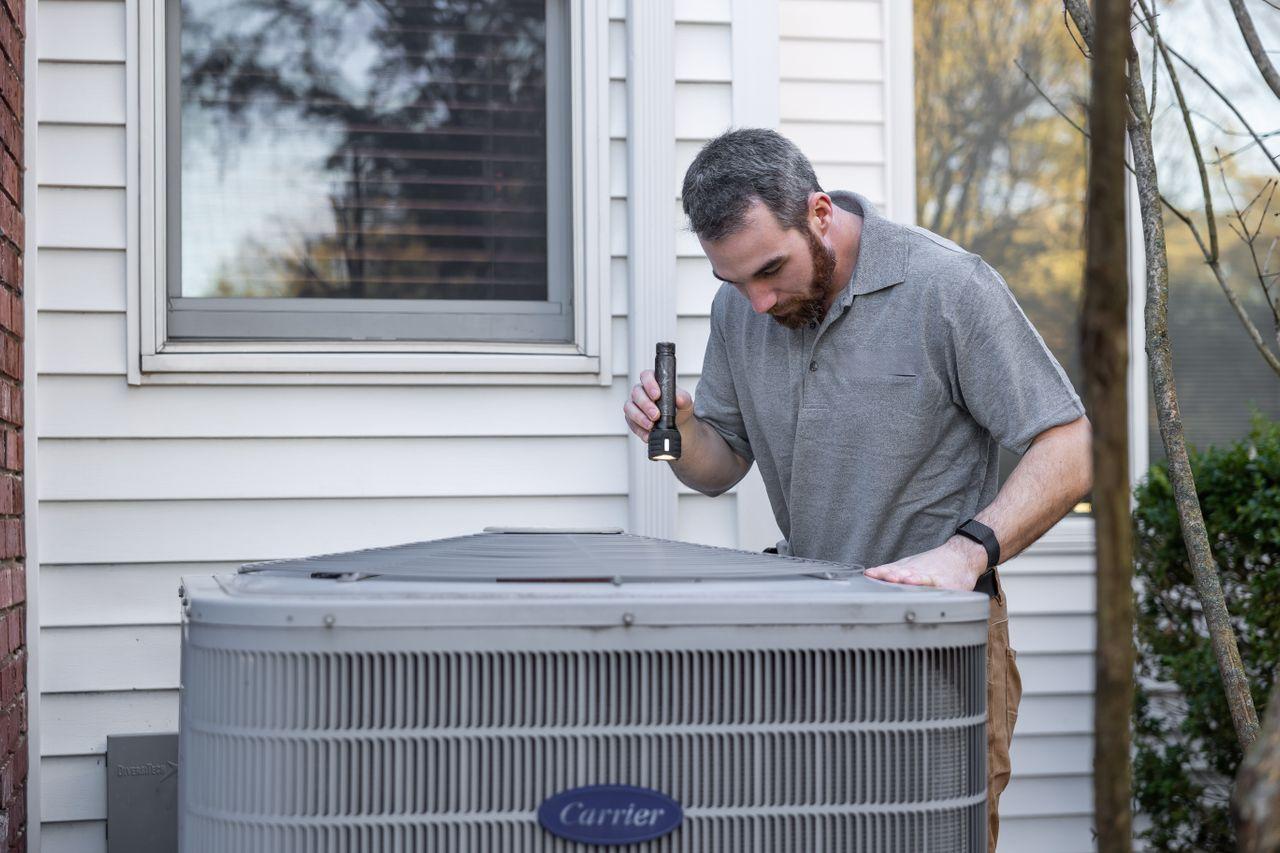
Landlords are responsible for parts that fail. For example, the landlord is ultimately responsible if a compressor fails over time, a blower motor burns out, or an air conditioning system loses its ability to cool effectively. Landlord responsibility also includes having a qualified technician service the air conditioner. Typically, this happens twice a year, at the start of each heating and cooling season.
Tenant-caused damage belongs to the tenant
In cases of neglect, the tenant typically pays for repairs. A common example is a clogged air conditioning or heating unit filter, which makes the system work harder to produce heat or cool. Examples of damage resulting from misuse include intentionally obstructing vents (blocking them), altering thermostat settings, or failing to notify management of a leaking pipe before more extensive damage occurs. Some leases require the tenant to have a professional maintenance service agreement. This arrangement shifts routine repair costs onto the tenant.
Simple upkeep is usually the tenant's job when the lease says so
Some filter changes and thermostat battery replacements cost less than $10. They're also an easy way to avoid calling a repairman or having a new part installed. If your landlord requires these, take them seriously. Track when you change your filters, save all receipts, and document anything that goes wrong so you can prove you did what was expected.
Emergency repairs need a clear process
When heating fails in the winter or cooling gives out during a heat wave, time matters. The lease should state who to contact immediately, how to define an emergency, and whether the renter can make necessary repairs themselves at their own expense (and then deduct that from the next month's rent) if the landlord doesn't respond. Because repair-and-deduct rules vary by state, check your local laws before spending money.
Landlord vs Tenant: Who is Responsible for HVAC Maintenance?
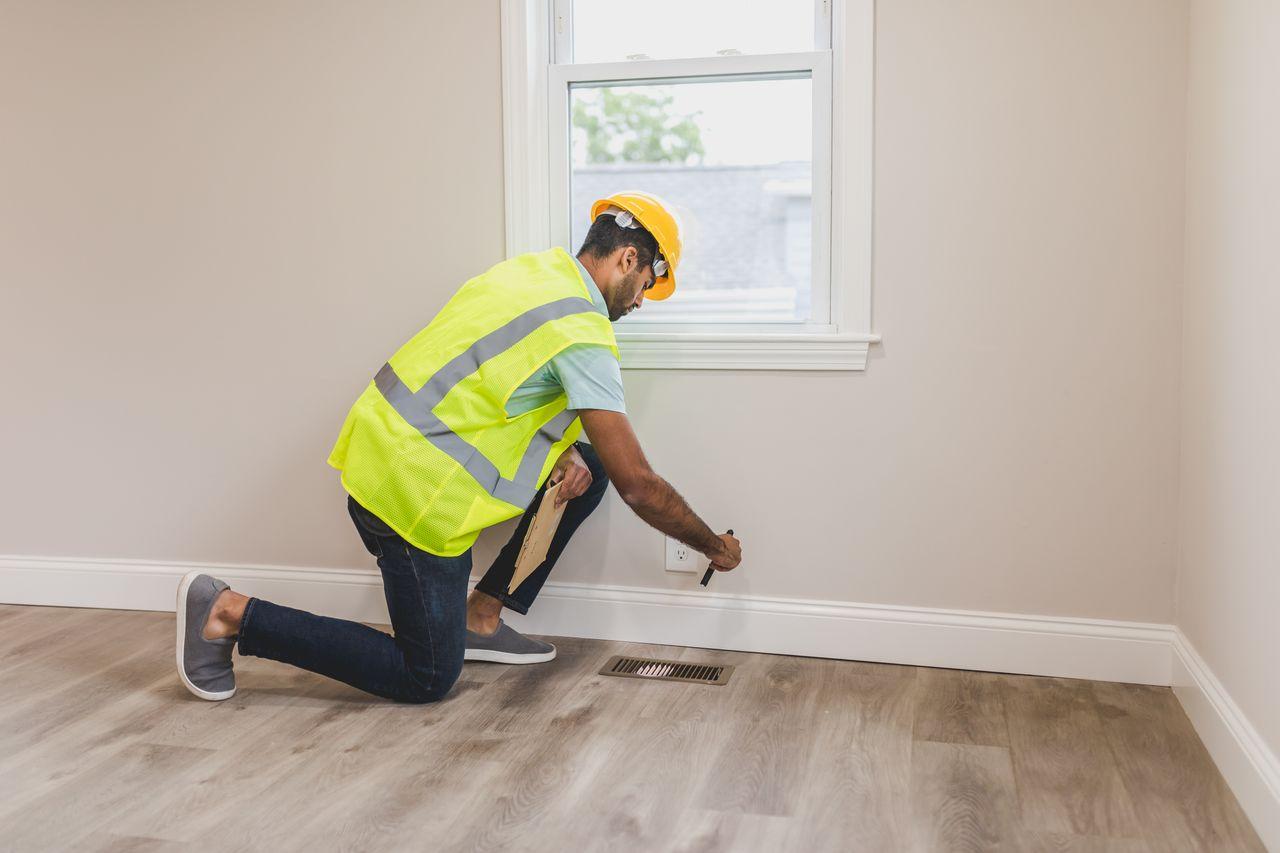
It's important to define who is responsible for HVAC maintenance repairs, seasonal tune-ups, and emergency service calls. Most residential leases follow a similar arrangement of responsibilities.
The tenant handles minor, routine maintenance, such as changing the air filter in their unit every 1-3 months, while the landlord handles professional services (e.g., seasonal tune-ups) and major repairs for tenants in the building.
Your lease should clearly outline who is responsible for each task or expense. Examples of typical responsibilities include:
- Tenant: Changing the air filter every 1-3 months
- Tenant: Replacing the thermostat battery when it runs low
- Landlord: Seasonal tune-ups, usually performed at least two times per year
- Landlord: Repairs resulting from "normal" wear and tear (e.g., a compressor or blower motor failure)
When neither party can determine whether a problem originated from tenant neglect or the landlord's equipment age, it creates a gray area. If you ignore your air filter, obstruct airflow through your vents, or fail to report a roof leak, you may be seen as negligent. On the other hand, if a piece of equipment fails early, you may see that as your landlord's negligence.
Emergency situations need a clear plan of action. Prioritize who to contact first and what counts as an emergency. Also, learn about the "repair-and-deduct" policy in your state, and review your lease and local laws before making any financial commitments.
When Should a Property Manager Handle HVAC Maintenance?
HVAC issues rarely stay straightforward for long. In many cases, tenants and landlords need help from someone else to resolve the problem. Property managers provide the framework when the lease has no clear guidelines, tensions rise over the cause of the issue, or owners are out of town or unable to be present locally to address the situation.
Gray-Zone Disputes
A property manager provides structure to gray-area disputes that arise from ambiguous or silent lease language and where each party believes the other is responsible for an HVAC issue. The property manager inspects the HVAC system, assesses responsibility based on their findings of fact (i.e., evidence), and provides a third-party view of who was at fault. This neutral perspective may help resolve what would otherwise be a "he-said/she-said" dispute.
Emergency Coordination
Property managers have to handle after-hours emergencies promptly and reliably. By maintaining a list of reliable local service personnel, they can dispatch someone immediately to fix the problem and verify the issue is resolved correctly. If you are an absentee owner from outside the area, a local representative can resolve heating and cooling issues quickly.
Routine Scheduling
Routine maintenance scheduling often fails because no one owns the calendar. A property manager will schedule routine maintenance twice a year (and document it), track completion, and maintain records. This shows routine maintenance was performed to protect the unit's equipment, reduce emergency repair calls, and provide evidence of compliance in future disputes about your unit's condition.
Tenant Communication
Clear notice to tenants, reasonable expectations for repair time frames, and written communication about issues or concerns help prevent minor complaints from becoming major issues. A professional property manager will communicate these matters on your behalf and the tenant's, document each interaction between you, your tenant, and your property management company, and provide your tenant with a source of assistance. This documented history will help resolve potential disputes fairly.
Conclusion
Your HVAC maintenance clause defines not only who is responsible for repairs, but also who will service the equipment and respond if it breaks. The clause outlines what regular maintenance covers, which will help you determine the source of a failure.
Take time to review this section of your lease agreement carefully, and keep an accurate record of your regular maintenance activities. If you ever have questions about how something should be interpreted, a property manager may provide additional clarity on responsibilities and protect all parties.
Keep reading
More from the blog

High-Performance Roofing Materials Leading Home Upgrades
Living in Enoch, Utah: Bigger Lots and Horse Property Next to Cedar City

Utah Seller Disclosures: What a Seller Has to Hand Over and When