Why High-Performance Roofing Materials Are Leading Residential Upgrades
Hail, wind, and freeze-thaw cycles are pushing homeowners toward metal roofing, Class 4 shingles, better underlayment, and balanced ventilation. Here is how each protects your home's value.
Violent wind gusts, sudden hailstorms, and erratic Midwest winter cycles continually challenge your home's exterior envelope. When you treat these recurring weather events as simple patch jobs, you risk serious structural damage beneath the surface.
Forward-thinking homeowners now approach exterior remodeling as an investment in architectural preservation. By choosing engineered assemblies designed for maximum weather resistance, you protect your living space while securing your financial equity for decades ahead.
Why Are Volatile Regional Weather Cycles Forcing Exterior Upgrades?
Shifting Midwest seasons push traditional building products past their breaking points. Severe freeze-thaw cycles force melting snow into tiny surface cracks during warmer afternoons, only to expand violently when nighttime temperatures plummet. Over repeated seasons, this constant physical stress cracks standard builder-grade shingles and loosens fastener penetrations.
Spring and summer introduce powerful wind shear and torrential cloudbursts that exploit these micro-fractures. When moisture slips behind degraded siding or lifting shingles, hidden rot begins attacking your wooden decking and interior drywall. Upgrading to robust building components stops this cycle of constant decay before water compromises your interior ceilings.
How Have Modern Metal Roofing Systems Evolved?
Heavy-gauge standing seam metal panels provide unmatched protection against punishing weather events. Modern installations feature concealed fastener channels that eliminate exposed screw heads, shielding vulnerable rubber washers from ultraviolet degradation. You gain a continuous metal barrier that effortlessly sheds heavy snowpack while reflecting summer thermal radiation away from your living spaces.
These modern systems feature durable factory coatings that maintain rich color depth under intense sun exposure. You no longer have to settle for industrial-looking corrugated panels on a residential property. Today's architectural metal designs mimic traditional slate or crisp standing seams, offering striking beauty that stands up against fierce gales.
Why Do Regional Installation Standards Matter for Seasonal Freezes?
Proper material selection represents only half of the equation when protecting your residence from freeze-thaw punishment. When you partner with Buckeye State Roofing and similar options for certified installation work, experienced regional crews apply precise flashing techniques tailored directly for northern climate stresses. Their trained technicians seal valleys, chimneys, and dormer junctures with heavy-duty membranes that move with thermal fluctuations rather than tearing. This meticulous detailing keeps meltwater moving safely toward downspouts instead of pooling against siding transitions.
Local climate familiarity makes a tangible difference across every square foot of your roof deck. Crews accustomed to harsh winters know where ice dams accumulate along cold eaves. By applying thick self-adhering membranes along your drip lines, qualified specialists guarantee that backing water cannot creep upward beneath your primary cladding.
What Does a Class 4 Impact Rating Mean for Your Insurance?
Hail strikes inflict catastrophic losses on standard asphalt roofing shingles every single spring. Data published by the Insurance Information Institute reveals that severe hail measuring 2 inches or larger struck more than 567,000 residential properties across the nation during 2024. Class 4 impact-resistant materials utilize specialized polymer modifiers that flex during sudden impacts rather than fracturing or shedding protective granules.
When you install Class 4-rated shingles, your property gains measurable financial resilience against these violent storms. Most property insurance providers recognize this enhanced durability by offering substantial annual premium discounts to proactive homeowners. You lower your recurring coverage expenses while dramatically reducing the likelihood of filing stressful damage claims after heavy storms.
How Do Advanced Underlayments Shield Sheathing From Moisture?
Your outer shingles represent your initial shield, but advanced synthetic underlayment provides your absolute safeguard against hidden moisture intrusion. Outdated organic felt paper easily tears during high-wind events and absorbs moisture if exposed during installation. Modern woven synthetics remain stable underfoot, resist harsh weather, and form a continuous waterproof skin over your entire wooden decking.
Premium underlayment systems incorporate targeted layers designed to tackle distinct exterior vulnerabilities:
Shield critical perimeter eaves: Thick rubberized asphalt sheets seal tightly around driven roofing nails to block moisture from creeping backward during winter ice dams.
Cover open deck expanses: High-traction synthetic sheets resist tearing in 60-mile-per-hour gusts while preventing dampness from reaching your structural plywood decking.
Fortify valleys and flashings: Flexible self-sealing rolls line roof valleys and wall joints to redirect massive rainwater volumes straight toward your gutters.
Why Does Balanced Attic Ventilation Protect Your Structural Equity?
A high-performance roof assembly functions as an active thermal management system, not merely a passive outer lid. Without adequate intake and exhaust airflow, trapped moisture from your living quarters migrates into your attic and condenses against cold sheathing boards. This unvented humidity fosters wood decay, compromises fiberglass insulation efficiency, and cooks asphalt shingles from underneath during humid summer heatwaves.
Balanced ventilation systems draw fresh ambient air through continuous soffit vents and expel superheated, humid air through continuous ridge vents. This ongoing thermal exchange keeps your roof deck temperature close to outdoor ambient conditions throughout freezing months. By preventing warm attic air from melting snow prematurely on higher roof planes, proper ventilation stops destructive ice dams from forming along your gutters.
How Do Resilient Roof Upgrades Protect Your Long-Term Home Equity?
Investing in durable exterior systems directly influences what your home commands on the open market. A survey from the National Association of Home Builders reported that 96% of builders and residential remodelers actively implement high-performance measures focused on resiliency, resource efficiency, and healthier building envelopes. Prospective buyers increasingly inspect exterior durability before making offers, recognizing that engineered materials protect them from surprise capital expenditures.
Upgraded exteriors deliver immediate curb appeal while signaling superior structural maintenance to home appraisers. When your roof features heavy-gauge metal panels or Class 4 impact shingles, you showcase an exterior built to withstand decades of volatile regional weather. That physical durability translates into higher appraised valuations and faster sales whenever you decide to list your home.
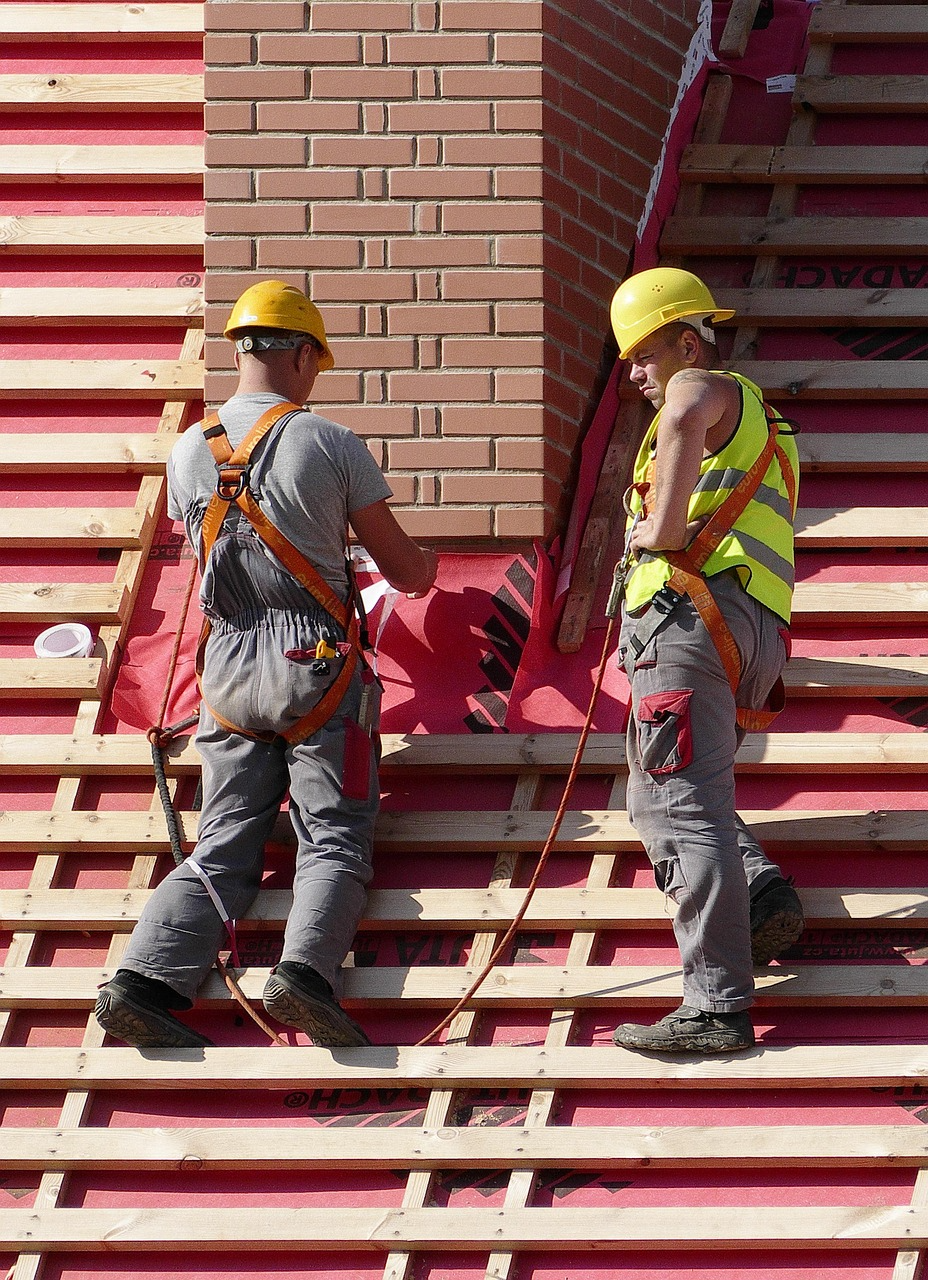
Partnering with skilled local tradespeople guarantees that your high-performance roof provides complete weather protection through decades of freezing winters and humid summers. When you upgrade your home using resilient materials and proven regional installation methods, you preserve your property's value while enjoying enduring peace of mind.
Frequently asked questions
What is a Class 4 impact-rated roof shingle?
Is a standing seam metal roof worth it for harsh winters?
How does attic ventilation prevent ice dams?
Why is synthetic underlayment better than felt paper?
Does a new high-performance roof increase home value?
Keep reading
More from the blog
Decoding the HVAC Maintenance Clause in Your Lease Agreement
Living in Enoch, Utah: Bigger Lots and Horse Property Next to Cedar City

Utah Seller Disclosures: What a Seller Has to Hand Over and When