How Electric Fireplaces Help Utah Homeowners Solve Uneven Heating
Electric fireplaces offer Utah homeowners a way to fix cold rooms and uneven heating without gas lines, chimney work, or major construction. This guide covers heating capacity, features, placement options, and what professional installation involves.
Homes in Utah can face uneven indoor temperatures when cold air settles into basements, bedrooms, and open living areas. Raising the central thermostat may warm unused rooms while the occupied space still feels uncomfortable. A focused heat source gives families greater control without forcing the main system to carry every comfort demand.
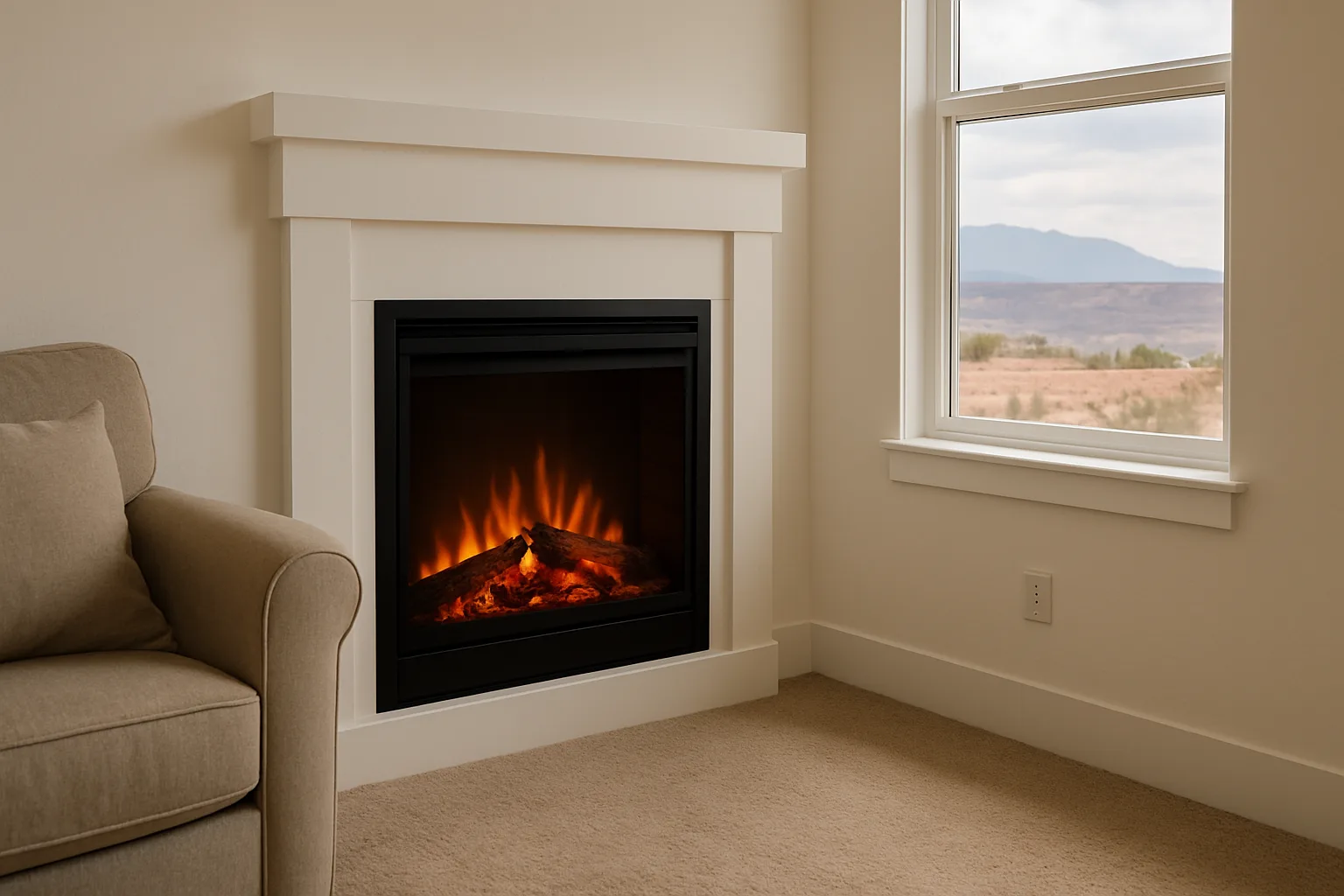
Electric fireplaces provide supplemental warmth without smoke, ash, fuel storage, gas lines, or chimney work. Realistic LED or LCD flames also create a welcoming focal point when heat is unnecessary. Their flexible placement suits apartments, older houses, remodels, and newer properties with limited options for traditional fireplace construction — a consideration many buyers weigh alongside broader questions of what daily life in Utah actually feels like. To learn more about these fireplaces, please read this discourse.
Targeted Room Heating Reduces HVAC Pressure
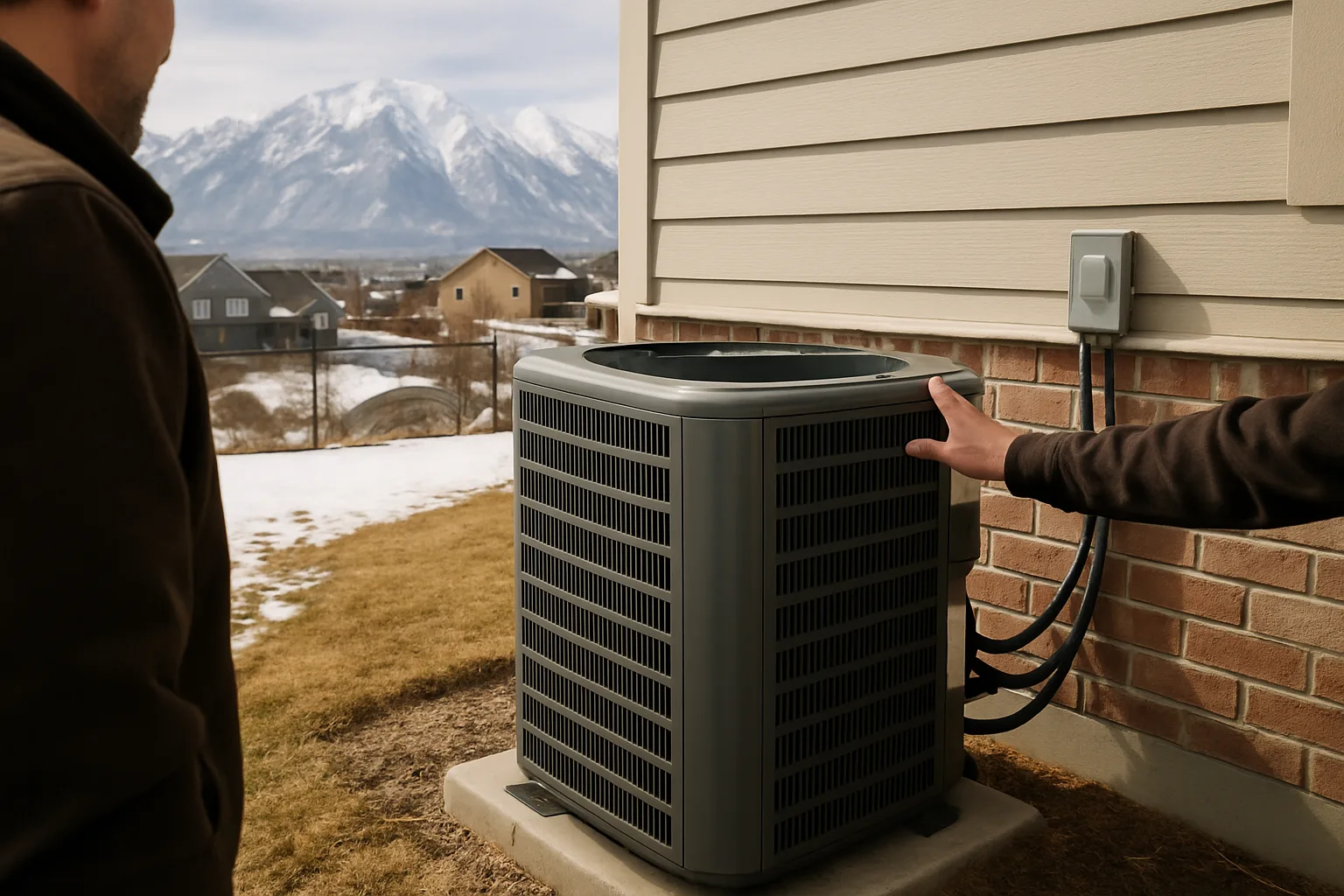
An electric fireplace Utah can heat the room where comfort is needed instead of increasing temperatures throughout the house. Most models include a built-in heater designed for spaces up to about 400 square feet, which can suit bedrooms, offices, basements, and family rooms. Power use commonly falls between 750 and 1,500 watts, similar to a portable space heater. A built-in thermostat helps maintain a steady setting and prevents continuous operation at maximum output. Homeowners weighing heating upgrades alongside a full system replacement may also want to understand how Utah's elevation and dry climate affect HVAC sizing before choosing equipment.
Practical Features Support Efficient Daily Use
Modern controls make it easier to balance warmth, appearance, and electricity use. Residents can select heat levels, adjust flame intensity, or run the visual display separately during mild weather. Several premium units also support remotes, mobile apps, and voice commands for convenient room-level control.
Flame-only settings provide fireplace atmosphere without adding heat to the room.
Adjustable thermostats help prevent excessive power use once the chosen temperature is reached.
Custom flame patterns and colors allow the fireplace to match different interiors and moods.
Flexible Designs Solve Placement Limitations
Wall-mounted models attach directly to a suitable surface and work well where floor space is limited. Recessed or built-in units sit flush within a wall for a clean architectural finish, while inserts can refresh an unused masonry or prefabricated fireplace opening. Freestanding units need little construction, and fireplace TV stands combine media storage with supplemental warmth. These choices allow homeowners in Utah — whether in a Salt Lake City condo or a new-construction home in Washington, Utah — to match the unit with room size, layout, budget, and design preferences.
Safety and Simple Care Lower Ownership Hassles
Electric units avoid open flames and combustion emissions, while exterior surfaces usually remain cool or only slightly warm. Those characteristics make them a reassuring option for households with children or pets. Routine care is also far simpler than ash removal, chimney cleaning and repair, or annual gas servicing.
Keep furniture and fabrics clear of the heater outlet and follow the manufacturer's clearance requirements.
Use a correctly rated outlet and avoid a standard extension cord as a permanent power source.
Dust the exterior and clear the vents so airflow remains steady, and the heater performs efficiently.
How Professionals in Utah Install These Fireplaces
Professional service starts with a home evaluation that considers available wall space, the existing fireplace opening, electrical access, style goals, and budget. Specialists then recommend a suitable format and confirm if framing, wall preparation, or dedicated electrical work is required. Most straightforward installations take a few hours, although recessed projects may need additional preparation. For an electric fireplace in Utah, trained installers complete mounting, electrical connections, code checks, safety testing, and a final operating walkthrough. New residents settling into a Utah home for the first time may find it worthwhile to review other move-in essentials, such as setting up your digital life after relocating to Utah.
Electric fireplaces address cold rooms with controlled supplemental heat and minimal maintenance. Flexible designs make them suitable for existing hearths, feature walls, apartments, and family spaces. Careful selection and professional installation help homeowners in Utah gain dependable comfort without unnecessary construction or fuel-related upkeep.
Frequently asked questions
How much does it cost to run an electric fireplace in Utah?
Do electric fireplaces heat a whole house or just one room?
Is an electric fireplace a good option for Utah's cold winters?
Do electric fireplaces need a chimney or special venting in Utah homes?
What's the difference between wall-mounted, recessed, and insert electric fireplaces?
Can I install an electric fireplace myself or do I need a professional?
Keep reading
More from the blog

Utah Property Taxes: How Your Assessed Value Really Gets Set

Why Identical Houses Get Different Property Tax Bills

Your First Month in a New Utah Home: A Fall Settling-In Guide