What to Consider Before a New Residential Fence Installation
Before installing a residential fence, homeowners need to verify boundaries, check permits, compare materials, and budget for hidden costs. This guide walks through every step to plan a fence that fits the property and lasts.
A residential fence influences privacy, security, drainage, pet safety, access, and property value. The right choice depends on site conditions, household priorities, local rules, and long-term upkeep. Before ordering materials, homeowners should confirm boundary lines, examine soil, measure gates, and obtain written pricing. Early preparation limits permit problems, construction changes, and disputes with neighboring owners. It also helps create an enclosure that fits the home, supports daily routines, and remains serviceable for years.
Begin With Local Planning
Regional conditions can change the appropriate fence style. Clay soil, freeze-thaw cycles, heavy rainfall, and sloped ground affect post depth and alignment. A local specialist can review these factors, explain available materials, and identify installation details that generic advice may miss. While researching options for fence installation in St. Louis, residents should compare privacy panels, open-rail options, gate configurations, and expected project requirements before requesting an estimate. Utah homeowners weighing a similar project should also budget for other exterior improvements that add lasting value to a home at the same time.
Define the Purpose
The fence should solve a clearly stated problem. Solid panels can limit outside views, while open pickets preserve visibility across the yard. Pet owners may need narrow openings, secure latches, and an automatic gate. Pool enclosures have separate height and hardware standards. Families should rank privacy, security, appearance, and animal control before reviewing samples. A written priority list keeps recommendations focused and prevents unnecessary features from inflating costs. This kind of prioritization is also useful when weighing which property amenities matter most before buying a Utah home.
Verify Property Boundaries
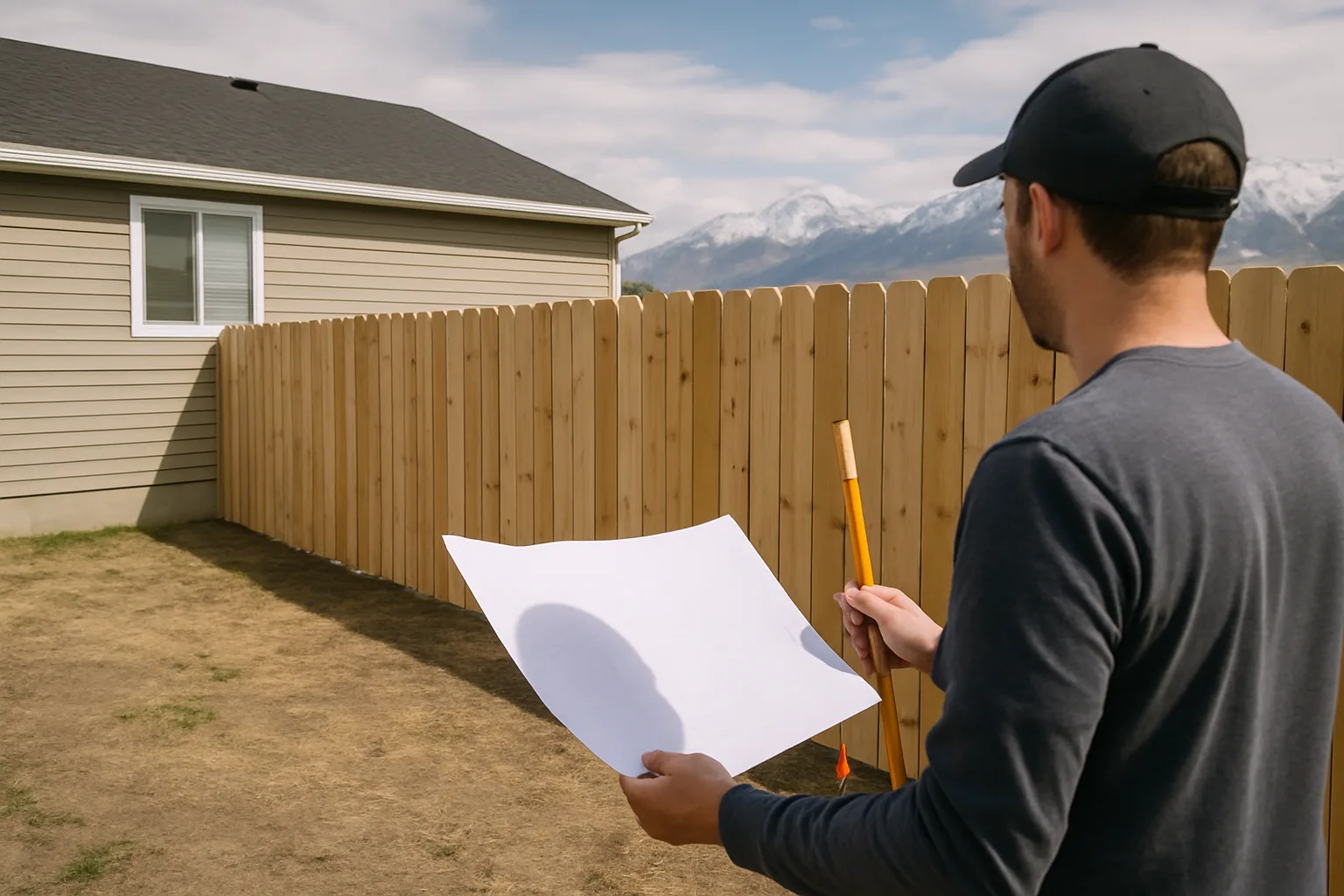
A fence should never rely on visual guesses about ownership lines. A current survey, deed, or county record can reveal easements, shared driveways, and utility corridors. Temporary stakes let nearby owners inspect the proposed route before excavation begins. This step may expose a boundary issue, while correction remains inexpensive. Moving completed posts can involve demolition, replacement materials, fresh labor, and damaged landscaping, so verification deserves attention before construction. Buyers evaluating how HOA fees and covenants affect a property should note that many communities also regulate fencing.
Check Rules and Permits
City ordinances, subdivision covenants, and historic-district standards may regulate height, location, color, and construction details. Corner lots often require clear sight lines near streets or driveways. Pool barriers may demand precise dimensions, self-latching hardware, and limited climbing surfaces. Homeowners should secure written approvals before purchasing products. Calling 811 also helps locate buried utilities, reducing the risk of service damage, project delays, or dangerous excavation conditions.
Compare Available Materials
Vinyl, aluminum, and wood perform differently outdoors. Vinyl resists rot and insects, although impact can crack a panel or post. Aluminum handles moisture well and offers a light visual profile, but open sections provide limited privacy. Wood supports custom dimensions and stains, yet exposed boards require periodic sealing. Samples should be viewed beside the house at several times of day. Outdoor light can change how color, grain, and surface texture appear. If a larger renovation is underway, it's worth reviewing which renovation choices help a home stand out in a market before committing to finishes.
Examine Soil and Drainage
Ground conditions determine how securely posts can be set. Dense clay, loose fill, buried rock, and wet soil may alter excavation time and footing requirements. Sloped ground can require stepped sections or carefully adjusted rails to prevent large gaps below panels. Water should move away from posts, foundations, patios, and adjoining lots. A thorough site inspection can identify roots, old concrete, low areas, and hidden obstacles before machinery arrives.
Build an Itemized Budget
A realistic budget includes more than visible panels. Posts, concrete, gates, hinges, latches, removal, grading, permits, delivery, taxes, and cleanup may affect the final amount. Long runs increase material quantities, while rocky ground can raise digging charges. Written estimates should separate labor from products and identify possible allowances. Comparing several detailed proposals helps homeowners assess scope, warranty coverage, and workmanship without choosing solely on price. Sellers preparing to list should also review which pre-sale home improvements are worth doing before listing, since fencing is often part of that conversation.
Plan Future Maintenance
Maintenance depends on material, exposure, and construction quality. Vinyl usually responds well to mild soap and water, while aluminum benefits from gentle washing and prompt attention to any damage to the coating. Wood requires inspection for moisture, insects, loose fasteners, and finish failure. Gates deserve regular checks because sagging hinges can affect clearance and security. Storing spare hardware, color information, and warranty papers can simplify repairs several seasons after completion.
Conclusion
A dependable residential fence begins with careful planning, not the first excavation. Homeowners should confirm the boundary, study drainage, review regulations, compare materials, measure openings, and examine complete pricing. Good preparation reduces changes after installation and supports safer daily use. Before final payment, the property owner should inspect alignment, gate movement, fasteners, surface finish, drainage, cleanup, and warranty documents. Those checks help ensure the finished enclosure serves its purpose and remains manageable over time.
Frequently asked questions
How much does a residential fence installation typically cost?
Do I need a permit to install a fence in Utah?
How close to the property line can I build a fence?
Which fence material lasts longest with the least maintenance?
Does adding a fence increase a home's resale value?
What's the difference between a privacy fence and a pool fence?
Keep reading
More from the blog

Staying Put After 65: Utah Programs That Help Seniors Keep Their Homes in 2026
Your Utah Cost Segregation Questions, Answered!
How Noisy Is the Home? A Buyer's Noise Check Guide