
Understanding HOA Fees: Where Your Money Goes and Why It Matters
HOA dues fund far more than landscaping — from insurance and reserve studies to long-term property value. Here's a breakdown of where the money goes and how it affects your buying power.
Buying a home in a managed community brings recurring assessment fees that impact total monthly housing costs. Understanding where these funds flow makes it easier to evaluate potential properties before signing closing papers. Board members collect monthly dues to cover shared amenities, routine upkeep, and future structural updates across neighborhood grounds. Clear accounting practices protect overall property values and prevent unexpected financial burdens for community residents. This is especially relevant for buyers weighing a purchase in an HOA-heavy market, and it pairs well with how to evaluate property amenities before buying a Utah home.
How HOA Fees Are Calculated and Collected
Homeowners pay regular assessments to cover the upkeep of shared neighborhood spaces and community infrastructure. Community leadership teams often contract with HOA financial management services to maintain accurate record-keeping, process payments, and draft annual balance sheets. This structure helps associations maintain predictable budgets while tracking every dollar spent across operating accounts.
National housing records indicate 21.6 million out of 86.6 million owned households in the country paid association dues in 2024. Figures gathered across regional markets place the national average fee near $355 per month, with state averages ranging from $192 in Arizona to $886 in New York. Geographic location, neighborhood size, and included utility packages drive these wide variations in costs. Local building ages and structural maintenance needs further push baseline assessment numbers up or down.
Where Monthly Assessment Money Goes
A significant portion of collected revenue funds daily community operations and routine vendor services. Financial analysis from 2024 revealed that $94.3 billion of $120.9 billion total member assessments paid for immediate operational expenses. Maintaining physical grounds and administrative operations requires steady monthly cash flow throughout the fiscal year.
Professional landscaping work for common parks, greenbelts, and sidewalk borders
Utility bills for shared streetlights, community clubhouses, and pool heating systems
Comprehensive insurance coverage protecting shared physical structures against property damage
Routine repair work for security gates, perimeter fencing, and parking lot surfaces
Real estate industry guides report that annual HOA fees reach an average of $3,500 nationwide to uphold neighborhood standards. Governance documents outline explicit maintenance duties so that shared spaces remain clean and functional. Consistent maintenance stops small physical defects from turning into costly emergency repairs.
Planning for Future Repairs With Reserve Studies
Reserves function as a dedicated long-term savings pool for major capital projects down the road. A complete Level I reserve study pairs a physical inventory of common components with financial modeling to create a multi-decade funding schedule. This proactive approach prevents board members from approving emergency assessment fees when major assets require complete replacement.
Key Components Covered by Reserve Funds
Roof replacements on shared buildings, asphalt repaving, and pool resurfacing demand substantial capital reserves. Dividing these long-term repair costs across years of monthly dues spreads the financial load evenly across successive property owners. Stable funding schedules protect individual owners from sudden four-figure special assessment invoices when major structures age out. Buyers weighing a home with an aging shared roof should also consider the hidden value of a durable roof in today's housing market.
Underfunded reserve accounts create severe financial exposure for neighborhood residents over time. Associations with weak cash reserves often resort to sudden special assessments or bank loans to cover critical repairs. Evaluating reserve fund health remains a critical step during property due diligence.
The Connection Between Dues and Property Value
Well-managed assessment funds directly protect neighborhood real estate values over extended ownership periods. Research indicates homes within a homeowners association sell for a 5-6% price premium over comparable properties outside structured communities. Uniform maintenance standards and well-maintained shared assets keep buyer demand strong across market cycles. This kind of premium is one more factor sellers should weigh alongside why comparable home sales matter when pricing your home.
Clean common areas, working amenities, and updated facilities attract solid offers in competitive markets. Consistently funded accounts signal to prospective buyers that a neighborhood maintains financial health and responsible governance. High curb appeal keeps community housing stock competitive against surrounding developments.
How Dues Affect Buying Power
Mortgage lenders calculate monthly association fees into debt-to-income ratios during pre-approval reviews. Financial analysis demonstrates that every $100 in monthly HOA dues reduces home purchasing power by roughly $16,000. Buyers must calculate these recurring fees into their total monthly housing outlay alongside mortgage principal, property taxes, and home insurance.
High monthly dues might restrict the maximum loan amount a mortgage buyer qualifies to borrow. Reviewing association balance sheets before making an offer helps buyers avoid hidden financial surprises. Clear budgeting upfront preserves long-term financial stability for household budgets. New Utah homeowners settling into a managed community may also find our guide to settling into a new Utah home useful for the broader move-in checklist.
Resident Satisfaction and Governance
Transparent financial practices build strong trust between community residents and governing boards. A 2026 national survey of 3,000 homeowners found 86% of community association residents rate their overall living experience as positive or neutral. Clear reporting on assessment spending keeps community disputes to a minimum.
Attending open board meetings gives owners direct visibility into incoming dues and planned expenditures. Understanding local fee structures helps homeowners receive full value for their monthly financial contributions. Active resident involvement maintains high governance standards across the entire neighborhood.
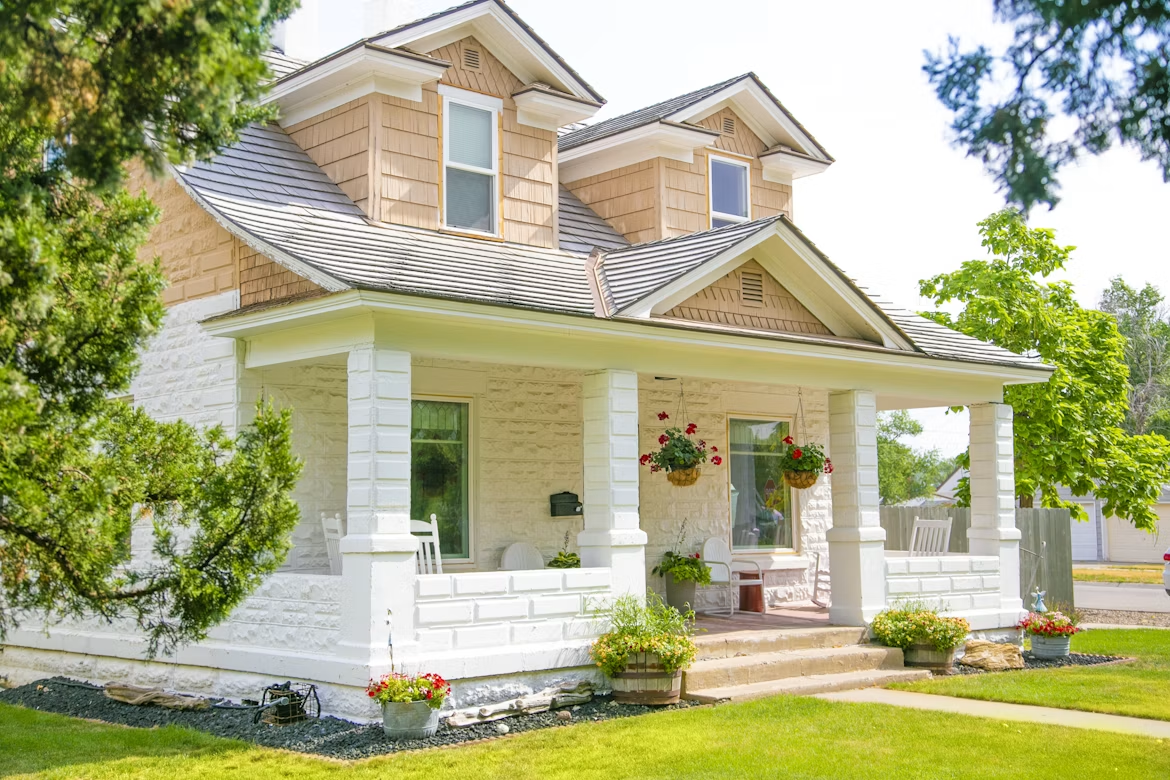
Reviewing association financial statements provides peace of mind when selecting a home in a managed neighborhood. Clear knowledge of operational expenses and reserve allocations helps buyers evaluate long-term housing costs accurately. Knowing where each dollar goes transforms monthly assessments into a strategic tool for maintaining neighborhood standards and property value.
Frequently asked questions
What is a normal monthly HOA fee for a Utah home?
Can an HOA raise fees or issue a special assessment without warning?
How do I check if an HOA's reserve fund is healthy before buying?
Do HOA fees affect how much house I can afford to buy?
Do homes in an HOA sell for more than homes without one?
What's the difference between HOA operating fees and reserve funds?
Keep reading
More from the blog

Why Utah Homes Aren't Selling in Fall 2026: What 18,000 Active Listings Show

Fall Color Drives by Home Base: Which Wasatch Front Canyon Is Closest in 2026

Wasatch Front Halloween 2026: Haunts, Corn Mazes and Witch Displays by Scare Level