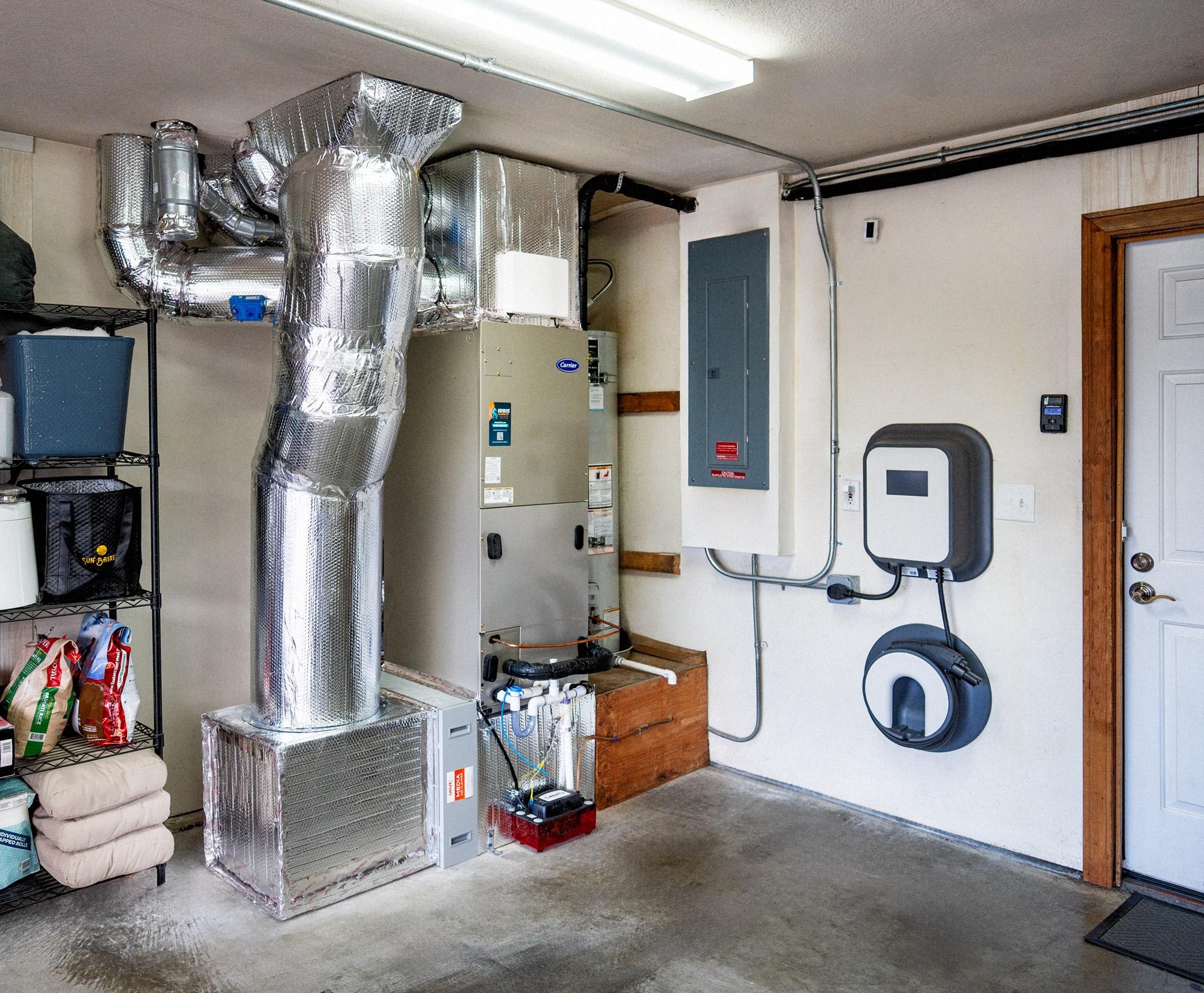
How to Maximize the Efficiency of Your Heat Pump Year-Round
Simple habits like steady thermostat settings, clean airflow, and seasonal maintenance can significantly improve a heat pump's efficiency, comfort, and lifespan throughout the year.
Heat pumps are built for efficient heating and cooling, but the way you operate and maintain them makes a huge difference. Small habits like smart thermostat settings, clean airflow, and seasonal checkups can improve comfort, reduce run time, and help your system last longer. For Utah homeowners, these habits matter even more given the state's hot summers, cold winters, and dry climate that can stress HVAC systems year-round.
Understand how heat pumps save energy
A heat pump works best when it runs steadily and maintains temperature, not when it constantly starts and stops. Rapid changes in settings or restricted airflow force the system to work harder. The goal is simple: give the heat pump consistent conditions, clean air paths, and enough time to do its job.
Use thermostat settings that help the system, not fight it
Many people treat heat pumps like a furnace, turning the temperature up and down dramatically. That often reduces efficiency.
Keep your temperature steady, especially in winter. If you use a schedule, make changes gradually. Large setbacks can trigger backup heat on some systems, which uses much more energy than the heat pump itself. If your thermostat has a heat pump mode, confirm it is configured correctly so it doesn't rely on backup heat too often.
Maintain airflow, because airflow is efficient
Airflow problems are one of the biggest reasons heat pumps lose performance. When the system cannot move enough air, it runs longer, struggles to hit set points, and can create uneven temperatures.
Clean or replace filters regularly and keep supply and return vents open. Make sure furniture or rugs are not blocking returns. If you have a ducted system, leaky or undersized ducts can waste a surprising amount of energy, so duct inspection and sealing can have a big payoff. Homeowners tackling other envelope issues at the same time, such as replacing an odd-size window, will see compounding efficiency gains.
Keep the outdoor unit clean and able to "breathe"
Your outdoor unit needs clear space to exchange heat. Leaves, snow, and debris make that harder and reduce efficiency.
Keep a clear area around the unit and gently remove buildup on the coil surface when needed. In winter, make sure snow drifts and ice do not block airflow. Most heat pumps will periodically defrost, which is normal, but the unit still needs open airflow to recover quickly.
Don't ignore humidity and fan settings
Humidity affects comfort. In summer, higher indoor humidity can make you feel warmer at the same temperature, which tempts you to lower the thermostat and use more energy.
Use "Auto" fan mode for most homes. Running the fan continuously can sometimes re-evaporate moisture off the indoor coil and raise indoor humidity. If you have a variable-speed system, your contractor can recommend the best fan settings for your specific model and climate.
Seal the home so the heat pump has less work to do
The heat pump can only be as efficient as the home it serves. Air leaks and poor insulation increase heating and cooling demand, which increases run time.
Simple improvements like weatherstripping doors, sealing attic penetrations, and improving insulation often reduce energy use and improve comfort more than people expect. If some rooms are always uncomfortable, it may be an insulation or air-sealing issue, not a heat pump issue. This kind of prep work is also one of the details buyers and sellers should keep in mind among the home-buying details often overlooked before closing.
One quick seasonal checklist
Replace or clean the air filter on schedule
Keep vents open and returns unblocked
Clear debris around the outdoor unit and keep it free of snow buildup
Avoid large thermostat setbacks that can trigger backup heat
Schedule professional maintenance before heavy heating or cooling seasons
Schedule professional maintenance at the right time
A tune-up helps confirm refrigerant performance, electrical health, airflow, and defrost operation. It also catches small issues before they become expensive problems.
If you want your system operating at peak efficiency through every season, schedule a heat pump checkup with IRBIS Air Plumbing Electrical. Proper setup and routine maintenance are the fastest ways to protect efficiency, comfort, and long-term reliability. A well-maintained HVAC system is also a selling point worth highlighting if you're preparing to list, alongside other steps to make your home more appealing before selling.
Frequently asked questions
How often should I replace my heat pump's air filter?
Is it cheaper to leave a heat pump on one temperature all day?
Why does my heat pump blow cold air in winter?
How much does routine heat pump maintenance cost per year?
Do heat pumps work well in Utah's cold winters?
How does a well-maintained HVAC system affect home resale value?
Keep reading
More from the blog

Leaving California for Utah: What to Know Before You Move
Certificates of Insurance: What Utah Real Estate Teams Miss

Utah vs Alberta: Comparing Two Iconic Outdoor Destinations