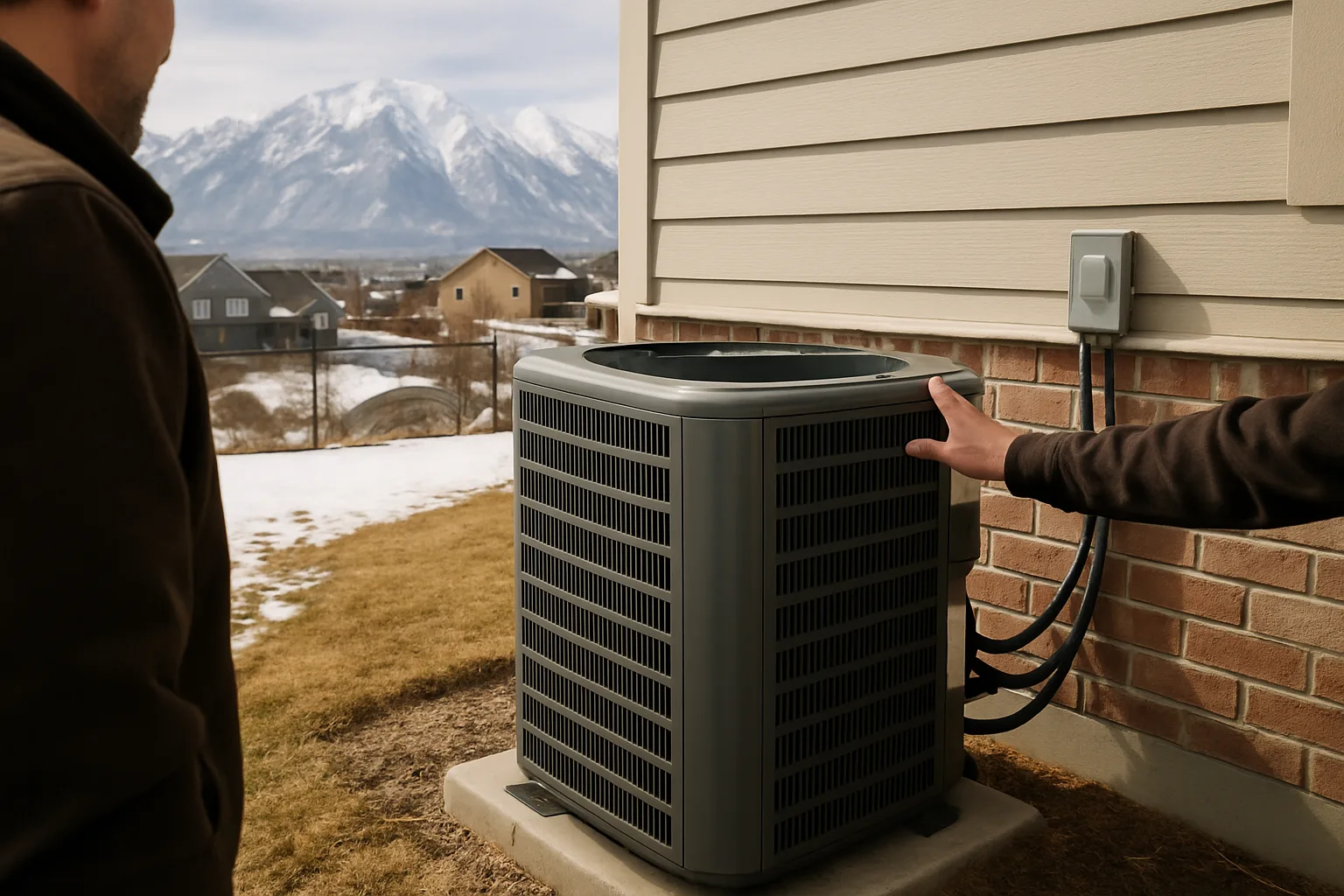
Cold-Climate Heat Pumps: What Actually Changed in the Last Decade
Heat pumps have quietly solved the cold-weather problem that once made them a poor fit for northern winters. This article breaks down the compressor technology that changed, the sizing and envelope caveats that still matter, and why dual fuel is often the smartest option rather than a compromise.
Cold-Climate Heat Pumps: What Actually Changed in the Last Decade
For years the standard advice in the Northeast was straightforward: heat pumps are fine in Georgia, useless in January. That advice was accurate when it was written. It is no longer accurate, and the gap between what people believe and what the equipment now does has become one of the more consequential misunderstandings in residential energy.
The Engineering Change Nobody Marketed Well
The limitation was never the physics of moving heat. It was the compressor. Single-stage compressors ran at one speed, lost capacity sharply as outdoor temperatures dropped, and handed off to electric resistance backup - which is expensive to run and did most of the damage to the technology's reputation. Variable-speed inverter compressors changed the shape of that curve. Modern cold-climate units hold rated capacity down to around 5 degrees Fahrenheit and continue producing useful heat well below zero, modulating rather than cycling.
Field studies across northern states have since documented units carrying full heating loads through genuine cold snaps. That is a different machine from the one homeowners remember.
In practice, energy efficient heating systems have moved from a niche recommendation to a default consideration in most retrofit conversations, and the burden of proof has shifted onto whoever wants to install conventional equipment instead. This same shift matters for Utah homeowners deciding how to maximize a heat pump's efficiency year-round in a climate that swings from freezing winters to triple-digit summers.
Where the Caveats Still Are
Three of them matter. The first is sizing: a heat pump sized purely for cooling will struggle in heating season, and a unit sized purely for design-day heating will short cycle all summer. Getting both right requires an actual load calculation. The second is the building envelope - a leaky, under-insulated house makes any heating system look bad, and spending on equipment before spending on air sealing is a reliable way to be disappointed. The third is distribution. Ducts sized for a furnace pushing 130-degree air are not always right for a heat pump delivering a larger volume at a lower temperature.
Air seal and insulate first, then size the equipment to the improved load.
Ask for the manufacturer's capacity table at your design temperature, not the nominal rating.
Confirm whether existing ductwork suits lower supply temperatures.
Decide the backup strategy deliberately - dual fuel, resistance, or none.
Check what local and federal incentives apply before signing, since they move annually.
Dual Fuel Is Not a Compromise
A lot of homeowners frame the choice as heat pump or furnace. In practice a dual-fuel setup - heat pump doing the work through most of the season, existing gas equipment taking over during the coldest stretches - often produces the best combination of operating cost and reliability, particularly in housing stock that already has gas service and functional distribution. It also sidesteps the electrical service upgrade that a full conversion sometimes triggers. Buyers evaluating a home's mechanical systems should factor this into the broader list of home-buying details buyers often overlook before closing.
Contractors who work across both technologies tend to give the most honest read on which applies. Synergy3, a family-run company operating in Greater Philadelphia and South Jersey since 2006, is one of many regional contractors now running heat pump and dual-fuel installations alongside conventional systems, and the practical answer varies house by house rather than by ideology.
Worth asking any installer: what does the capacity table say at your design temperature, and what happens on the three coldest nights of the year. Firms like Synergy3 will answer with numbers. The answer to avoid is a shrug and a brand name.
The Short Version
The technology caught up. The building science did not change: a well-sealed house with correctly sized equipment and appropriate distribution performs well on a heat pump in a cold climate, and a poorly sealed one performs badly on anything. The order of operations still matters more than the brand on the cabinet.
Frequently asked questions
How cold can a cold-climate heat pump work before losing heat?
Is a dual-fuel heating system better than a full heat pump conversion?
Do I need to upgrade insulation before installing a heat pump?
Can my existing ductwork work with a heat pump instead of a furnace?
What questions should I ask an HVAC contractor about heat pump sizing?
Are heat pumps a good fit for Utah's climate specifically?
Keep reading
More from the blog

How to Choose a High-Quality Refurbished Office Chair

How to Choose the Right Coffee Table Size for Any Room
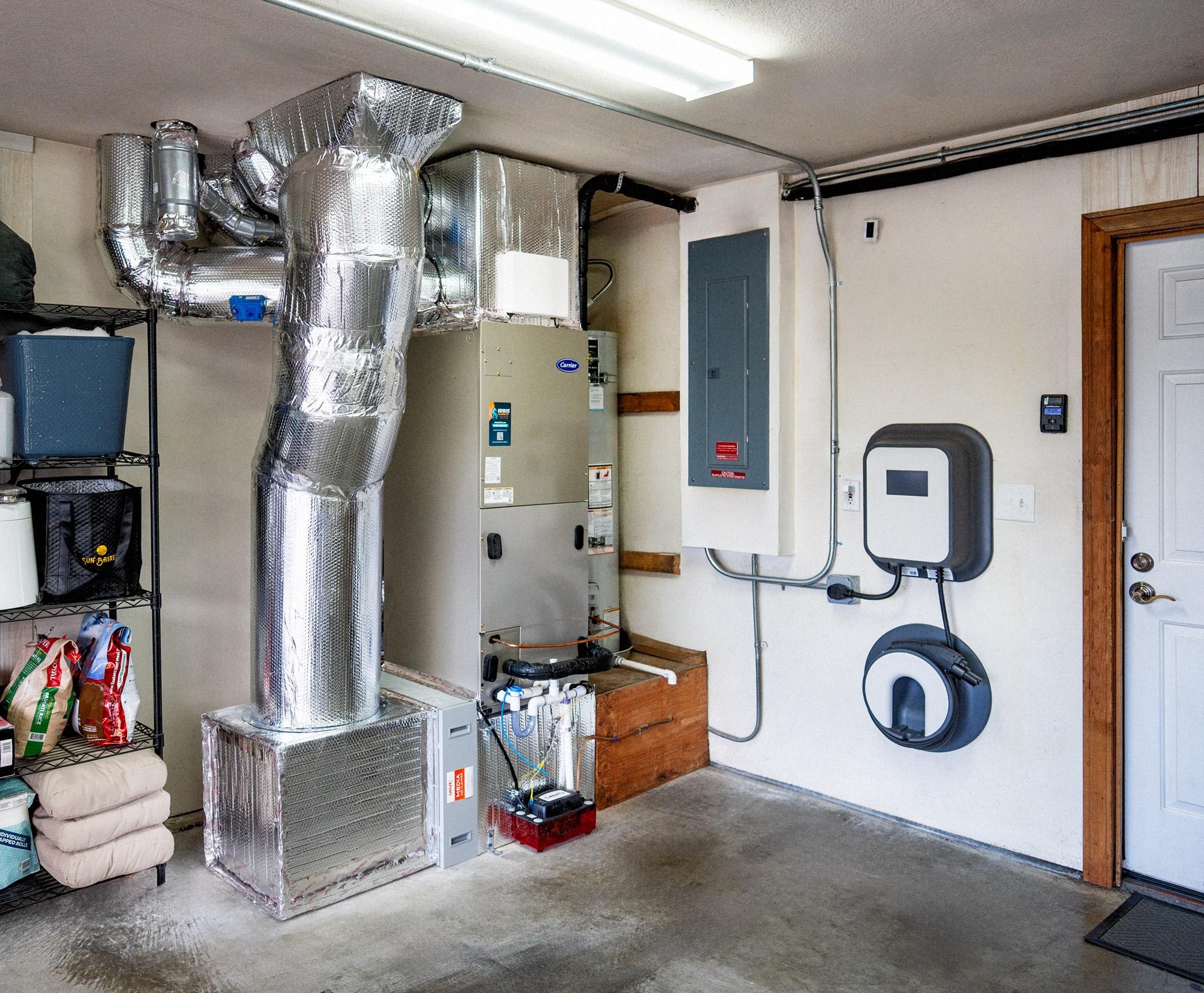
How to Maximize Your Heat Pump's Efficiency Year-Round