Roof Inspection Checklist for Utah Home Buyers and Sellers
A step-by-step roof inspection checklist covering shingles, flashing, attics, and metal panels, plus how documented roof assessments give Utah buyers and sellers real negotiating leverage.
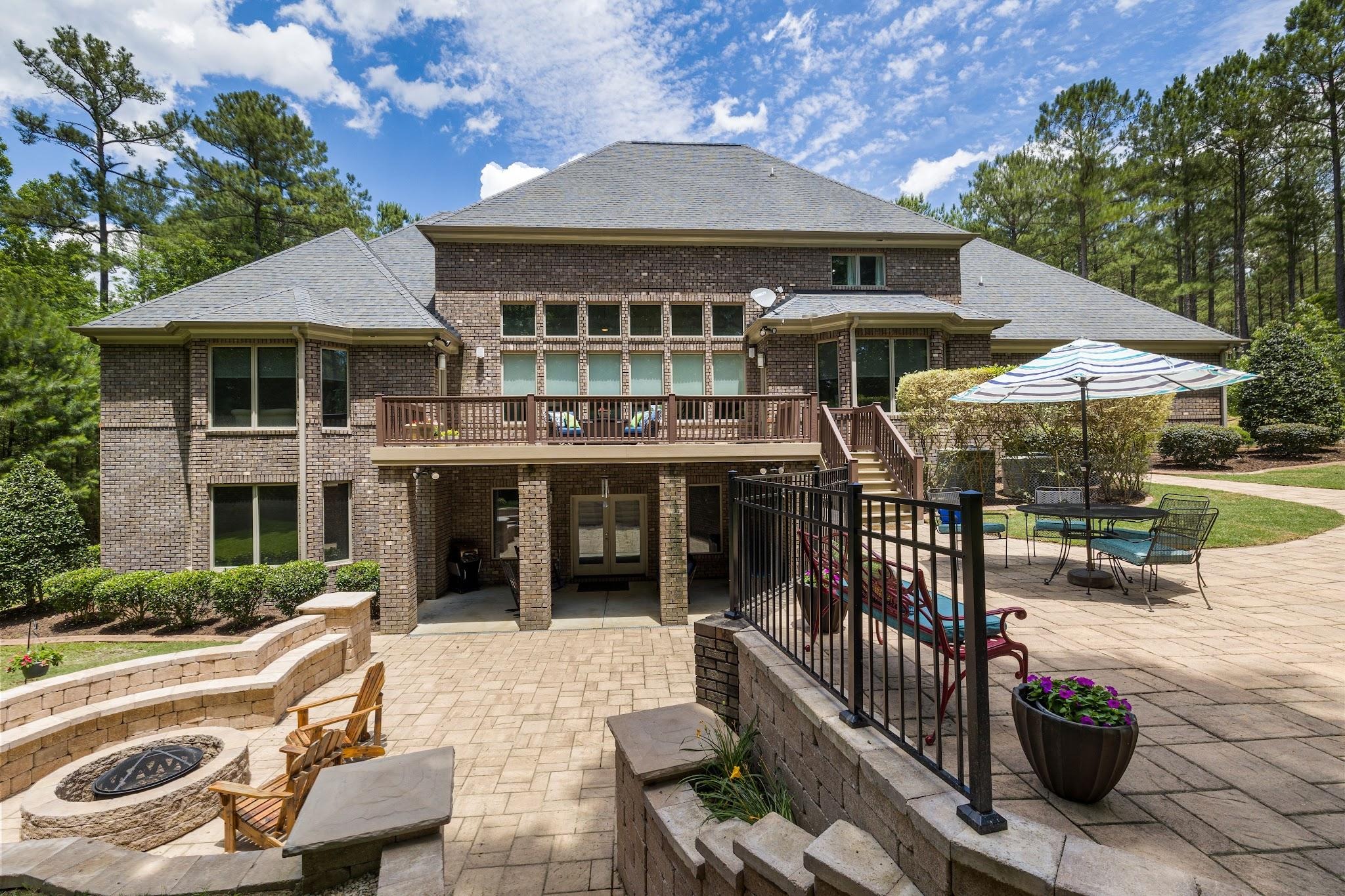
Buying or selling a home along the Wasatch Front involves substantial financial decisions and careful contract discussions. A sturdy roof shields a house from heavy winter snowpacks and intense summer heat waves. Spotting structural wear early prevents sudden repair bills from stalling home closings. Both buyers and sellers benefit from a thorough roof evaluation long before reaching the settlement table — a step worth planning alongside other pre-listing preparation tasks.
Evaluating Exterior Shingles and Roof Materials
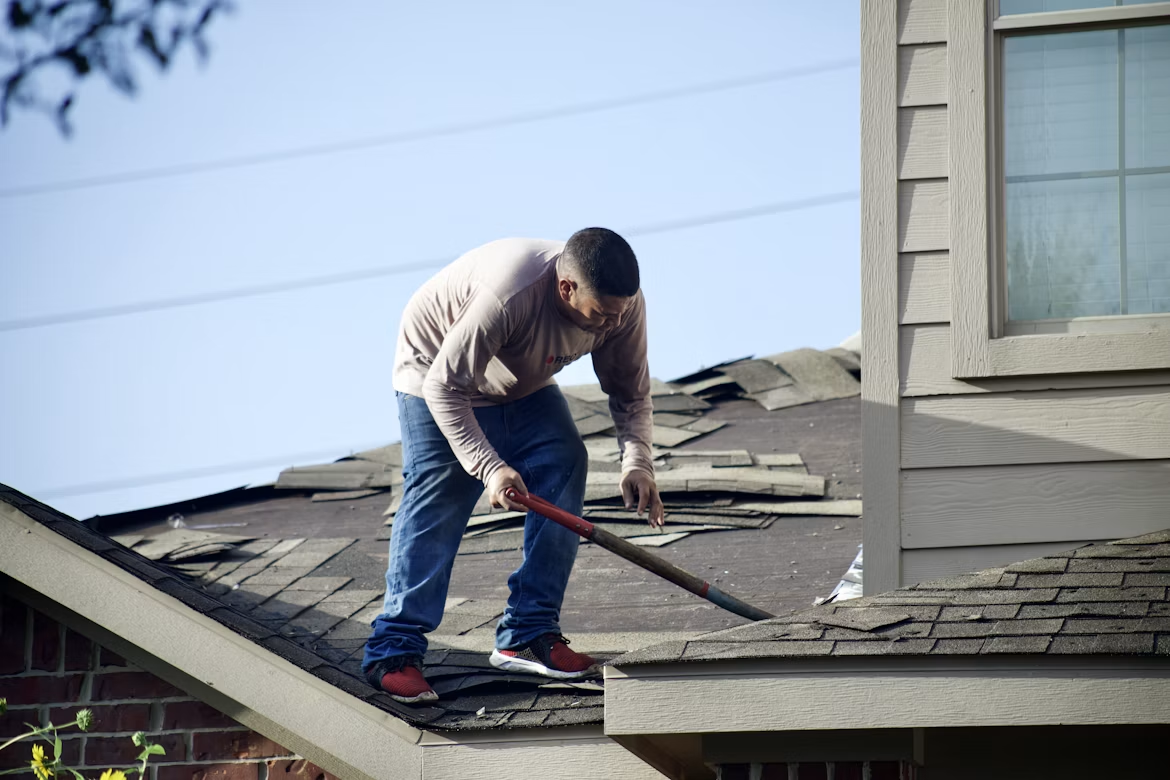
Exterior roofing surfaces take heavy punishment from freeze-thaw cycles and strong winds year after year. When home buyers discover missing asphalt granules or lifted composite edges, arranging a residential roof repair restores surface protection before appraisals occur. Swift surface maintenance stops small leaks from decaying structural plywood decking. Homeowners who fix these outer layer flaws protect their property value during local buyer negotiations.
Missing tiles and broken asphalt tabs signal immediate maintenance concerns for property inspectors. A contractor study showed that broken, curling, or split shingles rank among the most frequent exterior red flags during residential evaluations. Replacing worn single shingles prevents widespread moisture penetration during spring thaws.
Granule loss in gutters often indicates an aging asphalt shingle layer reaching the end of its useful lifespan. Heavy granule shedding leaves bare asphalt exposed to ultraviolet rays, accelerating shingle decay. Evaluating surface granule accumulation helps buyers estimate remaining roof lifecycle years accurately.
Inspecting Flashing, Valleys, and Openings
Rainwater flows rapidly across roof slopes, directing huge volumes toward metal flashing seams and valleys. Recent findings from field crews show that leaks develop most frequently around metal flashings, roof valleys, and pipe penetrations. Roof openings like brick chimneys, glass skylights, and attic exhaust vents create primary water entry points when sealants age.
Exterior wooden boards beneath lower roof edges require direct physical examination during property walkthroughs. Field records indicate that fascia boards running along the roof edge bear the highest risk of rotting water damage. Strong wood fascia keeps heavy gutter runs attached securely during winter ice dam formations.
Deteriorated rubber boots around plumbing vent stacks permit hidden water leaks to run along roof rafters. Swelling roof decking around chimney bases shows clear evidence of active flashing leaks. Replacing cracked sealant collars around vent pipes prevents interior ceiling water spots.
Checking Metal Roof Sections and Panels
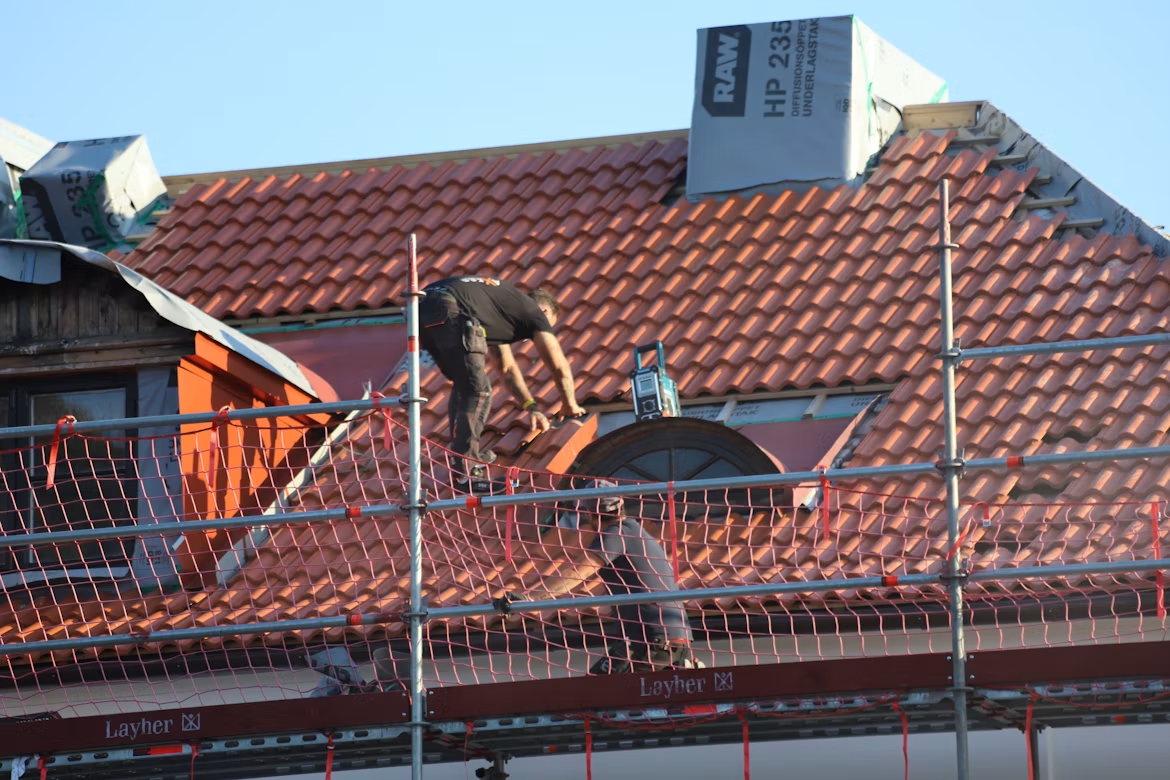
Metal roofs provide long service lives in high-altitude environments and require specialized checklist evaluations. Material supplier guides stress checking metal panels for hidden rust, loose attachment screws, and compromised seam lines. Thermal expansion pulls exposed panel fasteners loose over repeated hot summer days.
Corrosion often starts near hidden metal overlap joints or around improperly installed trim caps. Screws with dried rubber washers allow water drops to seep beneath metal panels during rainstorms. Tightening loose structural screws and reapplying joint sealants keeps metal roofs watertight for decades.
Inspecting the Attic Interior
Attic spaces offer an honest view of structural health beneath the exterior roofing material. Standard attic inspection procedures recommend using a strong flashlight to search for discoloration, daylight showing through roof boards, or sagging wood sheathing. Dark wood stains indicate active moisture entry points long before water drips onto drywall ceilings.
Poor attic airflow traps excessive moisture beneath wood roof sheathing during winter months. Mold growth on rafters signals poor soffit ventilation rather than direct shingle leaks. Balanced attic ventilation extends roof sheathing life and maintains healthy indoor air quality.
Inspecting attic insulation depth reveals whether previous roof leaks damaged thermal barriers above ceiling drywall. Wet insulation loses thermal efficiency and creates lingering odor issues inside living areas. Replacing contaminated insulation restores indoor energy performance and protects home values.
Understanding Roof Inspection Costs and Protocols
Professional evaluation costs vary based on home size, roof steepness, and diagnostic methods. Standard protocols combine visual checks with specialized moisture detection tools.
Basic visual evaluations typically cost between $200 and $350 for single-family residences.
Comprehensive structural assessments across national real estate transactions average $100 to $400 depending on home size.
Thermal imaging and infrared technology locate hidden moisture pockets within layered assemblies at higher price points.
Standardized reporting templates from national inspection associations keep documentation clear for lenders and buyers.
Thermal imaging cameras identify damp insulation beneath roofing materials without causing structural destruction. Written report templates organize identified roof deficiencies into clear repair categories for easy review. Detailed photo documentation helps buyers present realistic repair requests during property purchases.
Using Inspection Reports in Utah Real Estate Deals
Clear evaluation reports create strong negotiating leverage during contract negotiations. Sellers who repair damaged roofing before listing maintain higher sales prices and avoid last-minute escrow delays, a decision similar to weighing whether to replace the roof before selling outright. Pre-listing inspections build buyer trust and streamline real estate contract approvals.
Buyers who receive thorough inspection summaries can request price adjustments or repair escrow credits before closing. Repair credits allow buyers to select preferred roofing contractors after closing property purchases. Open negotiations prevent post-sale disputes regarding existing structural defects, much like the negotiating dynamics covered in this guide to selling to a cash buyer.
Real estate agents use documented roof assessments to resolve buyer inspection contingencies quickly. Clear paper trails reduce liability for all transaction parties after closing property deals. Proper documentation ensures smooth title transfers and lender mortgage approvals. Buyers evaluating a home's overall condition should also weigh other property amenities before buying a Utah home, since roof age is just one piece of the puzzle.
Roof integrity impacts real estate contract success and long-term property values across Utah communities. A structured evaluation strategy allows sellers to list confidently and helps buyers protect significant financial investments. Addressing maintenance red flags early creates smooth transaction paths and lasting home security.
Frequently asked questions
How much does a professional roof inspection cost in Utah?
Who pays for roof repairs found during a home inspection?
How long do asphalt shingle roofs typically last in Utah's climate?
Should I get a roof inspection before listing my home for sale?
Can a bad roof inspection kill a home sale in Utah?
What's the difference between a roof inspection and a roof certification?
Keep reading
More from the blog
Buying a Bear Lake Cabin: Lake Levels, Rental Rules and Winter Access
Utah's 2026 Housing Laws: What Passed, What Failed and What Changes for Buyers
2034 Winter Olympics in Utah: Which Cities and Projects to Watch Before Buying (2026)