
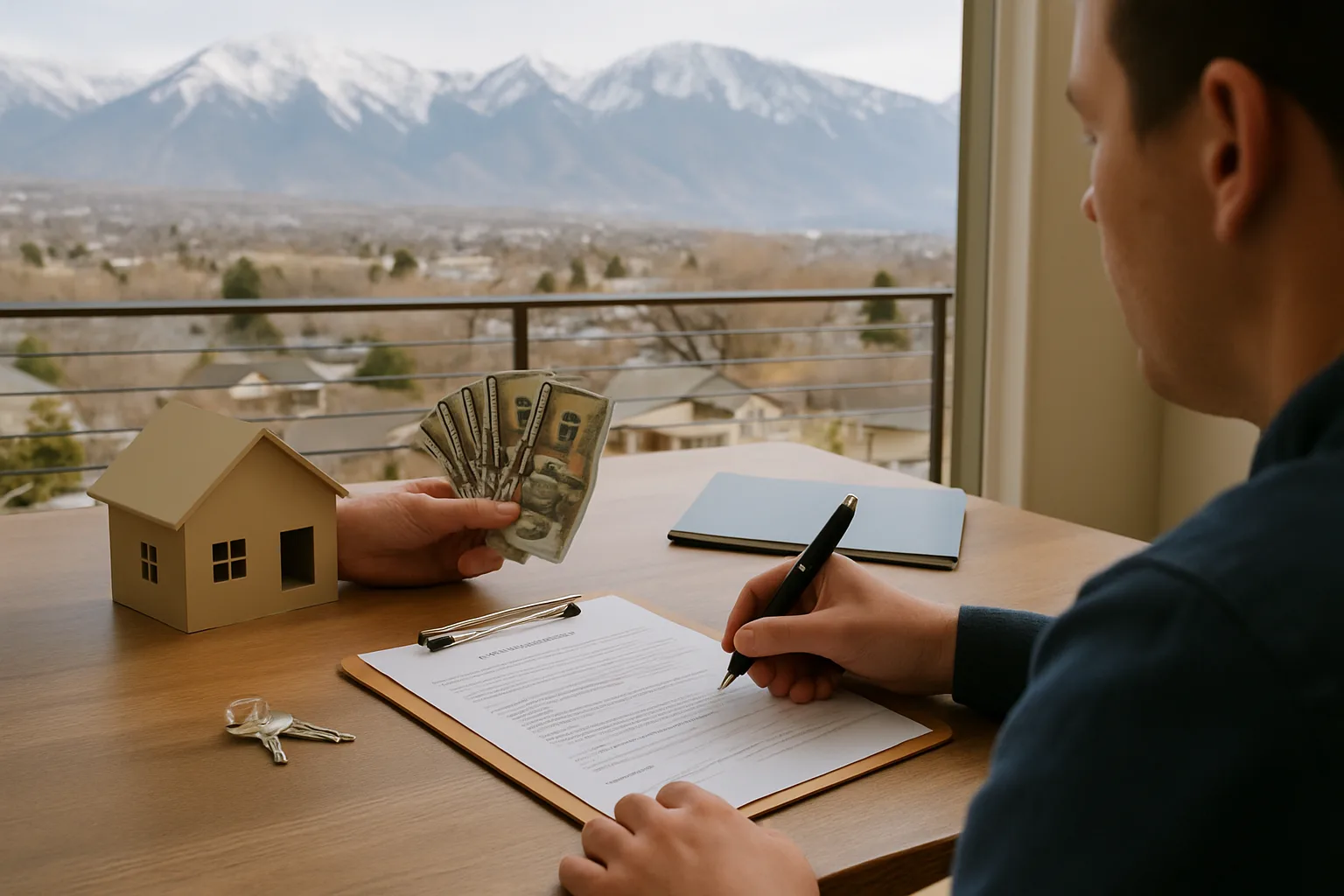
What To Expect When You Sell Your Home to a Cash Buyer
Selling to a cash buyer is faster than a traditional sale, but it still involves an offer, title work, and a closing table. Here's a stage-by-stage breakdown of what sellers should actually expect, from the first phone call to funds in hand.
What To Expect When You Sell Your Home To a Cash Buyer
Most sellers have been through a traditional sale or at least watched one play out for a friend or family member. The cash process is shorter and has fewer moving parts, but it is still a real estate transaction with paperwork, legal requirements, and a closing table at the end. Here's what actually happens at each stage:
First Contact and the Property Visit
When someone wants to sell a house for cash in NJ, the process usually starts with a phone call or an online form. The buyer asks for the property address, a rough idea of the home's condition, and why the seller is looking to sell. That conversation is short. Nothing about it is binding.
The buyer then pulls public records, looks at recent sales nearby, and does some initial math. After that, most buyers want to see the property, either in person or virtually. A handful of buyers throw out a rough range before visiting, but the actual offer is not made until after they have seen the home.
Sellers should expect that visit to be casual and relatively quick. The buyer is looking at structure, systems, and the scope of work required. They are not staging critiques.
The Offer Itself
Offers from cash buyers tend to arrive quickly. A day or two after the visit is common.
The price gets the most attention, and that is understandable, but the rest of the purchase agreement matters just as much. Sellers should look at the proposed closing date, who is covering closing costs, whether the buyer has included an inspection contingency, and whether the contract gives the buyer the right to assign the deal to someone else before closing. Comparing an offer to recent comparable home sales in the area can help sellers gauge whether a cash offer is fair before signing anything.
The as-is clause is worth understanding in full. In many cash deals, the buyer agrees to take the property in whatever condition it is in. But the exact wording varies. Some contracts include a five- or ten-day inspection window where the buyer can cancel or renegotiate based on what they find. Others waive inspection altogether. Those are two very different commitments from the buyer, and the seller should know which one they are agreeing to.
There is no reason to sign the same day. Any buyer who pushes for an immediate signature is creating urgency. Asking for a reasonable review period, a conversation with an attorney, or a day to think it over are all normal.
Title Work and Escrow
Once the offer is signed, a title company or real estate attorney opens escrow and runs a title search. The point of this search is to confirm the seller has the legal right to sell the property and that no one else has a claim against it.
What the title search looks for: outstanding mortgages, tax liens, mechanic's liens from contractors, judgments, and anything else recorded against the property. A clean result means the sale can proceed.
An issue does not necessarily kill the deal, but it has to be resolved first. A mortgage that was paid off years ago but never formally discharged is one of the more common findings. It is fixable, but it takes a few extra days. Sellers who uncover unrelated issues during this stage, like a cracked foundation or an aging roof, may want to review how foundation cracks or an older roof can affect a sale before assuming it's a dealbreaker.
Sellers do not run this process. The title company does. But sellers who respond quickly to requests for documents or signatures help keep the timeline tight.
What Closing Looks Like
The closing itself is the part that surprises most sellers. It is quick.
There is no lender at the table. No one is waiting on a last-minute loan approval. No appraiser's report needs to be reconciled with the purchase price. The parties meet at the title company or attorney's office, sign the deed, review the settlement statement, and complete the required disclosure forms.
The settlement statement is the document to pay close attention to. It shows the purchase price, the breakdown of closing costs between buyer and seller, any prorated property taxes, and the net amount going to the seller. If something on that sheet does not match what was agreed to, the time to raise it is before signing, not after.
Funds are typically disbursed the same day or the next business day. The deed is recorded with the county, and at that point the property belongs to the buyer.
After Closing
The seller's obligations are mostly done once the deed is signed. They should, however, retain every closing document.
The settlement statement in particular will be important when filing taxes. Capital gains rules apply differently depending on whether the property was a primary residence, a rental, or an inheritance. A tax professional can clarify which rules apply, but they will need that paperwork.
From the first phone call to having the proceeds in hand, most cash sales close in two to four weeks when the title is clean and both sides are responsive. Sellers used to the traditional timeline, where two months is normal, tend to find the pace unusual. It is not rushed. There are just fewer steps involved. Sellers weighing a cash sale against a traditional listing may also want to review which pre-sale improvements are worth doing versus skipping altogether when time is the priority.
Frequently asked questions
How long does it take to close on a cash home sale?
Do I still need a home inspection when selling for cash?
Are cash home buyers required to pay closing costs?
Will I owe capital gains tax after selling my house for cash?
Can a cash buyer back out after making an offer?
What happens if a title search finds a lien on my house?
Keep reading
More from the blog
Buying a Bear Lake Cabin: Lake Levels, Rental Rules and Winter Access

Utah's 2026 Housing Laws: What Passed, What Failed and What Changes for Buyers
2034 Winter Olympics in Utah: Which Cities and Projects to Watch Before Buying (2026)