
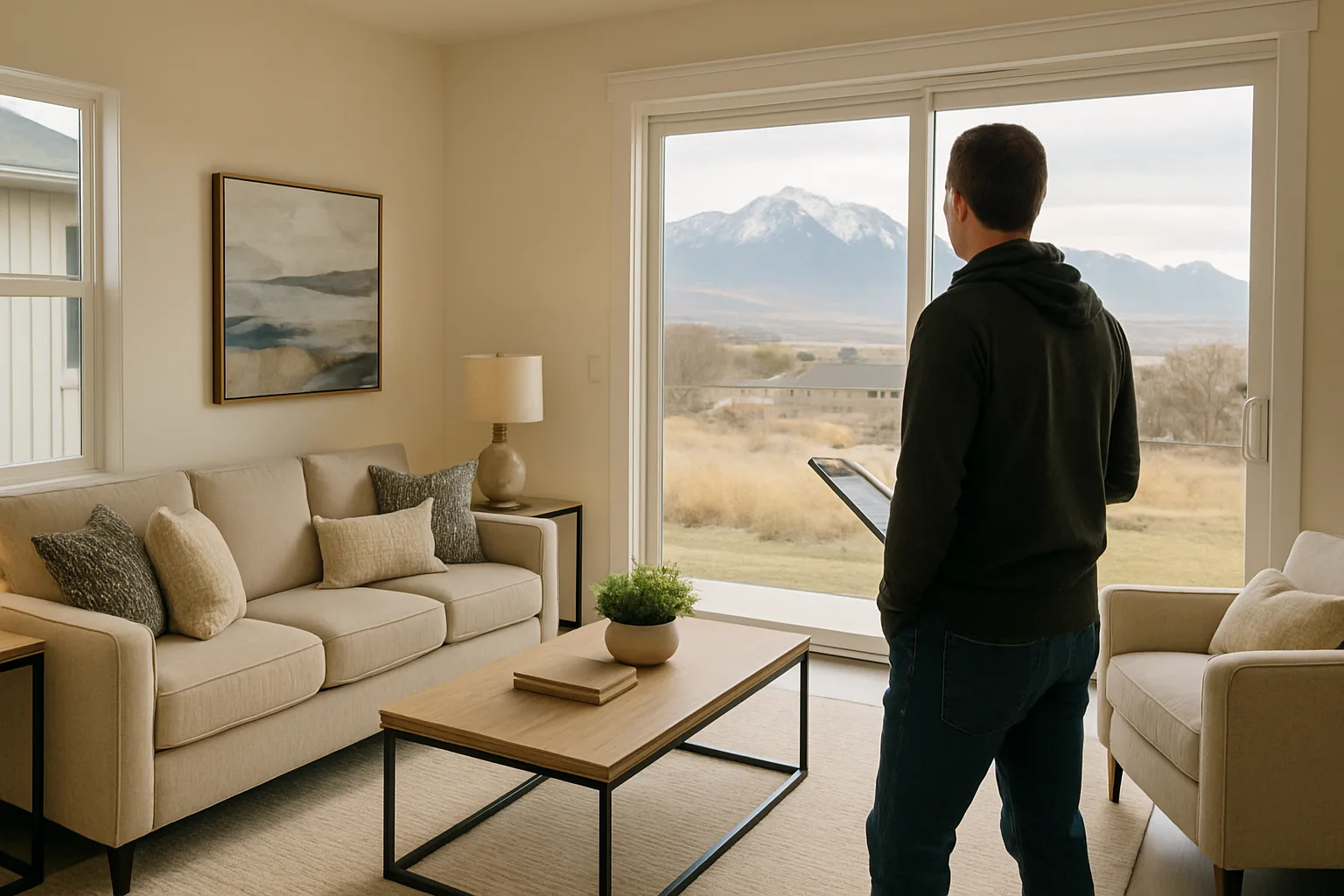
How Furniture and Staging Affect What Buyers Offer on Your Home
Staged homes consistently sell for more and faster than unstaged ones. This guide breaks down why furniture shapes buyer offers, which rooms deliver the best staging ROI, and includes a full pre-listing checklist.
Most sellers get told to stage before listing. However, not all of them do.
At this early stage, the cost seems uncertain and the payoff feels vague. But the goal of staging isn't to make your home look nice. Staging helps increase the offer price.
In fact, staged homes consistently sell for more than unstaged ones. This guide explains why furniture and presentation affect buyer offers, which rooms will benefit the most from staging and what to do before you list. If you're prepping a home for sale, it also helps to review broader tips on making your home more appealing before selling it.
Staged Homes Sell for More: Here's What the Data Says
The National Association of Realtors tracks staging data regularly.
They highlight that staged homes receive higher offers. In most cases, sellers report a 1–5% increase in offer price compared to unstaged properties. Some report 6–10%. On a $500,000 home, a 3% lift is $15,000 more on the offer.
Staged homes also sell faster. Fewer days on market means fewer price reductions and less negotiating leverage for buyers. In competitive Utah markets (the Wasatch Front, St. George and surrounding areas), speed is important.
A home that sits for 60 days invites lowball offers. One that generates strong early interest commands better terms.
One important note here is that staging doesn't change the appraised value of a home. But in markets with multiple offers, buyers frequently offer above appraisal. Staging affects how much above appraisal they're willing to go.
How Furniture Shapes the Offer Before a Word Is Said
Buyers aren't just evaluating square footage. They're trying to picture themselves living in the space. And furniture helps them do that. Here's how:
A vacant bedroom looks smaller than it is. Without furniture, buyers can't gauge whether their own bed will fit. A furnished room with correctly sized pieces answers that question immediately and makes the room feel larger in the process.
Furniture also signals care. A home with clean, well-chosen pieces reads as well-maintained. Buyers make assumptions about what's behind the walls based on what they can see. Worn furniture, oversized sectionals, or pieces that clash with the space suggest a home that hasn't been looked after.
The third factor is emotional. Buyers make purchasing decisions emotionally and justify them rationally. A furnished living room helps them form the connection that leads to a strong offer. An empty room gives them nothing to connect with.
Which Rooms Give the Best Staging ROI
Not every room needs to be staged. Focus where buyers spend the most mental time.
Room | Priority | Key pieces | Why it matters |
Living room | High | Sofa, coffee table, lighting | Where buyers spend the most mental time |
Primary bedroom | High | Bed frame, neutral linens, nightstands | Strong emotional impact, especially for families |
Kitchen / dining area | Medium–High | Dining table, chairs | Anchors open-concept spaces; shows daily function |
Entryway | Medium | Console table or bench | Sets first impression before buyers see anything else |
Guest bedrooms | Low | Optional | Lower buyer impact; deprioritize if budget is limited |
Utility/laundry | Skip | — | Minimal impact on offer price |
What to Keep, What to Remove and What to Rent
If you're using your own furniture, edit ruthlessly.
Keep:
Neutral, well-proportioned pieces in good condition. If a sofa fits the room and isn't distracting, leave it. Good existing furniture is always the cheapest option.
Remove:
Oversized pieces that make rooms feel crowded, personal photographs and collections, heavily patterned furniture that competes with the space and anything worn, stained, or dated.
Rent:
Key pieces the seller doesn't own, or items that need replacing. A correctly scaled sofa for the living room, a bed frame and headboard for the primary bedroom, or a dining set are the most common choices. Furniture rental for staging typically runs $500–$2,000 per month for the main living areas.
When to Hire a Professional Stager
DIY staging works when you have appropriate furniture, a good eye and the time to do it thoughtfully. If those three things are in place, you don't necessarily need professional help.
Hire a professional when:
The home is vacant and needs full furniture rental and placement.
It's a luxury price point where staging cost is a small fraction of the potential return.
The layout is unusual and benefits from expert furniture placement.
You're too emotionally attached to the space to edit it objectively.
Professional stagers bring vendor relationships (they get better furniture rental pricing than retail), plus buyer psychology experience and an objective eye. Companies like TNT Commercial work with property owners to source, place and install furniture that positions a home for stronger offers. They handle everything from selection to installation. If your roof or exterior needs attention too, it's worth reviewing whether you should replace your roof before selling as part of the same pre-listing plan.
Pre-Listing Staging Checklist
Use this before your first showing. Work through each room and tick off as you go.
Living Room | |
☐ | Remove personal photos, trophies and decorative clutter |
☐ | Replace any oversized, worn, or heavily patterned furniture |
☐ | Clear the coffee table – one or two neutral objects maximum |
☐ | Check all lighting: replace dim or dead bulbs, add a lamp if the room feels dark |
☐ | Vacuum or clean upholstery; fluff cushions |
Primary Bedroom | |
☐ | Make the bed with clean, neutral-toned linens |
☐ | Clear nightstands to one item each (lamp, book – nothing personal) |
☐ | Remove personal photos and all clutter from surfaces |
☐ | Clear the closet to 50% – buyers will open it |
☐ | Add a mirror if the room feels small |
Kitchen & Dining Area | |
☐ | Clear all countertops completely |
☐ | Stage with one or two simple items only (coffee machine, a bowl of fruit) |
☐ | Set the dining table simply, or leave it clean |
☐ | Remove fridge magnets, notes and anything stuck to appliances |
☐ | Deep clean – oven, sink, surfaces and floor |
Entryway | |
☐ | Add a small console table or bench if the space allows |
☐ | Remove all coats, shoes, bags and everyday clutter |
☐ | Add one simple, neutral decor element (a plant, a small mirror) |
☐ | Ensure the entry light works and produces warm light |
Whole Home | |
☐ | Deep clean every room before the first showing |
☐ | Touch up paint on scuffed walls and trim |
☐ | Replace any visibly dated or broken light fixtures |
☐ | Address strong odours – pets, cooking smells, stale air |
☐ | Fix any minor repairs buyers will notice: loose handles, sticking doors, dripping taps |
☐ | Open all blinds and curtains before showings – natural light sells |
Staging isn't a guarantee for a quick sale. But the sellers who walk away with the strongest offers are rarely the ones with the largest homes or the most recent renovation.
A furnished, well-edited home removes doubt. It helps buyers picture themselves there. It signals that the property has been looked after. And in most markets, that translates directly into what shows up on the offer. A few small touches, like a refreshed exterior or updated cabinet hardware inspired by ideas like inset vs. overlay cabinet styles, can reinforce the same well-maintained impression staging creates indoors.
Work through the checklist above before your first showing. And if you're not sure where to start, talk to your agent – they've seen enough showings to know exactly what's holding a home back.
Frequently asked questions
How much does staging actually increase a home's sale price?
Is it worth paying for professional staging or can I DIY it?
How much does it cost to rent furniture for home staging?
Which rooms should I prioritize when staging a home for sale?
Does staging affect a home's appraised value?
How long should I stage a home before listing it in Utah?
Keep reading
More from the blog

Your Utah Cost Segregation Questions, Answered!
How Noisy Is the Home? A Buyer's Noise Check Guide
Photos of Your Utah Rental Are Worth Money at Tax Time