Easy Steps to Building a Pond in Your Backyard
Building a backyard pond is a rewarding DIY project that adds beauty and value to your home. This guide walks through gathering tools, digging the pond shape, lining the trench, and installing filtration for a healthy, long-lasting water feature.
Building a backyard pond transforms your outdoor area into a peaceful retreat. A simple water feature brings nature right to your back door while adding value to your home. Anyone can build a basic pond with a little planning, basic tools, and clear direction.
Gathering Your Tools and Materials
Having everything ready saves time once you start digging. You will need a heavy spade, a level, measuring tape, and marking spray paint. Heavy materials like sand and protective liners form the foundation of your pond project.
Taking time to prepare the site carefully will prevent issues later in the build. Laying down a durable reinforced concrete roll provides exceptional protection against leaks and puncture damage over time. Adding proper underlayment beneath your chosen barrier further extends the lifespan of the entire structure.
For a long-lasting installation, using strong base layers protects against root intrusion and sharp rocks. Investing in proper equipment up front saves money on repairs down the road. If you're planning a broader backyard upgrade alongside your pond, it's worth reviewing what to consider before a new residential fence installation so both projects work together.
Digging the Pond Shape and Shelves
Use spray paint to outline the shape on your lawn. Curving, natural shapes often blend better into garden spaces than rigid squares. Dig out the top layer of sod within your painted boundary lines.
Dig down about 8 inches for the outer edge shelf. This shallow shelf holds aquatic plants that prefer shallow water. Dig the center section deeper to accommodate fish and prevent complete freezing in winter. A minimum depth of 18 inches prevents rapid temperature swings and supports fish and plants. Keep checking the edges with a long board and spirit level so the water level remains even across the surface.
Lining the Trench and Securing the Edge
Remove sharp stones, sticks, or roots from the excavated hole before placing any fabric. Spread a 2-inch layer of damp sand across the bottom and sides for cushioning. Lay down protective underlayment fabric to prevent sharp objects from poking through the bottom.
Drape your chosen waterproof barrier over the hole, letting it sink into the deep areas naturally. Leave plenty of extra material around all sides of the top rim. Fill the bottom with a few inches of water to weigh down the liner while you smooth out large wrinkles. Trench the outer edges into the soil and cover them with flat rocks to anchor everything in place securely.
A protective barrier acts as a shield to prevent continuous water loss while stopping ground contaminants from entering. Proper installation ensures the containment layer remains intact for many seasons.
Installing the Filtration and Circulation Systems
Water must move constantly to stay clean and healthy. Static water becomes a breeding ground for insects and algae. Position your pump in the deepest section of the pond or inside a skimmer box.
Select equipment based on the total volume of water in your setup. A good rule is to circulate all water every 1 to 2 hours. Connect the pump to your filtration system using flexible tubing. Hide the return hose behind rocks or create a small waterfall to add a soothing sound to your garden.
Modern water garden trends show that ecosystem-style designs remain the top choice for new residential builds. Incorporating natural circulation paths supports this biological balance effortlessly.
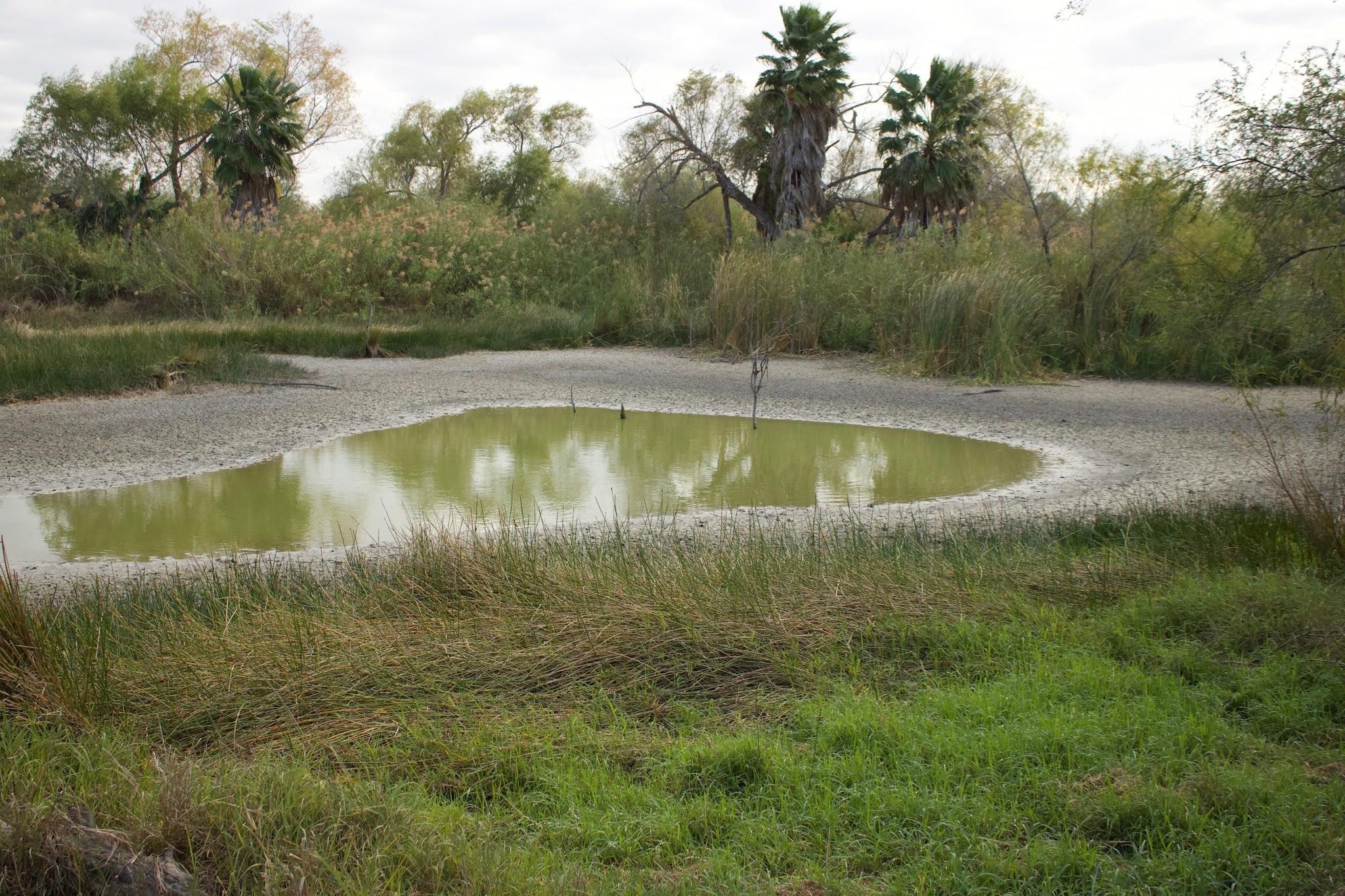
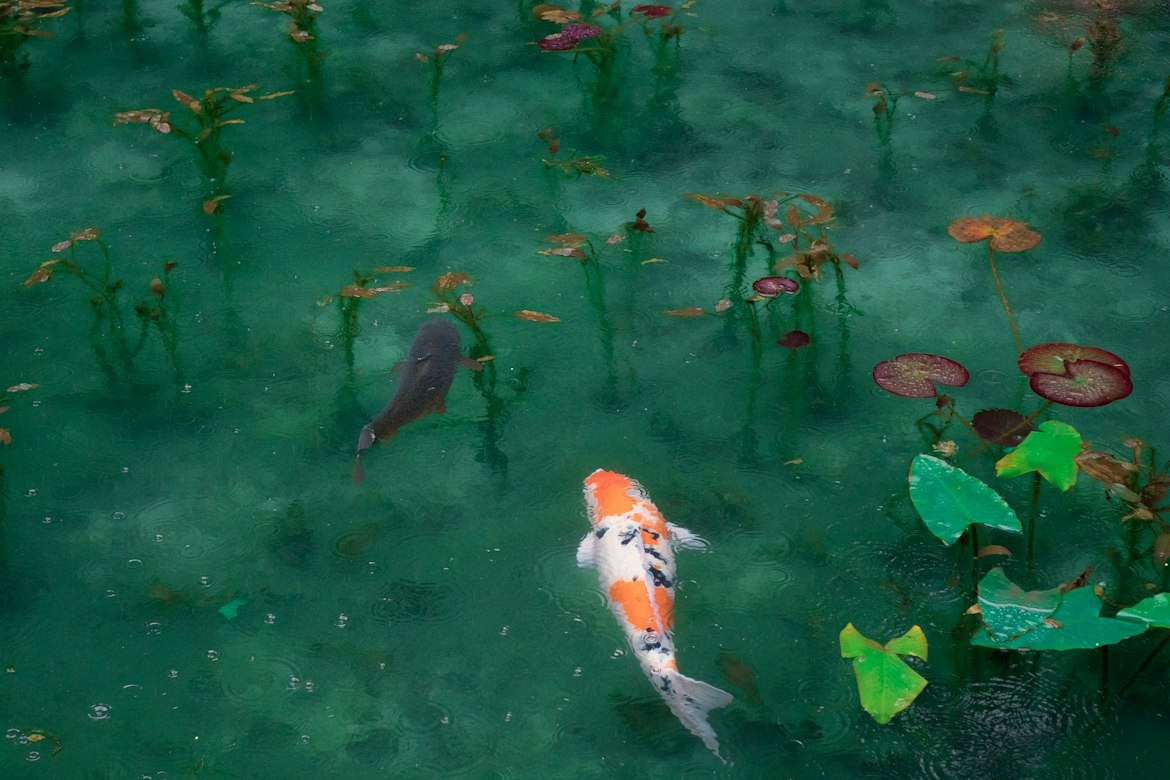
Building a pond is one of the most rewarding DIY projects for any homeowner. Watching birds, dragonflies, and aquatic life arrive brings a sense of relaxation to your yard. With simple maintenance and proper initial setup, your outdoor feature will provide beauty for years to come. A well-designed backyard pond can also boost curb appeal, which is worth keeping in mind if you're preparing how to make your home more appealing before selling it or thinking about resale value down the road.
Frequently asked questions
How much does it cost to build a backyard pond yourself?
How deep does a backyard pond need to be for fish?
Does adding a pond increase home value?
Do I need a permit to build a pond in my backyard in Utah?
How do I keep a backyard pond clean without much maintenance?
What is the best liner material for a backyard pond?
Keep reading
More from the blog

More Bookings, Same Rate: Make Your Airbnb More Competitive

Why Utah's Dry Climate Demands Active Wine & Cigar Storage

What Is a Ranch Style Home? Features, Types & Update Tips