Buying a Second Home in Utah: Taxes, Loans, Insurance and Rules That Change
A Utah cabin, ski condo or winter home is taxed on its full market value and financed, insured and rented under different rules than a primary residence. Here is what changes and what to check in Park City, Bear Lake, St. George and Brian Head.

Three things change most. A second home is taxed on 100% of market value instead of the 55% a primary residence gets (Utah Code 59-2-103), conventional loans require the buyer to use and control it and won't count rental income to qualify, and insurers need to know it sits empty. Whether it can be rented by the night depends on city, county and HOA rules.
Two identical houses on the same Utah street can get very different property tax bills. If one is a full-time home and the other is a weekend place, the weekend place is taxed on its full market value while the neighbor is taxed on 55% of it. It is the first of several rules that change once a house is not the owner's primary residence.
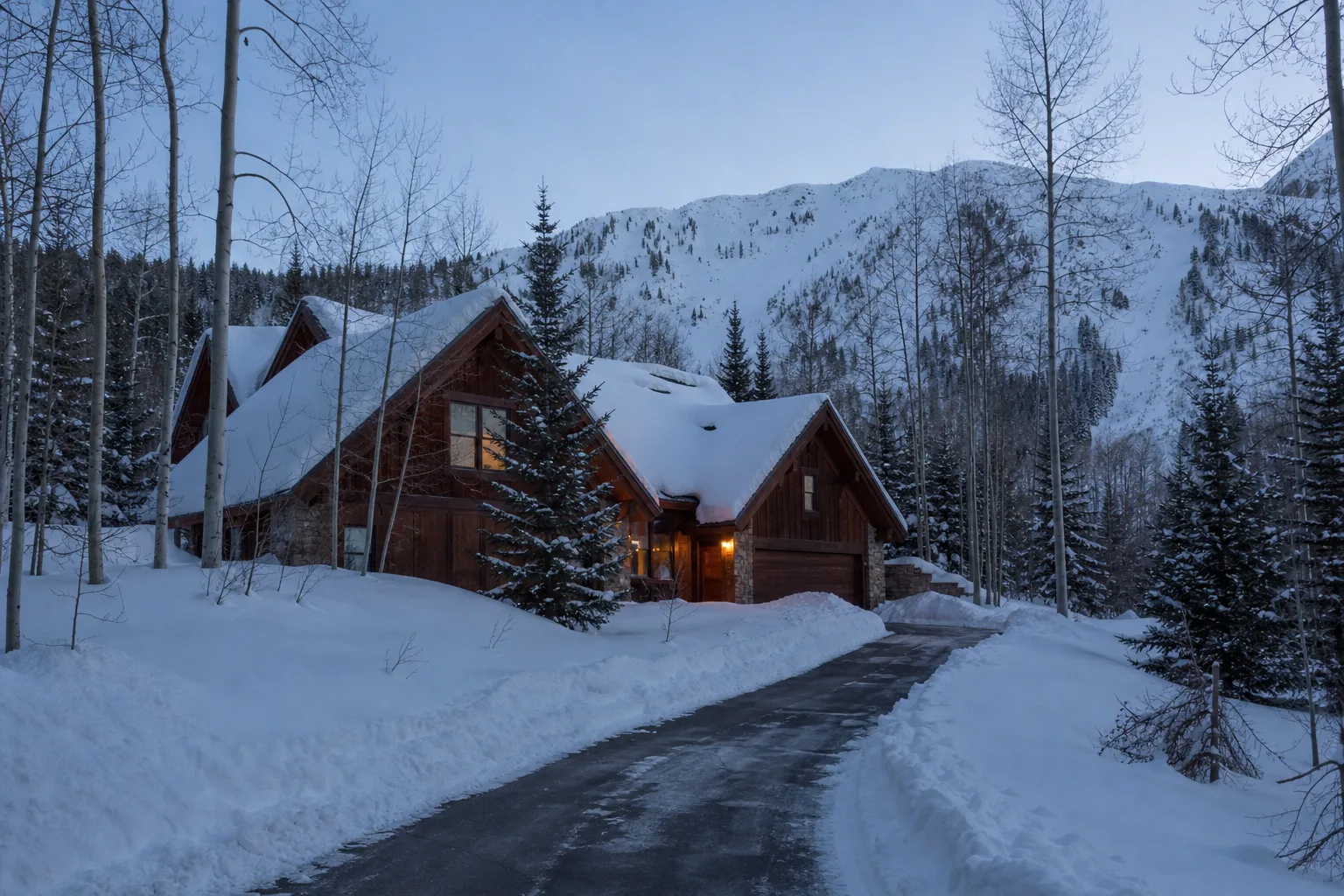
A ski condo near Park City, a cabin at Bear Lake or Brian Head, and a winter home in St. George all face the same set of differences: property tax, loan terms, federal tax treatment, insurance and local rental limits.
This article is general information, not tax or legal advice. Confirm the details with the county assessor, a lender and a tax professional.
Primary Home, Second Home or Investment Property
The county, the lender and the IRS each use their own test, and the answers do not have to match.
| Primary residence | Second home | Investment property | |
|---|---|---|---|
| Utah property tax basis | 55% of market value on the home and up to one acre, if occupied 183 consecutive days in the calendar year | 100% of market value | 55% if it is a tenant's full-time primary residence and the owner files the declaration; 100% if rented by the night |
| Conventional loan rules | Borrower moves in within 60 days of signing | One-unit home the borrower uses part of the year and controls; rental income cannot be used to qualify | Any home that is neither of the other two; pricing adjustments apply to every loan |
| Insurance | Standard homeowners policy | Insurer needs to know the home sits empty for stretches; ask about vacancy and freeze conditions | Landlord or short-term rental coverage |
| Rental limits | City and HOA rules apply | City and HOA rules, plus the loan's occupancy terms | City and HOA rules; licenses often required for nightly stays |
How Is a Second Home Taxed in Utah?
On its full market value; only a primary residence gets the break. Utah Code 59-2-103 gives residential property a 45% reduction in taxable value, limits it to one acre of land per home, and limits each household to one primary residence. The Utah State Tax Commission defines a primary residence as a dwelling occupied as a primary domicile for at least 183 consecutive days in a calendar year, by the owner or by a full-time tenant. Washington County's assessor states it plainly: vacation homes, cabins, time-shares and other transitory housing do not qualify.
A simple illustration, using made-up numbers:
| Hypothetical $800,000 home | Primary residence | Second home |
|---|---|---|
| Taxable value | $440,000 (55%) | $800,000 (100%) |
| Example tax rate | 0.60% | 0.60% |
| Annual tax | $2,640 | $4,800 |
The 0.60% rate is only an example. Real rates differ by tax area and change every year. The ratio is what holds: at any rate, the second home's bill is about 82% higher than the same house as a primary residence. If the seller lived there full time, last year's tax amount on the listing understates what a second-home owner will pay. For how the value itself is set, see how Utah assessed values really get set.
How counties check
Under Utah Code 59-2-103.5, after a home changes hands the county assessor sends the new owner a Residential Property Declaration, due within 90 days. It asks, under penalty of perjury, whether the property is a primary residence and whether it will be occupied for 183 or more consecutive days. An owner who ignores it and a follow-up notice loses the exemption for that year. The statute also allows assessors to use driver license data to verify eligibility. Counties may adopt their own application ordinance instead, and the resort counties ask for more:
- Summit County requires a Primary Residence Application with a driver's license, plus a lease for rentals. The home must be occupied by a Utah-domiciled resident. Nightly rentals and vacation homes do not qualify. Applications are due September 15; later filings through November 30 carry a $150 processing fee.
- Wasatch County puts the burden on the owner to apply by 5 p.m. on September 15. Homes rented nightly or used as vacation homes do not qualify.
- Washington County requires an application and, when a household has more than one residence, the assessor decides which one is primary.
One more line on the state declaration form deserves attention: claiming the exemption is considered in deciding whether the owner is domiciled in Utah for income tax. Checking "primary" on a cabin to save on property tax can create a state income tax problem.
Financing: What Lenders Mean by "Second Home"
Conventional loans sold to Fannie Mae follow its Selling Guide. Section B2-1.1-01, Occupancy Types, says a second home must:
- be occupied by the borrower for some portion of the year;
- be a one-unit dwelling suitable for year-round occupancy;
- be under the borrower's exclusive control;
- not be primarily used or operated as a rental property, and not be a timeshare;
- not be subject to any agreement that gives a management firm control over occupancy.
Anything that is not a principal residence or a second home is an investment property. Occasional renting does not automatically disqualify a second home, but the guide says the rental income cannot be used to qualify for the loan. A condo in a mandatory rental pool, or a cabin that cannot be used in winter, can fail these tests. Maximum loan-to-value ratios and credit score minimums vary by occupancy type under Fannie Mae's Eligibility Matrix, and extra pricing adjustments apply to certain second-home loans and to all investment loans, so buyers should get a written quote for the correct occupancy type. The occupancy stated on the application has to match how the home will really be used.
Can You Deduct Mortgage Interest on a Second Home?
IRS Publication 936 lets an owner treat one second home as a qualified home for the mortgage interest deduction. For debt taken out after December 15, 2017, the limit is $750,000 ($375,000 if married filing separately), and it applies to the mortgages on the main home and second home combined, not to each. If the second home is rented out during the year, the owner must also use it more than 14 days or more than 10% of the days it is rented at a fair price, whichever is longer, or it is treated as rental property.
Renting changes the income side too. Under IRS Topic 415, a home used as a residence and rented for fewer than 15 days in the year produces no reportable rental income, and no rental expenses are deducted. Rent it longer and the income is reported.
Insurance for a Home That Sits Empty
A second home is unoccupied for weeks at a time, and that is the fact an insurer cares about most. Before the due diligence deadline, get a quote on the specific address and ask the agent these questions in writing:
- Does the policy limit or exclude coverage after the home has been vacant or unoccupied for a set number of days, and how does the policy define those words?
- Is water damage from frozen pipes covered if no one is there, and what does the owner have to do to keep that coverage, such as keeping the heat on or shutting off and draining the water?
- Is any nightly renting covered, or does it need a separate policy?
The Utah Insurance Department notes that flood, earthquake, earth movement and mudslide are typically not covered by a homeowners policy and have to be added by endorsement or bought separately. It also advises condo owners to review the association's coverage and deductible.
Wildfire is the other issue in mountain areas. KPCW reported in May 2025 that the Wasatch Fire District had heard from hundreds of residents struggling to get or keep coverage, with early complaints coming from the Jordanelle and Hideout area. The steps to take are in the wildfire risk zone buyer's guide.
Can You Rent Out a Second Home in Utah?
Whether a second home can be rented by the night depends on the city or county zone and on the HOA, and the two can disagree. Southern Utah cities each set their own limits; the city-by-city picture is in where vacation rentals are allowed around St. George. A license may not pass to a buyer. Confirm the zone, the license status and the CC&Rs in writing before relying on rental income.
What to Check in Each Region
Park City and the Wasatch Back
Park City has a median sale price of $2,075,000 with 705 homes on the market, and nearby Heber City sits at $890,000. A Wasatch County council member said in 2023 that about half the county's homes are secondary homes. Check HOA dues, whether the building is in a nightly rental zone, who plows the road and driveway, roof snow load, and the wildfire insurance quote. Town-by-town trade-offs are in living near Utah's ski resorts.
Bear Lake
Garden City accepts new short-term rental license applications only from January 1 through April 30 each year, so a buyer who closes in June may wait until the next year to rent legally. Lodging there collects Rich County's transient room tax. Ask about winter road maintenance, whether water is town service or a well, sewer versus septic, and how the lake level affects the lot. The full list is in the Bear Lake cabin checklist.
St. George area
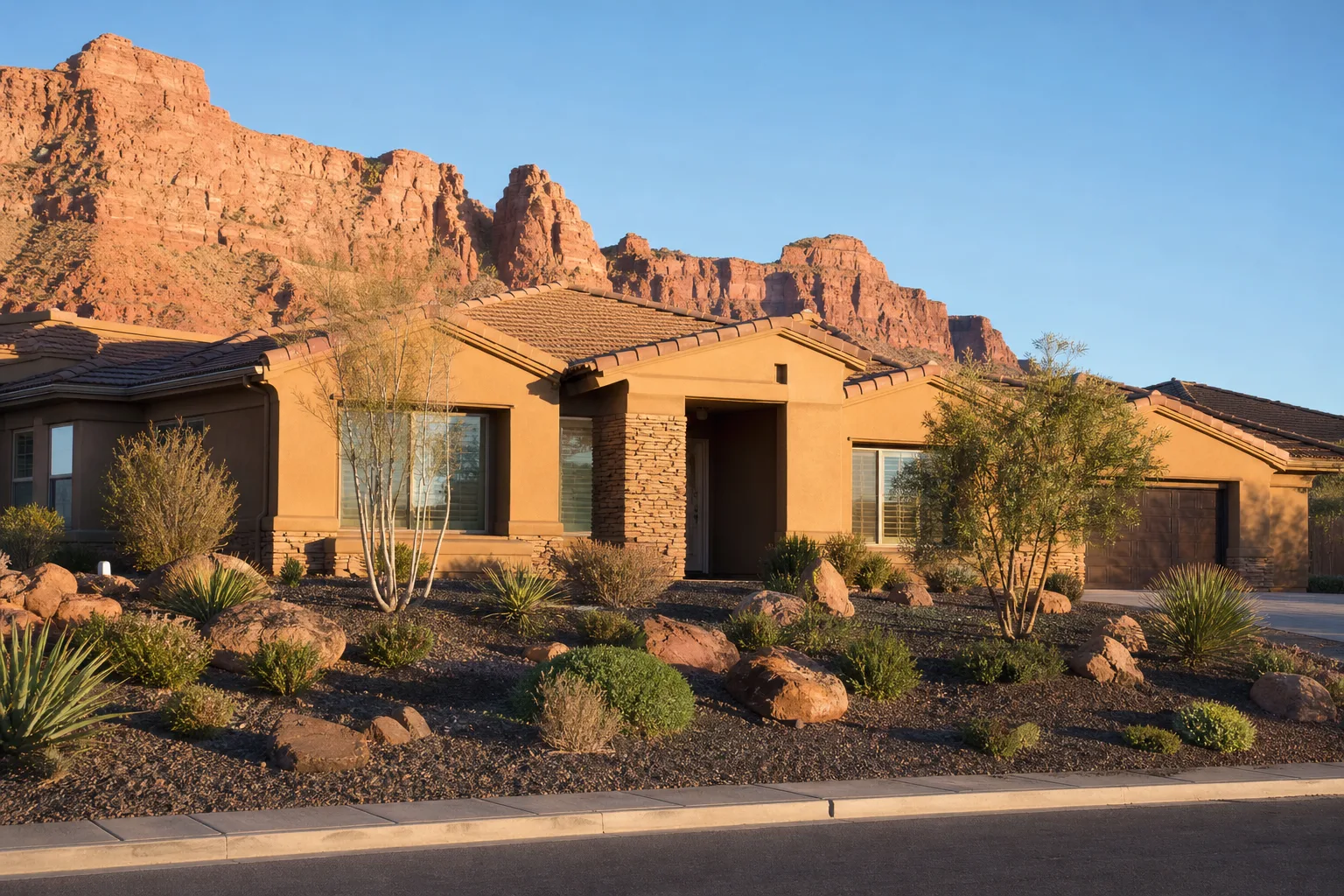
St. George is where many buyers look for a winter home, and homes there sell at a median of $505,000 in about 41 days. The risks are different from the mountains: summer heat on an empty house, irrigation that fails unnoticed, and HOA rules on rentals and landscaping. Ask what the HOA allows and who checks the home from May to September. Buyers thinking about staying year-round later can compare areas in where to retire in Utah.
Brian Head
Brian Head, in Iron County, bans parking on all town roads from November 1 through April 30, and owners are responsible for clearing their own driveways. Renting for fewer than 30 consecutive days requires a town business license with proof of insurance and a fire inspection every two years. Check off-street parking for every vehicle, who clears the driveway and roof, and whether the cabin or condo has had frozen-pipe claims.
Winterizing and Managing From Afar
- Follow the insurer's conditions for an empty home, whether that means keeping the heat on or shutting off the water and draining the lines.
- Label the main water shutoff for whoever checks the house.
- Add a monitored thermostat and a leak sensor with automatic shutoff.
- Hire a local person or property manager for scheduled walk-throughs.
- Contract for snow removal on the driveway and, in heavy-snow areas, the roof and decks.
- In wildfire areas, clear brush and needles each spring. The Wasatch Fire District suggests about 10 feet between the house and tree branches.
- In the desert, set the cooling to protect finishes in summer, put irrigation on a monitored controller, and schedule pest control.
- Send the tax notice, HOA mail and utility bills to the address where they will be read.
When the Owner Becomes a Utah Resident
Many second homes turn into full-time homes at retirement. When that happens, the property can move to the 55% basis once it is occupied as a primary residence for 183 consecutive days in the calendar year and the owner files with the county, generally by September 15. A household gets only one primary exemption in Utah.
Income tax changes at the same time. The Tax Commission treats a person as a Utah resident for any period of domicile, and the factors it weighs include a Utah driver license, voting in Utah, receiving the primary residential exemption, and keeping a place of abode in Utah while spending 183 or more days of the tax year in the state. A part-year resident is taxed on all income during the resident period and on Utah-source income during the rest. Utah's income tax is a flat rate, which the Legislature lowered to 4.45% in 2026. Snowbirds who split the year between states should count their days and keep records.
Current listings for cabins, ski condos and winter homes across the state are on Best Utah Real Estate.
Posted by Kristopher Larson
Frequently asked questions
Are second homes taxed differently than primary homes in Utah?
Yes. A primary residence in Utah is taxed on 55% of its market value because of the 45% residential exemption in Utah Code 59-2-103. A second home, cabin or vacation home does not qualify and is taxed on 100% of market value, so the same house carries a bill about 82% higher at the same tax rate.
What counts as a primary residence for Utah property tax?
The Utah State Tax Commission defines it as a dwelling occupied as a primary domicile for at least 183 consecutive days in a calendar year, by the owner or a full-time tenant. The exemption covers the home and up to one acre, and each household may claim only one primary residence in the state.
How does a county know whether a home is a primary residence?
After a sale, state law has the assessor send the new owner a Residential Property Declaration that must be returned within 90 days and is signed under penalty of perjury. Summit, Wasatch and Washington counties require owners to apply, and Summit County asks for a driver's license with the application. Assessors may also use driver license records to verify eligibility.
What does a lender require for a second-home mortgage?
Fannie Mae's Selling Guide, section B2-1.1-01, requires a one-unit home that is suitable for year-round occupancy, used by the borrower for some portion of the year and under the borrower's exclusive control. It cannot be operated mainly as a rental, be a timeshare, or be under an agreement that gives a management firm control over occupancy. Rental income from the home cannot be used to qualify.
Can a Utah second home be rented out tax-free for two weeks?
Under IRS Topic 415, if a home is used as a residence and rented for fewer than 15 days in the year, the rental income is not reported and rental expenses are not deducted. Local rules still apply: many Utah cities and HOAs restrict or license nightly rentals, so the rental has to be legal where the home sits.
Does owning a second home in Utah make someone a Utah resident for income tax?
Not by itself. Utah taxes people who are domiciled in the state, and the Tax Commission looks at factors such as a Utah driver license, voting in Utah, claiming the primary residential exemption, and keeping a place of abode in Utah while spending 183 or more days of the tax year there. Owners who split time between states should track their days.
Kristopher Larson
Realtor® · Air Force veteran · Licensed in Utah & Nevada · Real Broker, LLC
Kris is an Air Force veteran who started in real estate in 2011, has been part of more than 350 transactions and once ran 20 luxury vacation rentals in Copper Rock and Paradise Village. He writes this site's guides from MLS data and public records, and says where every number comes from.
Keep reading
More from the blog

Title Insurance in Utah: How to Read the Title Commitment Before Your Due Diligence Deadline
Do Remodeled Homes Sell for More in Utah? MLS Data
Do Relisted Homes Sell for Less? Utah MLS Data