Why Regional Real Estate Brokerages Are Investing in Custom Property Apps
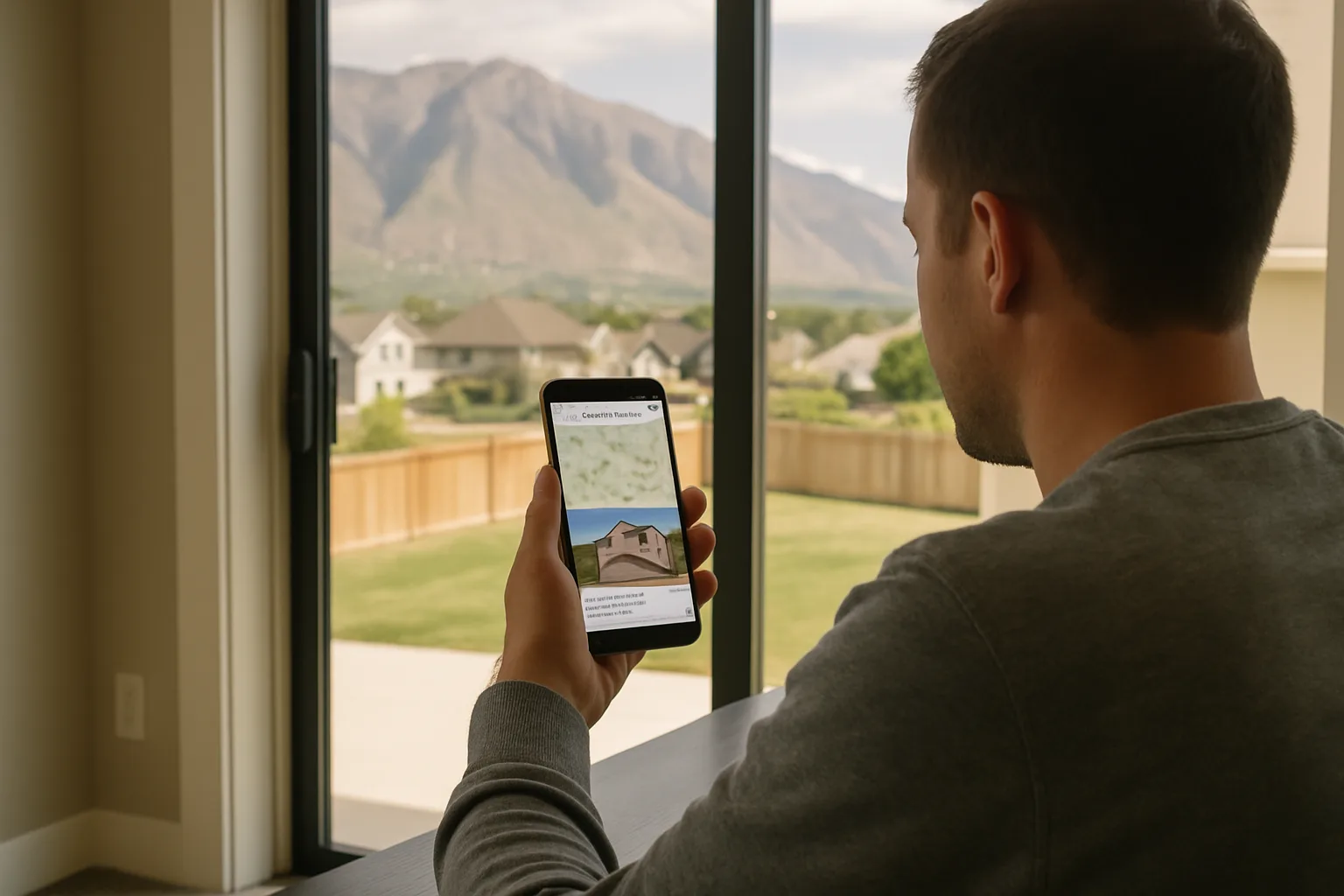
Regional real estate brokerages are commissioning custom property apps to compete with national portals like Zillow and Redfin, turning local market expertise into a retention-driving product buyers keep on their phones.
Regional brokerages built their reputation on local knowledge. They know which street floods in spring. They know which school district drives resale value. That knowledge used to live in an agent's head and get delivered over a phone call.
Buyers now expect that same knowledge delivered instantly, on a screen, before they ever call anyone. A brokerage that only offers a static website or a generic MLS widget is competing on the terms of national portals like Zillow and Redfin. Those portals have bigger budgets and no local loyalty to protect. A custom app changes the terms of competition. It turns local expertise into a product buyers can hold in their pocket.
This is why more mid-size and regional brokerages are commissioning their own mobile platforms instead of renting space on someone else's.
The Business Case for a Custom Property App
A generic listing feed treats every buyer the same. A brokerage's own app can treat a buyer in Park City differently from a buyer in St. George. It can surface canyon-view listings to one segment and desert-lot listings to another, based on saved searches and browsing behavior. That kind of personalization builds trust faster than a cold call.
Retention is the deeper reason this investment pays off. A buyer who downloads a brokerage's app and sets alerts for a neighborhood stays inside that brokerage's ecosystem for months. Every notification is a small touchpoint that keeps the brand top of mind. National portals don't offer that continuity, because their goal is to route the buyer to whichever agent pays for the lead, not to build loyalty to any single office.
Building this kind of platform correctly requires more than a website template. It requires product thinking: how search should behave under pressure, how listings sync with MLS feeds without lag, and how the app holds up across hundreds of devices and OS versions. This is where firms with dedicated real estate engineering experience matter. Binary Studio has spent years building property platforms for brokers, investment firms, and property managers, covering everything from MLS integration to CRM syncing to mortgage estimation tools. Reviewing their body of work makes one thing clear: the brokerages that succeed with custom apps treat the app as core infrastructure, not a marketing add-on. That distinction changes how the whole project gets scoped, staffed, and budgeted.
The return shows up in three places: lower cost per lead over time, higher agent productivity from centralized client data, and a defensible brand asset that a brokerage actually owns. Just as off-market data platforms are changing how Utah buyers find homes before they hit the MLS, custom apps are changing how brokerages retain the buyers they already have.
What a High-Performing Real Estate App Actually Needs
Ambition alone doesn't produce a good app. Decision-makers need to know which features actually move the needle before they approve a budget.
Search That Matches How Buyers Actually Think
Buyers rarely search by a single field like price or bedroom count. They stack filters: school rating, commute time, lot size, HOA fees. An app's search engine needs to handle compound queries without slowing down, even as the listing database grows into the tens of thousands. Buyers evaluating a home also weigh property amenities like garages, outdoor space, and community features just as heavily as price, so a well-built search needs to surface that data too.
Data Architecture That Won't Buckle
A brokerage app pulls from MLS feeds, internal CRM records, and sometimes third-party valuation tools. If that data pipeline is fragile, listings go stale or duplicate. A resilient architecture keeps every source synced in near real time, so an agent updating a price in the CRM sees it reflected in the app within minutes. This same reliability challenge is why accurate Utah real estate data feeds depend on careful scraping and compliance rules behind the scenes.
The features below consistently separate apps that get used daily from apps that get deleted after one session:
Saved searches with instant push alerts for new or price-reduced listings
In-app messaging between buyers and agents, avoiding phone tag
Map-based browsing with neighborhood-level filters
Mortgage and closing-cost estimators built into the listing view
Analytics dashboards for agents to track buyer engagement per listing
Launch Sequencing That Protects the Budget
Most brokerages don't need every feature on day one. A phased rollout keeps the initial investment manageable and lets real usage data guide what comes next.
Launch with core search, listings, and saved alerts.
Add messaging and notifications once daily active usage is established.
Layer in analytics and mortgage tools after agent adoption is confirmed.
This sequencing also reduces technical risk. Each phase can be tested with real users before the next one is funded, which keeps the project accountable to actual behavior rather than assumptions made in a planning meeting.
The Next Step for Decision-Makers
A custom property app is not a website with a different wrapper. It is a long-term asset that compounds in value the longer buyers stay engaged with it. Brokerages that treat it that way, starting with a clear-eyed scope and a phased build, tend to see faster returns and fewer costly rebuilds.
The brokerages winning in competitive markets right now are the ones that stopped waiting for national portals to send them traffic and started building direct relationships with buyers through their own platform. That shift starts with one decision: scoping the app around what local buyers actually need, not around what a template happens to include.
Frequently asked questions
How much does it cost to build a custom real estate brokerage app?
Why can't brokerages just rely on Zillow or Redfin for leads?
What features should a brokerage prioritize when building its first app?
How does MLS data stay accurate inside a custom real estate app?
Do smaller or regional Utah brokerages really need their own app?
Keep reading
More from the blog
How to Vet a Home Services Contractor in Utah

Living Near Utah's Ski Resorts: Towns, Drive Times and Trade-Offs

Staying Put After 65: Utah Programs That Help Seniors Keep Their Homes in 2026